- 1Projects
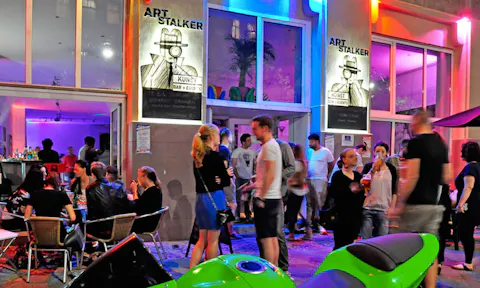


Why rent a Retail store in Charlottenburg, Berlin?
Choosing the right location for your retail business is crucial for achieving success in today's competitive market. A well-located store can significantly influence your brand's visibility, customer engagement, and overall sales performance. In this context, renting a retail store in Charlottenburg, Berlin, offers a wealth of unique advantages that can elevate your business to new heights.
One of the primary benefits of renting a retail space in Charlottenburg is the access to foot traffic. This vibrant area is known for its bustling streets and diverse demographic, making it an ideal destination for brands seeking to attract varied customers. With an influx of both locals and tourists, your retail store can enjoy increased visibility and a higher likelihood of making sales. This busy environment not only draws potential customers but also enhances your brand presence, allowing you to connect directly with shoppers who might become loyal patrons.
Being situated in a historically rich area like Charlottenburg also serves to enhance your brand's appeal. Customers are often drawn to locations with cultural significance and charm, which can provide an added layer of interest and authenticity to your business. The presence of important companies and brands in the vicinity creates a synergistic effect, allowing smaller businesses to benefit from the established reputation of their neighbors. This can lead to increased networking opportunities, collaboration possibilities, and shared customer bases, resulting in mutually beneficial relationships.
Furthermore, renting a retail store in a vibrant commercial area grants you better visibility and a higher sales potential compared to more isolated locations. The strategic advantages of being in the heart of a thriving community cannot be overstated. Customers are more likely to discover your store when it is situated amongst a variety of other shops and attractions, creating an experience that encourages browsing and exploration. This high-traffic environment is ideal for conducting promotions, seasonal campaigns, or unique events that can further engage customers and boost your sales.
Another key advantage of renting retail spaces is the flexibility it provides. The ability to rent a shop on a short-term or long-term basis is invaluable, especially for businesses looking to test new concepts or assess market viability without the commitment of a permanent lease. This approach allows entrepreneurs to adapt to changing market conditions and consumer preferences, offering them the room to innovate and refine their business strategies.
In conclusion, renting a retail store in Charlottenburg, Berlin, presents numerous benefits that can facilitate your brand's growth and success. From the potential for increased foot traffic and enhanced brand presence to the networking opportunities in a dynamic commercial area, every aspect contributes to a thriving business environment. Additionally, the flexibility of renting space enables businesses to experiment and scale effectively, ensuring they meet the demands of their target market. Embrace the advantages of retail store rental and position your business for success in one of Berlin’s most vibrant neighborhoods.
How much does it cost to rent a Retail store in Charlottenburg, Berlin?
Understanding retail rental costs is crucial for businesses looking to establish themselves in competitive environments. Charlottenburg, a district in Berlin known for its vibrant shopping scene, offers a unique landscape for retail entrepreneurs. Analyzing rental costs in this area can help businesses make informed decisions when planning their operations.
Retail store rental prices in Charlottenburg vary significantly depending on several factors, including location, store size, foot traffic, and market demand. In popular shopping areas like the Kurfürstendamm boulevard, monthly rents can range from 30 to nearly 100 euros per square meter for prime locations. In contrast, stores situated in less frequented zones may see prices as low as 15 to 25 euros per square meter. This disparity highlights the importance of location, with high-traffic areas naturally commanding higher rental fees.
Real-world examples further illustrate the influence of different locations on rental costs. For instance, a retail space on the bustling Kurfürstendamm could cost around 8,000 euros per month for a modest 100 square meters. Conversely, renting a space in a nearby, less-trafficked street might reduce costs to around 2,000 to 3,000 euros for a similar-sized store. This variability emphasizes the need to evaluate foot traffic and accessibility when choosing a location.
Apart from basic rent, additional costs must be accounted for. Utilities can add an extra layer of expense, typically ranging from 200 to 500 euros monthly, depending on the size of the store and seasonal variations. Security deposits, frequently required by landlords, typically amount to two to three months' rent. Taxes can also fluctuate, with a standard commercial rate in Berlin hovering around 15 percent. Maintenance fees for shared spaces should not be overlooked, as they can also impact the total cost of leasing a retail space.
When planning to rent a retail store in Charlottenburg, it is essential to set a realistic budget. Analyzing the total cost to lease a shop involves more than just rent; businesses should consider all associated expenses. Comparing options across different neighborhoods can yield surprising findings, as costs can differ remarkably within short distances. Consulting local real estate experts can provide invaluable insights into market trends and help identify the best possible locations that align with business goals.
In conclusion, understanding retail rental costs in Charlottenburg is vital for successful business planning. By evaluating various factors such as location, store size, and additional costs, entrepreneurs can navigate the competitive landscape more effectively. Armed with information and guidance, businesses can make strategic decisions that maximize their chances of success in this dynamic retail market.
Benefits of leasing a Retail store in Charlottenburg, Berlin?
Leasing a retail store in Charlottenburg, Berlin can be a game-changing decision for businesses aiming to thrive in a competitive marketplace. It is especially appealing for those seeking a cost-effective and flexible solution to accommodate their operational needs. The retail landscape in Charlottenburg is vibrant, and leasing provides an opportunity to tap into this dynamic environment without the significant upfront investment required for purchasing property.
One of the most compelling benefits of leasing spaces is access to high-demand areas that might otherwise be out of reach for many businesses. Buying property in Charlottenburg can easily require millions of euros, but leasing allows businesses to occupy prime locations with lower financial commitment. This strategic advantage can lead to increased foot traffic, visibility, and ultimately, sales, enhancing the brand presence and customer engagement in a bustling consumer district.
Leasing also offers scalability, which is essential for growing businesses. As market demands fluctuate, leasing arrangements can be adjusted to better align with changing business needs, whether that means expanding to a larger space or downsizing during slower periods. Whether it is a seasonal pop-up shop or a long-term flagship store, leasing can accommodate various operational strategies without the burden of long-term financial commitments.
Moreover, many leasing agreements include essential maintenance and infrastructure support from landlords, alleviating the pressure of overhead costs associated with property management. This can cover everything from routine maintenance to utilities, allowing businesses to redirect valuable resources toward marketing and customer engagement initiatives rather than upkeep.
For event spaces, the leasing model offers remarkable flexibility with options available for hourly or daily rentals. Prices can range significantly, from 100 euros for smaller, basic spaces to 10,000 euros for larger venues with luxurious amenities. This accessibility enables brands to host promotional events, launch parties, and unique marketing campaigns without the need for long-term leases, making it an intelligent approach to experiential marketing.
As businesses consider leasing, it is crucial to assess current market trends and property values to make informed decisions. Understanding the total costs involved is also vital, including rent, utilities, and any potential hidden fees. Ensuring the lease agreement aligns with specific business goals can foster growth and success in a competitive environment. Leasing a retail store in Charlottenburg presents numerous advantages, positioning businesses to seize opportunities and navigate challenges efficiently within this bustling district.
What are the most popular neighborhoods for renting a Retail store in Charlottenburg, Berlin?
Charlottenburg, a vibrant district in Berlin, stands out as an excellent choice for businesses looking to rent retail space. Known for its diverse demographics and rich culture, this area attracts a mix of residents and tourists, creating a dynamic environment for various types of businesses. The local culture emphasizes creativity and innovation, making it an ideal setting for showrooms, boutique shops, and concept stores.
Different neighborhoods within Charlottenburg cater to specific business needs. For instance, the Kurfürstendamm boulevard serves as a famous shopping street, characterized by high-end retail stores and luxury brands, making it a prime location for high-street fashion and luxury retail. The foot traffic here can reach thousands daily, driven by both locals and tourists seeking premium shopping experiences. In contrast, areas around the Savignyplatz are known for their artistic vibes, making them suitable for galleries and creative pop-up spaces. The energy in this neighborhood, coupled with a relaxed atmosphere, is perfect for businesses looking to connect with a more niche clientele.
Proximity to significant landmarks, such as universities and business centers, further enhances the appeal of specific locations within Charlottenburg. For example, being near the Technische Universität Berlin can attract a younger demographic, providing opportunities for brands catering to students and young professionals. Similarly, close proximity to major transportation hubs ensures consistent foot traffic, vital for retail success.
When evaluating neighborhood profiles in Charlottenburg, businesses should consider factors such as the local demographic makeup, the nature of adjacent businesses, and the overall vibe of the area. It is essential to balance location costs with the potential returns on investment. High-demand areas may have higher rents but can offer better visibility and customer reach.
Charlottenburg boasts several advantageous streets and neighborhoods for rental opportunities. Apart from Kurfürstendamm and Savignyplatz, other notable areas include Fasanenstraße and Bleibtreustraße, which are gaining popularity among boutique retailers and innovative brands. Engaging with local real estate experts can provide deeper insights into these neighborhoods, ensuring that businesses make informed decisions aligned with their brand positioning and target market.
Overall, Charlottenburg's combination of culture, foot traffic, and strategic location makes it a compelling option for any business looking to establish a presence in Berlin’s retail landscape.
Steps involved in planning a Retail store in Charlottenburg, Berlin
Planning a retail store in Charlottenburg, Berlin, involves a strategic approach to ensure success in a competitive market. The first step is to identify the purpose of the space. This includes understanding the type of products or services offered and the overall vision for the retail experience. Clear objectives guide the design and functionality of the store.
Next, understanding the target audience is crucial. It is essential to analyze the demographics, preferences, and shopping behaviors of potential customers. By aligning the store's offerings with the needs and desires of the target market, retailers can create a more engaging shopping experience.
Setting a realistic budget is another key step. This includes accounting for rent, utilities, staffing, inventory, marketing, and any renovations. Having a thorough financial plan helps prevent overspending and ensures resources are allocated effectively throughout the retail establishment's operational phases.
Preparing your inventory requires careful planning. It is important to determine the right mix of products to offer and to establish relationships with suppliers who can provide quality items at reasonable prices. A well-stocked store can better meet customer demands, particularly in a bustling area like Charlottenburg.
Marketing and promotion play significant roles in attracting customers. Utilizing social media, local advertising, and promotional events can generate buzz around the new retail space. Planning these marketing tactics ahead of time will create awareness and drive foot traffic once the store opens.
Hiring staff who are knowledgeable and passionate about the products is essential. Training them to deliver exceptional customer service can enhance the shopping experience and foster customer loyalty. Additionally, creating an immersive experience in-store helps engage customers. This can involve thoughtful store layout, interactive displays, and attentive service to make shopping enjoyable and memorable.
Managing payment transactions securely is another factor to consider. Implementing reliable and efficient payment systems not only enhances customer satisfaction but also ensures the safety of financial transactions.
After the store opens, analyzing data comes into play. Tracking sales trends, customer feedback, and inventory turnover is vital to understand business performance and make informed decisions for improvements.
Conducting market research cannot be overstated. Evaluating demand and competition in different neighborhoods will help identify the best locations for commercial spaces. Accessibility is an important element as well; ensuring easy access to public transport and nearby amenities can significantly influence foot traffic and customer convenience.
When planning a retail store, it is also important to consult local real estate experts. They can provide insights into market trends and help find spaces that align with business goals. Reviewing lease agreements carefully is crucial to avoid potential pitfalls. Ensure that lease terms are favorable and provide flexibility for business growth.
By following these essential steps, retailers can effectively navigate the process of launching a new store in Charlottenburg, aligning their location choices with overall business strategies to maximize success.
How long should you rent a Retail store in Charlottenburg, Berlin to achieve your goals?
When considering how long to rent a retail store in Charlottenburg, Berlin, various factors come into play, from the type of business to its specific goals and intended use of the space. Therefore, the optimal lease length is not one-size-fits-all but should be tailored to the unique needs of each business.
For pop-up shops or temporary events, short-term leases ranging from a few days to a year can be especially beneficial. This rental duration allows businesses to enter the market quickly, test offerings, and respond to customer feedback without the long-term commitment associated with traditional leases. Such flexibility is valuable in a dynamic retail environment, especially in a vibrant area like Charlottenburg, which is known for its high foot traffic and diverse clientele.
On the other hand, for businesses seeking stability and customer familiarity, longer leases, typically spanning three to five years, offer a more secure foundation. This duration not only provides the opportunity to cultivate a loyal customer base but also enables brands to plan long-term marketing strategies that align with their goals. The certainty of a longer lease can also help in budgeting and forecasting expenses, making it a suitable option for established brands looking to maintain a presence in the competitive Berlin market.
Recently, flexible lease options have gained traction among retailers, allowing them to adapt more swiftly to changing market conditions without the burden of lengthy commitments. This trend reflects the growing need for agility in business operations, making it easier for companies to optimize their retail strategies in response to consumer behavior and economic fluctuations.
When determining the appropriate rental duration for commercial spaces, it is essential to evaluate your business goals and understand market trends. Consider the location, target audience, and the nature of your offerings. Moreover, carefully review lease agreements to ensure that the terms align with your business objectives. By strategically planning rental timelines, businesses can position themselves for success in Charlottenburg’s bustling retail landscape.
How can xNomad help your brand successfully launch a Retail store in Charlottenburg, Berlin?
Launching a retail store in Charlottenburg, Berlin, can be a significant step for any brand looking to penetrate the dynamic German market. xNomad offers a comprehensive suite of services that simplifies this process, making it an ideal partner for brands aiming to establish themselves in this vibrant urban area.
One of the primary advantages of working with xNomad is its flexibility and versatility in retail space solutions. Brands can book locations for varying durations—days, weeks, months, or even years—allowing for tailored engagements that suit their specific business needs. Whether you are interested in a short-term pop-up to test the waters or a long-term commitment, xNomad provides the right setting that aligns with your vision.
xNomad prides itself on delivering end-to-end retail solutions, ensuring an experience that goes beyond just finding a location. From concept design to marketing strategies, their team works with brands to create move-in-ready spaces. This includes furnishing and staffing, allowing you to focus solely on engaging with your customers and driving sales. xNomad's mission is to bridge the gap between innovative brands and landlords, establishing a seamless partnership that fosters collaboration and growth.
With a global presence, xNomad has established itself as a trusted pop-up retail partner for brands looking to scale their operations both locally and internationally. The extensive network allows for strategic location scouting in Charlottenburg, ensuring that brands are situated where they can maximize visibility and impact.
Furthermore, xNomad's partnership network is committed to revitalizing urban areas by creating memorable, innovative pop-up experiences. This commitment not only enhances the brand's presence but also contributes positively to the community, making your launch a part of a larger narrative of urban development and engagement.
Brands such as Samsung and Warner Bros have already benefited from xNomad's expertise, benefiting from its innovative approaches and proven track record in delivering exceptional results. By choosing xNomad for your retail launch in Charlottenburg, you align with a partner that emphasizes trust, innovation, and excellent communication.
In conclusion, if you are looking to successfully launch a retail store in Charlottenburg, Berlin, xNomad is your go-to solution. Their focus on connecting brands with perfect spaces, coupled with a commitment to quality and community-building, makes them the ideal partner for your retail journey. Trust in their experience and extensive network to help your brand thrive in one of Berlin's most exciting neighborhoods.
FAQ
Q: What factors should be considered when choosing a retail store location in Charlottenburg, Berlin?
A: Consider foot traffic, demographic alignment, and proximity to complementary businesses. High foot traffic areas like Kurfürstendamm offer visibility, while nearby businesses can create synergy. Evaluate the local customer base to ensure it matches your target market. For instance, a fashion brand might thrive near luxury boutiques.
Q: How does the cultural significance of Charlottenburg impact retail success?
A: Charlottenburg's rich cultural history enhances retail appeal by attracting tourists and locals interested in its charm. This cultural draw can boost foot traffic and brand visibility. For example, stores near historical sites may see increased patronage from culturally inclined visitors.
Q: What are the legal considerations for renting retail space in Charlottenburg?
A: Legal considerations include understanding lease terms, zoning regulations, and commercial tax rates. Ensure compliance with local business laws and review contracts for clauses on rent increases or termination. Consulting a local real estate expert can provide clarity on these legal aspects.
Q: How does seasonality affect retail store performance in Charlottenburg?
A: Seasonality impacts foot traffic and sales, with peak periods during tourist seasons and holidays. Retailers should plan promotions accordingly, such as launching a winter collection before the holiday rush. Understanding these patterns helps optimize inventory and marketing strategies.
Q: What are the hidden costs of renting a retail store in Charlottenburg?
A: Hidden costs include utilities, maintenance fees, and security deposits. Utilities can range from 200 to 500 euros monthly, while deposits might equal two to three months' rent. These expenses should be factored into the overall budget to avoid financial strain.
Q: How does renting a retail store in Charlottenburg compare to other Berlin districts?
A: Charlottenburg offers higher foot traffic and cultural appeal compared to quieter districts. While rents may be higher, the potential for increased sales and brand visibility often justifies the cost. For instance, a store on Kurfürstendamm might outperform one in a less trafficked area.
Q: How can businesses effectively market a new retail store in Charlottenburg?
A: Utilize local advertising, social media, and events to generate buzz. Hosting a launch event or collaborating with local influencers can attract attention. For example, a fashion brand might partner with a Berlin-based stylist for a store opening event.
Q: What are the challenges of operating a retail store in Charlottenburg?
A: Challenges include high competition, fluctuating rent prices, and maintaining customer engagement. To overcome these, businesses should focus on unique offerings and exceptional service. Regularly updating store displays and hosting events can keep the brand fresh and appealing.
Q: How does xNomad assist in finding retail spaces in Charlottenburg?
A: xNomad connects brands with ideal retail spaces, offering flexible leasing options. They provide end-to-end solutions, from location scouting to store setup. For example, a brand can book a short-term pop-up or a long-term lease, tailored to their needs.
Q: What is the best time to launch a retail store in Charlottenburg for maximum impact?
A: Launching during peak tourist seasons or major events can maximize impact. For instance, opening a store in early summer aligns with increased tourist foot traffic. Timing promotions with local festivals can also enhance visibility and customer engagement.
Q: What is a pop-up shop and how does it work in Brooklyn for a bar?
A: A pop-up shop is a temporary retail space that allows businesses to promote and sell their products for a limited duration. Typically set up in high-traffic areas, these shops engage customers directly and create a sense of urgency. For example, a bar in Brooklyn might use this model to debut a new drink or theme over a weekend.
Q: How do I find pop-up retail space near me in Brooklyn for a bar?
A: You can find pop-up retail spaces in Brooklyn by searching online platforms like xNomad, which list available venues. Additionally, real estate websites, social media groups, and local business networks can help you discover suitable locations. Consider areas like Williamsburg and DUMBO for high visibility.
Q: What types of spaces are available for pop-up shops in Brooklyn for a bar?
A: Various spaces are available for pop-up shops in Brooklyn, including vacant storefronts, community centers, and shared spaces in bustling neighborhoods. These venues can cater specifically to a bar, offering needed amenities like a bar counter and seating. Some areas may even have existing liquor licenses.
Q: How far in advance should I book a pop-up space in Brooklyn for a bar?
A: It’s advisable to book a pop-up space in Brooklyn for a bar at least 1 to 3 months in advance. This lead time ensures you can secure your desired location and prepare for marketing. Venues in popular areas may book quickly, so early planning is key.
Q: Can I rent a pop-up space for just one day or one weekend in Brooklyn for a bar?
A: Yes, many venues in Brooklyn offer pop-up spaces for just one day or one weekend, catering to short-term events like bar launches or special occasions. Flexible options can be found on platforms like xNomad, which makes it easy to secure a spot for a specific timeframe.
Q: Do I need a permit to run a bar pop-up shop in Brooklyn?
A: Yes, you need a permit to run a bar pop-up shop in Brooklyn. Without the appropriate permit, you may face fines or be forced to shut down your operation. It’s important to check local regulations for details on the required permits.
Q: How do I obtain a pop-up shop permit for a bar in Brooklyn?
A: To obtain a pop-up shop permit for a bar in Brooklyn, you need to apply through the NYC Department of Consumer and Worker Protection. The application process may include submitting specific documents and paying a fee. Ensure you have all required information ready to facilitate a smooth application.
Q: How long does it take to get a pop-up shop permit for a bar in Brooklyn?
A: It typically takes 2 to 4 weeks to obtain a pop-up shop permit for a bar in Brooklyn. Processing times can vary based on the specifics of your application and demand at the department. Planning ahead is advisable to align with your intended opening date.
Q: Can I operate a pop-up shop bar in Brooklyn without a permit?
A: No, operating a pop-up shop bar in Brooklyn without a permit is illegal. This could lead to penalties, including fines or mandatory closure by local authorities. Always secure your permits prior to opening for compliance with local laws.
Q: Do I need insurance for a bar pop-up shop in Brooklyn?
A: Yes, having insurance for a bar pop-up shop in Brooklyn is highly recommended. It protects you from potential liabilities, including accidents or damages that may occur during your operation. Many venues also require proof of insurance before allowing events.
Q: Are there any specific permit requirements for a bar pop-up shop in Brooklyn I should know about before booking a space?
A: Yes, there are specific permit requirements for a bar pop-up shop in Brooklyn that you should understand before booking. This may include health permits, food handling permits, and alcohol licenses, depending on your offerings. Contact the local authorities for detailed guidance.
Q: Does the venue handle permits for a bar pop-up shop or is that my responsibility in Brooklyn?
A: Typically, securing permits for a bar pop-up shop in Brooklyn is your responsibility, although some venues might assist with the process. It's essential to clarify with the venue in advance to ensure you're meeting all necessary legal requirements.
Q: What are some creative display ideas for a pop-up bar in Brooklyn?
A: Utilize unique shelving units or repurposed furniture to create an inviting atmosphere. Incorporating local art or neon signage can also enhance visual appeal. For instance, using vintage crates for bottle displays can offer a rustic touch while highlighting local brands.
Q: How can I design an eye-catching pop-up stand for a bar on a budget in Brooklyn?
A: Focus on using simple materials like plywood or fabric to create a visually appealing stand. DIY elements, such as hand-painted signs and homemade decorations, can significantly cut costs. A successful example includes creating a minimalistic bar out of reclaimed wood with bright accent colors.
Q: How do I make my pop-up bar in Brooklyn social media friendly?
A: Set up designated photo spots with stylish backdrops or unique installations that encourage guest interaction. Use trendy hashtags and create a specific Instagramable feature, such as a colorful drink wall. A previous pop-up bar saw a 30% increase in followers due to its photogenic setup.
Q: What are some pop-up bar table display ideas in Brooklyn?
A: Use high tables with tall stools to create a social atmosphere and allow for easy mingling. Display signature drinks on colorful trays or tiered stands to grab attention. Adding rustic touches, like potted plants, can also enhance the decor.
Q: What are the most trending pop-up bar display ideas right now in Brooklyn?
A: Trends include immersive experiences with themed decor and interactive elements, such as mixology stations. Incorporating sustainable materials and local craft beverages showcases community support. Pop-up bars nationwide are adopting these elements to attract more visitors.
Q: What furniture or fixtures do I need to set up a pop-up bar in Brooklyn?
A: Essential items include a portable bar, high-top tables, and comfortable seating. Additionally, consider bar stools, shelving for inventory, and eye-catching decor elements. A successful Brooklyn pop-up recently utilized bar carts and mood lighting to enhance the customer experience.
Q: What are the first steps to starting a pop-up bar in Brooklyn?
A: The first steps include defining your concept, researching the market, and securing necessary permits. It's crucial to understand your target audience and how your bar will stand out in Brooklyn's vibrant scene. For instance, partner with xNomad to explore unique themes that align with local trends.
Q: Do I need a business plan for a pop-up bar in Brooklyn?
A: Yes, having a business plan for a pop-up bar in Brooklyn is essential. It helps you outline your goals, budget, and marketing strategies, giving you a clearer path to succeed. A solid plan also assists in attracting potential investors or partners.
Q: What should I look for when choosing a pop-up bar location in Brooklyn?
A: Look for high foot traffic areas, visibility, and accessibility when selecting a location for your pop-up bar in Brooklyn. Proximity to local attractions or events can significantly impact customer turnout. Consider spaces that align with your bar's theme, such as festivals or street fairs.
Q: What are the key benefits of running a pop-up bar in Brooklyn?
A: Key benefits include low overhead costs, the ability to test market concepts, and creating buzz around your brand. A pop-up bar allows for flexibility and experimentation without long-term commitments. For example, many successful bars in Brooklyn have used pop-ups to gauge customer interest before opening permanent locations.
Q: What are the zoning regulations for a bar project in Brooklyn?
A: In Brooklyn, the zoning regulations for a bar project typically include restrictions on alcohol licenses, operating hours, and proximity to schools or religious institutions. These rules ensure compliance with local laws and community standards. For instance, certain areas may only allow bars if they meet specific distance requirements from designated spaces.
Q: What are the financing options for a bar project in Brooklyn?
A: Financing options for a bar project in Brooklyn include traditional bank loans, private investors, and crowdfunding platforms. Each option has distinct advantages, such as bank loans offering lower interest rates but requiring robust credit history. Crowdfunding has gained traction for its ability to raise capital quickly while involving the community.
Q: What are the design considerations for a bar project in Brooklyn?
A: Design considerations for a bar project in Brooklyn encompass space utilization, aesthetic alignment with local architecture, and compliance with health and safety codes. Designing an inviting atmosphere that resonates with the local culture is crucial for attracting clientele. For example, incorporating outdoor seating can enhance the customer experience in this vibrant area.
Q: What should I consider when planning a bar project in Brooklyn?
A: When planning a bar project in Brooklyn, consider your target audience, location, and potential permits required. Understanding the local demographics will help tailor your offerings, while a prime location can significantly boost foot traffic. Additionally, budgeting and marketing strategies are crucial for success. For instance, securing the right permissions can take time, so start early.
Q: How do I choose the right pop-up format for my bar project in Brooklyn?
A: To choose the right pop-up format for your bar project in Brooklyn, assess your brand's identity and customer experience goals. A market stall can offer a casual atmosphere, while a storefront can provide a more upscale experience. Consider factors like budget, available space, and the type of beverages and vibe you want to create. Researching successful bar formats in the area can guide your decision.
Q: What are the most common mistakes first-time bar project operators make in Brooklyn?
A: First-time bar project operators in Brooklyn often underestimate the importance of planning and community engagement. Many neglect to secure necessary licenses, undervalue effective marketing, or fail to analyze their local competition. Poor financial management, such as exceeding budgets on decor or staff, can also lead to shortcomings. A close study of successful local bars can help identify best practices to avoid these pitfalls.
Q: What are the best locations and setups for outdoor pop-up shops for a bar project in Brooklyn?
A: Ideal locations for outdoor pop-up shops for a bar project in Brooklyn include busy parks like Prospect Park and event spaces near popular markets such as Smorgasburg. A setup should include a mobile bar cart, outdoor seating, and a designated area for tastings. This establishes a welcoming atmosphere and encourages social interaction, leading to increased sales.
Q: How do I run a pop-up shop outside or on a trail/market route for a bar project in Brooklyn?
A: To run a pop-up shop for a bar project in Brooklyn, scout high foot traffic areas such as the Brooklyn Bridge Park or along the riverfront. Create a schedule to coincide with local events or market days. Ensure you have the proper permits and consider offering unique cocktails to attract different customer demographics, boosting visibility and sales.
Q: What should I consider when doing a pop-up shop at an outdoor event for a bar project in Brooklyn?
A: Key considerations for a bar pop-up shop at an outdoor event in Brooklyn include compliance with alcohol licensing laws and setup space for customers. Ensure a reliable supply of ice, glassware, and other necessities, while also considering weather contingencies like tents. For example, hosting a craft beer tasting during the Brooklyn Beer Festival can maximize exposure and sales.
Q: What equipment do I need for a pop-up coffee bar in Brooklyn?
A: For a pop-up coffee bar in Brooklyn, you need essential equipment such as espresso machines, grinders, brewing devices, and serving wares. Additionally, consider point-of-sale systems and portable furniture for customer comfort. Having quality equipment will ensure you can serve a range of coffee drinks efficiently. For example, a reliable espresso machine can significantly impact customer satisfaction.
Q: What are the best locations for a pop-up coffee bar in Brooklyn?
A: Ideal locations for a pop-up coffee bar in Brooklyn include busy areas like Dumbo, Williamsburg, and Prospect Park. These spots attract high foot traffic and diverse audiences, which can maximize your visibility. Additionally, collaborating with local events or markets can enhance your reach. For instance, setting up near a popular weekend flea market can draw in large crowds.
Q: How do I promote a pop-up coffee bar event on social media in Brooklyn?
A: To promote a pop-up coffee bar event in Brooklyn on social media, create engaging content with appealing visuals and event details. Utilize platforms like Instagram and Facebook for targeted ads, location tags, and community hashtags. Engaging with local influencers can also broaden your reach. For example, offering a special discount for followers can encourage shares and increase attendance.
Q: How do I start a successful pop-up coffee bar in Brooklyn?
A: To start a successful pop-up coffee bar in Brooklyn, first, develop a clear business plan outlining your concept, budget, and target market. Secure necessary permits and find a high-traffic location to set up. Additionally, create delicious coffee offerings and establish a strong social media presence. For instance, learning from successful models like xNomad can provide valuable insights.
Découvrez nos espaces Scopri i nostri spazi Ontdek onze ruimtes 探索我们的空间