

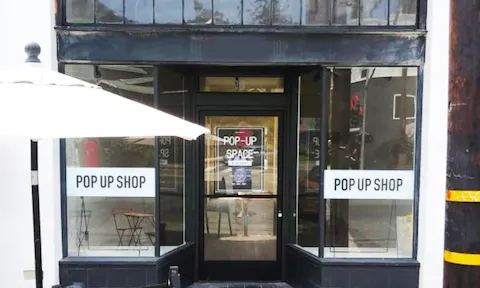

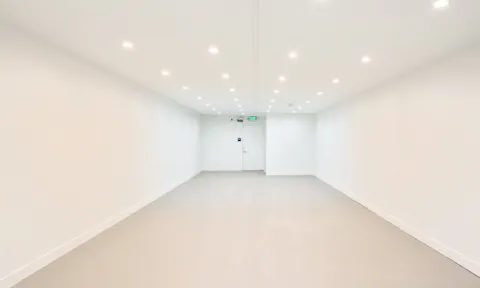
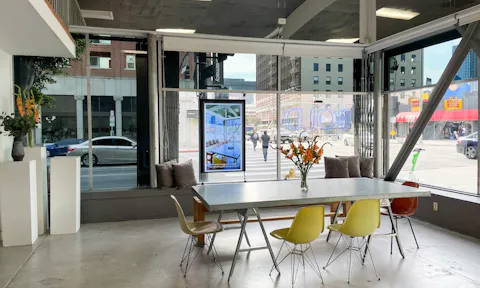
- Flexible retail spaces in Chinatown, Los Angeles |
- Flexible retail spaces in Downtown Los Angeles |
- Flexible retail spaces in Echo Park, Los Angeles |
- Flexible retail spaces in Fashion District, Los Angeles |
- Flexible retail spaces in Hollywood Hills, Los Angeles |
- Flexible retail spaces in Hollywood, Los Angeles |
- Flexible retail spaces in Sherman Oaks, Los Angeles |
- Flexible retail spaces in Silver Lake, Los Angeles |
- Flexible retail spaces in Venice Beach, Los Angeles
Why rent a Pop Up Shop in Los Angeles, United States?
Choosing the right location for retail success is crucial in today's dynamic market. A prime location can significantly influence foot traffic, customer engagement, and overall brand visibility. In an exciting and diverse city like Los Angeles, renting a pop-up shop offers unique advantages that can help brands flourish in a competitive landscape.
One of the primary benefits of renting a retail space in Los Angeles is access to high foot traffic areas. Popular neighborhoods are often bustling with locals and tourists alike, providing ample opportunities for brands to attract new customers. This organic exposure can be invaluable, especially for emerging brands looking to establish themselves. By situating your pop-up shop near iconic landmarks or vibrant commercial districts, you can tap into a ready-made audience that actively seeks out new experiences.
Additionally, Los Angeles is home to several well-known companies and brands that contribute to a robust business ecosystem. Being near these influential players can enhance your brand's credibility and attract potential partnerships. The networking opportunities created by sharing space with other businesses can lead to collaborations that might otherwise be unattainable.
Building a brand presence in a targeted area is another compelling reason to consider a pop-up shop rental. This strategic approach allows you to deepen your brand's connection with the community and develop loyal customer relationships. Engaging directly with consumers helps you gather feedback and insights that can shape your future offerings, making your marketing strategies more effective.
The vibrant commercial areas of Los Angeles offer strategic advantages, including better visibility and increased sales potential. A well-placed pop-up shop can turn casual passersby into eager customers. The excitement of limited-time offerings and experiential marketing can create a sense of urgency that drives sales. Furthermore, a strong presence in a busy area can enhance your brand's reputation, drawing in customers who are curious about what you have to offer.
For businesses considering the benefits of retail spaces, renting a pop-up shop is a flexible option that allows for scalability. Unlike traditional retail leases that may lock you into long-term commitments, a pop-up shop provides the freedom to test concepts and assess market response without the pressure of a significant investment. This adaptability is particularly appealing in a constantly changing retail environment, enabling brands to pivot quickly when necessary.
In conclusion, renting a pop-up shop in Los Angeles presents numerous advantages for brands seeking to establish a foothold in the retail market. With access to high foot traffic, networking opportunities, and the ability to build a brand presence, businesses can capitalize on the city's vibrant commercial landscape. The flexibility of pop-up retail allows for experimentation and growth, making it an ideal choice for those looking to thrive in the ever-evolving world of retail.
How much does it cost to rent a Pop Up Shop in Los Angeles, United States?
Understanding the costs associated with renting a pop-up shop is essential for any brand looking to make an impact in the competitive retail landscape of Los Angeles. With a vibrant mix of culture, entertainment, and innovation, Los Angeles presents a unique opportunity for businesses, but it is vital to grasp the various elements that contribute to retail rental prices before committing your resources.
In Los Angeles, the disparity between rental costs in different locations can be significant. For instance, pop-up retail spaces in high-traffic areas such as Santa Monica or downtown Los Angeles can range from $4,000 to $12,000 a month, depending on the size and visibility of the space. Conversely, renting in suburban areas or neighborhoods with lower foot traffic could see prices drop to between $1,500 and $3,500 a month. These price variations illustrate the importance of location when it comes to the cost to lease a shop.
Factors that influence retail rental costs include location, store size, foot traffic, and overall market demand. Retail spaces situated in bustling shopping districts, surrounded by complementary businesses, often command higher prices due to the increased visibility and potential customer flow. For example, nearby Venice Beach or the Arts District known for their artistic vibe may attract different clientele and therefore have different pricing structures tied to the demographic interests in those areas.
Moreover, the size of the retail space plays a crucial role in determining rental costs. A smaller pop-up shop of around 500 square feet may start at approximately $2,500 to $4,000 in an up-and-coming location, while larger spaces exceeding 1,500 square feet can exceed $10,000 in prime locations. Additionally, market demand can fluctuate based on trends. When there’s an uptick in certain sectors, like health food or sustainable fashion, rents can increase as competition heats up for desirable locations.
Aside from the base rental costs, potential renters should also account for additional expenses. Utilities, security deposits, taxes, and maintenance fees can add considerable costs to the overall budget. It's essential to factor in an average of 10 to 20 percent of the rental costs for these additional expenses. For instance, if the base rent for a pop-up shop is $5,000, one might expect an extra $500 to $1,000 per month in utilities and other incidents, leading to an overall monthly obligation of $5,500 to $6,000.
When planning your budget for a pop-up shop in Los Angeles, it's crucial to set realistic financial expectations. Begin by thoroughly comparing options across different neighborhoods to assess the best fit for your budget and brand. Consulting local experts, including real estate agents who specialize in retail spaces, can offer invaluable insights and help navigate the complexities of leasing commercial properties.
In conclusion, understanding retail store rental prices in Los Angeles is imperative for any brand looking to thrive in this dynamic market. With proper research and planning, you can find a pop-up space that suits your needs while maintaining control over your financial commitments.
Benefits of leasing a Pop Up Shop in Los Angeles, United States?
Benefits of Leasing a Pop Up Shop in Los Angeles
Leasing commercial spaces, especially in a vibrant market like Los Angeles, has become a compelling choice for businesses looking to make an impact without the financial burden of outright ownership. For brands aiming to establish a presence in high-demand areas, leasing allows them to access locations that might otherwise cost millions to purchase. With the retail market continually evolving, leasing provides a cost-effective and flexible solution tailored to the dynamic needs of businesses and individuals.
One of the most significant advantages of leasing a pop-up shop in Los Angeles is the access to prime locations. High-traffic areas, bustling with potential customers, often come with exorbitant price tags for purchase. Leasing enables brands to position themselves strategically without committing their entire budget to real estate. For instance, the cost of prime retail space can range from $3,000 to $25,000 per month, depending on the neighborhood and amenities. This accessibility means brands can experiment with their offerings and test different markets without making a long-term commitment.
Scalability is another key benefit of leasing. As businesses grow, their needs evolve, and having the flexibility to upscale or downsize is invaluable. For example, a small startup can begin with a modest lease and expand to a larger space as their customer base grows. This adaptability also applies to varying lease durations—pop-up shops can be leased for days, weeks, or even months, allowing brands to align their presence with specific events or seasons. Event spaces can be obtained on an hourly or daily basis, with prices typically ranging from $100 to $10,000 based on size and the amenities provided, offering versatility for strategizing marketing efforts.
Furthermore, many leases include maintenance and infrastructure support from landlords, which reduces the burden of day-to-day management for businesses. This support can be crucial, particularly for new brands that may not have the resources to maintain a retail space independently. By leasing, businesses can focus more on their core functions—creating products, engaging customers, and building their brand—while leaving property-related responsibilities to the landlord.
When considering leasing a pop-up shop in Los Angeles, it is essential to assess market trends actively. Understanding the local landscape and how consumer behaviors shift can give businesses a competitive edge in selecting the right location. Calculating total costs, including utilities and potential marketing fees, will provide clarity on budget planning. It is equally important to ensure that the lease aligns with specific business goals, whether that means driving sales during peak seasons, launching new products, or establishing brand identity.
In conclusion, leasing a pop-up shop in Los Angeles presents numerous benefits that cater to the needs of today’s businesses. The combination of access to prime real estate, scalability, maintenance support, and the ability to adapt quickly makes leasing a sensible choice for brands looking to thrive in a competitive landscape. By strategically leveraging these advantages, companies can position themselves for success in the ever-evolving marketplace.
What are the most popular neighborhoods for renting a Pop Up Shop in Los Angeles, United States?
Los Angeles is a vibrant city with diverse neighborhoods that cater to various business types and events. Understanding the local culture, demographics, and market trends is essential for brands looking to thrive in this dynamic environment. Each neighborhood in Los Angeles has its unique characteristics, making it important to choose wisely when renting a pop-up shop.
Creative hubs like Arts District and Silver Lake are ideal for brands that focus on lifestyle and artistic expression. These areas are home to many local designers, artists, and makers. They attract a clientele that appreciates creativity and innovation, making them excellent locations for showrooms and pop-up shops. The foot traffic in these neighborhoods can range from 15,000 to 30,000 daily, particularly during weekends and community events.
If luxury retail is your focus, consider areas like Rodeo Drive or Melrose Place. These high-end districts draw affluent shoppers, making them prime locations for upscale brands. The presence of luxury boutiques and well-known global brands boosts foot traffic significantly, with estimates reaching around 20,000 daily in peak seasons. The atmosphere and surrounding landmarks, such as high-end hotels and fine dining establishments, contribute to a shopping experience that fits luxury retail perfectly.
Warehouse districts tend to be advantageous for hosting events, markets, or pop-up experiences that require larger spaces. Areas like Arts District also have warehouse-style venues that can accommodate varied setups, from art installations to food festivals. With foot traffic heavily influenced by nearby attractions, events in these neighborhoods can draw large crowds, especially if they're located near transportation hubs or popular attractions.
When evaluating neighborhood profiles, businesses should consider nearby landmarks that can drive traffic. Locations close to universities, popular shopping streets, or business centers can enhance visibility and customer flow. For example, spots near the University of Southern California can attract a steady stream of students and faculty, making it a strategic location for brands targeting younger demographics.
Balancing location costs with expected returns is crucial. Prime areas come with higher rental prices, so it's essential to conduct thorough market research to ensure that the potential foot traffic and brand alignment justify the expenses. Consider engaging with local businesses or communities to gauge interest and demand for your products or services.
Key neighborhoods for renting a pop-up shop in Los Angeles include the Arts District, Silver Lake, West Hollywood, Santa Monica, and Downtown Los Angeles. Streets like Melrose Avenue and Rodeo Drive serve as major attractions for luxury and lifestyle brands. Understanding these dynamics can significantly increase your chances of success in the competitive landscape of Los Angeles.
Steps involved in planning a Pop Up Shop in Los Angeles, United States
Planning a pop-up shop in Los Angeles can be a rewarding venture for brands looking to engage directly with customers. However, successful execution requires careful consideration and strategic planning. The first step in this process is to identify the purpose of your pop-up space. Understand whether you're aiming to launch a new product, increase brand awareness, or test a new market. This clarity will guide every subsequent decision.
Next, it is crucial to understand your target audience. Conducting thorough market research is essential to evaluate demand and competition in different neighborhoods of Los Angeles. The diversity and vibrancy of the city mean that the right location can greatly influence your foot traffic and overall success. Look for areas that align with your brand and have a customer base eager for your offerings.
Setting a realistic budget is another key step. Factor in costs such as renting spaces for business growth, inventory, marketing, staffing, and other necessary expenses. Preparing your inventory ahead of the launch will ensure you meet customer demand without overextending your budget.
Marketing and promotion play a vital role in attracting customers to your pop-up shop. Utilize social media, local influencers, and community outreach to create buzz about your event. An effective marketing campaign can significantly enhance visibility and drive foot traffic.
Hiring the right staff is equally important. Trained employees can enhance the customer experience, answer questions about your products, and create an inviting atmosphere. Their presence is crucial for fostering a positive impression and ensuring customers leave satisfied.
Creating an immersive experience for customers is a unique aspect of pop-up shops. Focus on the layout, ambiance, and interactive elements that resonate with visitors. Engaging visuals and enticing product displays can elevate the shopping experience and encourage purchases.
Managing payment transactions securely is vital for operational efficiency. Invest in reliable payment solutions that accommodate various payment methods to streamline the customer checkout process. A smooth transaction experience helps build trust and encourages repeat visits.
Don't forget to analyze the data collected during your pop-up shop. Track sales, customer interactions, and foot traffic to evaluate the effectiveness of your strategies. This analysis can provide insights for future pop-up events and help refine your approach.
Choosing the best locations for commercial spaces in Los Angeles requires careful consideration of different accessibility options, public transport availability, and nearby amenities. These factors significantly influence customer foot traffic and overall convenience.
Consulting local real estate experts can provide valuable insights into available spaces and market conditions. Their expertise can help you find the ideal location that aligns with your business goals. Reviewing lease agreements carefully is equally important to ensure you understand your commitments and obligations.
In conclusion, effective planning for a pop-up shop in Los Angeles involves understanding your purpose and target audience, managing your budget, and executing strategies that engage customers. By aligning location choices with business goals and utilizing the right resources, you can set the stage for a successful venture that resonates with your audience and drives brand growth.
How long should you rent a Pop Up Shop in Los Angeles, United States to achieve your goals?
How long should you rent a Pop Up Shop in Los Angeles, United States to achieve your goals?
When determining how long to rent a pop-up shop, various factors must be considered, including the type of business, its goals, and the intended use of the space. In a vibrant marketplace like Los Angeles, businesses must carefully evaluate rental duration for commercial spaces to maximize their impact and align with their strategic objectives.
For temporary initiatives such as pop-up shops or special events, short-term leases ranging from a few days to a year are typically ideal. These lease lengths allow businesses to test new products, engage with customers, and generate buzz without committing to a lengthy contract. A flexible approach is particularly advantageous in a dynamic market like Los Angeles, where trends can shift rapidly, and customer preferences are ever-evolving.
On the other hand, businesses looking for stability and customer familiarity may benefit from longer lease lengths. Typically spanning three to five years, such leases are better suited for brands that aim to establish a physical presence and create a loyal customer base. This duration enables businesses to invest more in their space and have a consistent brand experience for their customers over time.
Flexible lease options are increasingly becoming the norm, allowing businesses to adapt easily to changing market conditions without being tied down to long-term commitments. This flexibility is especially important for brands testing new markets or concepts, as it reduces the risk associated with fluctuating consumer demands.
When considering rental duration, it is crucial to evaluate your business goals. Are you looking to make a significant splash with a temporary event, or are you aiming to establish a long-term presence in a particular area? Understanding market trends is also essential, as these insights can guide your decision about how long to commit to a space.
Before signing any lease agreement, it is advisable to consult the terms thoroughly. Look for clauses that may impact your plans, such as options for extensions or discontinuation. Aligning your rental timeline with your business objectives can ensure a more successful and rewarding experience in the Los Angeles retail landscape.
In conclusion, the optimal lease length for your pop-up shop hinges on your specific business goals and market dynamics. Balancing the need for flexibility with the desire for stability will significantly impact your success in this bustling city.
How can xNomad help your brand successfully launch a Pop Up Shop in Los Angeles, United States?
Launching a pop-up shop in a vibrant market like Los Angeles offers immense potential for brands looking to enhance their visibility and engage with consumers in unique ways. xNomad stands out as a trusted pop-up retail partner, offering comprehensive solutions that simplify the process of entering this dynamic landscape. The company specializes in providing end-to-end retail solutions tailored to meet the needs of various brands.
One of the key advantages of choosing xNomad is its versatility and flexibility in service offerings. The company understands the urgency and specificity that come with launching a pop-up. Whether it's location scouting, concept design, or marketing, xNomad empowers brands with a streamlined approach that ensures every detail is handled effectively. This all-inclusive service model facilitates a seamless experience for brands as they transition from concept to execution.
xNomad prides itself on its commitment to trust, innovation, and simplicity. By providing move-in-ready spaces, complete with design and furnishing, the company allows brands to focus on what they do best: connecting with customers. With a global presence, xNomad is uniquely positioned to support brands that seek to scale both locally and internationally. This means that whether you are a startup exploring your first market or a well-established entity aiming for broader reach, xNomad provides the infrastructure needed to thrive.
Moreover, xNomad's extensive partnership network plays a pivotal role in revitalizing urban areas through memorable and innovative pop-up experiences. By collaborating with local landlords and stakeholders, xNomad creates spaces that not only benefit brands but also contribute to the vibrant tapestry of the neighborhoods they inhabit. This community-focused approach fosters a deeper connection between brands and consumers, enhancing the overall impact of the pop-up experience.
With a proven track record in delivering successful pop-up experiences for trusted global brands, xNomad affirms its expertise in this arena. The company ensures that every brand it works with receives personalized treatment and is equipped with the tools needed to create engaging, impactful experiences. Their focus on excellent communication and community-building further strengthens their ability to deliver exceptional results.
In conclusion, choosing xNomad for your pop-up shop in Los Angeles means partnering with a full-service agency dedicated to connecting brands to the perfect space. With a focus on innovation and simplicity, alongside a robust support system, xNomad stands ready to help brands navigate the exciting journey of launching successful pop-up retail experiences. Let xNomad be your guide in creating memorable connections with consumers and maximizing your brand's potential in this competitive market.
FAQ
Q: How can brands leverage pop-up shops to test new products in Los Angeles?
A: Pop-up shops in Los Angeles provide an ideal platform for brands to test new products due to the city's diverse consumer base and high foot traffic areas. By renting a short-term retail space, brands can gather direct customer feedback and gauge market interest without long-term commitments. For example, a fashion brand might use a pop-up to introduce a new clothing line and adjust based on customer reactions.
Q: What are the hidden costs associated with renting a pop-up shop in Los Angeles?
A: Beyond base rent, hidden costs for pop-up shops in Los Angeles can include utilities, security deposits, taxes, and maintenance fees, which can add 10-20% to the overall budget. For instance, a $5,000 monthly rent might incur an additional $500 to $1,000 in extra expenses. It's crucial to account for these when planning your budget.
Q: How does renting a pop-up shop in Los Angeles compare to traditional retail leases?
A: Renting a pop-up shop in Los Angeles offers flexibility and lower financial risk compared to traditional retail leases. Pop-ups allow brands to test markets and concepts without long-term commitments, unlike traditional leases that often require multi-year agreements. This adaptability is beneficial in a dynamic market like Los Angeles, where trends and consumer preferences can shift rapidly.
Q: What legal considerations should brands be aware of when renting a pop-up shop in Los Angeles?
A: Brands must review lease agreements carefully, focusing on terms related to duration, extensions, and termination clauses. Understanding local zoning laws and obtaining necessary permits are also crucial. For example, some areas may have restrictions on signage or operating hours, impacting how a pop-up shop can function.
Q: When is the best time to launch a pop-up shop in Los Angeles for maximum impact?
A: Launching a pop-up shop in Los Angeles during peak shopping seasons like the holiday period or summer can maximize impact due to increased foot traffic. Brands should plan 3-6 months in advance to secure prime locations. For instance, a summer-themed pop-up might attract more visitors during the warmer months when outdoor activities are popular.
Q: How can brands ensure a successful pop-up shop launch in Los Angeles?
A: Brands can ensure a successful pop-up launch by conducting thorough market research, selecting strategic locations, and creating engaging customer experiences. Effective marketing and hiring knowledgeable staff are also key. For example, using social media to build anticipation and employing staff who can provide excellent customer service can enhance the pop-up's success.
Q: What role does location play in the success of a pop-up shop in Los Angeles?
A: Location is critical for a pop-up shop's success in Los Angeles, affecting foot traffic and brand visibility. High-traffic areas like Santa Monica or Downtown can attract more visitors, while niche neighborhoods like the Arts District may align better with certain brand aesthetics. Choosing the right location can significantly influence customer engagement and sales.
Q: How can xNomad assist in finding the perfect pop-up shop location in Los Angeles?
A: xNomad simplifies the process of finding the ideal pop-up shop location in Los Angeles by offering a platform that connects brands with available spaces. Their expertise in location scouting and market trends helps brands select sites that align with their goals. For instance, xNomad can help a brand targeting young professionals find a spot in a trendy neighborhood.
Q: What are the advantages of using a pop-up shop to build brand presence in Los Angeles?
A: Pop-up shops help build brand presence in Los Angeles by offering direct consumer engagement and increased visibility in high-traffic areas. They allow brands to create memorable experiences and gather valuable customer insights. For example, a tech company might use a pop-up to demonstrate new gadgets, fostering a deeper connection with tech-savvy consumers.
Q: How can brands measure the success of their pop-up shop in Los Angeles?
A: Brands can measure pop-up shop success through metrics like sales figures, foot traffic, and customer feedback. Analyzing these data points provides insights into consumer preferences and the effectiveness of marketing strategies. For instance, tracking sales during a weekend event can indicate the pop-up's impact on brand awareness and customer interest.
Q: What challenges might brands face when launching a pop-up shop in Los Angeles, and how can they overcome them?
A: Brands may face challenges like high rental costs, competitive markets, and logistical issues when launching a pop-up in Los Angeles. Overcoming these requires careful planning, budgeting, and leveraging local expertise. For example, partnering with local influencers can enhance marketing efforts and attract more visitors to the pop-up.
Q: How can brands use pop-up shops to engage with the Los Angeles community?
A: Brands can engage with the Los Angeles community through pop-up shops by hosting events, collaborating with local artists, and offering exclusive products. This approach fosters community ties and enhances brand loyalty. For instance, a fashion brand might host a local designer showcase, attracting community interest and supporting local talent.
Q: What is a pop-up shop in Los Angeles and how does it work?
A: A pop-up shop in Los Angeles is a temporary retail space that allows businesses to sell products for a limited time. They usually operate in vacant storefronts or high-traffic areas, creating a sense of urgency and excitement. For example, a boutique might use a pop-up to showcase new items during a local event.
Q: How do I find pop-up retail space near me in Los Angeles?
A: To find pop-up retail space in Los Angeles, you can use websites like xNomad or local listings, as well as social media platforms. Networking with other businesses and visiting areas with high foot traffic can also help identify available spaces. Consider searching neighborhoods like Venice or Downtown for unique opportunities.
Q: What types of spaces are available for pop-up shops in Los Angeles?
A: In Los Angeles, various types of spaces are available for pop-up shops, including vacant storefronts, markets, and event venues. These can range from boutique spaces in trendy districts to shared spaces in larger warehouses, allowing flexibility based on your needs. For instance, spaces on Melrose Avenue cater to fashion and lifestyle brands.
Q: How far in advance should I book a pop-up space in Los Angeles?
A: It's advisable to book a pop-up space in Los Angeles at least 2-3 months in advance to ensure availability and secure prime locations. This lead time allows for permits, marketing, and logistics to be arranged properly. Some popular venues may get booked even earlier, especially around holidays.
Q: Can I rent a pop-up space for just one day or one weekend in Los Angeles?
A: Yes, you can rent a pop-up space for just one day or one weekend in Los Angeles. Many locations cater to short-term rentals, making it possible to test the market or coincide with local events. For example, xNomad offers flexible booking options for short-duration uses that suit one-time events.
Q: Do I need a permit to run a pop-up shop in Los Angeles?
A: Yes, you need a permit to run a pop-up shop in Los Angeles. The city has regulations to ensure business compliance and safety. Without a proper permit, you risk fines and having to shut down your shop. For example, temporary permits often are issued for specific durations of operation.
Q: How do I obtain a pop-up shop permit in Los Angeles?
A: To obtain a pop-up shop permit in Los Angeles, you must visit the city’s Office of Finance or their online portal. You’ll need to fill out an application and submit necessary documents, including your business license and location details. Additionally, checking with xNomad may provide resources tailored to your needs.
Q: How long does it take to get a pop-up shop permit in Los Angeles?
A: It typically takes about 2 to 4 weeks to receive a pop-up shop permit in Los Angeles. The timeline may vary depending on the complexity of your proposal and the current workload of the permitting office. It's advisable to apply well in advance of your intended opening date.
Q: Can I operate a pop-up shop without a permit in Los Angeles?
A: No, you cannot legally operate a pop-up shop without a permit in Los Angeles. Running a shop without the required permit can lead to fines and legal penalties, as well as possible shutdown orders. Always ensure compliance with local regulations to avoid complications.
Q: Do I need insurance for a pop-up shop in Los Angeles?
A: Yes, having insurance for your pop-up shop in Los Angeles is advisable. Liability insurance protects you against potential claims from accidents or damages that may occur during your operation. Many venues may also require proof of insurance before allowing your pop-up shop.
Q: Are there any specific permit requirements I should know about before booking a space in Los Angeles?
A: Yes, Los Angeles has specific permit requirements that vary by location and type of business. You'll need to check zoning regulations and any additional permits for health and safety based on your product offerings. Consultation with xNomad can help you navigate this process smoothly.
Q: Does the venue handle permits or is that my responsibility in Los Angeles?
A: Generally, obtaining permits is your responsibility when operating a pop-up shop in Los Angeles. While some venues may assist with the process, it's essential to confirm which permits you'll need and complete the application yourself. Always verify that the venue provides the necessary support.
Q: What are some creative display ideas for a pop-up shop in Los Angeles?
A: Utilize local elements, such as bright murals or vintage-inspired furniture. Incorporate themes that resonate with Angeleno culture, like beach vibes or Hollywood glamour. Using interactive displays can also attract attention, such as photo booths or art installations.
Q: How can I design an eye-catching pop-up stand on a budget in Los Angeles?
A: Source materials from local thrift stores and utilize DIY techniques for signs and decor. Incorporating repurposed items and local artistry can create visual interest without significant costs. For example, using pallets for displays can be both affordable and trendy.
Q: How do I make my pop-up shop social media friendly in Los Angeles?
A: Create Instagram-worthy backdrops and incorporate branded hashtags for visitors to use. Encourage sharing by setting up unique photo ops throughout the shop, and consider live demonstrations to engage with audiences online. Locations such as Melrose Avenue are perfect for capturing social media moments.
Q: What are some pop-up shop table display ideas in Los Angeles?
A: Incorporate tiered displays and transparent acrylic risers to create visually appealing arrangements. Use natural elements like plants or rustic crates to highlight products, reflecting the eco-conscious vibe in LA. Bold, colorful tablecloths that reflect local themes can also enhance the look.
Q: What are the most trending pop-up shop display ideas right now in Los Angeles?
A: Currently, immersive experiences and sustainability-themed displays are popular. Using recycled materials and focusing on local artisans can attract eco-conscious consumers. Trends like experiential marketing are resonating well in areas like Downtown LA.
Q: What furniture or fixtures do I need to set up a pop-up shop in Los Angeles?
A: Essential fixtures include collapsible tables, shelving units, and comfortable seating areas for customers. Incorporating flexible layouts and mobile carts allows easy reconfiguration. Additionally, using vibrant and stylish furniture can enhance the shopping experience in trendy neighborhoods like Silver Lake.
Q: What are the first steps to starting a pop-up shop in Los Angeles for a retail project?
A: The initial steps include conceptualizing your brand and target market. Next, secure permits and licenses required for retail operations in Los Angeles. Creating a timeline and budget will guide your setup. For success, consider using services like xNomad to help streamline the process and connect with local vendors.
Q: Do I need a business plan for a pop-up shop in Los Angeles for a retail project?
A: Yes, a business plan is essential for a pop-up shop in Los Angeles. It outlines your goals, financial projections, and marketing strategies. A well-structured plan can also assist in securing funding and partnerships. Consider including a detailed analysis of competitive pop-up shops in the area to strengthen your approach.
Q: What should I look for when choosing a pop-up shop location in Los Angeles for a retail project?
A: Key factors include foot traffic, visibility, and accessibility in your chosen Los Angeles neighborhood. Look for unique spaces that align with your brand's identity and target audience. Additionally, consider proximity to similar businesses, which can enhance customer draw—Westfield Century City is an example of a high-traffic area.
Q: What are the key benefits of running a pop-up shop in Los Angeles for a retail project?
A: Benefits include the ability to create brand awareness and test new products with minimal long-term commitment in Los Angeles. A pop-up shop allows for direct customer engagement and can build community ties. Additionally, successful setups can lead to permanent locations—many brands have thrived after starting as pop-ups in the local market.
Q: What are the regulatory requirements for a construction project in Los Angeles?
A: The regulatory requirements for a construction project in Los Angeles include obtaining the necessary permits, adhering to building codes, and ensuring environmental compliance. Additionally, projects must go through zoning reviews and neighborhood council consultations. Failure to comply can result in fines or project delays.
Q: How do I find contractors for a renovation project in Los Angeles?
A: To find contractors for a renovation project in Los Angeles, you can search online platforms, visit local hardware stores for recommendations, or consult real estate professionals. Networking through social media or local community groups can also yield reliable contacts. It's essential to check reviews and ask for references before hiring.
Q: What should I consider when planning a pop-up shop for my brand in Los Angeles for a pop-up shop project?
A: Focus on location, target audience, and timing. Ensure your site attracts foot traffic and aligns with your brand values. Pick dates that coincide with local events for maximum visibility. For instance, launching during LA's popular art walk can significantly boost attendance.
Q: How do I choose the right pop-up format for my brand in Los Angeles for a pop-up shop project?
A: Assess your goals and budget to select the right format, like a market stall or storefront. Market stalls are often cost-effective, while storefronts provide a more immersive experience. Choosing based on your brand's image and product type is crucial; for example, xNomad might benefit from a boutique-style store that showcases lifestyle products.
Q: What are the most common mistakes first-time pop-up operators make in Los Angeles for a pop-up shop project?
A: One major mistake is failing to market the event adequately. Operators often underestimate the need for promotion, resulting in low foot traffic. They may also overlook logistics like inventory management or staffing. Learning from others can help; for instance, researching successful pop-ups in LA often reveals the importance of a solid marketing plan.
Q: What are the best locations and setups for outdoor pop-up shops in Los Angeles for a pop-up shop project?
A: Ideal locations in Los Angeles include popular areas like Venice Beach or Echo Park. Setups should focus on visibility and accessibility, utilizing tents for shade and showcasing products effectively. For example, positioning your shop near foot traffic areas can increase customer engagement.
Q: How do I run a pop-up shop outside or on a trail/market route in Los Angeles for a pop-up shop project?
A: Running a pop-up shop outdoors in Los Angeles involves obtaining necessary permits and selecting high-traffic routes, like those in Grand Central Market. Ensure the setup is inviting, with clear signage and an engaging presentation. For instance, regular weekend markets can draw substantial crowds.
Q: What should I consider when doing a pop-up shop at an outdoor event in Los Angeles for a pop-up shop project?
A: When planning an outdoor pop-up shop at events in Los Angeles, consider the weather, your layout, and local regulations. Having a backup plan, such as tents for rain or sun, is crucial. Popular events like food festivals can offer valuable exposure, attracting thousands of potential customers.
Q: What equipment do I need for a pop-up coffee shop project in Los Angeles?
A: For a pop-up coffee shop project in Los Angeles, essential equipment includes espresso machines, grinders, brewers, and portable serving stations. Additionally, you'll need storage containers, cups, and a cash register. Investing in quality equipment can enhance customer experience. Consider using mobile stations or carts for convenience and mobility.
Q: What are the best locations for a pop-up coffee shop project in Los Angeles?
A: The best locations for a pop-up coffee shop project in Los Angeles include busy streets, events like festivals, and areas near college campuses. High foot traffic zones, such as farmers' markets, can also attract customers. Collaborating with local businesses to host the pop-up can expand your reach.
Q: How do I promote a pop-up coffee event on social media for a project in Los Angeles?
A: To promote a pop-up coffee event on social media for a project in Los Angeles, use engaging visuals and local hashtags to draw attention. Create an event page on platforms like Facebook and share behind-the-scenes content on Instagram. Collaborate with local influencers to reach a wider audience.
Q: How do I start a successful pop-up coffee shop project in Los Angeles?
A: To start a successful pop-up coffee shop project in Los Angeles, conduct market research and develop a solid business plan. Permits and licenses are essential, as is choosing an appealing location. Test your menu with a soft launch to gather feedback for improvements and use strategic marketing to build anticipation.
Découvrez nos espaces Scopri i nostri spazi Ontdek onze ruimtes 探索我们的空间