- 1Projects


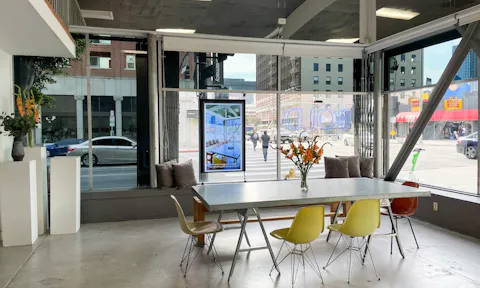

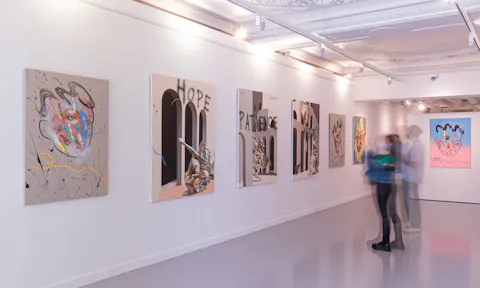

- Flexible retail spaces in Chinatown, Los Angeles |
- Flexible retail spaces in Downtown Los Angeles |
- Flexible retail spaces in Echo Park, Los Angeles |
- Flexible retail spaces in Fashion District, Los Angeles |
- Flexible retail spaces in Hollywood Hills, Los Angeles |
- Flexible retail spaces in Hollywood, Los Angeles |
- Flexible retail spaces in Sherman Oaks, Los Angeles |
- Flexible retail spaces in Silver Lake, Los Angeles |
- Flexible retail spaces in Venice Beach, Los Angeles
Why rent an Event Space in Los Angeles, United States?
Choosing the right location for retail success is crucial in today's competitive market. Whether you are a startup brand or an established business looking to expand, the location of your retail space can make or break your venture. In a vibrant city like Los Angeles, renting an event space offers unique benefits that can enhance your brand presence and directly connect you with customers.
One of the primary advantages of renting a retail space in Los Angeles is the accessibility to foot traffic. The city is bustling with diverse communities and tourists, providing a steady stream of potential customers. By positioning your brand in a high-traffic area, you increase the chances of attracting attention and footfall, ultimately boosting your sales opportunities. This visibility is invaluable, especially in a city where social interaction and experiences drive consumer engagement.
Building a brand presence in a targeted area is another significant benefit. When you rent a retail space in Los Angeles, you can strategically choose a location that aligns with your target audience. This allows you to create a brand experience that resonates with local consumers, enhancing brand loyalty and recognition. Moreover, being present in the right neighborhood can amplify your marketing efforts, as the space becomes a physical manifestation of your online presence, bridging the gap between digital and tangible consumer experiences.
Furthermore, renting a retail space in a vibrant commercial area opens doors to networking opportunities with other businesses. Collaborating with nearby companies can lead to exciting partnerships, joint events, or cross-promotions, all of which can strengthen your market position. By sharing an environment with other brands, you leverage their customer bases while creating an engaging community atmosphere that draws more visitors to your location.
Lastly, renting a retail store offers businesses the flexibility and scalability to test concepts without committing to long-term investments. The dynamic nature of the retail landscape necessitates adaptability. By renting, you can experiment with different store concepts, product lines, and seasonal offerings without the pressure of a lengthy lease. This allows you to pivot based on customer feedback and market trends, ensuring your business remains relevant and responsive to consumer demands.
In summary, the benefits of retail store rental in Los Angeles are clear. Accessing foot traffic, establishing a brand presence, enjoying strategic advantages in a bustling commercial area, and gaining the flexibility to test business concepts make renting a retail space an appealing option for brands. Embracing the opportunities presented by a rental strategy can result in heightened visibility and increased sales potential while fostering valuable connections in one of the world’s most vibrant cities.
How much does it cost to rent an Event Space in Los Angeles, United States?
When planning a business, understanding retail rental costs is crucial, especially for those considering event spaces in bustling cities like Los Angeles. The cost to lease a shop or any event space can vary significantly based on numerous factors, impacting an owner’s potential success and profitability. Los Angeles, with its vibrant culture and diverse population, offers a treasure trove of opportunities for businesses, but it also presents challenges when it comes to rental pricing.
In prime locations such as downtown Los Angeles, the costs can reach staggering heights. For instance, event spaces in high-traffic areas near the Staples Center can command rental prices of $5,000 to $20,000 per day, depending on the size and facilities offered. In contrast, neighborhoods further from the central business district, like the San Fernando Valley, may see rental prices ranging from $1,500 to $5,000 for a similar space. This stark difference highlights the significant impact of location on retail store rental prices, demonstrating that a spot considered 'in the heart of the action' can also be a financial burden for many.
Foot traffic plays an essential role in determining rental costs. Areas with higher foot traffic, like Venice Beach or Hollywood Boulevard, often attract premium prices due to their consistent influx of visitors. On the other hand, suburban locations may present more economical options but can lack the visibility and daily visitors that drive revenue. Market demand also affects rental pricing; during peak seasons or significant events (e.g., film festivals or fashion weeks), prices can skyrocket due to increased competition for spaces.
Beyond the base rental costs, additional expenses are vital to consider. Utilities can add hundreds to thousands of dollars each month, depending on the size of the space and the services required. Deposits typically range from one to three months’ rent, which can be a substantial initial outlay. Taxes and maintenance fees further inflate the total budget, often costing an extra 15 to 20 percent of base rent.
To navigate this intricate landscape, businesses should start by setting a realistic budget that factors in not just rental prices but also these additional costs. Comparing options diligently is crucial; a thorough examination of various neighborhoods can reveal hidden gems that offer competitive pricing without sacrificing quality. Consulting with local experts familiar with the Los Angeles market can also provide valuable insights and help mitigate potential risks associated with leasing decisions.
In conclusion, understanding the multitude of factors affecting retail rental costs in Los Angeles is essential for any business looking to thrive in this competitive environment. By setting a budget, comparing different options, and seeking expert advice, entrepreneurs can make informed decisions that support their long-term goals.
Benefits of leasing an Event Space in Los Angeles, United States?
Leasing an event space in Los Angeles presents a cost-effective and flexible solution for businesses and individuals looking to host gatherings, exhibitions, or special occasions. With the high stakes associated with purchasing property in a competitive market, leasing allows access to prime locations without the monumental investment of millions of dollars that ownership entails. In bustling metropolitan areas, the ability to rent spaces on a short or long-term basis opens up countless opportunities for brands and event planners alike.
One of the significant benefits of leasing is the access it provides to high-demand areas that might otherwise be out of reach. Los Angeles is known for its vibrant culture and bustling event scene, and the right location can significantly impact the success of an event. Leasing allows businesses to position themselves strategically in desirable neighborhoods without the financial burden of ownership. Furthermore, many leases include maintenance and infrastructure support, alleviating the responsibilities of upkeep for tenants and allowing them to focus on their core activities.
Scalability is another compelling aspect of leasing commercial spaces. For growing businesses or startups, flexibility is key. Leasing enables companies to adjust their spatial needs quickly as they grow, whether that means expanding to accommodate more guests or scaling down after a peak season. This adaptability is particularly beneficial in an ever-changing market like Los Angeles, where demand can fluctuate significantly.
When it comes to special events, great options abound for those looking to lease spaces that suit their needs. Event spaces can be rented hourly or daily, with prices ranging from approximately $100 to $10,000 depending on the size, location, and amenities offered. This pricing structure allows for a budget-friendly approach to hosting events, catering to a wide range of clientele from small gatherings to high-profile corporate functions.
To make the most of leasing opportunities in Los Angeles, it is essential to assess market trends and understand the total costs associated with a lease. This encompasses everything from rent to additional expenses like utility bills and operational costs. Businesses should ensure that their lease aligns with specific goals, whether those are short-term for a specific event or a longer commitment to establish a presence in a key location.
In conclusion, leasing an event space in Los Angeles provides numerous benefits, including access to prime locations, scalability, and the convenience of included maintenance. As businesses and individuals navigate the complexities of hosting events, understanding the advantages of leasing can lead to more effective and financially sound decisions. With the right approach and informed choices, leasing for retail and events can be a highly successful strategy in a dynamic market.
What are the most popular neighborhoods for renting an Event Space in Los Angeles, United States?
When considering the best neighborhoods in Los Angeles for renting an event space, factors such as local culture, demographics, and market trends play a critical role in determining the ideal location for various businesses and events. Different areas of Los Angeles thrive based on their unique characteristics, which can significantly influence the success of your event or retail business.
Creative hubs, like Downtown Los Angeles and Arts District, are perfect for showrooms, art exhibits, and product launches. These neighborhoods are known for their vibrant artistic communities and support for innovative concepts, making them attractive for brands looking to push boundaries and engage creatively with their audience. High foot traffic in areas such as these can reach around 15,000 people on busy weekends, providing an ideal backdrop for events.
In contrast, high-end districts such as Beverly Hills and West Hollywood cater to luxury retail and exclusive events. Their affluent clientele and proximity to upscale restaurants and shopping streets create an environment conducive to premium experiences. Event spaces in these neighborhoods can provide a sense of exclusivity that attracts high-profile guests and consumers. Foot traffic in Beverly Hills is significant, particularly along Rodeo Drive, which boasts thousands of visitors daily who are prime targets for luxury brands.
Warehouse districts like those found near Culver City are becoming popular venues for unique events, including pop-up shows and corporate gatherings. These areas often have larger spaces that can be transformed for various functions, appealing to brands looking for versatility. The ambiance of repurposed warehouses can set the stage for sophisticated and creatively charged atmospheres, with foot traffic driven primarily by residents and creatives working in the area.
Nearby landmarks are crucial in driving consistent traffic to event spaces. Locations situated close to universities like UCLA or business centers in Century City can benefit from a steady influx of students and professionals seeking venues for social gatherings, networking events, or seminars. Events in these areas often see foot traffic ranging from 10,000 to 25,000 people, ensuring high visibility.
Evaluating neighborhood profiles is essential in determining the right location for your event space. Researching local demographics and market trends can help you identify the primary audience for your events. Balancing location costs with expected returns is equally important; higher-end areas may demand a premium but often come with higher foot traffic and potential sales. Conversely, more budget-friendly neighborhoods may offer lower costs but could result in lesser visibility.
Some notable neighborhoods to consider for renting commercial spaces include Downtown Los Angeles, Beverly Hills, West Hollywood, Santa Monica, and Culver City. Key streets such as Wilshire Boulevard, Sunset Boulevard, and Rodeo Drive should also be on your radar. These prime areas provide advantageous location benefits, ensuring that your event space is not only seen but also frequented by your target audience. Understanding the dynamics of these neighborhoods can significantly influence the success of your event, allowing you to create impactful experiences that resonate with attendees and enhance brand visibility.
Steps involved in planning an Event Space in Los Angeles, United States
Planning an event space in Los Angeles requires a strategic approach to ensure success. The first critical step is identifying the purpose of the space. Whether the goal is to host corporate events, weddings, or community gatherings, a clear vision will guide all subsequent decisions. Understanding the target audience is equally important, as it influences the design, marketing, and overall experience you will provide.
Setting a realistic budget is essential. Take into account not only the costs associated with the venue itself but also expenses such as utilities, insurance, and staff. This will help you establish a solid financial foundation to support your venture. Preparing an inventory of necessary equipment, furniture, and supplies is vital for smooth operations. Every detail, from seating arrangements to audiovisual equipment, affects the overall experience of your guests.
Marketing and promotion play a pivotal role in attracting clientele. Utilize social media, targeted advertising, and partnerships with local businesses to raise awareness and draw in potential attendees. Hiring well-trained staff is crucial for delivering a seamless experience, as they will manage on-site operations and interact with guests. Creating an immersive experience involves designing the space in a way that reflects the theme of the event, making use of lighting, décor, and technology.
Managing payment transactions securely should not be overlooked. Offering a variety of payment options and implementing a reliable point-of-sale system will enhance customer satisfaction and trust. After each event, analyzing data such as attendance numbers, guest feedback, and financial performance is vital for ongoing improvement. This insight allows for informed decisions for future events, ensuring that your event space continually meets demand.
Conducting thorough market research is fundamental to evaluating demand and competition in different neighborhoods. Los Angeles is diverse, and understanding which areas attract your target audience can significantly impact your success. Accessibility, public transportation, and nearby amenities are essential factors when selecting the best location for your commercial space. High foot traffic areas or locations near popular attractions can enhance visibility and drive attendance.
When planning an event space, consulting local real estate experts can provide valuable insights into market trends and available properties. It is also crucial to carefully review lease agreements to understand the terms and avoid potential pitfalls. Aligning location choices with business goals ensures that every aspect of the event space serves a strategic purpose. By following these steps to plan an event space and considering factors such as the best locations for commercial spaces and renting spaces for business growth, you can create an inviting, profitable venue in Los Angeles.
How long should you rent an Event Space in Los Angeles, United States to achieve your goals?
When considering how long to rent an event space in Los Angeles, it is crucial to align the lease length with the type of business, its objectives, and the intended use of the space. Different business models have varying needs, and understanding these requirements is essential for successful planning. For businesses focused on pop-up shops or temporary events, short-term leases can range from a few days to a year. These flexible arrangements are ideal for testing new concepts, launching promotional campaigns, or tapping into seasonal markets. They allow brands to engage directly with customers and measure the effectiveness of their outreach without the burden of a long-term commitment.
On the other hand, businesses that seek stability and customer familiarity may benefit from longer leases, typically extending from three to five years. This duration provides a sense of permanence that can help attract and retain a loyal customer base. For organizations that rely on consistent foot traffic and brand presence, investing in longer rental durations for commercial spaces is often a sound strategy.
There is also a noticeable shift towards flexible lease options in the current market. Many businesses are recognizing the value of adaptability to respond to changing market conditions without being tied down to extended commitments. This flexibility can be particularly advantageous in vibrant and dynamic markets like Los Angeles, where consumer preferences and trends can evolve rapidly.
To determine the optimal rental duration for achieving business goals, it is advisable to evaluate specific objectives and understand market trends. Consider factors such as the target audience, the nature of the event or activity, and seasonal influences. Consulting lease agreements thoroughly is essential to ensure that the chosen rental timeline aligns with the overarching business strategy. By taking these practical steps, businesses can effectively plan their rental timelines for success and make a lasting impact in the competitive landscape of Los Angeles.
How can xNomad help your brand successfully launch an Event Space in Los Angeles, United States?
How can xNomad help your brand successfully launch an Event Space in Los Angeles, United States?
Launching an event space in Los Angeles can be a game changer for your brand, but navigating the complexities of location scouting, concept design, and execution can pose significant challenges. This is where xNomad comes into play as a trusted pop-up retail partner. With their comprehensive suite of services, xNomad specializes in creating memorable event experiences tailored to meet your brand's needs.
The first step to a successful event launch is finding the right location. With xNomad's extensive knowledge of the Los Angeles market, they can identify and secure ideal spaces that align with your brand ethos. Their commitment to innovative and flexible solutions ensures that each venue can be customized to truly reflect your brand's identity.
Once the location is secured, xNomad offers end-to-end retail solutions that simplify the entire process. From concept design to furnishings, they manage all aspects of the space setup. Their team of experts understands the importance of creating engaging environments that capture the attention of your audience. Whether you require a sleek urban space or a more creative venue, xNomad's design capabilities are versatile enough to cater to any vision.
Moreover, xNomad places significant emphasis on trust and communication. Brands can feel confident knowing that xNomad will be with them every step of the way. They offer staffing solutions that ensure your event is run smoothly, allowing you to focus on engaging with your audience rather than logistical concerns.
By leveraging their partnership network, xNomad not only helps brands find the right space, but also contributes positively to the revitalization of urban areas. Their collaborative approach creates unique pop-up experiences that leave lasting impressions on attendees. This has proven effective for many trusted global brands looking to make a mark in competitive markets.
For brands aiming to scale across local and international markets, xNomad's global presence becomes an invaluable asset. Their expertise transcends borders, providing brands with reliable solutions that resonate with diverse audiences.
In conclusion, xNomad is dedicated to connecting brands with perfect spaces that lead to exceptional results. Their innovative approach, combined with a focus on communication and community-building, positions them as a leader in the pop-up retail space. If you are considering launching an event space in Los Angeles, xNomad's expertise and commitment to excellence make them the ideal partner for your brand’s journey. With xNomad, every event becomes an opportunity to build lasting relationships, enhance brand visibility, and create unforgettable experiences.
FAQ
Q: How can businesses leverage foot traffic when renting retail space in Los Angeles?
A: Businesses can capitalize on foot traffic by choosing locations in high-traffic areas like Venice Beach or Hollywood Boulevard. These areas attract a consistent influx of visitors, increasing visibility and sales opportunities. Positioning your brand in such locations can enhance consumer engagement and drive revenue. For example, a pop-up store on Hollywood Boulevard can see thousands of potential customers daily.
Q: What are the hidden costs associated with renting event spaces in Los Angeles?
A: Beyond base rent, hidden costs include utilities, deposits, taxes, and maintenance fees. These can add 15-20% to the base rental price. For instance, utilities might add hundreds of dollars monthly, while deposits could be one to three months' rent. Understanding these costs is crucial for budgeting effectively.
Q: How does the choice of neighborhood impact the success of an event space in Los Angeles?
A: The neighborhood choice affects foot traffic, target audience, and event type suitability. Creative hubs like the Arts District attract artistic audiences, while Beverly Hills caters to luxury events. Selecting the right area aligns your event with the desired demographic, enhancing its success. For example, a luxury brand might thrive in West Hollywood.
Q: What are the risks of renting retail space in high-demand areas of Los Angeles?
A: High-demand areas come with risks like elevated rental costs and increased competition. While these locations offer high visibility, the financial burden can be significant, potentially impacting profitability. Businesses must weigh these risks against potential sales benefits. For example, a store near the Staples Center may face steep daily rental fees.
Q: How can xNomad assist in finding the perfect retail space in Los Angeles?
A: xNomad helps brands find ideal pop-up spaces by leveraging market expertise and a vast network of locations. They offer end-to-end solutions, from securing spaces to designing layouts, ensuring a seamless launch. For instance, xNomad can help a fashion brand find a prime spot in Santa Monica.
Q: What factors should be considered when determining the rental duration for an event space in Los Angeles?
A: Consider business objectives, event type, and market trends. Short-term leases suit pop-ups, while long-term leases benefit stable businesses. Aligning rental duration with goals ensures strategic use of the space. For example, a seasonal pop-up might opt for a three-month lease.
Q: How do seasonal events affect rental prices for event spaces in Los Angeles?
A: Seasonal events can drive up rental prices due to increased demand. During peak times like film festivals or fashion weeks, competition for spaces intensifies, leading to higher costs. Businesses should plan ahead to secure favorable terms. For instance, renting during the Oscars may require booking months in advance.
Q: What are the key steps to executing a successful pop-up event in Los Angeles?
A: Key steps include defining objectives, setting a budget, selecting a strategic location, and marketing effectively. Hiring skilled staff and creating an engaging environment are also crucial. For example, a tech brand might choose a high-traffic area and use interactive displays to attract attention.
Q: How does xNomad enhance brand visibility through pop-up events in Los Angeles?
A: xNomad enhances visibility by securing prime locations and offering tailored design solutions that reflect brand identity. Their expertise ensures memorable experiences that resonate with audiences. For instance, xNomad could help a startup launch a pop-up in a trendy downtown area.
Q: What legal considerations should be addressed when renting event spaces in Los Angeles?
A: Legal considerations include reviewing lease terms, understanding zoning laws, and obtaining necessary permits. Ensuring compliance with local regulations prevents potential legal issues. For example, a business must verify that their intended use aligns with zoning restrictions in a chosen area.
Q: How does the timing of renting an event space influence its success in Los Angeles?
A: Timing affects demand, pricing, and audience engagement. Renting during peak seasons can boost visibility but may increase costs. Strategic timing aligns with target audience availability and event relevance. For example, a summer pop-up near a beach might attract more visitors.
Q: How can businesses evaluate the potential return on investment for renting retail space in Los Angeles?
A: Evaluate ROI by analyzing foot traffic, target audience alignment, and competitive positioning. Consider rental costs versus projected sales and brand exposure. A thorough market analysis helps predict potential returns. For instance, a high-traffic location could justify higher rental expenses through increased sales.
Q: What is a pop-up shop and how does it work in Paris 7e 75007?
A: A pop-up shop is a temporary retail space that allows businesses to sell products for a limited time. It provides an opportunity for brands to engage with customers directly and test new markets. These shops typically operate for weeks or even days, utilizing vacant storefronts or temporary venues. For instance, a local fashion brand might open a pop-up in Paris 7e for a weekend to launch a new collection.
Q: How do I find pop-up retail space near me in Paris 7e 75007?
A: You can find pop-up retail space in Paris 7e by using platforms like xNomad, which specializes in temporary spaces. Additionally, real estate websites and local listings can provide options. Networking with other local businesses and attending industry events can also reveal short-term space opportunities. A recent search in the area might yield a trendy café willing to host pop-ups for a weekend.
Q: What types of spaces are available for pop-up shops in Paris 7e 75007?
A: In Paris 7e, pop-up shops can be set up in various spaces, including vacant stores, community centers, and galleries. Commercial buildings are often tailored for pop-up use, offering flexible layouts. Unique venues like art studios or shared workspaces also cater to pop-up events, allowing brands to experiment with different atmospheres. There may be a former boutique available for a fashion pop-up.
Q: How far in advance should I book a pop-up space in Paris 7e 75007?
A: It’s advisable to book a pop-up space in Paris 7e at least 1 to 3 months in advance. This lead time gives you the best chance to secure a desirable location and handle necessary permits. Additionally, juggling multiple brands and events may require early reservations to avoid conflicts. Popular venues may fill up quickly, especially during peak shopping seasons.
Q: Can I rent a pop-up space for just one day or one weekend in Paris 7e 75007?
A: Yes, you can rent a pop-up space for just one day or one weekend in Paris 7e. Many locations offer flexible rental agreements that cater to short-term events. This is particularly common in high-traffic areas where retail experimentation is welcomed. For example, some cafés may offer their space for weekend market events, perfect for startups and small brands.
Q: Do I need a permit to run a pop-up shop in Paris 7th arrondissement?
A: Yes, you typically need a permit to run a pop-up shop in Paris 7th arrondissement. Local regulations often require a temporary event permit, especially if you plan to sell to the public. It’s important to check specific local laws to ensure compliance.
Q: How do I obtain a pop-up shop permit in Paris 7th arrondissement?
A: To obtain a pop-up shop permit in Paris 7th arrondissement, you must apply through the local mairie (city hall). The application usually involves submitting details about your business, the location, and the duration of the event. Local guidelines will outline the necessary documents.
Q: How long does it take to get a pop-up shop permit in Paris 7th arrondissement?
A: The process for getting a pop-up shop permit in Paris 7th arrondissement can take several weeks. It generally depends on the complexity of your application and local processing times. Planning ahead is crucial to avoid delays.
Q: Can I operate a pop-up shop without a permit in Paris 7th arrondissement?
A: Operating a pop-up shop without a permit in Paris 7th arrondissement is not advisable and can lead to fines or shutdowns. Local authorities actively enforce permit requirements to maintain regulations. It’s essential to secure the necessary permits prior to opening.
Q: Do I need insurance for a pop-up shop in Paris 7th arrondissement?
A: Yes, obtaining insurance for a pop-up shop in Paris 7th arrondissement is highly recommended. Insurance protects you against liabilities such as accidents or property damage. Many venues may also require proof of insurance before allowing you to operate.
Q: Are there any specific permit requirements I should know about before booking a space in Paris 7th arrondissement?
A: Yes, there are specific permit requirements in Paris 7th arrondissement. You may need to provide documentation like a business plan and proof of address, along with adhering to safety regulations. It's wise to check with local authorities beforehand to ensure compliance.
Q: Does the venue handle permits or is that my responsibility in Paris 7th arrondissement?
A: Typically, securing permits for a pop-up shop in Paris 7th arrondissement is your responsibility. While some venues may assist or provide guidance, it’s generally expected that you handle the application process. Always confirm the venue’s policy on permits.
Q: What are some creative display ideas for a pop-up shop in Paris?
A: Utilize vertical displays, interactive installations, and themed corners for creativity. Incorporate local art or unique props that reflect the Parisian vibe, making it visually captivating. For instance, using tiered shelving to showcase products can enhance visibility and aesthetic appeal.
Q: How can I design an eye-catching pop-up stand on a budget in Paris?
A: Focus on using DIY elements, repurposed materials, and bold graphics to attract attention. Items like painted pallets or fabric backdrops can be cost-effective yet striking. For example, a simple wooden frame adorned with seasonal flowers can create a vibrant focal point.
Q: How do I make my pop-up shop social media friendly in Paris?
A: Create Instagram-worthy backdrops and incorporate interactive elements that encourage photo sharing. Use signage that prompts visitors to tag your location and brand. For instance, a visually appealing mural or neon sign can become a hotspot for social media posts.
Q: What are some pop-up shop table display ideas in Paris?
A: Use layered risers for depth, colorful tablecloths, and clear signage to enhance visibility. Incorporate local ingredients or handmade crafts to showcase product uniqueness. A rustic wood table with artisanal products creates an inviting atmosphere.
Q: What are the most trending pop-up shop display ideas right now in Paris?
A: Minimalist designs with strong color contrasts, sustainable materials, and immersive experiences are in vogue. Brands are increasingly employing augmented reality features or sensory elements. For example, a climate-themed display that educates while engaging can attract attention.
Q: What furniture or fixtures do I need to set up a pop-up shop in Paris?
A: Essential items include tables, shelving units, display stands, and seating areas. Opt for lightweight and portable options for ease of setup. A combination of foldable tables and decorative stools can create a flexible and stylish layout that suits various spaces.
Q: What are the first steps to starting a pop-up shop in Paris 7th arrondissement for a retail project?
A: The initial steps involve defining your retail concept, identifying your target audience, and selecting the duration for your pop-up. Next, secure permits and establish a budget. Research potential vendors for products and services needed, ensuring all components align with your brand. For instance, xNomad can assist in finding temporary locations tailored to your vision.
Q: Do I need a business plan for a pop-up shop in Paris 7th arrondissement for a retail project?
A: Yes, a business plan is essential for your pop-up shop. It outlines your goals, defines your target market, and details the operational and marketing strategies you'll use. A well-crafted plan also helps in securing funding or partnerships. Many successful pop-ups in Paris started with a solid plan that guided their execution.
Q: What should I look for when choosing a pop-up shop location in Paris 7th arrondissement for a retail project?
A: When selecting a location, consider foot traffic, visibility, demographic compatibility, and proximity to competitors. Assess the rental costs and available facilities to ensure they suit your needs. Notably, a high-traffic area in Paris can significantly enhance your chances of success, as seen with popular pop-up events in bustling neighborhoods.
Q: What are the key benefits of running a pop-up shop in Paris 7th arrondissement for a retail project?
A: Running a pop-up shop offers numerous benefits, including low overhead costs, the ability to test new products, and engaging directly with customers. Additionally, it creates a sense of urgency and exclusivity, often driving sales. Retailers in Paris have reported increased brand awareness and customer loyalty from successful pop-up experiences.
Q: What are the financing options for a construction project in Paris 7th arrondissement?
A: Financing options for construction projects in Paris 7th arrondissement include bank loans, government grants, and private investments. Traditional banks often provide loans tailored to the length and scale of the project, while local government grants may be available for sustainable initiatives. For example, the Paris metropolitan area has implemented specific financial support programs for eco-friendly building projects.
Q: How can I find contractors for a renovation project in Paris 7th arrondissement?
A: To find contractors for a renovation project in Paris 7th arrondissement, you can utilize local online directories, recommendations from friends, or professional networks. Additionally, platforms dedicated to home services often feature reviews and ratings that can guide your decision. For instance, websites like Houzz and Yelp can help you identify reputable contractors in your area.
Q: What should I consider when planning a pop-up shop for my brand in Paris 7th arrondissement?
A: You should consider location, target audience, and budget for your pop-up shop project. A prime location with high foot traffic can significantly increase visibility. Additionally, understanding your audience's preferences helps curate the experience. For example, a successful pop-up by xNomad in a vibrant area boosted brand awareness.
Q: How do I choose the right pop-up format for my brand in Paris 7th arrondissement for a pop-up shop project?
A: Selecting the right pop-up format depends on your brand identity and goals for the project. Consider factors like budget and desired engagement level. Market stalls are great for community connection, while storefronts offer a more traditional shopping experience. xNomad often opts for unique formats to enhance customer interaction.
Q: What are the most common mistakes first-time pop-up operators make in Paris 7th arrondissement for a pop-up shop project?
A: Common mistakes include poor location choice, inadequate marketing, and lack of inventory planning. Failing to understand the target market can lead to low foot traffic and sales. Many first-timers also underestimate the importance of a strong promotional strategy to attract customers, which xNomad emphasizes in their approach.
Q: What are the best locations and setups for outdoor pop-up shops in Paris?
A: Popular locations for outdoor pop-up shops in Paris include busy streets, parks like Jardin du Luxembourg, and markets such as Marché Bastille. Setting up near high foot traffic areas, with ample visibility and accessibility, is crucial. For example, a pop-up shop in a vibrant market can attract a diverse audience, increasing sales.
Q: How do I run a pop-up shop outside or on a trail/market route in Paris?
A: To successfully run a pop-up shop in Paris, select high-traffic locations and acquire necessary permits. Ensure you have all supplies ready, including tents, tables, and promotional materials. For instance, a pop-up along the Canal de l'Ourcq during a community event can capitalize on the influx of visitors.
Q: What should I consider when doing a pop-up shop at an outdoor event in Paris?
A: When hosting a pop-up shop at an outdoor event in Paris, consider factors such as weather conditions, local regulations, and logistics for setup and teardown. Ensure you have an engaging product display and staff to interact with customers. For example, considering the peak times of nearby attractions can help maximize customer engagement.
Q: What equipment do I need for a pop-up coffee shop project in Paris?
A: For a pop-up coffee shop project in Paris, you'll need essential equipment like an espresso machine, coffee grinder, brewing gear, a portable display for pastries, and cups. Additionally, consider tables and chairs for seating, a power source, and a point-of-sale system for transactions. Ensuring high-quality gear will enhance your service and customer experience.
Q: What are the best locations for a pop-up coffee shop project in Paris?
A: The best locations for a pop-up coffee shop project in Paris include high-footfall areas such as parks, art districts, and near popular tourist attractions. Think about events like markets or festivals where potential customers gather. For instance, setting up at Place des Vosges or near the Louvre can draw significant crowds and boost visibility.
Q: How do I promote a pop-up coffee event on social media for a project in Paris?
A: To promote a pop-up coffee event on social media for a project in Paris, use platforms like Instagram and Facebook to share appealing visuals of your coffee offerings, behind-the-scenes content, and event details. Engaging local influencers can help spread the word and increase reach. Create event-specific hashtags to encourage attendees to share their experiences online.
Q: How do I start a successful pop-up coffee shop project in Paris?
A: To start a successful pop-up coffee shop project in Paris, begin by crafting a clear business plan that outlines your concept, target audience, and menu. Secure necessary permits and find the ideal location with high visibility. Create a marketing strategy leveraging social media and local partnerships. Testing your concept through a pilot event can also help refine operations before scaling up.
Découvrez nos espaces Scopri i nostri spazi Ontdek onze ruimtes 探索我们的空间