- 1Projects


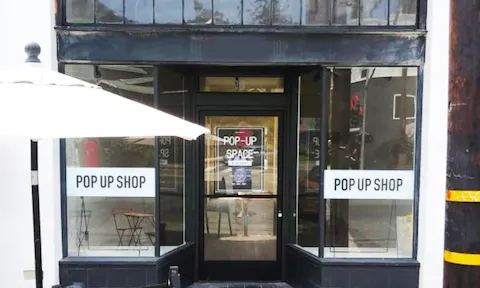

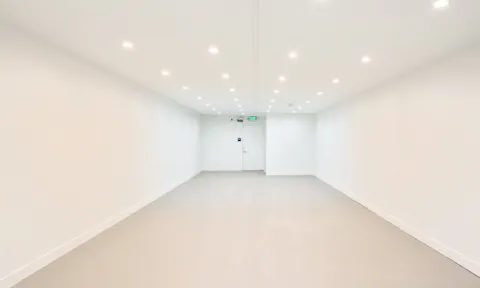
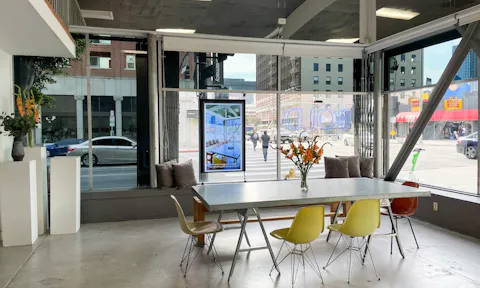
- Flexible retail spaces in Chinatown, Los Angeles |
- Flexible retail spaces in Downtown Los Angeles |
- Flexible retail spaces in Echo Park, Los Angeles |
- Flexible retail spaces in Fashion District, Los Angeles |
- Flexible retail spaces in Hollywood Hills, Los Angeles |
- Flexible retail spaces in Hollywood, Los Angeles |
- Flexible retail spaces in Sherman Oaks, Los Angeles |
- Flexible retail spaces in Silver Lake, Los Angeles |
- Flexible retail spaces in Venice Beach, Los Angeles
Why rent a Retail store in Los Angeles, United States?
Choosing the right location for retail success is critical in today's competitive market, especially in a vibrant city like Los Angeles. As a melting pot of cultures, trends, and innovations, Los Angeles offers a unique opportunity for brands looking to establish themselves and connect directly with customers. Renting a retail store in this bustling metropolis comes with an array of benefits that can significantly enhance your business’s visibility and growth potential.
One of the primary advantages of renting a retail space is access to foot traffic. Los Angeles is known for its high volume of visitors and locals who frequent various commercial areas. By strategically positioning your retail store in a prime location, your brand stands a better chance of attracting potential customers. The direct interaction with shoppers allows businesses to test products, gather feedback, and build rapport with their audience, which is essential for building brand loyalty.
Building a brand presence in a targeted area also provides significant advantages. A retail store situated in a vibrant commercial area benefits from increased visibility. Being part of a lively marketplace allows your brand to stand out amidst the competition. This enhanced visibility leads to increased sales potential, as more customers are likely to walk through your doors. Furthermore, when your shop is located near complementary businesses, you have the opportunity to network and collaborate, which can lead to promotional activities that benefit all parties involved.
Another important factor to consider is the flexibility that comes with renting a retail space. This arrangement allows businesses to scale operations as needed, whether that involves testing new concepts or adjusting to seasonal demands. The option to rent spaces for days, weeks, months, or even years enables brands to adapt to changing market conditions without the burden of committing to long-term leases. This flexibility reduces financial risk, allowing businesses to experiment and evolve based on consumer feedback and market trends.
In conclusion, renting a retail store in Los Angeles offers numerous benefits that can lead to the success and growth of your brand. With access to foot traffic, the ability to build a targeted brand presence, and the strategic advantages associated with being in a vibrant commercial area, businesses can thrive in this dynamic environment. The flexibility and scalability of renting a retail space make it an attractive option for brands looking to innovate and connect with consumers without the heavy commitments of traditional leasing. Embracing the potential of retail store rental can undoubtedly unlock new opportunities in this iconic city.
How much does it cost to rent a Retail store in Los Angeles, United States?
Understanding the costs associated with renting a retail store in Los Angeles is crucial for any brand looking to establish a presence in this vibrant market. Los Angeles, known for its diverse culture and bustling economy, offers a range of options for retail spaces, but the rental prices can vary significantly based on multiple factors.
In the heart of downtown Los Angeles, rental costs can reach as high as $7,000 to $12,000 per month for spaces that benefit from high foot traffic. Comparatively, areas like Santa Monica or West Hollywood may command prices between $5,000 and $10,000 for similarly positioned stores. These city-center locations attract a steady stream of shoppers and tourists, thereby justifying their premium pricing. In contrast, renting a retail space in suburban areas such as the San Fernando Valley may cost significantly less, often ranging from $2,500 to $5,000 per month depending on the proximity to popular shopping centers and overall foot traffic.
Several factors influence these retail rental costs, and understanding them is essential for effective financial planning. Location is perhaps the most significant factor, as stores in high-traffic zones typically cost more due to their visibility and accessibility. Store size also plays a critical role; smaller storefronts naturally have lower rental costs, while larger spaces suitable for flagship stores demand higher prices.
Market demand is another key consideration. For instance, during peak seasons, such as holiday shopping periods, rental costs can surge due to increased demand for retail space. Moreover, external economic conditions can impact rental prices; an analysis by real estate firm CBRE showed fluctuations in commercial rental costs tied to economic trends, with retail experiencing both dips and spikes in correlation with consumer spending patterns.
Additional costs should also be factored into the overall expense of leasing a retail space. Utilities such as electricity and water can add extra monthly expenses, while deposits, typically equivalent to one to three months' rent, are often required upfront. Taxes and maintenance fees also contribute to the overall cost and should be clearly outlined in lease agreements to avoid surprises.
To navigate the complex landscape of retail store rental prices in Los Angeles, potential lessees should consider setting a realistic budget that aligns with their financial capacity and business goals. Comparing various options across different neighborhoods can reveal opportunities for better deals. Consulting with local real estate experts can provide valuable insights into market trends and help identify areas that align with a brand's target audience.
In conclusion, understanding the dynamics of retail rental costs in Los Angeles can empower brands to make informed decisions when seeking their ideal retail space. By considering location, store size, market demand, and additional expenses, businesses can strategically position themselves for success in one of the most competitive retail landscapes in the United States.
Benefits of leasing a Retail store in Los Angeles, United States?
Leasing a retail store in Los Angeles is an increasingly popular choice for businesses looking to establish a presence in one of the most vibrant markets in the United States. With high property values, leasing offers a cost-effective and flexible solution for brands looking to expand or test their concepts. In a city where prime retail locations can command millions of dollars in purchase price, leasing allows businesses to access these high-demand areas without the burden of ownership.
One of the primary benefits of leasing is the ability to scale operations according to market needs. For growing businesses, the flexibility to adjust the size and scope of retail spaces can be invaluable. Instead of committing to a long-term mortgage, brands can opt for leases that suit their current needs, whether that means a short-term lease for a seasonal popup or a longer commitment to establish a permanent storefront. This adaptability can allow businesses to experiment with different locations, helping them identify what resonates with their target customers.
Leases often come with additional benefits, such as maintenance and infrastructure support provided by landlords. This arrangement can significantly reduce operational costs, allowing business owners to focus their resources on marketing and customer engagement rather than building management. Furthermore, leasing can include utilities and common area maintenance, offering peace of mind and predictable budgeting for retail operations.
Event spaces in Los Angeles also provide a unique leasing opportunity. These venues can be booked by the hour or day, with prices ranging from $100 to $10,000 based on size and amenities. This flexibility allows brands to host everything from small gatherings to large-scale events without the long-term commitment of a traditional lease. It creates opportunities for engagement and brand exposure that would be difficult to achieve otherwise.
When considering a lease, it is crucial to assess market trends and the specific goals of the business. Understanding total costs—beyond just rent, including utilities, insurance, and maintenance—is vital for effective budgeting. Moreover, ensuring that the lease terms align with business objectives is essential for long-term success.
In conclusion, leasing a retail store in Los Angeles presents numerous advantages, from access to prime locations to the flexibility needed for growth and innovation. By carefully evaluating available spaces and aligning them with business strategies, brands can leverage cost-effective commercial space rentals to thrive in a competitive landscape.
What are the most popular neighborhoods for renting a Retail store in Los Angeles, United States?
Los Angeles is a dynamic city with a diverse landscape of neighborhoods, each catering to various types of businesses and events. The local culture, demographics, and market trends play a significant role in determining which areas are advantageous for retail establishments. Understanding neighborhood profiles can help brands choose the best locations for showrooms, pop-up shops, and other commercial enterprises.
Creative hubs like Silver Lake and Arts District are thriving environments for brands that focus on artistic expression and innovation. These neighborhoods boast a young, trend-sensitive demographic drawn to unique shopping experiences, making them prime spots for showrooms and concept stores. High foot traffic, particularly on weekends, can exceed 10,000 visitors in these areas, indicating a strong potential for retail success.
On the other hand, luxury retail tends to flourish in high-end districts such as Rodeo Drive in Beverly Hills and Melrose Avenue. These areas attract affluent shoppers looking for exclusive brands and high-quality products. The proximity to upscale dining and boutique hotels enhances foot traffic, which can average around 15,000 visitors on busy days. Establishing a presence in these prime locations signals prestige and builds brand image.
Warehouse districts, such as Downtown Los Angeles, have become popular for event venues and temporary pop-up shops. These areas often have unique architectural features that can enhance the shopping experience and draw in a diverse crowd. Being located near major attractions, convention centers, or stadiums can also lead to increased foot traffic, especially during events. Foot traffic here can vary widely, but populous events can attract thousands in just a few hours.
Understanding the significance of nearby landmarks is crucial in evaluating a neighborhood's potential. Locations close to shopping streets, universities, or business centers can drive consistent traffic, especially if marketing strategies are aligned with local demographics and events. For example, areas near USC or UCLA benefit from student foot traffic, providing opportunities for businesses targeting younger consumers.
When considering location costs versus expected returns, brands should conduct thorough market research and site visits. Analyzing demographics, existing competition, and potential consumer behavior is essential to making informed decisions. Weighing the benefits of location against rental costs can help businesses find the right balance that maximizes profit potential.
Key neighborhoods such as Santa Monica, West Hollywood, and downtown areas like the Arts District and Historic Core offer both vibrant consumer environments and opportunities for high returns on investment. Streets with high foot traffic, like Abbot Kinney Boulevard and Ventura Boulevard, are also recommended for retail spaces that aim to capture the attention of shoppers.
In summary, selecting the right neighborhood can determine the success of a retail venture in Los Angeles. By evaluating local culture, demographics, nearby landmarks, and foot traffic, brands can make informed decisions about where to establish their retail presence. Balancing location costs with expected returns is essential for optimizing the potential for growth and profitability in the competitive Los Angeles market.
Steps involved in planning a Retail store in Los Angeles, United States
Planning a retail store in Los Angeles involves several key steps that can significantly influence the success of your venture. First, it is crucial to identify the purpose of your space. Whether you aim to establish a flagship store, a seasonal pop-up, or a temporary event space, your objectives will drive many of your decisions. Next, understanding your target audience is vital. Conduct thorough market research to determine who your ideal customers are, their shopping habits, and preferences. This understanding will guide your location selection and marketing strategies.
Setting a realistic budget is also a fundamental step in the planning process. Costs can quickly add up, so it is essential to consider not just rent or purchase prices but also expenses related to inventory, design, marketing, staffing, and daily operations. An accurate budget will help you maintain financial control and make informed decisions throughout the process. Once your budget is established, prepare your inventory based on your audience’s needs and ensure you have a diverse range of products that align with your store's concept.
Marketing and promotion play an essential role in attracting customers to your retail space. Develop a comprehensive marketing plan that includes both online and offline strategies, leveraging social media, influencer partnerships, and local events to build awareness. Hiring staff who are skilled and embody your brand values will enhance customer experience and contribute to a positive atmosphere.
Creating an immersive experience for customers is another critical aspect of planning your retail store. This could involve unique store layouts, interactive displays, or special events that engage customers and encourage them to spend more time in your space. While managing operational tasks, secure payment transactions to ensure a smooth checkout experience for customers, using reliable payment systems that prioritize security.
Analyzing data is vital for ongoing business improvement. Track sales patterns, customer feedback, and foot traffic to adjust your strategies and offerings continually. It is also essential to conduct market research to evaluate demand and competition in different neighborhoods across Los Angeles. The importance of accessibility, public transport, and nearby amenities cannot be overstated; these factors can significantly influence customer traffic and overall success. Prioritize locations that have high foot traffic and are easily accessible for your target demographics.
When planning, keep in mind the importance of consulting local real estate experts who deeply understand the market dynamics and can help you identify the best locations for commercial spaces. Reviewing lease agreements thoroughly is essential to avoid pitfalls and understand your commitments. Finally, align your location choices with your overall business goals to ensure that your retail venture meets the long-term objectives you have set. By following these actionable tips, you can create a strategic plan that enhances your chances for success in the competitive retail environment of Los Angeles.
How long should you rent a Retail store in Los Angeles, United States to achieve your goals?
When considering how long to rent a retail store in Los Angeles, the optimal lease length often depends on the type of business, its goals, and the intended use of the space. Retail businesses, event venues, showrooms, and office spaces each have unique requirements that dictate the most effective duration for leasing.
Short-term leases, typically ranging from a few days to a year, are particularly well-suited for pop-up shops or temporary events. These flexible arrangements allow businesses to test new markets, launch products, or create unique customer experiences without committing to long-term obligations. This approach is especially beneficial for brands looking to gauge customer response or establish a presence in a competitive environment.
Conversely, longer leases, usually spanning three to five years, are ideal for businesses seeking stability and a loyal customer base. For those who have a well-defined target audience and a consistent product offering, committing to a longer rental duration allows for brand reinforcement and customer familiarity. It provides the time needed to cultivate relationships and build a reputation in the community.
In recent years, there's been a noticeable shift toward flexible lease options, which cater to the evolving landscape of retail. This flexibility permits businesses to adapt to changing market conditions without the burden of long-term contracts. Many brands appreciate the ability to manage resources effectively, especially in an economy that can be unpredictable.
To determine the appropriate rental duration for commercial spaces, it is essential for businesses to evaluate their goals thoroughly. Understanding market trends, customer demographics, and potential competition plays a critical role in this decision-making process. Furthermore, consulting lease agreements is vital to ensure that the rental duration aligns with the business's objectives.
Ultimately, planning rental timelines for success involves a clear assessment of both short-term needs and long-term aspirations. By discerning the most suitable lease length based on specific business needs, companies can navigate the Los Angeles retail landscape more effectively, aligning their physical presence with their overall strategic vision.
How can xNomad help your brand successfully launch a Retail store in Los Angeles, United States?
When it comes to launching a retail store in Los Angeles, an interconnected city known for its diverse consumer base and vibrant shopping scene, brands need a strategic partner to navigate the complexities of the market. xNomad emerges as a trusted pop-up retail partner that provides a full suite of end-to-end retail solutions tailored to meet specific brand needs. With unmatched expertise in location scouting, concept design, marketing, and operational support, xNomad ensures that launching a retail store in this dynamic city is both seamless and effective.
One of the unique selling points of xNomad is its commitment to flexibility and versatility. Brands can book spaces for a variety of timeframes, be it days, weeks, months, or even years. This flexibility empowers businesses to test new markets, gauge customer engagement, and pivot their strategies without long-term commitments that can burden finances. By bridging the gap between brands and landlords, xNomad transforms temporary venues into fully functional retail spaces that resonate with target audiences.
With a keen focus on trust and innovation, xNomad provides an end-to-end experience for brands launching their retail presence. From initial design concepts to furnishing and staffing, every detail is meticulously handled to create move-in-ready spaces that not only attract foot traffic but also engage customers effectively. The emphasis on simplicity ensures that brands can focus on their core mission while xNomad manages the logistics, allowing for a more productive launch process.
xNomad’s global presence makes it an invaluable partner for brands looking to scale, whether locally in Los Angeles or internationally. Their extensive network includes established relationships with various landlords and property owners, allowing brands to tap into prime locations that enhance visibility and accessibility. This strategic advantage is complemented by xNomad's significant partnership network, dedicated to revitalizing urban areas through inviting and memorable pop-up experiences that leave lasting impressions.
The company's proven track record with globally recognized brands reflects its capability and dedication to delivering exceptional results. Trusted by leading names across various industries, xNomad has built a reputation for being an innovative and effective partner. Each collaboration is marked by excellent communication, ensuring that brand visions are realized and tailored strategies are implemented.
In conclusion, choosing xNomad means aligning with a partner committed to connecting brands with the perfect retail spaces. By focusing on innovation, community-building, and a streamlined experience, xNomad delivers on its promise to facilitate successful retail launches in Los Angeles. Through their expertise, brands can enter the market confidently, knowing they have the support of a seasoned agency that prioritizes their success in a competitive landscape.
FAQ
Q: How can a brand determine the best neighborhood for a retail store in Los Angeles?
A: Brands should evaluate local culture, demographics, and foot traffic to choose the best neighborhood for a retail store in Los Angeles. Areas like Silver Lake and the Arts District cater to trend-sensitive audiences, while Rodeo Drive attracts luxury shoppers. Conducting market research and site visits can help identify optimal locations that align with business goals.
Q: What are the hidden costs associated with renting a retail store in Los Angeles?
A: Hidden costs of renting a retail store in Los Angeles include utilities, deposits, taxes, and maintenance fees. These expenses can add significantly to the monthly rental cost. For example, deposits often range from one to three months' rent. Understanding these costs is crucial for effective budgeting and avoiding unexpected financial burdens.
Q: How does renting a retail space in Los Angeles compare to other major cities?
A: Renting a retail space in Los Angeles often involves higher costs compared to other major cities due to its vibrant market and high foot traffic. However, the potential for increased sales and brand visibility can justify the expense. For instance, prime locations in Los Angeles can cost up to $12,000 per month, similar to New York City but higher than cities like Chicago.
Q: How can a brand effectively plan a retail store launch in Los Angeles?
A: To effectively plan a retail store launch in Los Angeles, brands should identify their target audience, set a realistic budget, and develop a comprehensive marketing strategy. Engaging with local real estate experts and conducting thorough market research can help in selecting the right location. For example, aligning marketing efforts with local events can boost initial foot traffic.
Q: What are the potential risks of renting a retail store in Los Angeles?
A: Potential risks include fluctuating rental prices, economic downturns, and high competition. These factors can impact profitability and long-term viability. For instance, during peak seasons, rental costs may surge, affecting budget planning. Understanding market trends and having a flexible lease can mitigate some of these risks.
Q: How far in advance should a brand secure a retail space in Los Angeles for seasonal events?
A: Brands should secure retail space in Los Angeles 3–6 months in advance for seasonal events like holiday shopping periods. Early booking ensures access to prime locations and favorable terms. For example, securing a space for Black Friday well ahead of time can enhance visibility and sales potential during this high-demand period.
Q: How does xNomad facilitate the process of finding a retail space in Los Angeles?
A: xNomad simplifies the process of finding a retail space in Los Angeles by offering flexible booking options and end-to-end support. They assist with location scouting, design, and operational logistics, allowing brands to focus on their core business. This approach helps brands quickly adapt to market demands without long-term commitments.
Q: What factors should be considered when choosing the lease duration for a retail store in Los Angeles?
A: Factors include business goals, market trends, and customer demographics. Short-term leases are ideal for testing markets, while longer leases suit established brands seeking stability. For example, a pop-up shop might opt for a short-term lease to gauge customer interest, whereas a flagship store may benefit from a longer commitment.
Q: How does seasonality affect retail store rental prices in Los Angeles?
A: Seasonality can lead to fluctuations in rental prices, with costs typically rising during high-demand periods like holidays. This increased demand can drive up prices, making it essential for brands to plan and budget accordingly. For instance, securing a lease before the holiday season can help avoid peak pricing.
Q: What legal considerations should brands be aware of when renting a retail store in Los Angeles?
A: Brands should review lease agreements for clauses on rent increases, maintenance responsibilities, and termination conditions. Understanding these legal aspects can prevent future disputes. Consulting with legal experts ensures compliance and clarity, safeguarding the brand's interests in the competitive Los Angeles market.
Q: What is a pop-up retail shop and how does it work in Los Angeles?
A: A pop-up retail shop is a temporary retail space designed to sell goods or promote a brand. It operates for a limited time in high-traffic areas, often engaging customers with unique experiences. In Los Angeles, these shops can appear in vacant storefronts or community events, attracting foot traffic and creating buzz. Notably, successful pop-ups have included brands like Glossier and Warby Parker.
Q: How can I find pop-up retail space in Los Angeles?
A: You can find pop-up retail space in Los Angeles by using online platforms like xNomad or local listings on social media. Networking with local business groups and attending community events often reveals available spaces. Many property owners also list spaces on websites tailored for short-term leases, increasing visibility for potential renters.
Q: What types of spaces are available for pop-up shops in Los Angeles?
A: In Los Angeles, pop-up shops can be set up in various spaces, including vacant retail storefronts, galleries, and even parks. Some venues are specifically designed for temporary retail, providing flexibility and unique atmospheres. xNomad offers diverse options, from high-visibility shopping districts to chic art spaces that align with different brand identities.
Q: How far in advance should I book a pop-up retail space in Los Angeles?
A: It’s best to book a pop-up retail space in Los Angeles at least one to three months in advance to secure your desired location. This allows time for permits, marketing, and logistical planning. Popular venues can book up quickly, so early planning is crucial for a successful event, especially in busy districts like Downtown or Santa Monica.
Q: Can I rent a pop-up retail space for just one day or one weekend in Los Angeles?
A: Yes, many spaces in Los Angeles offer options for one-day or one-weekend rentals for pop-up retail. This flexibility accommodates small businesses or special events wanting to test a market. Platforms like xNomad provide listings specifically for short-term rentals, making it easy to launch a temporary shop in vibrant areas without a long-term commitment.
Q: Do I need a permit to run a retail pop-up shop in Los Angeles?
A: Yes, you generally need a permit to run a retail pop-up shop in Los Angeles. This is to ensure compliance with local zoning laws and regulations. Failing to obtain the necessary permits can result in fines or the shutdown of your shop.
Q: How do I obtain a pop-up shop permit for retail in Los Angeles?
A: To obtain a pop-up shop permit in Los Angeles, you must submit an application to the city’s Department of Building and Safety. The process may include providing details about your business, location, and duration of the shop. It's advisable to check the city's website for specific guidelines and forms.
Q: How long does it take to get a retail pop-up shop permit in Los Angeles?
A: The time it takes to obtain a retail pop-up shop permit in Los Angeles can vary but typically ranges from a few days to several weeks. Factors affecting the timeline include the completeness of your application and the current workload of the permitting office. Plan ahead to ensure your shop opens on time.
Q: Can I operate a retail pop-up shop in Los Angeles without a permit?
A: No, you cannot legally operate a retail pop-up shop in Los Angeles without a permit. Operating without necessary permits can lead to immediate closure by city officials and potential fines. It's crucial to follow the legal requirements to ensure your business runs smoothly.
Q: Do I need insurance for a retail pop-up shop in Los Angeles?
A: Yes, you typically need insurance for a retail pop-up shop in Los Angeles. Insurance protects against liabilities such as property damage or injuries on-site. Many venues may also require proof of insurance before allowing you to operate your business.
Q: Are there any specific permit requirements I should know about before booking a retail space in Los Angeles?
A: Yes, before booking a retail space for your pop-up shop in Los Angeles, you should be aware of zoning requirements and health regulations. Additionally, some venues may have specific stipulations regarding business hours or occupancy limits, so it's essential to confirm these details with local authorities.
Q: Does the venue handle permits for a retail pop-up shop in Los Angeles, or is that my responsibility?
A: The responsibility for obtaining permits for a retail pop-up shop in Los Angeles typically falls on the business owner. However, some venues may assist with the permitting process. It’s important to discuss these details with the venue to understand their policies and any support they might provide.
Q: What are some creative display ideas for a retail pop-up shop in Los Angeles?
A: Using vibrant colors and interactive elements can elevate your retail pop-up in Los Angeles. Incorporate local art or influencers to draw attention. For example, a mural as a backdrop allows for great photo opportunities, encouraging visitors to share on social media.
Q: How can I design an eye-catching retail pop-up stand in Los Angeles on a budget?
A: Utilize cost-effective materials like cardboard and reclaimed wood for display structures. DIY signage and creative lighting can also enhance the look without breaking the bank. For instance, fairy lights or inexpensive LED strips can create an inviting atmosphere.
Q: How do I make my retail pop-up shop in Los Angeles social media friendly?
A: Create visually appealing focal points and engaging backdrops for photos. Use props or signs with hashtags and your social media handles. For example, set up a photo booth area with props related to your brand to encourage sharing.
Q: What are some pop-up shop table display ideas for retail in Los Angeles?
A: Layered heights on tables can create visual interest, using risers or decorative boxes for products. Drape vibrant fabrics and utilize clear acrylic stands to keep things organized and appealing. For example, a beach-themed pop-up might use sand and shells as part of the display.
Q: What are the most trending pop-up shop display ideas right now in Los Angeles for retail?
A: Trends include immersive experiences that engage multiple senses, such as scents and sounds related to the product. Minimalist designs with eco-friendly materials are also popular. For instance, a vegan brand may use natural wood and plant elements in its displays.
Q: What furniture or fixtures do I need to set up a retail pop-up shop in Los Angeles?
A: Essential fixtures include sturdy tables, racks for clothing, and display cases for accessories or beauty products. Comfortable seating can encourage customers to linger. Consider items from local suppliers like xNomad to ensure quality and support the community.
Q: What are the first steps to starting a retail pop-up shop in Los Angeles?
A: The first steps include conducting market research to identify your target audience in Los Angeles. Next, develop a budget and outline your concept, including products and branding. Lastly, secure necessary permits and plan logistics such as inventory and staffing. Starting with a solid foundation helps ensure a successful venture.
Q: Do I need a business plan for a retail pop-up shop in Los Angeles?
A: Yes, a business plan is essential for a retail pop-up shop in Los Angeles. It helps outline your vision, goals, market analysis, and financial projections. Having a clear business plan aids in securing funding and provides a roadmap to guide your short-term operations and strategy.
Q: What should I look for when choosing a retail pop-up shop location in Los Angeles?
A: When selecting a retail pop-up shop location in Los Angeles, consider foot traffic, demographics, and proximity to competitors. Ideal locations have high visibility and accessibility to attract customers. Conducting site visits and researching local events can also help identify bustling areas.
Q: What are the key benefits of running a retail pop-up shop in Los Angeles?
A: Running a retail pop-up shop in Los Angeles offers benefits such as increased brand awareness and customer engagement. It allows businesses to test markets without long-term commitments and gather feedback. Pop-up shops can create buzz through social media, significantly driving sales during the short term.
Q: What are the benefits of sustainable design for a retail project in Los Angeles?
A: Sustainable design for a retail project in Los Angeles can lead to reduced operational costs and improved customer attraction. Utilizing eco-friendly materials and energy-efficient systems lowers energy bills and aligns with consumer demand for sustainability. For example, incorporating solar panels can decrease electricity expenses significantly.
Q: How can community engagement impact a retail project in Los Angeles?
A: Community engagement for a retail project in Los Angeles can enhance the project’s acceptance and success. It allows developers to understand local needs and preferences, creating a more customer-focused environment. As a result, such projects can see increased foot traffic and brand loyalty within the community.
Q: What challenges do developers face for retail projects in Los Angeles?
A: Developers of retail projects in Los Angeles often encounter zoning regulations and high costs of land. Navigating the complex permitting processes can delay project timelines and increase expenses. For instance, competitive markets can drive land prices up significantly, making financing difficult.
Q: Can technology improve customer experience in a retail project in Los Angeles?
A: Technology can significantly enhance customer experience in a retail project in Los Angeles by providing personalized services and streamlined operations. Implementing mobile payment systems and augmented reality can create a more engaging shopping environment. For example, retailers using smart mirrors can offer tailored recommendations, increasing sales.
Q: What role does location play in the success of a retail project in Los Angeles?
A: Location is crucial for the success of a retail project in Los Angeles, influencing foot traffic and visibility. Prime areas with high population density can lead to greater customer engagement and sales. For example, a store on a busy shopping street is likely to attract more visitors than one in a less trafficked area.
Q: How does design influence consumer behavior in a retail project in Los Angeles?
A: Design plays a vital role in shaping consumer behavior for a retail project in Los Angeles. An appealing aesthetic and logical layout can enhance shopping experiences, encouraging customers to spend more time and money in-store. Studies show that well-designed stores can increase sales by up to 20%.
Q: What should I consider when planning a retail project for my brand in Los Angeles?
A: Consider location, budget, and target audience when planning a retail project in Los Angeles. Choosing a high-traffic area can maximize visibility and sales. Additionally, ensure you have the right permits and a solid marketing plan to attract customers. For example, pop-up events in trendy neighborhoods like Melrose can lead to high foot traffic.
Q: How do I choose the right pop-up format for my brand's retail project in Los Angeles?
A: Assess your brand identity and goals to choose the right pop-up format for your retail project in Los Angeles. Options like market stalls offer a casual vibe, while a storefront provides a professional appearance. The format should align with your target demographic and product type. For example, xNomad's chic pop-up stores often succeed in premium shopping districts.
Q: What are the most common mistakes first-time pop-up operators make in their retail projects in Los Angeles?
A: First-time pop-up operators in Los Angeles often underestimate costs and overestimate foot traffic. They may also lack a clear marketing strategy or fail to engage with customers effectively. Not understanding local regulations can lead to complications. For instance, neglecting to secure permits can halt operations, leading to lost sales.
Q: What are the best locations and setups for a retail project in Los Angeles?
A: Popular locations for outdoor retail pop-up shops in Los Angeles include Venice Beach, Food Truck Parks, and artsy districts like Arts District LA. A successful setup often involves eye-catching displays, functional tents, and ample space for customer interaction. For example, positioning a pop-up near high foot traffic areas can significantly increase visibility and sales.
Q: How do I run a retail project outside or on a trail/market route in Los Angeles?
A: Running a retail pop-up shop outside in Los Angeles requires thorough planning, including acquiring necessary permits and selecting a strategic location, such as farmers' markets or popular walking trails. Engage with customers through interactive experiences and ensure smooth payment processes. For instance, participating in open-air markets like the Original Farmers Market can attract a diverse customer base.
Q: What should I consider when doing a retail project at an outdoor event in Los Angeles?
A: When organizing a retail pop-up shop at an outdoor event in Los Angeles, factor in weather conditions, adequate spacing for customers, and necessary permits for sales. Additionally, incorporating local culture and interests into your offerings can enhance customer engagement. For example, at events like the LA County Fair, showcasing locally-made products tends to resonate well with attendees.
Q: What equipment do I need for a retail project for a pop-up coffee shop in Los Angeles?
A: For a retail project for a pop-up coffee shop in Los Angeles, you'll need essential equipment such as an espresso machine, coffee grinder, brewer, and refrigeration for milk. Additionally, supplies like cups, napkins, and a cash register are necessary. A cart or booth setup can also enhance visibility and customer interaction. Consider starting with a basic setup and expanding based on customer demand.
Q: What are the best locations for a retail project for a pop-up coffee shop in Los Angeles?
A: The best locations for a retail project for a pop-up coffee shop in Los Angeles include popular areas like Downtown, Santa Monica Pier, and the Arts District. High foot traffic regions near offices, parks, and events ensure greater visibility and customer engagement. Seasonal events or festivals can also attract a bustling crowd. Researching local events can enhance sales opportunities.
Q: How do I promote a retail project for a pop-up coffee event on social media in Los Angeles?
A: To promote a retail project for a pop-up coffee event on social media in Los Angeles, utilize platforms like Instagram and Facebook for updates. Post enticing images of your coffee offerings, behind-the-scenes preparations, and event details. Engaging with local influencers may also help spread awareness. Using specific hashtags related to your location and specialty will connect you with nearby coffee enthusiasts.
Q: How do I start a successful retail project for a pop-up coffee shop in Los Angeles?
A: To start a successful retail project for a pop-up coffee shop in Los Angeles, begin by creating a solid business plan that outlines your concept, target market, and budget. Secure necessary permits and find a strategic location. Design an inviting setup that reflects your brand, and consider collaborating with local vendors for products. A unique offering or theme can differentiate you in this competitive market.
Découvrez nos espaces Scopri i nostri spazi Ontdek onze ruimtes 探索我们的空间