- 1Projects


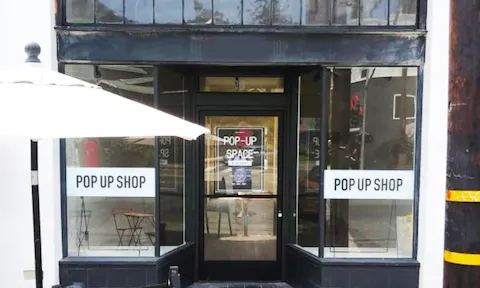

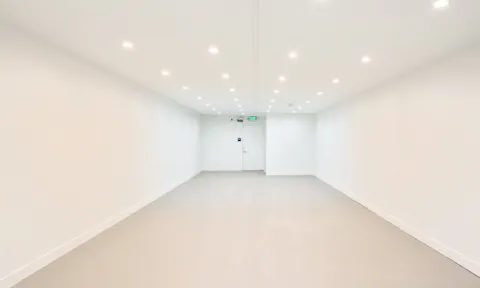
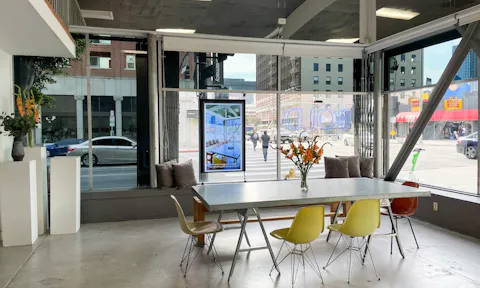
- Flexible retail spaces in Chinatown, Los Angeles |
- Flexible retail spaces in Downtown Los Angeles |
- Flexible retail spaces in Echo Park, Los Angeles |
- Flexible retail spaces in Fashion District, Los Angeles |
- Flexible retail spaces in Hollywood Hills, Los Angeles |
- Flexible retail spaces in Hollywood, Los Angeles |
- Flexible retail spaces in Sherman Oaks, Los Angeles |
- Flexible retail spaces in Silver Lake, Los Angeles |
- Flexible retail spaces in Venice Beach, Los Angeles
Why rent a Showroom Space in Los Angeles, United States?
Choosing the right location is crucial for retail success, especially in a dynamic marketplace like Los Angeles. A well-placed showroom can be the difference between a brand that thrives and one that struggles to make an impact. Renting a showroom space in Los Angeles offers numerous advantages that can enhance a brand's visibility and customer engagement.
One of the primary benefits of renting a retail space in this vibrant city is access to high foot traffic. Los Angeles is known for its bustling streets filled with shoppers, tourists, and locals. By positioning your showroom in a prime location, your business can capture the attention of a diverse demographic, increasing opportunities for sales. Furthermore, being close to popular attractions, historical monuments, and key businesses allows your brand to become part of the local fabric, creating organic connections with potential customers.
Establishing a brand presence in a targeted area is another significant advantage of renting a showroom space. Los Angeles boasts various neighborhoods, each with its unique characteristics and customer base. By selecting the right location, brands can tailor their offerings to meet the specific needs and preferences of the local market. This kind of strategic placement enhances brand recognition and builds loyalty among customers who appreciate the convenience of shopping in their immediate vicinity.
The strategic advantages of being in a vibrant commercial area cannot be overstated. High visibility significantly correlates with increased sales potential. A showroom located in a busy area attracts more foot traffic and visibility, enabling brands to convert casual passersby into loyal customers. Additionally, being surrounded by other businesses creates networking opportunities that can lead to collaborations and partnerships, further expanding a brand's reach in the market.
Renting a retail space also offers flexibility and scalability for businesses. Many established brands are seeking new ways to engage customers and test innovative concepts without committing to long-term leases. Renting a showroom space allows businesses to experiment with different products, marketing strategies, and customer engagement techniques. By booking spaces for days, weeks, months, or even years, companies can effectively find what works best for them before making significant investments.
In conclusion, renting a showroom space in Los Angeles presents numerous retail store rental benefits that can significantly enhance a brand's success. The advantages of retail spaces in terms of visibility, customer engagement, and strategic positioning in a commercial hub like Los Angeles are compelling. Moreover, the flexibility and scalability offered by rental options make it easier for brands to test the waters and adapt to market demands. By choosing to rent a retail space, brands can not only improve their chances of success but also create a lasting impression on their target audience.
How much does it cost to rent a Showroom Space in Los Angeles, United States?
When planning a business, understanding retail rental costs is crucial for making informed financial decisions. Renting a showroom space can vary widely based on location, size, and market demand. In Los Angeles, a city known for its vibrant retail scene, the cost to lease a shop can fluctuate significantly between different neighborhoods and traffic patterns.
In prime locations such as Downtown Los Angeles and West Hollywood, rental costs are typically higher due to increased foot traffic and visibility. In Downtown LA, showroom spaces can range from $4,000 to $15,000 per month, depending on the size and specific location within the area. Areas like Melrose Avenue and Abbot Kinney Boulevard also command premium prices, often exceeding $10,000 per month for competitive spaces. Conversely, suburban areas like the San Fernando Valley may offer more affordable options, with rental costs ranging from $2,000 to $6,000 per month, reflecting lower foot traffic but potentially less exposure.
Several factors directly influence retail rental prices. Location is paramount; spaces in high-traffic zones tend to attract higher rents. For instance, areas with tourist attractions or popular shopping districts will generally see much steeper rental prices. Store size also plays a significant role, as larger spaces can demand higher prices, but also provide opportunities for increased revenue through more inventory or services.
Market demand is another critical factor affecting retail rental costs. In a competitive market with many brands vying for prime locations, landlords can command higher prices. Conversely, during economic downturns or shifts in consumer behavior, rental prices may decrease as supply outstrips demand.
Beyond the base rental price, businesses must also consider additional costs. Utilities, maintenance fees, security deposits, and local taxes can all add substantial amounts to the overall expense of renting a showroom space. For instance, utilities can range from $500 to $2,000 per month, depending on usage, while maintenance fees may add a few hundred dollars more every month.
To navigate the complexities of retail rental costs in Los Angeles, businesses should begin by setting a clear budget based on their financial capabilities and expected return on investment. Researching comparable rental prices in their desired areas is essential for making informed decisions. Engaging with local real estate experts can also provide insights into current market trends and potential hidden costs.
In conclusion, while the cost to lease a showroom space in Los Angeles can vary greatly, understanding the influencing factors can empower businesses to make strategic choices. By considering location, size, market demand, and hidden expenses, retailers can find a balance between cost and potential revenue, ultimately leading to a successful venture.
Benefits of leasing a Showroom Space in Los Angeles, United States?
Benefits of Leasing a Showroom Space in Los Angeles, United States
Leasing commercial spaces, such as showrooms, offers a cost-effective and flexible solution for businesses seeking to establish a presence in competitive markets like Los Angeles. The city is home to a vibrant retail landscape where brands can showcase their products to a diverse clientele. For many businesses, the decision to lease rather than buy a showroom can lead to significant financial advantages. With the average price of commercial real estate in Los Angeles running into millions, leasing becomes an attractive option for entrepreneurs and established brands alike.
One of the primary benefits of leasing a showroom space is access to high-demand areas that may be financially out of reach if purchasing were the only option. A prime location can significantly impact foot traffic and brand visibility, which are essential for retail success. Leasing allows businesses to set up shop in desirable neighborhoods, providing exposure to a larger audience without the upfront capital investment required for purchasing property. This flexibility can lead to increased sales and greater market presence.
Scalability is another key advantage of leasing showroom space. For businesses aiming to grow, the ability to adjust the lease terms as needs change can be crucial. Leasing allows companies to take on larger spaces or different locations as they expand, without the long-term commitment tied to ownership. This aspect of leasing is particularly beneficial for retail establishments that may be testing new markets or launching seasonal products.
Furthermore, many leasing agreements include support for maintenance and infrastructure from landlords. This not only reduces the financial burden on the business but also ensures that the space is kept in optimal condition. It allows retailers to focus on their core business activities rather than worrying about repairs and upkeep, which can be time-consuming and costly.
Leasing event spaces also offers incredible flexibility. In Los Angeles, businesses can rent spaces by the hour or day, with prices ranging widely from as low as $100 to as much as $10,000 depending on the size and amenities offered. This flexibility is ideal for brands hosting launch events, product demonstrations, or promotional activities, providing them with options that align perfectly with their marketing strategies.
When considering leasing commercial spaces, it is essential to conduct thorough market research. Understanding current trends and consumer demands will help assess the best locations and spaces needed for success. Calculating the total costs associated with leasing, including utilities, maintenance, and any potential parking fees, is also important to ensure the lease fits within the budget.
Lastly, aligning the lease with specific business goals is crucial. Whether it is creating an immersive customer experience through a showroom or hosting impactful events, businesses must ensure that their chosen space complements their overall vision. In the dynamic and competitive market of Los Angeles, the benefits of leasing showroom spaces for retail and events can pave the way for success, enabling brands to thrive without the financial strains of property ownership.
What are the most popular neighborhoods for renting a Showroom Space in Los Angeles, United States?
Los Angeles is a sprawling metropolis with diverse neighborhoods that cater to a variety of business needs, including showroom spaces. The local culture, demographics, and market trends play crucial roles in determining which areas are ideal for specific types of businesses. By understanding the unique characteristics of each neighborhood, brands can make informed decisions about where to establish their showroom.
Creative hubs such as Arts District and Downtown Los Angeles are particularly beneficial for showrooms focused on innovative designs or artistic works. These areas attract local creatives and art enthusiasts, creating a vibrant atmosphere that fosters collaboration and inspiration. The presence of art galleries, design studios, and cultural events bolsters foot traffic, making them perfect for businesses that thrive on community interaction.
In contrast, high-end districts like Beverly Hills and West Hollywood are suited for luxury retail showrooms. These neighborhoods are known for their affluent populations and upscale shopping experiences. The proximity to luxury hotels and fine dining establishments enhances the appeal, drawing both local and tourist foot traffic. Businesses in these areas can expect an upscale clientele, which is crucial for high-end product sales.
Warehouse districts such as Pico-Union and Little Tokyo can serve as advantageous event venue locations. These areas often feature large, flexible spaces that can be adapted for pop-up events or product launches. Their unique industrial charm captures the attention of event-goers, making them ideal for brands aiming to create memorable experiences.
Nearby landmarks significantly impact foot traffic and visibility. Showrooms located near shopping streets, universities, or business centers benefit from increased exposure as these landmarks attract large crowds. For instance, areas in proximity to major universities can integrate student-centered marketing, appealing directly to a youthful demographic interested in trendy products.
When evaluating neighborhood profiles for showroom space, consider the surrounding environment, including local businesses, accessibility, and overall safety. High foot traffic areas typically see between 10,000 to 50,000 pedestrians daily, depending on the location. Rent costs in prime areas can be higher; however, these expenses are frequently offset by increased sales potential and brand visibility.
To balance location costs with expected returns, analyze the demographics of the neighborhood, including income levels and population density. Understanding local preferences and purchasing behavior can help determine if a specific area aligns with your target market.
Popular neighborhoods and streets for renting showroom spaces in Los Angeles include Melrose Avenue for its trendy reputation, Santa Monica Boulevard for its accessibility and foot traffic, and Abbot Kinney Boulevard known for its artistic vibe and high-end clientele. The right location can significantly enhance brand reputation and drive sales, making it essential to meticulously research potential neighborhoods and their unique advantages.
Steps involved in planning a Showroom Space in Los Angeles, United States
Planning a showroom space in Los Angeles involves several key steps to ensure success in this vibrant market. The first step is to identify the purpose of the space. Are you looking to showcase products, host events, or provide direct sales? Understanding the specific objectives will help guide the entire planning process.
Next, it is crucial to understand your target audience. Los Angeles is diverse, and knowing who your customers are will influence everything from the design of the space to the marketing strategies you employ. Conducting market research is essential to evaluate demand and assess competition in various neighborhoods. Different areas may have unique characteristics that appeal to specific demographics, so consider factors like local trends and consumer behaviors.
Setting a realistic budget cannot be overlooked. It is essential to account for ranging expenses from leasing the space to utilities, inventory, staff salaries, and marketing needs. Preparing your inventory is another important step. Ensure that your product selection aligns with your target audience's preferences, as well as current market trends.
Marketing and promotion strategies should begin well before the showroom opens. Utilize digital marketing, social media, and local events to create buzz. Engaging your audience through targeted campaigns can help draw customers to your space from the moment you open your doors.
Hiring the right staff is crucial. Your team should be knowledgeable, approachable, and capable of delivering an immersive experience for customers. Creating a welcoming and dynamic showroom will encourage customers to engage with your products.
Managing payment transactions securely is another key aspect of planning your showroom space. Ensuring that payment systems are efficient and trustworthy helps build customer confidence and improve overall sales.
Once your showroom is operational, analyzing the data from sales, customer interactions, and marketing efforts will provide valuable insights. This analysis helps you identify what strategies are effective and what areas may need improvement, allowing you to adapt quickly to changing market conditions.
When evaluating locations, accessibility is a crucial factor. Consider public transport, parking availability, and nearby amenities, as these elements significantly influence foot traffic. High visibility and easy access can make a considerable difference in attracting customers.
Consulting local real estate experts can provide insights into the best locations for commercial spaces in Los Angeles. A professional will guide you through the nuances of each neighborhood and help identify spaces that align with your business goals.
Reviewing lease agreements carefully is vital and can protect you from unexpected costs or restrictions. Aligning location choices with your overall business objectives will ensure you create a space that not only meets current needs but can also grow with your business over time. By following these steps to plan a retail store, you can position your showroom for growth in Los Angeles sustainability.
How long should you rent a Showroom Space in Los Angeles, United States to achieve your goals?
When it comes to renting a showroom space in Los Angeles, the optimal lease length depends significantly on the nature of your business, its objectives, and how you intend to use the space. For brands focusing on retail, events, or showcasing products, understanding the intricacies of rental duration for commercial spaces is crucial for success.
Short-term leases can range from a few days to around a year and are particularly well-suited for pop-up shops or temporary events. These spaces allow businesses to test new markets or launch products without significant long-term commitments. Pop-up concepts often thrive in locations that attract foot traffic, making flexible rental durations advantageous for brands aiming to create a buzz or connect with customers in a transient context.
In contrast, businesses looking for stability and a loyal customer base typically benefit from longer leases, generally between three to five years. Such arrangements provide the consistency needed for establishing operations, building relationships with customers, and refining branding efforts within a designated space. Longer lease lengths allow brands to plan marketing strategies, optimize store layouts, and engage in community-building activities—all essential components for nurturing growth and success.
The rise of flexible lease options has transformed the commercial real estate landscape. More businesses are seeking arrangements that allow them to adjust their commitments according to market trends and shifts in consumer behavior. This flexibility enables brands to remain agile, adapting quickly to changing circumstances without the burden of lengthy contracts.
When considering how long to rent a showroom space, it is essential to evaluate your business goals carefully. Think about the purpose of the showroom—whether it is for product launches, seasonal displays, or brand experiences—and the audience you aim to attract. Understanding current market trends and consumer preferences can aid in determining the most suitable rental duration for your specific needs.
Lastly, thoroughly consulting lease agreements is key in aligning rental duration with your business objectives. Clear insights into the financial implications, renewal terms, and flexibility options will provide a robust framework for planning rental timelines. By taking these factors into account, you can make informed decisions that align with your vision for growth and success in a dynamic market like Los Angeles.
How can xNomad help your brand successfully launch a Showroom Space in Los Angeles, United States?
How can xNomad help your brand successfully launch a Showroom Space in Los Angeles, United States?
Launching a showroom in a vibrant market like Los Angeles can be a daunting task for any brand. However, xNomad offers an exceptional solution with its versatile, efficient, and comprehensive services designed to make the process seamless. As a trusted pop-up retail partner, xNomad specializes in providing end-to-end retail solutions that bridge the gap between brands and landlords, ensuring you have the perfect space to showcase your products.
One of xNomad's unique selling points is its ability to offer flexible booking options, allowing brands to reserve spaces for days, weeks, months, or even years. This adaptability is crucial in a fast-paced environment like Los Angeles, where trends evolve rapidly and businesses must align their strategies accordingly. Furthermore, xNomad takes pride in its commitment to trust, innovation, and simplicity, offering an effortless experience from initial location scouting to the final touches of conceptual design.
The process begins with understanding your brand's specific needs, ensuring that each showroom is tailored to reflect your identity and engage your target audience. xNomad provides move-in-ready spaces complete with design, furnishing, and staffing solutions. This full-service approach eliminates the stress of managing multiple vendors and allows you to focus on what truly matters: building connections with your customers and elevating your brand.
xNomad's extensive global presence sets it apart in the competitive retail landscape. With a robust partnership network that spans various urban areas, the company has a proven track record of revitalizing spaces through innovative pop-up experiences. Brands looking to scale locally or internationally can rely on xNomad as a reliable partner that understands the nuances of diverse markets, particularly the dynamic atmosphere of Los Angeles.
When you choose xNomad, you are not just selecting a space; you are investing in a partnership aimed at delivering exceptional results. The company's collaborations with respected global brands underscore its ability to create impactful showroom experiences that resonate with audiences. By fostering excellent communication and a focus on community-building, xNomad positions your brand for success in the bustling LA market.
Ultimately, launching a showroom space in Los Angeles can be a game-changer for your brand, and choosing xNomad simplifies this journey. With their innovative solutions and keen understanding of retail dynamics, you can trust that your showroom will leave a lasting impression on customers while driving your brand's growth. Engage with xNomad today and discover how they can connect you with the perfect space to showcase your vision and achieve remarkable success.
FAQ
Q: What are the key factors to consider when choosing a showroom location in Los Angeles?
A: Selecting a showroom location in Los Angeles requires considering foot traffic, neighborhood demographics, and proximity to attractions. High-traffic areas enhance visibility, while understanding local customer preferences ensures alignment with brand goals. For instance, a fashion brand might thrive on Melrose Avenue due to its trendy reputation.
Q: How does the seasonality affect showroom rental in Los Angeles?
A: Seasonality impacts showroom rentals in Los Angeles by influencing foot traffic and rental costs. High-demand periods like summer or holiday seasons may see increased prices and competition for prime locations. Brands should plan rentals 3–6 months in advance to secure optimal spaces during peak times.
Q: What are the potential risks of renting a showroom space in Los Angeles?
A: Renting a showroom in Los Angeles poses risks like fluctuating rental costs, market saturation, and legal challenges. High competition can drive up prices, while zoning laws may restrict certain business activities. Engaging with local experts helps navigate these complexities effectively.
Q: How can a brand maximize visibility when renting a showroom in Los Angeles?
A: Brands can maximize visibility by choosing high-traffic locations, utilizing strategic signage, and engaging in local marketing. Collaborating with nearby businesses for cross-promotions can also enhance exposure. For example, a showroom near a popular café can attract additional foot traffic.
Q: How do rental costs vary between different neighborhoods in Los Angeles?
A: Rental costs in Los Angeles vary significantly by neighborhood. Prime areas like Downtown LA and West Hollywood command higher prices, ranging from $4,000 to $15,000 monthly. Suburban areas like San Fernando Valley offer more affordable options, typically between $2,000 and $6,000 per month.
Q: What are the benefits of using xNomad for finding showroom spaces in Los Angeles?
A: xNomad simplifies finding showroom spaces in Los Angeles by offering flexible booking options and move-in-ready solutions. Their platform connects brands with prime locations, ensuring a seamless setup process. xNomad's expertise in pop-up retail helps brands quickly adapt to market demands.
Q: How can a brand effectively market a new showroom in Los Angeles?
A: Effective marketing for a new showroom in Los Angeles involves leveraging social media, hosting launch events, and collaborating with local influencers. Engaging with the community through targeted promotions can attract foot traffic and build brand awareness. For instance, offering exclusive in-store events can draw attention.
Q: What are the advantages of short-term vs. long-term showroom leases in Los Angeles?
A: Short-term leases offer flexibility for pop-up events and market testing, while long-term leases provide stability for brand establishment. Short-term leases suit brands exploring new markets, whereas long-term leases benefit those seeking consistent customer engagement and operational continuity.
Q: How can a brand ensure a showroom space aligns with its business goals?
A: Ensuring alignment involves evaluating location demographics, setting clear objectives, and designing the space to reflect brand identity. Conducting market research and consulting experts can guide decision-making. For example, a tech brand might prioritize proximity to innovation hubs for strategic positioning.
Q: What are the legal considerations when renting a showroom space in Los Angeles?
A: Legal considerations include understanding lease terms, zoning regulations, and compliance with local business laws. It's crucial to review contracts thoroughly and consult legal experts to avoid potential disputes. Ensuring adherence to city ordinances helps prevent operational disruptions.
Q: What is a pop-up shop and how does it work in los-angeles-downtown-la mall?
A: A pop-up shop is a temporary retail space that allows businesses to sell products for a limited time. These shops can offer exciting new experiences and products, attracting both customers and tenants. In downtown LA, you might find pop-ups in popular shopping malls with foot traffic from locals and tourists.
Q: How do I find pop-up retail space near me in los-angeles-downtown-la mall?
A: You can find pop-up retail space by using platforms like xNomad or other local listing sites that cater to temporary retail in shopping malls. These platforms often provide search filters to narrow down your options. Many malls in downtown LA regularly feature pop-up opportunities for various projects.
Q: What types of spaces are available for pop-up shops in los-angeles-downtown-la mall?
A: Available spaces for pop-up shops include kiosks, vacant retail units, and common areas within shopping malls. These settings provide a variety of atmospheres, from high-traffic spots to more intimate locations. Some downtown LA malls have dedicated areas specifically designed for pop-up experiences.
Q: How far in advance should I book a pop-up space in los-angeles-downtown-la mall?
A: It's advisable to book a pop-up space at least 1 to 3 months in advance for a downtown LA mall. This timeline allows you to ensure the availability of desirable locations and to plan your marketing effectively. Notably, popular seasons, like holiday shopping, may require even earlier bookings.
Q: Can I rent a pop-up space for just one day or one weekend in los-angeles-downtown-la mall?
A: Yes, many malls in downtown LA offer the option to rent pop-up spaces for a single day or weekend. This flexibility is ideal for events, product launches, or testing markets. Some companies like xNomad specialize in short-term pop-up rentals to accommodate diverse business needs.
Q: Do I need a permit to run a pop-up shop in Downtown Los Angeles mall?
A: Yes, you need a permit to operate a pop-up shop in Downtown Los Angeles. The city requires businesses to follow local regulations, which typically include obtaining a temporary seller's permit. Not securing a permit can lead to fines and legal issues, which may hinder your business operations.
Q: How do I obtain a pop-up shop permit in Downtown Los Angeles mall?
A: To obtain a permit for a pop-up shop in Downtown Los Angeles, you typically need to apply through the city’s Office of Finance or the Department of Building and Safety. The application process may require a description of your business and how long you plan to operate. You can submit the application online or in person.
Q: How long does it take to get a pop-up shop permit in Downtown Los Angeles mall?
A: The process to secure a pop-up shop permit in Downtown Los Angeles usually takes 1 to 4 weeks, depending on the complexity of your application and current city workload. It's essential to plan ahead, as delays can occur if additional documentation is needed, impacting your timeline.
Q: Can I operate a pop-up shop without a permit in Downtown Los Angeles mall?
A: No, you cannot legally operate a pop-up shop in Downtown Los Angeles without a permit. Doing so can result in fines or even shutdown by city enforcement. Always ensure you comply with local regulations to avoid potential complications.
Q: Do I need insurance for a pop-up shop in Downtown Los Angeles mall?
A: Yes, obtaining insurance for your pop-up shop in Downtown Los Angeles is highly advisable. Liability insurance protects you against accidents or damages that may occur during your operations. Depending on the venue, you may also be required to provide proof of insurance before setting up your shop.
Q: Are there any specific permit requirements I should know about before booking a space for a pop-up shop in Downtown Los Angeles mall?
A: Yes, prior to booking a space for your pop-up shop in Downtown Los Angeles, you should check specific zoning regulations and required permits for that venue. Some locations may have unique rules or restrictions that can affect your plans. Always consult the local city website for detailed information.
Q: Does the venue handle permits for a pop-up shop in Downtown Los Angeles mall, or is that my responsibility?
A: Typically, securing permits for your pop-up shop in Downtown Los Angeles is your responsibility. While some venues may assist or offer guidance, it ultimately falls on the business owner to ensure all necessary permits are obtained before operating. Always confirm with the venue’s management for any specific assistance they might provide.
Q: What are some creative display ideas for a pop-up shop in Los Angeles mall?
A: Incorporating local art and vibrant colors can boost the visual appeal of your pop-up shop. Use interactive displays that encourage customer engagement, such as photo ops or DIY stations. For example, in recent LA pop-ups, brands utilized murals or local artists to create dynamic backdrops that attracted foot traffic.
Q: How can I design an eye-catching pop-up stand on a budget in Los Angeles mall?
A: Utilize repurposed materials and simple DIY elements to create an attractive pop-up stand without overspending. For instance, pallets can serve as display tables, and fabric can add a pop of color to the backdrop. Many successful LA pop-up shops have effectively used thrift store finds to create trendy aesthetics.
Q: How do I make my pop-up shop social media friendly in Los Angeles mall?
A: Create visually appealing setups that encourage social media sharing, like unique backdrops or Instagrammable installations. Use branded hashtags and signage to promote sharing. For instance, a recent pop-up in downtown LA had a neon sign encouraging visitors to post their experiences, boosting online visibility.
Q: What are some pop-up shop table display ideas in Los Angeles mall?
A: Consider using tiered table layouts to create visual interest and promote product variety. Add props related to the brand theme or seasonal decorations to enhance the atmosphere. A successful approach seen in LA involved themed tables that told a story about the brand, captivating shoppers.
Q: What are the most trending pop-up shop display ideas right now in Los Angeles mall?
A: Trendy pop-up displays now often feature sustainability themes, interactive experiences, and local collaborations. For instance, LA brands are increasingly showcasing eco-friendly products with recycled materials in their displays, attracting eco-conscious consumers while standing out in the mall environment.
Q: What furniture or fixtures do I need to set up a pop-up shop in Los Angeles mall?
A: Essential items include display tables, shelving units, and comfortable seating for customer interaction. Additionally, consider portable fixtures like collapsible racks for easy setup and teardown. Many LA pop-ups have successfully used modular furniture to aid flexibility and space optimization.
Q: What are the first steps to starting a pop-up shop in Los Angeles for a mall project?
A: The first steps involve identifying your target market and securing necessary permits. You should consider product selection, budget planning, and creating a marketing strategy. Engaging with platforms like xNomad can help streamline this process and find the right venue.
Q: Do I need a business plan for a pop-up shop in Los Angeles for a mall project?
A: Yes, a business plan is essential for a pop-up shop as it outlines your vision, goals, and operational strategies. This document helps in securing funding and ensures all aspects, from marketing to logistics, are addressed. Having a solid plan can significantly increase your chances of success.
Q: What should I look for when choosing a pop-up shop location in Los Angeles for a mall project?
A: When selecting a location, consider foot traffic, target demographics, and proximity to complementary stores. A site with high visibility and accessibility can enhance your brand exposure and customer engagement. Research local competitor presence and customer preferences to make an informed decision.
Q: What are the key benefits of running a pop-up shop in Los Angeles for a mall project?
A: Key benefits include enhanced brand visibility, the ability to test new products, and lower operating costs compared to traditional retail. Pop-up shops create a sense of urgency and exclusivity, which can drive customer interest and sales. Many brands have successfully used this model to reach targeted audiences quickly.
Q: What are the financing options for a mall project in Los Angeles?
A: Financing options for a mall project in Los Angeles include traditional bank loans, private equity investments, and government grants. Developers often seek funding from multiple sources to cover construction and operational costs. For instance, private equity firms can provide significant capital, while local government can offer incentives for development to stimulate the economy.
Q: What zoning regulations affect a mall project in Los Angeles?
A: Zoning regulations affecting a mall project in Los Angeles typically include land use designations, height restrictions, and parking requirements. These regulations are crucial for ensuring that the mall fits harmoniously into the urban landscape. For example, a developer must comply with specific codes that dictate the allowable square footage and types of businesses permitted within the shopping center.
Q: What are the typical costs associated with a mall project in Los Angeles?
A: Typical costs associated with a mall project in Los Angeles can range from $200 to $500 per square foot, depending on location and design. Construction expenses, permits, and land acquisition are key components of the overall budget. For example, a mid-sized mall at 100,000 square feet could cost between $20 million and $50 million to develop.
Q: What environmental considerations are necessary for a mall project in Los Angeles?
A: Environmental considerations for a mall project in Los Angeles include assessing air quality, water usage, and potential impacts on local wildlife. Developers must conduct thorough environmental impact studies to comply with state regulations. For instance, incorporating green building materials and sustainable practices can help minimize ecological footprints and align with Los Angeles' sustainability goals.
Q: What are the expected foot traffic numbers for a mall project in Los Angeles?
A: Expected foot traffic numbers for a mall project in Los Angeles can vary widely but often range from 5,000 to 15,000 visitors daily during peak periods. These figures are essential for estimating sales potential and overall tenant interest. For example, a successful mall in a high-density neighborhood might attract significantly more foot traffic compared to one in a less populated area.
Q: What should I consider when planning a pop-up shop for my brand in Los Angeles for a mall project?
A: Consider the location's foot traffic, target audience, and overall brand alignment. Understanding the demographics of shoppers in Los Angeles can help tailor your offerings to meet their interests. Additionally, think about logistics such as lease duration and design. Research shows effective pop-ups can achieve a 20% increase in brand visibility.
Q: How do I choose the right pop-up format for my brand in Los Angeles for a mall project?
A: Evaluate your product and target customer when selecting a pop-up format in Los Angeles. A market stall might suit local artisan products, while a storefront may be better for established brands needing significant visibility. Different formats serve distinct customer interactions and sales experiences. For instance, a prominent storefront in Los Angeles can enhance brand credibility.
Q: What are the most common mistakes first-time pop-up operators make in Los Angeles for a mall project?
A: First-time operators often underestimate the importance of marketing and location choice in Los Angeles. Failing to promote the event effectively or selecting a low-traffic area can lead to disappointing sales. Many also overlook the necessity of a cohesive brand experience. Research indicates that a well-promoted event can exceed sales targets by 30%.
Q: What are the best locations and setups for outdoor pop-up shops for a mall project in Los Angeles?
A: Ideal locations for outdoor pop-up shops in Los Angeles include high-footfall areas like Venice Beach, Santa Monica Pier, and popular farmers' markets. Setups should focus on eye-catching displays, clear signage, and accessible payment options. A sturdy tent or canopy for shade and elements like seating can enhance the experience, attracting more visitors.
Q: How do I run a pop-up shop outside or on a trail/market route for a mall project in Los Angeles?
A: To run a successful outdoor pop-up shop in Los Angeles, you should choose a busy trail or market route, such as the Arts District or Hollywood Boulevard. Promote the event through social media and local flyers. Ensure compliance with local regulations, and have enough staff for customer interaction and inventory management to optimize sales.
Q: What should I consider when doing a pop-up shop at an outdoor event for a mall project in Los Angeles?
A: Consider factors like weather conditions, local permits, target demographics, and logistical support when planning a pop-up shop at an outdoor event in Los Angeles. Additionally, think about the best time to set up, visibility of your booth, and the availability of utilities like power and water. Engaging activities or promotions can also elevate your presence.
Q: What equipment do I need for a pop-up coffee shop in Los Angeles for a mall project?
A: You need essential equipment such as an espresso machine, grinder, coffee brewer, and portable point-of-sale system. Additionally, consider investing in a milk frother and brewing accessories. Adequate storage for coffee beans and cups is also necessary. For instance, a quality espresso machine can cost between $5,000 to $15,000, depending on the features.
Q: What are the best locations for a pop-up coffee shop in Los Angeles for a mall project?
A: Ideal locations include high-traffic shopping centers, areas near popular attractions, and busy mall food courts. These spots attract a steady flow of potential customers looking for a quick coffee fix. Targeting malls with a strong emphasis on food experiences can enhance foot traffic to your pop-up.
Q: How do I promote a pop-up coffee event on social media for a mall project in Los Angeles?
A: Create engaging content, including photos of your coffee offerings and event teasers, and share them on platforms like Instagram and Facebook. Utilize local hashtags and consider partnerships with local influencers to amplify your reach. Running targeted ads can also help to inform potential customers in the Los Angeles area about your event.
Q: How do I start a successful pop-up coffee shop in Los Angeles for a mall project?
A: Start by conducting market research to understand consumer preferences and identify suitable locations. Develop a unique coffee menu that stands out and create a business plan outlining your costs and marketing strategies. For example, collaborating with xNomad can help navigate pop-up logistics in a busy mall environment.
Découvrez nos espaces Scopri i nostri spazi Ontdek onze ruimtes 探索我们的空间