


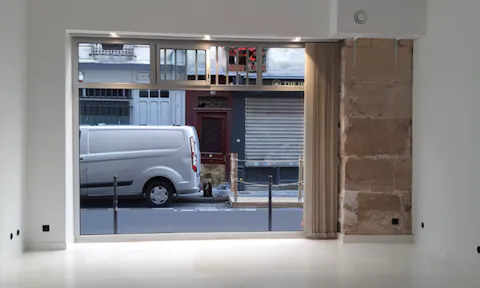
- Flexible retail spaces in 10th arrondissement of Paris |
- Flexible retail spaces in 11th arrondissement of Paris |
- Flexible retail spaces in 12th arrondissement of Paris |
- Flexible retail spaces in 13th arrondissement of Paris |
- Flexible retail spaces in 14th arrondissement of Paris |
- Flexible retail spaces in 15th arrondissement of Paris |
- Flexible retail spaces in 16th arrondissement of Paris |
- Flexible retail spaces in 17th arrondissement of Paris |
- Flexible retail spaces in 18th arrondissement of Paris |
- Flexible retail spaces in 19th arrondissement of Paris |
- Flexible retail spaces in 1st arrondissement of Paris |
- Flexible retail spaces in 20th arrondissement of Paris |
- Flexible retail spaces in 2nd arrondissement of Paris |
- Flexible retail spaces in 3rd arrondissement of Paris |
- Flexible retail spaces in 4th arrondissement of Paris |
- Flexible retail spaces in 5th arrondissement of Paris |
- Flexible retail spaces in 6th arrondissement of Paris |
- Flexible retail spaces in 7th arrondissement of Paris |
- Flexible retail spaces in 8th arrondissement of Paris |
- Flexible retail spaces in 9th arrondissement of Paris
Why rent a Boutique ephemere in Paris, France?
Choosing the right location for retail success is crucial in today's competitive marketplace. One of the most exciting trends in retail is the concept of pop-up shops, particularly in vibrant cities like Paris. Renting a boutique ephemere, or a temporary retail space, in Paris offers numerous advantages that can enhance your brand visibility and customer engagement.
One of the primary benefits of renting a retail space in Paris is the access to significant foot traffic. Paris is a global hub for tourism and business, attracting millions of visitors each year. This influx of potential customers can dramatically increase your sales potential, making it an ideal location for brands looking to showcase their products. Additionally, being situated near iconic landmarks and historical monuments can further boost your brand's visibility and appeal.
Establishing a presence in such a prestigious city allows brands to connect directly with their target audience. Engaging with customers in-person fosters meaningful relationships and enhances brand loyalty. When customers can experience your products firsthand, it creates a deeper connection that online shopping alone cannot replicate. Renting a boutique ephemere offers a unique opportunity to showcase your brand in an inviting environment that draws in curious passersby.
The strategic advantages of being in a vibrant commercial area cannot be overstated. Greater visibility leads to increased sales potential, as customers are more likely to stop in and browse when they see an attractive shop. Moreover, being in a well-trafficked area connects you with other businesses, creating networking opportunities that could lead to potential collaborations or partnerships. The spirit of innovation and commerce permeates the streets of Paris, and engaging with nearby businesses can foster a community of support and shared success.
Renting a boutique ephemere provides the flexibility and scalability that many businesses need in today’s fast-paced retail environment. It allows brands to test new concepts without the long-term commitment associated with traditional leases. Whether you want to experiment with a new product line, gauge customer reactions to a curated selection, or simply test the waters in a new market, a temporary retail space is the perfect solution. This approach minimizes risk while maximizing the ability to adapt and grow based on real-time customer feedback and trends.
In conclusion, renting a boutique ephemere in Paris offers a multitude of benefits, from increased visibility and access to foot traffic to the ability to connect directly with customers. The flexibility of short-term rentals allows brands to explore new concepts without significant long-term investments. For brands looking to make an impactful statement in the retail world, the advantages of retail spaces in such a vibrant city cannot be overlooked. Embrace the opportunity to establish your brand in one of the world's most iconic locations and witness firsthand the benefits that come from stepping into the Parisian retail scene.
How much does it cost to rent a Boutique ephemere in Paris, France?
When planning a business, particularly in the vibrant retail landscape of cities like Paris, understanding retail rental costs becomes crucial. A well-thought-out approach to renting a boutique ephemeral can significantly affect profitability and brand visibility. The cost to lease a shop in a bustling city center like Paris can vary dramatically based on several factors, including location, store size, and foot traffic.
In Paris, rental prices for boutique spaces in prime locations such as Rue du Faubourg Saint-Honoré or the Marais district can reach upwards of 1,500 to 3,000 euros per square meter annually. These areas are renowned for their high foot traffic and attracting both locals and tourists, making them highly sought after. Conversely, in more suburban or lower-traffic areas, rental costs can drop to around 600 to 1,200 euros per square meter. For example, in the district of Belleville, prices are generally more affordable, offering a chance to attract a creative clientele without breaking the bank.
Several factors influence retail rental prices in Paris. Location is paramount, as spaces located near popular attractions or transport hubs tend to command higher rents due to the increased shopper traffic. Store size also plays a critical role; a larger space in a prime location may be more desirable but will inherently come with a higher price tag. Additionally, market demand fluctuates, especially in trendy neighborhoods, where new businesses are opening regularly, pushing prices higher.
Beyond the base rental prices, other costs must be considered. Utilities can add anywhere from 200 to 500 euros per month, depending on the size of the space and the business's operational needs. Security deposits typically equal one to three months' rent, while maintenance fees and local taxes can further impact the overall cost of leasing a boutique. Understanding these additional expenses is essential for budgeting accurately.
For entrepreneurs considering renting a boutique ephemeral in Paris, setting a realistic budget is crucial. Start by researching different neighborhoods to understand the going rates and demand. Compare multiple options to identify which location offers the best balance of cost and visibility. Consulting with local experts or real estate agents can provide valuable insights into the rental market and help navigate negotiations effectively.
Ultimately, knowing the various factors affecting retail rental costs and performing diligent research on the rental landscape will empower business owners to make informed decisions about their boutique ephemeral in the heart of Paris. With the right approach, a well-placed boutique can thrive in this iconic city.
Benefits of leasing a Boutique ephemere in Paris, France?
Benefits of Leasing Commercial Spaces
Leasing commercial spaces, particularly in vibrant markets like Paris, offers a cost-effective and flexible solution for businesses and individuals in search of locations such as retail stores, event venues, showrooms, or offices. In a city renowned for its fashion, culture, and art, securing a prime location can be prohibitively expensive for many brands. Studies show that leasing can reduce upfront capital requirements, allowing businesses to allocate funds toward other critical areas such as marketing and product development.
One of the primary advantages of leasing commercial spaces is accessibility to high-demand areas that might cost millions to purchase. For example, a boutique ephemere located in the heart of Paris could command a price tag of several million euros if bought outright. However, by leasing, businesses can enjoy the prestige of a prime location without the significant financial burden. Additionally, leasing provides the flexibility to choose a term that aligns with business needs, whether for a short-term pop-up presence or a long-term retail solution.
Scalability is another critical benefit of leasing. As businesses grow, their space requirements often change. Leasing allows brands to easily adjust their operational footprint as needed. For instance, a growing retail brand can start with a smaller footprint and expand into a larger space as demand increases, all while avoiding the lengthy process and financial implications of property acquisition.
Moreover, many lease agreements include maintenance and infrastructure support from landlords, which can significantly reduce operational headaches for tenants. This means businesses can focus on sales and customer experience rather than worrying about plumbing issues or electrical repairs.
For event hosting, the flexibility of leasing can be particularly appealing. Event spaces can be leased hourly or daily, with prices often ranging from 100 to 10,000 euros, depending on the size and amenities offered. This allows businesses to plan events without the long-term commitment of a permanent venue, enabling them to test markets or launch new products with lower risk.
When considering leasing as a viable strategy, it is essential to assess market trends and calculate the total costs involved. This includes not only the lease payments but also potential utility costs, maintenance fees, and other operating expenses. Ensuring that the lease aligns with specific business goals and future growth plans can make leasing a smart choice for many brands.
In summary, the benefits of leasing commercial spaces in bustling markets like Paris include access to prime locations, enhanced scalability, reduced operational burdens, and the flexibility to host events without long-term commitments. For businesses looking to thrive in a competitive environment, leasing presents a practical and strategic option that can drive growth and success.
What are the most popular neighborhoods for renting a Boutique ephemere in Paris, France?
When it comes to renting a boutique ephemere in Paris, the choice of neighborhood can significantly influence the success of a pop-up retail space. Different types of businesses thrive in specific areas, driven by local culture, demographics, and market trends. Paris is renowned for its diverse neighborhoods, each offering unique benefits for retail and event spaces.
Creative hubs like Le Marais or Canal Saint-Martin tend to attract younger, trend-focused populations. These areas are characterized by a vibrant arts scene, making them ideal for fashion-forward brands or innovative concepts. High-end districts such as the Golden Triangle, which encompasses Avenue Montaigne, Avenue George V, and Rue François 1er, are perfect for luxury retail. Here, the presence of renowned fashion houses and haute couture shops draws affluent consumers, providing businesses with a clientele that is willing to spend.
Warehouse districts, such as the 11th arrondissement or areas near Parc des Buttes-Chaumont, are often favored for larger events and experiential retail. These spaces can be transformed into unique venues that appeal to community gatherings or launch events. The significance of nearby landmarks, such as popular shopping streets, universities, or business centers, cannot be understated. Locations close to high foot traffic areas, like Rue de Rivoli or the Champs-Élysées, can yield pedestrian counts exceeding thousands daily, providing a consistent stream of potential customers.
When evaluating neighborhood profiles for renting a boutique ephemere, businesses should consider local demographics and the type of foot traffic that aligns with their brand. Balancing location costs with expected returns is crucial to ensure profitability. While prime areas may command higher rental prices, the potential increase in sales and brand exposure can justify the investment. It is important to analyze the flow of visitors during peak times and the seasonal variations that may affect foot traffic.
Some notable neighborhoods for renting a boutique ephemere in Paris include Saint-Germain-des-Prés, known for its artistic heritage and affluent clientele, and Montmartre, which attracts both tourists and locals alike. In addition, areas such as the 1st arrondissement, famous for its proximity to iconic landmarks, and Le Sentier, which is emerging as a trendy hub for young entrepreneurs, offer excellent opportunities for brands looking to make an impact.
In conclusion, the most popular neighborhoods for renting a boutique ephemere in Paris are those that align with the target market and business goals. Understanding the cultural and economic landscapes of these areas can lead to successful pop-up experiences that resonate with consumers and create lasting impressions.
Steps involved in planning a Boutique ephemere in Paris, France
Planning a Boutique ephemere in Paris involves a series of key steps that can significantly influence the success of your venture. One of the first steps is to identify the purpose of your space. Understanding what products or experiences you want to showcase will guide your design and overall concept. Next, it's essential to understand your target audience. Conducting thorough market research will help you evaluate demand and competition in different neighborhoods, ensuring that your boutique aligns with consumer preferences.
Setting a realistic budget is crucial. Consider all potential expenses from location scouting to interior design and marketing. Preparing your inventory is another important step. Make sure your product selection resonates with your audience and fits within your overall brand narrative.
Once the foundational elements are in place, focus on marketing and promotion. Utilize both digital and traditional marketing strategies to create buzz around your boutique. Social media campaigns, influencer partnerships, and local events can drive traffic to your location. Hiring staff who are knowledgeable and passionate about your brand will enhance the customer experience. They should be well-trained to engage effectively with visitors and provide insights into your offerings.
Creating an immersive experience for customers will set your boutique apart from competitors. Consider elements like interior decor, product placement, and interactive installations that invite engagement. Securely managing payment transactions is also essential, ensuring a smooth checkout process that builds trust with your customers.
Analyzing the data collected during your pop-up's operation will provide valuable insights into customer behavior and sales trends. Evaluate which products perform best and gather feedback to inform future ventures.
Location is a key factor in the success of a Boutique ephemere. Accessibility, public transport availability, and nearby amenities play crucial roles in attracting foot traffic. Choose locations that are coincident with your brand's identity and have a robust potential customer base.
Keeping these factors in mind will be valuable for a successful boutique experience. Consulting local real estate experts can provide deeper insights into the best locations for commercial spaces in Paris. Review lease agreements thoroughly to understand your obligations and rights as a tenant. Align your location choices with your business goals to ensure a cohesive strategy that thrives in the competitive retail landscape.
In essence, each step in planning a Boutique ephemere should be strategic, informed by research, and aligned with your brand vision to foster business growth.
How long should you rent a Boutique ephemere in Paris, France to achieve your goals?
When considering how long to rent a boutique ephemeral in Paris, France, the optimal lease length largely depends on the type of business, its goals, and the intended use of the space, whether for retail, events, showrooms, or offices. Understanding these factors is crucial for aligning rental duration with specific business objectives.
Short-term leases, which can range from a few days to a year, are particularly beneficial for pop-up shops or temporary events. These flexible arrangements allow brands to create buzz, test the market, or capitalize on seasonal shopping trends without the financial burden of long-term commitments. For businesses looking to make a splash or engage customers with a unique experience, shorter leases provide the agility needed to pivot quickly based on immediate market feedback.
On the other hand, longer leases, typically spanning three to five years, are more suitable for businesses seeking stability and a loyal customer base. This duration allows brands to establish a deep connection with the local community, enhancing brand recognition and customer loyalty. For retail concepts that require time to build a following or that depend on a steady influx of customers, longer lease agreements often provide the security needed for growth and development.
In recent years, flexible lease options have gained popularity, enabling businesses to adapt to dynamic market conditions. Such arrangements can include varying lease lengths, extensions, and even shared spaces, allowing brands to navigate changes without the weight of long-term obligations. This flexibility is particularly beneficial for startups and small businesses that may face uncertainties in their growth trajectory.
When planning rental timelines for success, it is essential for businesses to evaluate their goals carefully. Understanding market trends and consumer behavior can inform decisions about how long to secure a rental space. Additionally, consulting lease agreements is critical to ensure they align with overall business strategies and allow for the necessary flexibility or stability as required.
Ultimately, the decision on how long to rent a boutique ephemeral in Paris should be guided by the specific needs and aspirations of the business. By taking the time to assess goals and market conditions, brands can choose the most suitable rental duration that aligns with their vision for success.
How can xNomad help your brand successfully launch a Boutique ephemere in Paris, France?
How can xNomad help your brand successfully launch a Boutique éphémère in Paris, France?
Launching a Boutique éphémère, or pop-up shop, in Paris can be a thrilling opportunity for brands looking to make a significant impact in one of the world's fashion capitals. Partnering with a trusted pop-up retail partner like xNomad can enhance this experience, ensuring your brand stands out and attracts the right audience. xNomad specializes in providing end-to-end retail solutions, making the process seamless and efficient.
One of the key advantages of xNomad is its versatile and flexible service offerings. From location scouting to concept design, xNomad meticulously selects the perfect space that aligns with your brand's identity. Their expertise helps navigate the bustling Paris retail landscape, allowing your brand to capture the attention of both locals and tourists. This personalized approach ensures that your boutique aligns seamlessly with the surrounding environment, enhancing visibility and foot traffic.
Additionally, xNomad is committed to delivering an end-to-end experience that goes beyond simply providing a space. Their team takes care of design, furnishing, and staffing, transforming your chosen location into a move-in-ready boutique. This simplicity allows brands to focus on their core operations, while xNomad manages the intricate details to bring your vision to life.
With a global presence, xNomad stands out as a reliable partner for brands looking to scale both locally and internationally. Their extensive knowledge and established networks enable them to revitalize urban areas by creating innovative pop-up experiences that capture public interest and spur engagement. This collaborative approach not only enhances the brand experience but also contributes positively to the community, promoting local economies.
Proven partnerships with recognized global brands reflect xNomad's credibility and effectiveness. With a track record of successful projects, brands can trust xNomad to elevate their pop-up retail strategy. This dedication to innovation and excellence, backed by excellent communication, distinguishes xNomad as a leader in the pop-up retail space.
In conclusion, launching a Boutique éphémère in Paris is an exciting venture that can yield remarkable results with the right support. By choosing xNomad, brands gain access to a comprehensive suite of services designed to connect them with the perfect space and deliver exceptional outcomes. Their agile approach, commitment to trust, and focus on community-building ensure that brands can execute their visions while creating memorable experiences. Whether you aim to attract new customers or reinforce brand loyalty, partnering with xNomad can transform your retail aspirations into a successful reality.
FAQ
Q: What factors should I consider when choosing a location for a Boutique ephemere in Paris?
A: Consider foot traffic, neighborhood demographics, and proximity to landmarks. High foot traffic areas like Rue de Rivoli offer more exposure, while creative hubs like Le Marais attract trend-focused consumers. Aligning location with your target audience and brand identity is crucial for success. For instance, luxury brands might prefer the Golden Triangle for its affluent clientele.
Q: How does the season affect the success of a Boutique ephemere in Paris?
A: Seasonal trends significantly impact foot traffic and sales. High-demand periods like summer tourist season or Christmas markets can boost visibility and sales. Planning around these times can maximize exposure and profitability. For example, a summer pop-up near tourist hotspots can attract international visitors.
Q: What are the legal considerations when renting a Boutique ephemere in Paris?
A: Ensure compliance with local zoning laws, obtain necessary permits, and understand lease terms. Legal requirements vary by location and business type. Consulting a local legal expert can help navigate these complexities. For instance, certain areas may have restrictions on signage or operating hours.
Q: How can I budget effectively for a Boutique ephemere in Paris?
A: Include rental costs, utilities, security deposits, and marketing expenses in your budget. Prime locations like the Marais can cost 1,500 to 3,000 euros per square meter annually. Understanding all potential expenses ensures financial preparedness. For example, utility costs can add 200 to 500 euros monthly.
Q: What are the benefits of using xNomad for finding a pop-up space in Paris?
A: xNomad offers end-to-end solutions, from location scouting to design and staffing. Their expertise in the Paris retail landscape ensures your brand finds the ideal space. This comprehensive service allows you to focus on core operations while xNomad handles logistics. Brands benefit from their established networks and market insights.
Q: How does renting a Boutique ephemere compare to a long-term lease in Paris?
A: Renting a Boutique ephemere offers flexibility and lower financial commitment compared to long-term leases. It allows brands to test markets and concepts without significant investment. For instance, a short-term pop-up can gauge customer interest before committing to a permanent location.
Q: What challenges might a brand face when launching a Boutique ephemere in Paris?
A: Challenges include high rental costs, competition for prime locations, and navigating local regulations. Effective planning and market research can mitigate these risks. For example, understanding neighborhood dynamics helps in selecting a location that aligns with your brand.
Q: How can I ensure a successful launch of my Boutique ephemere in Paris?
A: Focus on strategic marketing, engaging customer experiences, and efficient operations. Utilize social media and local events to drive traffic. Hiring knowledgeable staff enhances customer interaction. For instance, interactive installations can create memorable experiences that attract repeat visitors.
Q: What is a pop-up shop in Paris and how does it work?
A: A pop-up shop in Paris is a temporary retail space that allows businesses to showcase products for a limited time. These shops typically operate for days to months and provide an innovative way to test markets or promote new items. For example, xNomad often assists brands in finding perfect locations in busy areas like Le Marais or Saint-Germain-des-Prés.
Q: How do I find pop-up retail space in Paris near me?
A: You can find pop-up retail space in Paris by searching online platforms dedicated to temporary venues or using local real estate agents. Websites like xNomad offer listings in diverse areas, allowing you to compare options easily. Popular neighborhoods to explore include Montmartre and the Latin Quarter.
Q: What types of spaces are available for pop-up shops in Paris?
A: In Paris, various spaces are available for pop-up shops, including storefronts, shared commercial spaces, and event venues. These can range from chic boutiques in the Marais to larger spaces in areas like the Canal Saint-Martin. Each option caters to different needs, helping brands of all sizes.
Q: How far in advance should I book a pop-up space in Paris?
A: It’s recommended to book your pop-up space in Paris at least 2-3 months in advance for optimal choices. This lead time allows you to find the right location and negotiate terms effectively. Popular spots tend to fill quickly, especially during seasonal events like Fashion Week.
Q: Can I rent a pop-up space in Paris for just one day or one weekend?
A: Yes, in Paris, you can rent a pop-up space for just one day or one weekend, which is ideal for events, promotions, or testing new markets. Many venues cater specifically to short-term rentals, with options available through services like xNomad. For instance, some spaces in Le Marais can be rented for as little as €200 per day.
Q: Do I need a permit to run a pop-up shop in Paris?
A: Yes, you typically need a permit to run a pop-up shop in Paris. This ensures compliance with local regulations and zoning laws. Check with the local government to confirm specific requirements and gain the necessary approvals.
Q: How do I obtain a pop-up shop permit in Paris?
A: To obtain a pop-up shop permit in Paris, visit the city's official government website or contact the local business office. The process usually involves filling out an application, submitting any required documents, and paying a fee.
Q: How long does it take to get a pop-up shop permit in Paris?
A: Obtaining a pop-up shop permit in Paris typically takes 2 to 4 weeks. However, processing times can vary depending on the complexity of your application and the time of year. It’s advisable to apply well in advance of your planned opening.
Q: Can I operate a pop-up shop without a permit in Paris?
A: Operating a pop-up shop without a permit in Paris is not advisable and may lead to fines or closure. Local authorities enforce regulations to ensure safety and compliance. It’s crucial to secure the necessary permits prior to opening your shop.
Q: Do I need insurance for a pop-up shop in Paris?
A: Yes, obtaining insurance for a pop-up shop in Paris is highly recommended. It protects against potential liabilities such as property damage or injury claims. Coverage options can vary, so consult with an insurance provider to determine the best fit for your needs.
Q: Are there any specific permit requirements I should know about before booking a space in Paris?
A: Yes, specific permit requirements can include location zoning, health and safety regulations, and local operational hours. It’s essential to research these requirements thoroughly before booking your space to avoid complications later.
Q: Does the venue handle permits or is that my responsibility for my pop-up shop in Paris?
A: It varies by venue; while some venues may assist with the permit process, it is generally your responsibility to secure the necessary permits for your pop-up shop in Paris. Always confirm with the venue what their policies are regarding permits.
Q: What are some creative display ideas for a pop-up shop in Paris?
A: Utilize local art to create an immersive environment that reflects Parisian culture. Incorporate vintage suitcases or crates for products, aligning the aesthetic with the city’s charm. Using twinkling lights can enhance the ambiance, especially in popular areas like Le Marais.
Q: How can I design an eye-catching pop-up stand on a budget in Paris?
A: Focus on DIY elements using recyclable materials and create bold signage to attract passersby. Utilize fabric or paper backdrops adorned with local motifs to keep costs down. Target areas like Rue de Rivoli, where foot traffic is high, to maximize visibility.
Q: How do I make my pop-up shop social media friendly in Paris?
A: Create visually striking backdrops that encourage customers to take photos and share their experiences online. Use consistent branding and incorporate hashtags relevant to Paris. Popular spots such as Canal Saint-Martin can also create a unique atmosphere for posts.
Q: What are some pop-up shop table display ideas in Paris?
A: Use tiered stands to showcase products at varying heights, drawing attention to each item. Decorative tablecloths featuring Parisian patterns can set a sophisticated tone. Consider placing small plants or flowers for a delightful touch that resonates with the local vibe.
Q: What are the most trending pop-up shop display ideas right now in Paris?
A: Sustainability is key, with many shops opting for eco-friendly materials and interactive displays. Floating shelves and clear acrylic boxes create a modern look that is visually appealing. Trends like using local artisans' goods are gaining popularity in neighborhoods like Montmartre.
Q: What furniture or fixtures do I need to set up a pop-up shop in Paris?
A: Basic furniture includes portable tables and folding chairs for functional displays, along with shelves for product visibility. Consider lightweight fixtures to facilitate easy transport, especially in bustling areas like the Latin Quarter. Including some ambient lighting can also create an inviting atmosphere.
Q: What are the first steps to starting a pop-up shop in Paris for a retail project?
A: The initial steps include defining your concept and target audience. You'll also want to determine your budget and secure financing if needed. Additionally, researching local regulations and permits is crucial, as operating requirements can vary by location. For instance, xNomad can assist in streamlining this process.
Q: Do I need a business plan for a pop-up shop in New York for a retail project?
A: Yes, a business plan is essential for a pop-up shop to outline your objectives, strategies, and financial projections. This document helps guide decisions and attract investors or partners. It typically includes market analysis, marketing strategies, and operational plans, ensuring you’re well-prepared for success.
Q: What should I look for when choosing a pop-up shop location in Paris for a retail project?
A: Key factors include foot traffic, visibility, and demographic alignment with your target audience. Consider proximity to complementary businesses and accessibility for potential customers. A location in a busy area like Le Marais can significantly enhance your chances of drawing in shoppers.
Q: What are the key benefits of running a pop-up shop in New York for a retail project?
A: Running a pop-up shop allows you to test new products and engage directly with customers, fostering a sense of urgency and exclusivity. It also provides a cost-effective way to boost brand visibility and reach new markets without long-term commitments. Many brands have successfully driven sales and created buzz through temporary locations in high-traffic areas.
Q: What are the key benefits of engaging in a renewable energy project in Paris?
A: Engaging in a renewable energy project in Paris can lead to significant environmental benefits and cost savings. Such a project can reduce carbon emissions while promoting sustainable energy sources. Additionally, Paris offers various incentives and support for renewable energy initiatives, boosting their viability and success.
Q: How can stakeholders collaborate effectively on a housing development project in Paris?
A: Stakeholders can collaborate effectively on a housing development project in Paris by establishing clear communication channels and shared goals. Regular meetings and the use of collaborative tools can facilitate transparency and ensure that all parties are aligned and informed. For instance, leveraging digital platforms can help streamline discussions and decision-making processes.
Q: What should I consider when planning a pop-up shop for my brand in Paris for a pop-up shop project?
A: You should consider the target audience, location, and marketing strategy. It's essential to select a location that attracts foot traffic and resonates with your brand identity. Additionally, a clear marketing plan, including social media promotion, can drive awareness. For example, effective pop-ups in Paris often leverage collaborations with local artists to engage communities.
Q: How do I choose the right pop-up format for my brand in Paris for a pop-up shop project?
A: You can choose the right format by assessing your brand's goals, target demographics, and budget. A market stall may work for casual engagement, while a storefront can provide a more immersive experience. Evaluate past successful formats used by similar brands in Paris for guidance, such as xNomad's diverse setups, which cater to different customer interactions.
Q: What are the most common mistakes first-time pop-up operators make in Paris for a pop-up shop project?
A: Common mistakes include lacking a clear brand message and underestimating costs. Many operators do not effectively engage with customers or miscalculate space and inventory needs. For instance, failing to plan for adequate staff can overwhelm resources and diminish customer experience during peak hours in Paris.
Q: What are the best locations and setups for a pop-up shop project in Paris?
A: Ideal locations for outdoor pop-up shops in Paris include popular parks like Jardin du Luxembourg and bustling areas like the Seine riverbanks. Setups should facilitate foot traffic and include eye-catching displays. For instance, using a portable tent and engaging signage can draw customers in.
Q: How do I run a pop-up shop project outside or on a market route in Paris?
A: Running a pop-up shop in Paris involves selecting high-traffic locations and obtaining necessary permits. Set up near popular markets like Marché Bastille, where you can attract more visitors. Consider logistics such as power supply and product display to ensure a smooth operation.
Q: What should I consider when doing a pop-up shop project at an outdoor event in Paris?
A: Key considerations for a pop-up shop at outdoor events in Paris include understanding local regulations, securing proper permits, and preparing for weather conditions. It's also crucial to design engaging experiences, such as interactive product demos, to captivate the audience.
Q: What equipment do I need for a pop-up coffee shop project in Paris?
A: For a pop-up coffee shop project in Paris, essential equipment includes an espresso machine, coffee grinder, brewing devices, and portable furniture. You'll also need a power source, water supply, and necessary utensils for serving drinks. Investing in quality equipment ensures a great customer experience. For instance, a good espresso machine can cost between €1,500 to €5,000.
Q: What are the best locations for a pop-up coffee shop project in Paris?
A: Ideal locations for a pop-up coffee shop project in Paris include busy public areas like parks, markets, or popular tourist attractions. Look for high foot traffic spots where people gather, such as the Marais district or near the Seine River. Securing a spot in a local event can attract significant customers. For example, setting up near the Louvre can bring in thousands of visitors daily.
Q: How do I promote a pop-up coffee event on social media for a project in Paris?
A: To promote a pop-up coffee event on social media for a project in Paris, utilize platforms like Instagram and Facebook to create engaging content. Post visually appealing images and videos of your coffee offerings, and use local hashtags such as #ParisCoffee. Collaborating with local influencers can also boost visibility. Consider offering a special discount for those who check in or tag your location, increasing engagement.
Q: How do I start a successful pop-up coffee shop project in Paris?
A: To start a successful pop-up coffee shop project in Paris, first, develop a unique concept that resonates with locals and tourists. Next, secure necessary licenses and permits, and choose a strategic location with good access to foot traffic. Lastly, create a strong marketing plan to attract customers. For instance, having a launch event with free samples can generate buzz and attract initial customers.
Découvrez nos espaces Scopri i nostri spazi Ontdek onze ruimtes 探索我们的空间