- 1Projects


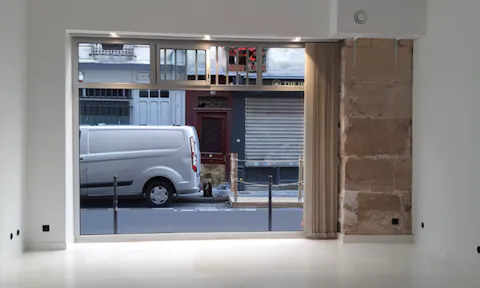

- Flexible retail spaces in 10th arrondissement of Paris |
- Flexible retail spaces in 11th arrondissement of Paris |
- Flexible retail spaces in 12th arrondissement of Paris |
- Flexible retail spaces in 13th arrondissement of Paris |
- Flexible retail spaces in 14th arrondissement of Paris |
- Flexible retail spaces in 15th arrondissement of Paris |
- Flexible retail spaces in 16th arrondissement of Paris |
- Flexible retail spaces in 17th arrondissement of Paris |
- Flexible retail spaces in 18th arrondissement of Paris |
- Flexible retail spaces in 19th arrondissement of Paris |
- Flexible retail spaces in 1st arrondissement of Paris |
- Flexible retail spaces in 20th arrondissement of Paris |
- Flexible retail spaces in 2nd arrondissement of Paris |
- Flexible retail spaces in 3rd arrondissement of Paris |
- Flexible retail spaces in 4th arrondissement of Paris |
- Flexible retail spaces in 5th arrondissement of Paris |
- Flexible retail spaces in 6th arrondissement of Paris |
- Flexible retail spaces in 7th arrondissement of Paris |
- Flexible retail spaces in 8th arrondissement of Paris |
- Flexible retail spaces in 9th arrondissement of Paris
Why rent an Event Space in Paris, France?
Choosing the right location for retail success is crucial in today’s competitive landscape. One of the most impactful decisions a brand can make is to rent a retail space in a vibrant city like Paris, where the allure of the market is matched only by its rich cultural environment. Renting an event space in Paris not only provides access to significant foot traffic but also offers the chance to build a brand presence in a highly targeted area known for its dynamic consumer base.
One of the primary benefits of renting a retail space is the ability to connect directly with customers. In a city filled with both locals and tourists, having a physical presence allows brands to engage with their audience in meaningful ways. This face-to-face interaction can foster loyalty and trust, which are vital for long-term success. Being located in a bustling area also enhances visibility, making it easier for potential shoppers to discover the brand organically as they explore the streets.
The strategic advantages of establishing a presence in a vibrant commercial area of Paris are numerous. Increased sales potential is a major benefit – the more people that pass by, the more opportunities there are for conversions. A well-situated retail space can also serve as a hub for networking with nearby businesses, creating mutually beneficial partnerships. Collaborations can lead to co-hosted events, cross-promotions, and a shared audience that elevates both brands in the eyes of consumers.
Moreover, renting a retail store offers significant flexibility and scalability. Brands can test their concepts without committing to long-term leases that may not suit their evolving needs. This aspect is especially important in a city like Paris, where consumer trends may shift rapidly. By opting for a temporary retail space, businesses can gauge market responses, adjust their offerings accordingly, and expand confidently if they find a successful niche.
In summary, the benefits of renting a retail space in Paris extend beyond mere location. This strategy allows brands to tap into foot traffic, enhance brand visibility, and engage directly with customers while enjoying the flexibility to adapt and scale operations as necessary. For businesses looking to make a mark in one of the world’s most iconic cities, renting a retail store represents an opportunity to innovate, connect, and thrive in a competitive environment.
How much does it cost to rent an Event Space in Paris, France?
When planning a business or hosting an event, understanding the retail rental costs is crucial to ensure a successful experience. This is especially true in a vibrant city like Paris, where rental prices can vary significantly based on several factors. Knowing these costs can help businesses accurately budget and make informed decisions.
Event space rental prices in Paris can differ immensely depending on location. Central areas such as Le Marais or Saint-Germain-des-Prés typically command higher prices due to their popularity and accessibility. For instance, rental rates in these prime districts can range from 300 to 1,000 euros per day for small to medium-sized venues. In comparison, locations in suburban areas, such as La Villette or Montreuil, may offer rates between 100 to 300 euros per day, making them more budget-friendly options for local businesses or smaller events.
Additionally, foot traffic plays a significant role in rental costs. High-traffic zones, particularly near tourist attractions or major transportation hubs, often come with a premium price tag. For example, venues located near the Eiffel Tower can exceed 2,000 euros a day due to constant visitor activity. Conversely, spaces situated in less frequented locations will typically be more affordable and may provide a more tailored experience for specific audiences.
The overall size of the event space also impacts rental prices. Larger venues suitable for hosting significant gatherings, such as conferences or exhibitions, generally have higher costs, with prices ranging dramatically based on capacity and available facilities. Moreover, demand fluctuations tied to the season can influence pricing; during busy periods like fashion weeks or major festivals, costs are likely to surge.
It is essential to consider additional costs that may arise when renting an event space in Paris. Utilities, security deposits, local taxes, and maintenance fees can add to the total expenditure. Generally, in Paris, deposits can range from 20 to 50 percent of the rental fee, while utility costs might add another 50 to 150 euros depending on the size and type of venue.
To navigate the complexities of renting an event space in Paris, it is advisable to set a clear budget that factors in all potential costs. Comparing various options can lead to significant savings, and consulting local experts or real estate agents can provide invaluable insights into the best neighborhoods and available listings.
In conclusion, understanding the various elements that influence retail store rental prices in Paris will enable you to make well-informed decisions when planning your business or event. By carefully assessing your options and being mindful of additional expenses, you can find the perfect space that aligns with your goals without compromising your bottom line.
Benefits of leasing an Event Space in Paris, France?
Leasing commercial spaces is a smart, cost-effective solution for businesses and individuals, especially in vibrant urban settings like Paris. Whether you are considering a retail store, event venue, showroom, or office, leasing offers flexibility and access to high-demand locations that would otherwise require a significant financial investment to purchase. According to recent studies, businesses that lease can save up to 30 percent on up-front costs compared to buying properties, allowing them to allocate resources toward growth and innovation.
One of the standout benefits of leasing is the ability to secure prime locations in bustling areas of Paris. These sought-after spaces can be prohibitively expensive to buy, with properties in central districts often costing millions. By leasing, businesses can establish a presence in these high-traffic areas, enhancing visibility and attracting more customers. This is particularly crucial for retail and event spaces, where foot traffic can significantly impact sales and engagement.
Leasing also provides remarkable scalability for growing businesses. For instance, a startup might begin with a small retail space or event venue and, as it expands, lease larger spaces in the same neighborhood without the long-term commitment of ownership. This flexibility allows businesses to respond quickly to market demands and customer preferences, optimizing their operations for success. Additionally, many lease agreements include maintenance and infrastructure support from landlords, reducing the burden of unforeseen expenses and allowing businesses to focus on their core operations rather than property management.
Event spaces are particularly noted for their versatility in leasing options. In Paris, the cost to lease an event space can range from 100 to 10,000 euros per day, depending on size and amenities offered. This allows businesses or individuals to choose a space that fits their budget and needs, whether they are hosting a corporate event, a product launch, or a private celebration. The option to lease by the hour or day offers a financial model that caters to various events without requiring long-term commitments.
When considering leasing commercial spaces, it is essential to assess market trends, calculate total costs, and ensure that the lease aligns with specific goals. Understanding the local real estate landscape will provide insights into the best times to lease and the types of spaces that are in demand. It is also crucial to review all associated costs, including utilities, insurance, and maintenance, to develop a comprehensive financial picture. Only then can businesses make informed decisions that support their long-term objectives.
In conclusion, leasing commercial spaces in Paris is strategically advantageous, offering access to desirable locations, flexibility for growth, and manageable financial commitments. By understanding the benefits of leasing, both for retail and events, businesses and individuals can take full advantage of the vibrant Parisian market without becoming tied down by the burdens of property ownership.
What are the most popular neighborhoods for renting an Event Space in Paris, France?
When it comes to renting an event space in Paris, understanding the unique characteristics of different neighborhoods can significantly impact the success of your event. Various types of businesses and events thrive in specific areas that reflect the local culture, demographics, and market trends. For instance, creative hubs like the Marais district are perfect for art exhibitions, fashion shows, or innovative pop-up events, while high-end districts such as the Golden Triangle attract luxury brands and exclusive product launches.
The significance of nearby landmarks cannot be overstated. Areas close to shopping streets, universities, or business centers tend to draw consistent foot traffic, enhancing visibility and attendee participation. For example, the Champs-Elysees not only benefits from its iconic status but also hosts a diverse array of tourists, lending a dynamic backdrop for high-profile events. This street alone can see foot traffic of over 10 million visitors annually, making it a prime location for attracting a crowd.
Rooftop venues in the Montmartre area leverage stunning views alongside artistic charm, making them ideal for intimate gatherings and creative events. Similarly, districts like Bastille, known for their vibrant nightlife, are well-suited for parties and cultural events, creating an exciting ambiance. Additionally, the Latin Quarter’s proximity to educational institutions can foster engaging workshops or seminars, appealing to a younger demographic.
When evaluating different neighborhood profiles for event space rentals, it's critical to balance location costs with expected returns. Prime locations yield higher rental prices, but they often compensate with greater foot traffic and brand visibility. Establishing the goal of your event is vital—consider whether you require high-end luxury branding or a more relaxed, creative atmosphere. This understanding will guide you in selecting the right neighborhood.
Important neighborhoods for renting event spaces in Paris include the Marais for its creativity and artistic scene, the Champs-Elysees due to its prestige, and the Latin Quarter for its youthful energy. Other advantageous areas include Montparnasse for business-centric events and Saint-Germain-des-Prés for cultural gatherings. Each street has its unique flair and audience, contributing to the overall experience of your event.
In conclusion, understanding the nuances of different neighborhoods can enhance the success of renting an event space in Paris. By carefully evaluating location advantages, considering nearby landmarks, and aligning your event goals with the neighborhood's identity, you can make a more informed decision that maximizes both foot traffic and attendee engagement.
Steps involved in planning an Event Space in Paris, France
Planning an event space in Paris, France requires a strategic approach to ensure success. The initial step involves identifying the purpose of the space. Consider whether the space is intended for corporate events, private functions, or artistic exhibitions. Understanding your target audience is crucial, as it will influence the design and functionality of the space. Demographics, preferences, and expectations of potential clients will shape your concept.
Setting a realistic budget is another key aspect of the planning process. This should encompass not only the cost of renting the space but also the expenses related to decor, equipment, permits, and marketing efforts. Preparing your inventory involves gathering the essential items required for the event space, such as seating, lighting, audio-visual equipment, and decor materials.
Marketing and promotion play a vital role in reaching the right audience. Utilize social media, online advertising, and partnerships to drive awareness of your event space. Engage with local influencers and community groups to enhance visibility.
Hiring staff is essential for maintaining smooth operations. Consider the specific roles needed, such as event coordinators, technical support, and customer service representatives. Their expertise will contribute to the overall experience of your guests.
Creating an immersive experience is crucial for customer satisfaction. The layout, design, and technology should work together to deliver a memorable atmosphere that resonates with visitors. Focus on elements that engage the senses and foster interaction.
Managing payment transactions securely is critical for building trust with clients. Invest in reliable payment processing systems that ensure data protection and facilitate smooth financial transactions.
Analyzing data after events can provide valuable insights into customer preferences and operational efficiency. Use feedback and sales data to refine strategies and improve future events.
Conduct market research to evaluate demand and competition in different neighborhoods in Paris. Understanding local trends can help identify the best locations for commercial spaces. Accessibility, public transport options, and nearby amenities should also be considered. These factors greatly influence guest attendance and overall success.
When planning your event space, it is important to consult local real estate experts who can provide invaluable guidance. They will help identify suitable locations that align with your business goals. Reviewing lease agreements is equally significant to ensure fair terms that protect your interests. Aligning your location choices with your broader business strategy can ultimately set the foundation for growth and success.
By following these steps, you'll be well-equipped to establish a successful event space in the heart of Paris, ready to attract customers and meet their needs effectively.
How long should you rent an Event Space in Paris, France to achieve your goals?
When considering how long to rent an event space in Paris, France, the optimal lease length heavily depends on your business type, goals, and how you plan to utilize the space. The rental duration for commercial spaces varies significantly by the intended purpose, whether it be for retail, events, showrooms, or office usage.
Short-term leases, typically ranging from a few days to a year, are especially beneficial for pop-up shops or temporary events. These arrangements allow businesses to test new markets, engage with customers, and create buzz without the burden of long-term commitments. This flexibility can be crucial for brands looking to capitalize on seasonal trends or specific events in Paris, making it easier to adapt to the dynamic nature of the retail environment.
On the other hand, longer leases, generally spanning three to five years, provide a sense of stability and cultivate customer familiarity. Businesses focused on establishing a brand presence or those needing consistent operations are often better suited to these longer agreements. A more extended rental duration allows for personalization of the space, leading to a deeper connection with the customer base.
Moreover, the trend toward flexible lease options is becoming increasingly popular, allowing business owners to navigate the challenges of evolving markets. This adaptability ensures companies can respond promptly to changes without being tied down by rigorous long-term contracts.
In evaluating how long to rent your event space, it's essential to assess your business goals and understand the market trends relevant to your industry. Consider aspects such as your target audience, seasonal fluctuations, and potential growth in specific areas of Paris. Finally, thoroughly consult lease agreements to align your rental duration with your strategic objectives. By taking these steps, you can effectively plan your rental timelines for success and ensure that your investment in an event space supports your overall business aspirations.
How can xNomad help your brand successfully launch an Event Space in Paris, France?
Launching an event space in Paris, France can be a transformative opportunity for any brand looking to make a significant impact in one of the world's most vibrant cities. xNomad stands out as a trusted partner in this endeavor, offering a full suite of services designed to ensure a seamless and successful launch. With expertise in location scouting, concept design, marketing, and more, xNomad provides end-to-end retail solutions tailored specifically to each brand’s needs.
The beauty of working with xNomad lies in its versatility and flexibility. Brands can select from a range of booking options—whether by days, weeks, months, or even years—ensuring that each event aligns perfectly with their strategic goals. This adaptability is complemented by a commitment to trust, innovation, and simplicity, allowing brands to focus on their vision while xNomad manages the complexities of space preparation and execution.
xNomad's global presence offers brands the opportunity to scale both locally and internationally, bridging the gap between innovative concepts and prime retail locations. This positioning makes xNomad a reliable partner for brands wishing to tap into the Parisian market. Their extensive partnership network not only aids in finding the perfect venue but also contributes to revitalizing urban areas through the creation of memorable and innovative pop-up experiences.
Through their proven track record with trusted global brands, xNomad has established a reputation for excellence in delivering results. Their expertise encompasses design, furnishing, and staffing, ensuring that event spaces are move-in-ready and equipped to impress. With xNomad, brands can expect outstanding communication and support throughout the entire process, enhancing the overall event experience for both the brand and its audience.
In conclusion, choosing xNomad for launching an event space in Paris means engaging with a dedicated partner committed to connecting brands with perfect spaces. By leveraging their experience, commitment to community-building, and innovative solutions, xNomad helps brands achieve exceptional results that resonate deeply with their target audience. When it comes to successful event launches, xNomad is the ideal partner for brands ready to make a splash in the heart of France.
FAQ
Q: What factors should I consider when choosing the duration of a retail space lease in Paris?
A: The optimal lease duration depends on your business goals and market strategy. Short-term leases are ideal for testing markets or seasonal events, while longer leases offer stability and customer familiarity. Consider your target audience, market trends, and business objectives to align the lease term with your strategic goals.
Q: How does the location of an event space in Paris affect its rental cost?
A: Location significantly impacts rental costs in Paris. Central areas like Le Marais or near tourist attractions command higher prices due to high foot traffic and prestige. Suburban areas offer more budget-friendly options. Assessing location benefits against costs is crucial for maximizing visibility and return on investment.
Q: What are the legal considerations when renting an event space in Paris?
A: Renting an event space in Paris involves understanding local regulations, zoning laws, and lease agreements. Ensure compliance with safety standards and obtain necessary permits. Consulting with legal experts can help navigate these complexities and protect your interests during the rental process.
Q: How can seasonal trends impact the success of a pop-up store in Paris?
A: Seasonal trends in Paris can greatly influence foot traffic and sales. High-demand periods like fashion weeks or holidays increase visibility and customer engagement. Planning around these trends allows brands to capitalize on increased consumer activity, making timing a critical factor in pop-up success.
Q: How can xNomad assist in finding the right event space in Paris?
A: xNomad helps brands find and book ideal pop-up spaces in Paris, offering location scouting, concept design, and marketing services. Their platform provides flexible booking options and supports brands in launching successful events by managing space preparation and execution, ensuring a seamless experience.
Q: What are the challenges of renting a retail space in Paris for a new brand?
A: New brands face challenges like high rental costs, competition for prime locations, and understanding local market dynamics. Building brand awareness and attracting foot traffic are crucial. Partnering with platforms like xNomad can help navigate these challenges by providing strategic support and insights.
Q: How do I evaluate the success of a temporary retail space in Paris?
A: Success can be measured by foot traffic, sales conversions, and brand engagement. Collecting customer feedback and analyzing sales data provides insights into performance. Adjusting strategies based on these metrics helps optimize future pop-up events and improve overall business outcomes.
Q: What are the benefits of renting a retail space in a high-traffic area of Paris?
A: Renting in high-traffic areas increases brand visibility and customer engagement, leading to higher sales potential. These locations often attract tourists and locals, providing diverse customer interactions. The increased exposure can foster brand loyalty and create opportunities for partnerships with nearby businesses.
Q: What is a pop-up shop and how does it work in a Paris mall?
A: A pop-up shop in a Paris mall is a temporary retail space that allows businesses to sell products for a short duration. These spaces are often used for seasonal promotions or testing new products in a lively market. For example, a fashion brand may set up a pop-up in the famous Le Bon Marché for a few weeks during the holiday season.
Q: How do I find pop-up retail space near me in Paris malls?
A: You can find pop-up retail space in Paris malls by using online platforms like xNomad, which list available spots. Additionally, reaching out directly to mall management or property owners can yield opportunities. Major malls like Les Halles frequently host pop-up events and maintain updates on available spaces.
Q: What types of spaces are available for pop-up shops in Paris malls?
A: In Paris malls, you can find various types of spaces for pop-up shops, including kiosks, empty storefronts, and shared retail areas. Each type offers different levels of visibility and foot traffic, allowing brands to choose according to their marketing strategy. For instance, a kiosk in a high-traffic area of Forum des Halles can attract significant attention.
Q: How far in advance should I book a pop-up space in a Paris mall?
A: Ideally, you should book a pop-up space in a Paris mall at least one to three months in advance. This timeline ensures you secure the best locations and time slots, especially during peak shopping seasons. For example, booking a spot in advance during the summer sales can significantly boost your visibility and sales.
Q: Can I rent a pop-up space for just one day or one weekend in a Paris mall?
A: Yes, you can rent a pop-up space for just one day or one weekend in a Paris mall, depending on the specific mall's policies. Many malls offer flexible rental terms to accommodate special events or promotions. For instance, xNomad often lists options for short-term rentals in popular spots like Centre Commercial Italie 2.
Q: Do I need a permit to run a pop-up shop in Paris?
A: Yes, you generally need a permit to operate a pop-up shop in Paris. This ensures compliance with local regulations and safety standards. Without a permit, you risk fines or being asked to close your business. Check with local authorities for specific requirements.
Q: How do I obtain a pop-up shop permit in my city, Paris?
A: To obtain a pop-up shop permit in Paris, you must apply through the local city hall. This involves submitting your business information and planned location. Online applications may be available, but it's advisable to visit in-person for guidance.
Q: How long does it take to get a pop-up shop permit in Paris?
A: The processing time for a pop-up shop permit in Paris typically ranges from a few weeks to a couple of months. Factors such as the complexity of your application can affect this timeline. To expedite the process, apply well in advance of your planned opening date.
Q: Can I operate a pop-up shop without a permit in Paris?
A: Operating a pop-up shop in Paris without a permit is not advisable and can lead to legal issues. You may be subject to fines or closure. Cities typically impose strict regulations to maintain order and safety, so it's best to comply.
Q: Do I need insurance for a pop-up shop in Paris?
A: Yes, having insurance for your pop-up shop in Paris is highly recommended. Insurance can protect you from liability claims and damage to your stock or equipment. Check with local insurers for options that cover temporary retail operations.
Q: Are there any specific permit requirements I should know about before booking a mall space in Paris?
A: Yes, specific permit requirements for a mall pop-up in Paris often include zoning approvals and health and safety regulations. It's crucial to verify these details with local authorities or the mall management before finalizing your booking.
Q: Does the venue in Paris handle permits or is that my responsibility for the pop-up shop?
A: Typically, obtaining permits for a pop-up shop in Paris is your responsibility, even if you book a venue. However, some venues may assist with the process or provide guidance. Always confirm with the mall management about their policies regarding permits.
Q: What are some creative display ideas for a pop-up shop in Paris mall?
A: Utilize local art for visual interest, integrate interactive elements, and include themed installations. These approaches can draw attention and engage customers effectively. For instance, partnering with local artists to create a mural can reflect the Parisian vibe and attract foot traffic.
Q: How can I design an eye-catching pop-up stand on a budget in Paris mall?
A: Use simple materials like plywood for backdrops and repurpose items from thrift stores for display. Focusing on a cohesive color palette can also enhance visual appeal without high costs. An example includes using colorful fabrics as drapery to create a vibrant and inviting atmosphere.
Q: How do I make my pop-up shop social media friendly in Paris mall?
A: Create Instagrammable spots with unique backdrops and props for customers to take photos. Incorporate clear signage with a branded hashtag to encourage sharing online. For example, designing a signage wall showcasing your brand's story will invite visitors to share their experiences.
Q: What are some pop-up shop table display ideas in Paris mall?
A: Use tiered stands for products to create visual height and interest while maintaining accessibility. Arrange items artistically rather than in strict rows to encourage exploration. For example, showcasing artisanal goods with natural elements like wood or greenery can attract attention.
Q: What are the most trending pop-up shop display ideas right now in Paris mall?
A: Incorporating sustainable materials and eco-friendly designs, such as repurposed wood or recycled displays, is on-trend. Also, utilizing technology like AR or QR codes for interactive experiences is gaining popularity. A notable trend includes blending physical and digital shopping experiences to engage tech-savvy customers.
Q: What furniture or fixtures do I need to set up a pop-up shop in Paris mall?
A: Essential pieces include collapsible tables, portable display racks, and comfortable seating for customers. Additionally, good lighting and signage are important for visibility and branding. Using modular furniture will allow for flexible arrangements and efficient space utilization.
Q: What are the first steps to starting a pop-up shop in Paris for a mall project?
A: The first steps include conducting market research and defining your target audience. You should also create a budget and secure necessary permits for operation. Identifying your unique selling proposition will set you apart. For instance, xNomad can assist in finding suitable partnerships within the Paris retail landscape.
Q: Do I need a business plan for a pop-up shop in Paris for a mall project?
A: Yes, a business plan is essential for a pop-up shop to outline your goals and strategies. It helps clarify your market approach, budget, and operational plan while attracting potential investors. Most successful pop-up shops in Paris start with a well-defined business plan that includes financial forecasts.
Q: What should I look for when choosing a pop-up shop location in Paris for a mall project?
A: When selecting a location, consider foot traffic, nearby businesses, and target demographics. A space near popular attractions or areas frequented by your target market will increase visibility and sales. For example, a pop-up in a bustling area like Les Halles could maximize exposure.
Q: What are the key benefits of running a pop-up shop in Paris for a mall project?
A: Key benefits include increased brand awareness and the ability to test new markets or products without long-term commitments. A pop-up shop allows for direct customer engagement and feedback, which can inform future business strategies. Successful examples show that pop-ups in Paris can generate significant buzz and customer interest.
Q: What are the major challenges for a mall project in Paris?
A: The major challenges for a mall project in Paris include navigating strict zoning laws, which can limit design options, and ensuring that the project aligns with the historic character of the city. Additionally, securing financing in a competitive market is crucial. A relevant example is the recent renovation of the Forum des Halles, which faced significant regulatory hurdles.
Q: What are the potential economic impacts of a mall project in Paris?
A: A mall project in Paris can lead to significant economic impacts, such as job creation and increased tourism. Construction can generate temporary jobs, while the mall can provide permanent positions post-opening. For example, the anticipated opening of a shopping center in La Défense is expected to create over 1,000 jobs and enhance foot traffic to the surrounding area.
Q: How does community involvement affect a mall project in Paris?
A: Community involvement is vital for a mall project in Paris, as it helps address local concerns and ensures that the development meets residents' needs. Engaging the community can lead to better design solutions and increase project acceptance. For instance, public consultations for the renovation of Les Halles significantly shaped the final blueprint with community input.
Q: What sustainability practices are essential for a mall project in Paris?
A: Sustainability practices are essential for a mall project in Paris, incorporating green building materials, energy-efficient systems, and waste management strategies. Implementing these practices can enhance the project's appeal and minimize its environmental footprint. An example is the focus on eco-friendly designs in the project at La Vallée Village, aiming for high sustainability ratings.
Q: How can technology influence a mall project in Paris?
A: Technology can greatly influence a mall project in Paris through the integration of smart systems for energy management, visitor engagement apps, and interactive displays. By adopting innovative technologies, developers can enhance the shopping experience and improve operational efficiency. For instance, the recent deployment of a smart parking system at Westfield Les 4 Temps has improved customer convenience and reduced congestion.
Q: What should I consider when planning a pop-up shop for my brand in Paris for a mall project?
A: Key considerations include location, target audience, budget, and duration. Selecting a high-traffic area in a mall can enhance visibility and footfall. Additionally, align your branding and offerings with local preferences to maximize engagement. Market research indicates that strategic placement can increase sales by up to 30%.
Q: How do I choose the right pop-up format for my brand in Paris for a mall project?
A: Choosing the right format hinges on your brand identity and goals. For instance, a kiosk in a busy mall could suit a casual, accessible brand, while a larger temporary storefront may fit luxury brands needing an immersive experience. Evaluate your target demographic and competition to ensure the best format aligns with your vision.
Q: What are the most common mistakes first-time pop-up operators make in Paris for a mall project?
A: Common mistakes include inadequate planning, underestimating costs, and poor marketing strategies. Many first-time operators neglect to analyze the competitive landscape and target audience, leading to low foot traffic and sales. Statistics show that 40% of pop-up shops fail due to lack of market insight and poor location choices.
Q: What are the best locations and setups for outdoor pop-up shops for a mall project in Paris?
A: Ideal locations for outdoor pop-up shops in Paris include parks, popular squares, and near high-foot-traffic areas like shopping districts. A setup with a visually appealing tent and clear signage can effectively attract customers. Additionally, ensure that your layout accommodates social distancing and offers comfortable browsing. For example, pop-ups near the Champs-Élysées draw significant crowds, enhancing visibility.
Q: How do I run a pop-up shop outside or on a trail/market route for a mall project in Paris?
A: To run a successful outdoor pop-up shop in Paris, secure the necessary permits, choose a location with high visibility, and plan for weather contingencies. Engaging local vendors or artists can enhance the experience and draw more visitors. For example, utilizing routes like the Seine River walk can provide natural foot traffic and beautiful surroundings.
Q: What should I consider when doing a pop-up shop at an outdoor event for a mall project in Paris?
A: When planning a pop-up shop at an outdoor event in Paris, consider local regulations, weather conditions, and target audience preferences. Ensure you have a clear marketing strategy and an appealing product assortment that resonates with event-goers. Popular events like the Paris Street Art Festival attract thousands, making them lucrative opportunities for pop-ups if planned carefully.
Q: What equipment do I need for a pop-up coffee shop in Paris for a mall project?
A: You'll need an espresso machine, grinders, brewing equipment, and a point of sale system. Additionally, consider portable displays for showcasing baked goods or merchandise. Ensure you have a generator for power if needed. For example, a compact espresso setup can help serve up to 200 cups in a day.
Q: What are the best locations for a pop-up coffee shop in Paris for a mall project?
A: High foot-traffic areas like shopping centers and popular malls are ideal. Look for locations near food courts or entertainment zones, as these spots attract crowds. For instance, the Forum des Halles is a prime location due to its dense visitor volume.
Q: How do I promote a pop-up coffee event on social media in Paris for a mall project?
A: Use platforms like Instagram and Facebook to create buzz before the event. Share enticing visuals of your coffee and setup, use local hashtags, and collaborate with influencers. Consider setting up a countdown and offering exclusive promotions for followers. Engaging posts can significantly boost your visibility among locals.
Q: How do I start a successful pop-up coffee shop in Paris for a mall project?
A: Begin by researching local regulations and securing necessary permits for your pop-up. Plan your menu carefully, focusing on high-quality ingredients, and choose an appealing location. Utilize social media for marketing and build a strong brand presence. For example, consider partnering with xNomad for event management to streamline the process.
Découvrez nos espaces Scopri i nostri spazi Ontdek onze ruimtes 探索我们的空间