- 1Projects


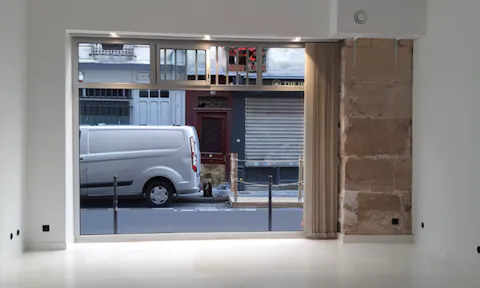

- Flexible retail spaces in 10th arrondissement of Paris |
- Flexible retail spaces in 11th arrondissement of Paris |
- Flexible retail spaces in 12th arrondissement of Paris |
- Flexible retail spaces in 13th arrondissement of Paris |
- Flexible retail spaces in 14th arrondissement of Paris |
- Flexible retail spaces in 15th arrondissement of Paris |
- Flexible retail spaces in 16th arrondissement of Paris |
- Flexible retail spaces in 17th arrondissement of Paris |
- Flexible retail spaces in 18th arrondissement of Paris |
- Flexible retail spaces in 19th arrondissement of Paris |
- Flexible retail spaces in 1st arrondissement of Paris |
- Flexible retail spaces in 20th arrondissement of Paris |
- Flexible retail spaces in 2nd arrondissement of Paris |
- Flexible retail spaces in 3rd arrondissement of Paris |
- Flexible retail spaces in 4th arrondissement of Paris |
- Flexible retail spaces in 5th arrondissement of Paris |
- Flexible retail spaces in 6th arrondissement of Paris |
- Flexible retail spaces in 7th arrondissement of Paris |
- Flexible retail spaces in 8th arrondissement of Paris |
- Flexible retail spaces in 9th arrondissement of Paris
Why rent a Retail store in Paris, France?
Choosing the right location for retail success is crucial for any brand looking to thrive in a competitive market. Paris, with its rich culture, vibrant atmosphere, and bustling streets, stands out as one of the premier destinations for retail ventures. Renting a retail store in Paris offers numerous advantages that can significantly enhance your business prospects.
One of the primary benefits of renting a retail space in Paris is the accessibility to foot traffic. The city attracts millions of tourists and locals alike, creating a constant stream of potential customers. Being situated in a high-traffic area allows your brand to gain visibility and draw in consumers who may not have discovered your products otherwise. This direct connection with customers fosters opportunities for immediate feedback and builds lasting relationships.
Establishing a brand presence in such a culturally rich city is another key advantage. Paris is known for its trendsetting culture, making it an ideal environment for brands to showcase their unique offerings. By positioning your retail store within targeted neighborhoods, you can tap into the preferences and tastes of a diverse audience, thereby enhancing brand awareness and loyalty.
Strategically located in vibrant commercial areas, a retail space in Paris provides significant advantages such as better visibility and increased sales potential. These prime locations often come with the added benefit of being surrounded by complementary businesses. This proximity encourages networking opportunities, collaborative marketing efforts, and cross-promotional activities that can further boost your brand’s reach and influence.
Additionally, renting a retail store offers the flexibility and scalability that many businesses need to adapt to an ever-changing retail landscape. Whether you are testing a new concept, launching a seasonal product, or looking to explore a new market, renting allows you to assess performance and customer interest without the heavy financial burden of a long-term commitment. This approach provides an invaluable opportunity to refine your strategies based on real-time consumer feedback, helping to inform future decisions.
In conclusion, the decision to rent a retail store in Paris presents an array of benefits that can significantly enhance your business profile. From tapping into extensive foot traffic and establishing a brand presence to gaining visibility in a bustling area, the strategic advantages are clear. The ability to swiftly adapt and scale your operations makes renting particularly appealing for businesses seeking to test their concepts in a thriving market like Paris. Embrace the opportunity to elevate your brand in one of the most iconic cities in the world through a rental retail space that meets your unique needs.
How much does it cost to rent a Retail store in Paris, France?
When planning a business, understanding the costs associated with retail rentals is crucial for success. Retail store rental prices can vary significantly based on a host of factors such as location, size, and market demand. In bustling cities like Paris, grasping these intricacies becomes even more essential, particularly in a market known for its high foot traffic and competitive landscape.
In Paris, rental costs for retail spaces can range dramatically depending on the neighborhood. For instance, prime locations in the city center, such as the Champs-Elysees or Le Marais, can see average monthly rents of up to 1,500 euros per square meter. In contrast, areas further from the tourist hotspots or in more suburban settings may offer prices as low as 300 euros per square meter. According to data from real estate platforms, the variation between high-traffic zones and less frequented areas can account for several hundred euros per square meter in monthly rent.
Several factors influence these rental prices. Location plays a pivotal role; areas with high foot traffic tend to command higher rents. In Paris, neighborhoods with a reputation for shopping and cultural attractions typically experience greater demand, pushing rental prices up. Additionally, the size of the store significantly affects costs. Larger spaces not only face higher base rents, but also come with additional expenses like utilities, maintenance, and insurance. Market demand further compounds this, as the ongoing popularity of e-commerce affects how physical retail locations are valued.
Beyond the base rental costs, businesses should be aware of additional expenses that may arise. Utilities, such as electricity and water, can contribute another several hundred euros per month depending on usage. Security deposits are often required upon lease signing, and in some cases, businesses might face ongoing taxes related to the property. Maintenance fees might also apply, especially in multi-tenant buildings, adding to the overall expenditure.
As prospective renters navigate the Paris retail market, actionable tips can help set a strategic course. First, establishing a clear budget that considers not just rent but also utilities and maintenance costs is vital. Comparing options across different neighborhoods can reveal potential savings. Consulting local real estate experts or commercial agents provides valuable insights into current market trends and may uncover hidden opportunities or negotiation leverage.
In summary, understanding the cost to lease a shop in Paris necessitates a careful analysis of various factors influencing rental prices. From the desirable location to the additional monthly expenses, all elements must be weighed to make an informed decision. With the right preparation and knowledge, businesses can successfully find a retail space that aligns with their goals while managing costs effectively.
Benefits of leasing a Retail store in Paris, France?
Benefits of Leasing a Retail Store in Paris, France
Leasing a commercial space, especially in a vibrant and bustling city like Paris, presents a cost-effective and flexible solution for businesses and individuals seeking retail locations. This approach allows brands to bypass the hefty upfront costs associated with purchasing property, enabling them to invest those resources in other critical areas such as marketing, inventory, and staffing. According to recent studies, the average retail space in central Paris can exceed millions, making leasing an attractive alternative for both seasoned retailers and new entrepreneurs looking to establish their presence in one of the world's most fashionable cities.
One of the primary benefits of leasing a retail space in Paris is the access it provides to high-demand areas that would otherwise be financially prohibitive to acquire. Prime locations such as the Marais, Saint-Germain-des-Prés, or the Champs-Élysées come with increased foot traffic and visibility, significantly enhancing a brand's exposure to potential customers. Leasing allows businesses to occupy these coveted spaces without the financial burden of ownership, opening the door to new opportunities for growth and brand recognition.
Another advantage of leasing is the scalability it offers growing businesses. Whether a start-up wants to test the waters with a pop-up store or an established retailer is looking to expand its footprint, leasing provides the flexibility to adapt quickly to changing market conditions. Short-term leases allow brands to respond to seasonal trends or shifts in consumer behavior without the long-term commitment that comes with owning a property. This adaptability can be crucial for retailers aiming to optimize their location strategy as they evolve.
Additionally, many leases include maintenance or infrastructure support from landlords, which allows businesses to focus on their core operations rather than the logistics of property management. This can cover everything from repairs to utilities, making it easier for retailers to budget their operational costs effectively. With such support, whether through a long-term lease for a flagship store or a short-term agreement for a special event, businesses can maintain a professional environment without excessive additional expenditures.
Event spaces present another compelling leasing opportunity in Paris. These venues can typically be booked hourly or daily, with rental prices ranging from 100 to 10,000 local currency units depending on the size and amenities offered. This flexibility enables brands to organize events, product launches, or promotional activities without the commitment of a long-term lease, allowing them to engage with customers in innovative ways.
To make the most of leasing a retail space in Paris, businesses should pay attention to market trends and conduct thorough research before signing any agreements. Understanding the local market can help determine the best locations and pricing strategies, ensuring that the lease aligns with specific business goals. Additionally, calculating total costs, including rent, utilities, and any additional fees, will help avoid any unexpected financial strains down the line.
In conclusion, leasing a retail store in Paris offers numerous benefits, including access to premium locations, scalability for businesses of all sizes, and the potential for lower overhead costs. As the retail landscape continues to evolve, businesses that embrace leasing as a strategic option can position themselves to thrive in this iconic city. It's an opportunity to seize the moment and create a lasting impact on the bustling streets of Paris.
What are the most popular neighborhoods for renting a Retail store in Paris, France?
When considering the most popular neighborhoods for renting a retail store in Paris, it is essential to understand how the local culture, demographics, and market trends influence business success. Different areas of the city attract distinct customer bases and can significantly affect a brand's visibility and sales performance. As a result, businesses must carefully evaluate the specific characteristics of each neighborhood before securing a space.
In Paris, creative hubs like Le Marais are ideal for showrooms and boutiques. This area is known for its vibrant arts scene and trendy shops, drawing a young and dynamic consumer demographic. Tourists and locals alike flock to its cobblestone streets, contributing to high foot traffic. Spaces in Le Marais can be rented on short- or long-term agreements, providing flexibility for brands looking to make an impact without a long-term commitment.
For luxury retail, the Faubourg Saint-Honoré and Avenue Montaigne stand out as prime locations. These high-end districts are home to prestigious fashion houses and luxury boutiques, attracting affluent shoppers from around the world. The presence of well-known landmarks, such as the Palais de la Découverte and the nearby Champs-Élysées, ensures a consistent flow of potential customers. Businesses in these areas can expect substantial foot traffic, especially during peak shopping seasons.
Warehouse districts like the 19th Arrondissement have emerged as popular venues for events and pop-up shops. These locations provide spacious environments, often favoring creative concepts and lifestyle brands. The unique aesthetics of refurbished warehouses can appeal to a variety of target audiences, making them suitable for both retail and experiential events. As foot traffic is usually driven by cultural events and exhibitions nearby, businesses can see fluctuating numbers, which should be factored into cost evaluations.
When evaluating neighborhood profiles, consider proximity to landmarks such as shopping streets, universities, or business centers, which can drive foot traffic. For instance, being near a university can attract a youthful demographic, while a location near a business center may cater to professionals. It is crucial to balance location costs with the expected return on investment. Conduct thorough research on local competition, consumer behavior, and demographics to ensure the chosen area aligns with business objectives.
Certain streets also stand out for their benefits in retail leasing. Rue de Rivoli, with its mix of high-traffic tourist attractions, shops, and restaurants, offers significant exposure for brands looking to attract diverse customers. Similarly, Boulevard Haussmann, known for its department stores, presents an excellent opportunity for retailers looking to thrive in a well-trafficked area.
In summary, understanding the characteristics of Paris's neighborhoods is vital for brands seeking to rent retail spaces. Identifying the right area based on local culture, expected foot traffic, and proximity to key landmarks will ensure a lucrative commercial lease. Balancing rental costs with the potential customer base can significantly influence business success in this vibrant market.
Steps involved in planning a Retail store in Paris, France
Planning a retail store in Paris, France, involves several critical steps that can significantly impact the success of the venture. The first step is identifying the purpose of the space. This involves clarifying whether the store will serve as a permanent location, a pop-up shop, or a seasonal space. Understanding the target audience also plays a vital role. It is essential to consider the demographics, shopping habits, and preferences of potential customers in the area.
Setting a realistic budget is another key step in the planning process. This includes not only the cost of renting the space but also expenses related to inventory, staffing, marketing, and design. Preparing an inventory is essential to ensure that the store is well-stocked with products that meet the needs and preferences of customers. The next step involves marketing and promotion to create awareness and excitement around the opening. This can encompass social media campaigns, partnerships with local influencers, and print advertising.
Hiring staff is critical to provide excellent customer service and to create an immersive experience for visitors. A well-trained staff can enhance customer satisfaction and loyalty. Creating an immersive experience involves thoughtful store design and layout, incorporating elements that engage customers and encourage them to explore the space.
Managing payment transactions securely is also an important aspect. Ensuring that payment systems are efficient and trustworthy helps in maintaining customer confidence and streamlining operations. Analyzing data is crucial for understanding customer behavior, sales trends, and overall performance, which can inform future business decisions.
Conducting market research is essential to evaluate demand and competition in different neighborhoods throughout Paris. Understanding the local market landscape helps in identifying the best locations for commercial spaces. Factors such as accessibility, public transport, and nearby amenities must also be taken into account, as these elements greatly influence foot traffic and customer convenience.
It is also vital to consult local real estate experts who can provide insights into the market and assist in finding the best locations. Reviewing lease agreements carefully ensures that terms align with business goals and protects the interests of the retailer. By following these actionable steps, retailers can create a solid foundation for their business and enhance growth prospects in the vibrant market of Paris.
How long should you rent a Retail store in Paris, France to achieve your goals?
The decision regarding how long to rent a retail store in Paris hinges on various factors including the type of business, its goals, and the intended use of the space. Each business has distinct needs, whether it is a retail operation, a pop-up shop, an event space, or a showroom. Understanding these needs is key to determining the optimal rental duration.
Short-term leases, which could last anywhere from a few days to one year, are often ideal for pop-up shops and temporary events. These flexible options allow businesses to test new markets, launch products, or engage with customers without the risk of long-term commitments. For businesses looking to create excitement around a brand or assess a new location, short-term leases can provide the necessary adaptability to respond to market trends or customer feedback.
Conversely, longer leases, typically spanning three to five years, tend to be more suitable for businesses focused on stability and customer familiarity. Such a rental duration allows a business to establish itself within the local community, build a loyal customer base, and foster deeper relationships with suppliers and staff. This approach is particularly beneficial for traditional retail operations that rely on consistent foot traffic and brand presence.
In today's dynamic market, flexible lease options are becoming increasingly common. They provide businesses with the ability to adapt to changing circumstances without the burden of committing to long leases. These arrangements allow companies to scale operations up or down, depending on market demands, and reduce the financial risk associated with lengthy commitments.
When evaluating rental durations for commercial spaces, it is essential to assess business goals. Understanding market trends is equally important. Is the business launching a new product? Is it experimenting with a new location? Answering these questions will help clarify the appropriate lease length.
Additionally, scrutinizing lease agreements is crucial to ensure that rental durations align with the business’s objectives. Thoroughly reviewing the terms can prevent potential pitfalls and ensure that the lease supports the larger vision for the business. Overall, planning rental timelines for success involves a strategic assessment of business needs, market dynamics, and flexible leasing opportunities, ultimately guiding decisions that foster growth and sustainability in the chosen space.
How can xNomad help your brand successfully launch a Retail store in Paris, France?
Launching a retail store in Paris, France, presents both exciting opportunities and unique challenges. With its vibrant culture and strong consumer base, Paris is an ideal location for brands looking to make an impact. xNomad specializes in retail and pop-up spaces, providing brands with the versatile and flexible services needed to bridge the gap between brand visions and physical locations. By offering end-to-end retail solutions, xNomad makes the process of establishing a presence in Paris seamless and efficient.
One of the standout features of xNomad is its ability to scout and secure prime locations that align perfectly with a brand’s target audience and marketing strategy. The company’s global presence ensures familiarity with local markets and consumer behaviors, allowing brands to make informed decisions. Whether you are looking for short-term pop-up opportunities or long-term retail spaces, xNomad provides options for booking by days, weeks, months, or even years.
Beyond location scouting, xNomad serves as a full-service agency that handles every aspect of the retail launch process. From concept design to furnishing and staffing, the company is committed to creating move-in-ready spaces that reflect the unique identity of each brand. This end-to-end experience simplifies management and allows brands to focus on what they do best—delivering exceptional products and experiences to their customers.
xNomad's strong partnership network revitalizes urban areas by creating memorable and innovative pop-up experiences. These collaborations significantly enhance brand visibility and engagement, making the retail launch more impactful. Trust, innovation, and simplicity are at the core of xNomad's mission, ensuring that brands receive the support they need throughout their journey.
The company has a proven track record of successfully working with trusted global brands, showcasing its capability to deliver results that matter. Brands can feel confident in xNomad as a trusted pop-up retail partner that understands the nuances of various markets, including Paris.
In conclusion, xNomad provides brands with the tools and support necessary to launch a successful retail store in Paris. By connecting brands with the perfect spaces and emphasizing excellent communication, innovation, and community-building, xNomad is dedicated to helping brands achieve exceptional results. When considering how to effectively launch your retail presence in one of the world's most iconic cities, choose xNomad for a comprehensive and successful experience.
FAQ
Q: What factors should be considered when choosing a retail location in Paris?
A: Consider foot traffic, neighborhood demographics, and proximity to landmarks when choosing a retail location in Paris. High-traffic areas like Le Marais or Champs-Élysées offer visibility but come with higher costs. Evaluating local competition and consumer behavior helps align location choice with business goals. For example, a boutique might thrive in trendy Le Marais, while luxury brands may prefer Avenue Montaigne.
Q: How does seasonality affect retail store rentals in Paris?
A: Seasonality can significantly impact retail store rentals in Paris, with peak shopping seasons like Christmas and summer attracting more tourists and locals. During these times, demand for retail spaces increases, potentially driving up rental prices. Businesses should plan ahead to secure prime locations and leverage seasonal foot traffic, such as booking spaces near popular attractions during the summer tourist influx.
Q: What are the legal considerations when renting a retail store in Paris?
A: Legal considerations include understanding lease terms, zoning laws, and compliance with local business regulations. It's crucial to review lease agreements for clauses on rent increases, maintenance responsibilities, and termination conditions. Consulting a legal expert familiar with French commercial law can help navigate these complexities and ensure a smooth rental process.
Q: How does xNomad assist in finding retail spaces in Paris?
A: xNomad helps brands find retail spaces in Paris by offering a platform that connects them with available locations tailored to their needs. With expertise in local markets, xNomad provides end-to-end solutions from location scouting to space setup. This service is ideal for brands looking to launch pop-ups or establish a presence in Paris without the hassle of managing logistics.
Q: What are the cost implications of renting a retail store in Paris's high-traffic areas?
A: Renting in high-traffic areas like Champs-Élysées can be costly, with rents reaching up to 1,500 euros per square meter. While these locations offer increased visibility and foot traffic, businesses must weigh the potential sales boost against higher rental costs. Budgeting for additional expenses like utilities and maintenance is also essential for financial planning.
Q: How can a brand effectively execute a pop-up shop in Paris?
A: To execute a successful pop-up shop in Paris, start by selecting a location that aligns with your target audience. Plan the store layout to create an engaging experience and promote the event through social media and local influencers. Utilize platforms like xNomad to streamline the process of finding and setting up the space, ensuring a seamless launch.
Q: What challenges might a business face when renting a retail store in Paris?
A: Challenges include high rental costs, competition for prime locations, and navigating local regulations. Businesses may also face language barriers and cultural differences. To mitigate these, thorough market research and consulting local experts can provide valuable insights and support, helping businesses adapt to the Parisian retail landscape.
Q: How does renting a retail store in Paris compare to other major cities?
A: Renting in Paris offers unique advantages like access to a diverse and affluent consumer base, but it also comes with higher costs compared to cities with less tourist traffic. Unlike New York or London, Paris's cultural cachet and fashion-forward reputation can enhance brand prestige. However, businesses must be prepared for competitive rental markets and stringent regulations.
Q: What is a pop-up retail shop and how does it work in Paris?
A: A pop-up retail shop is a temporary storefront used to sell products, often for a limited time. It allows brands to create unique experiences and test the market without long-term commitments. In Paris, retailers can leverage high foot traffic areas to increase visibility and engage customers. For instance, a fashion brand could set up a week-long shop in Le Marais.
Q: How can I find pop-up retail space in Paris near me?
A: To find pop-up retail space in Paris, consider using platforms like xNomad or local real estate listings. These resources can connect you with available venues in bustling neighborhoods such as Saint-Germain or Montmartre. Additionally, establishing relationships with local landlords can yield leads on upcoming opportunities.
Q: What types of spaces are available for pop-up retail shops in Paris?
A: In Paris, pop-up retail spaces include boutiques, art galleries, empty storefronts, and even unique venues like cafes or warehouses. These spaces cater to varying brand needs and can be found in trendy districts like Canal Saint-Martin. Options vary from cozy spots to larger venues welcoming various concepts.
Q: How far in advance should I book a pop-up retail space in Paris?
A: It is advisable to book a pop-up retail space in Paris at least one to three months in advance. This timeframe allows for adequate planning, marketing, and coordination with the venue. Popular locations may fill quickly, so early reservations are beneficial for high-demand periods like the Paris Fashion Week.
Q: Can I rent a pop-up retail space in Paris for just one day or one weekend?
A: Yes, many venues in Paris offer the flexibility to rent pop-up retail spaces for just one day or a weekend. This is particularly common with shared spaces or short-term rentals. For example, you might find a small boutique in the Marais area available for weekend rental, ideal for testing a product launch.
Q: Do I need a permit to run a retail pop-up shop in Paris?
A: Yes, a permit is typically required to run a retail pop-up shop in Paris. This ensures compliance with local regulations and zoning laws. Specific permits may vary depending on the location and nature of your shop. For example, the local arrondissement may have its own requirements.
Q: How do I obtain a pop-up shop permit in Paris for my retail project?
A: To obtain a pop-up shop permit in Paris, you must submit an application to the local municipal authorities. This often includes providing details about your business and the intended location. Additionally, you may need to include a layout plan or design for your retail space, which ensures that everything meets city standards.
Q: How long does it take to get a pop-up shop permit in Paris for retail?
A: Obtaining a pop-up shop permit in Paris can take anywhere from a few weeks to a couple of months. The processing time depends on the completeness of your application and the workload of city officials. For instance, it may take longer during peak seasons when many apply for permits.
Q: Can I operate a retail pop-up shop in Paris without a permit?
A: Operating a retail pop-up shop in Paris without a permit is not advisable, as it can lead to fines or shutdowns. Local authorities enforce regulations strictly to maintain order and compliance. In many cases, individuals have faced penalties for non-compliance.
Q: Do I need insurance for a retail pop-up shop in Paris?
A: Yes, obtaining insurance for a retail pop-up shop in Paris is recommended and often required. This helps protect against potential liabilities, damages, or accidents that could occur during your operation. Many landlords or venue owners may also insist on proof of insurance before leasing the space.
Q: Are there specific permit requirements I should know about before booking a space for my retail project in Paris?
A: Yes, specific permit requirements in Paris can include zoning compliance, health regulations, and signage restrictions. It's essential to research the local regulations in the area where you intend to operate. For example, certain areas may have restrictions on hours of operation or types of products sold.
Q: Does the venue in Paris handle permits for my retail pop-up shop, or is that my responsibility?
A: Generally, securing permits for a retail pop-up shop is the responsibility of the vendor. However, some venues may provide assistance or guidance in obtaining necessary permits. It’s crucial to check with the venue management, as xNomad may offer support in navigating the permitting process.
Q: What are some creative display ideas for a retail pop-up shop in Paris?
A: Incorporate local art for an authentic vibe and use vintage furniture for a unique touch. Create immersive environments, utilizing natural materials and bold colors to attract attention. Installing a theme-based corner can significantly enhance visitor engagement, like a Parisian café setting.
Q: How can I design an eye-catching retail pop-up stand on a budget in Paris?
A: Use recycled materials, like wooden pallets, for counters or display stands to cut costs while being eco-friendly. Opt for DIY signage and playful backgrounds that tell your brand story. Many successful stands in markets like Le Marais utilize upcycled decor to create unforgettable installations.
Q: How do I make my retail pop-up shop in Paris social media friendly?
A: Design interactive photo opportunities with aesthetically pleasing backdrops and hashtags clearly displayed. Offering unique experiences, like live art or tastings, encourages visitors to share on social media. Store fronts in areas like Montmartre often feature Instagram-worthy murals that draw in crowds.
Q: What are some pop-up shop table display ideas for a retail shop in Paris?
A: Utilize tiered displays to showcase products at various heights and create visual interest. Incorporating fresh flowers or local pastries can enhance appeal and align with Parisian themes. Tables in popular pop-up markets, such as those in the Canal Saint-Martin area, often incorporate these elements effectively.
Q: What are the most trending pop-up shop display ideas right now for retail in Paris?
A: Sustainability is key, with many shops opting for eco-friendly displays and repurposed materials. Multi-sensory experiences, combining scents or sounds with visuals, are gaining popularity. In Paris, shops that integrate floral installations and art displays are currently attracting significant attention.
Q: What furniture or fixtures do I need to set up a retail pop-up shop in Paris?
A: Essential items include sturdy tables for product displays, shelving units, and comfortable seating for customers. Incorporating signage and lighting can enhance the overall ambiance and product visibility. Many successful pop-ups in busy areas, such as Saint-Germain-des-Prés, utilize versatile fixtures for adaptability.
Q: What are the first steps to starting a retail pop-up shop in Paris?
A: The first steps include defining your concept, identifying your target audience, and securing financing. You should also research local regulations for pop-up shops in Paris, as permits may be needed. Planning your inventory and marketing strategy is essential for a successful launch.
Q: Do I need a business plan for a retail pop-up shop in Paris?
A: Yes, a business plan is crucial for a retail pop-up shop in Paris. It helps outline your goals, budget, and marketing approach, ensuring that your operations run smoothly. A well-structured business plan can also attract potential investors or partners.
Q: What should I look for when choosing a retail pop-up shop location in Paris?
A: Key factors include foot traffic, demographics, accessibility, and nearby businesses. A location in a high-traffic area, like Le Marais, can significantly increase visibility and sales. Additionally, consider the length of the lease and any associated costs.
Q: What are the key benefits of running a retail pop-up shop in Paris?
A: Benefits include lower startup costs compared to permanent spaces, heightened brand visibility, and the opportunity to test new products. Pop-up shops in Paris can create a buzz, attracting local customers and media attention, leading to longer-term customer relationships.
Q: What are the key challenges for a retail project in Paris?
A: The key challenges for a retail project in Paris include high rental costs and intense competition from established brands. Additionally, navigating local regulations and cultural preferences can complicate market entry. For instance, understanding the Parisian consumer behavior, which leans towards boutique shopping, is crucial for success.
Q: How do demographics impact a retail project in Paris?
A: Demographics significantly impact a retail project in Paris by influencing buying patterns and product demand. The diverse population, including both locals and tourists, creates distinct market segments that businesses must cater to. For example, luxury brands thrive in areas like the Champs-Élysées due to affluent visitors, while niche retailers perform better in unique neighborhoods.
Q: What should I consider when planning a retail project for my brand in Paris?
A: You should focus on your target audience, location, and budget. Understanding consumer preferences in Paris can help tailor your offerings. Additionally, securing the right permits and adhering to local regulations are crucial for a successful pop-up shop. For instance, xNomad found a specific location in Le Marais attracted high foot traffic, significantly boosting sales.
Q: How do I choose the right retail project format for my brand in Paris (market stall, storefront, concession, etc.)?
A: Consider your brand identity, budget, and target customer when selecting a format. A storefront in Paris may provide more visibility but can be costly, while a market stall may limit your space but allow for lower expenses. Assessing foot traffic in areas like Montmartre can inform your decision. xNomad opted for a hybrid model, combining market presence with online promotions.
Q: What are the most common mistakes first-time retail project operators make in Paris?
A: First-time pop-up operators often underestimate costs and overestimate demand. Failing to conduct market research can lead to poor location choices and product mismatches. Additionally, neglecting marketing efforts can result in low foot traffic in busy districts like Saint-Germain-des-Prés. Learning from xNomad's experience, they emphasized the importance of thorough planning and effective promotion to avoid these pitfalls.
Q: What are the best locations and setups for outdoor retail pop-up shops in Paris?
A: Ideal locations for outdoor retail pop-up shops in Paris include busy pedestrian areas like Rue Cler and markets such as Marché Bastille. Setups should feature eye-catching displays and comfortable layouts to attract passersby. Spaces near popular landmarks can enhance visibility. For instance, positioning your shop near the Eiffel Tower can lead to significant foot traffic.
Q: How do I run a pop-up retail shop outside or on a trail/market route in Paris?
A: To run a pop-up retail shop outside in Paris, familiarize yourself with local regulations for permits and vendor spaces. Choose a location along the Seine or at a bustling market like Marché des Enfants Rouges. Utilize mobile point-of-sale systems to quickly process transactions. Utilizing social media can also effectively attract visitors to your shop.
Q: What should I consider when doing a pop-up retail shop at an outdoor event in Paris?
A: When setting up a pop-up retail shop at an outdoor event in Paris, consider factors such as location, weather, and timing to maximize sales. Ensure your booth is aesthetically appealing and secure all necessary permits. Being near popular events like the Paris Jazz Festival can significantly increase your audience engagement.
Q: What equipment do I need for a retail project in Paris?
A: You need a coffee brewing system, grinders, an espresso machine, and all related accessories. It's also essential to have a way to serve drinks, like cups and a portable cart. Other items include a point-of-sale system and tables for seating. Ensure you have enough supplies for your expected customer volume.
Q: What are the best locations for a retail project in Paris?
A: Prime locations include busy streets, parks, and popular markets. Selecting areas with high foot traffic, such as near tourist attractions or office complexes, significantly boosts visibility. Markets like Marché Bastille or Rue Cler are excellent spots for pop-up coffee shops.
Q: How do I promote a pop-up coffee event on social media for a retail project in Paris?
A: Create engaging posts on platforms like Instagram and Facebook, leveraging local hashtags. Offer sneak peeks of your coffee, share your story, and post event details in advance. Collaborating with local influencers can also amplify your reach. Creating an event page can help increase attendance.
Q: How do I start a successful pop-up coffee shop for a retail project in Paris?
A: Begin by conducting market research to identify your target audience and competition. Next, develop a unique concept and secure necessary permits. After that, find a suitable location and invest in quality equipment. Engaging with the local community through events can further enhance success.
Découvrez nos espaces Scopri i nostri spazi Ontdek onze ruimtes 探索我们的空间