- 1Projects
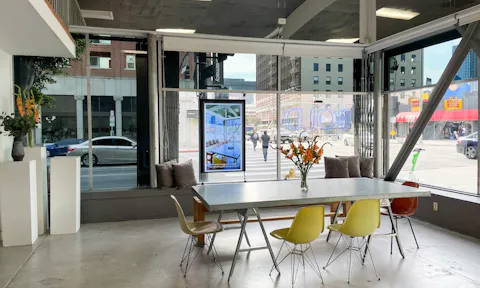

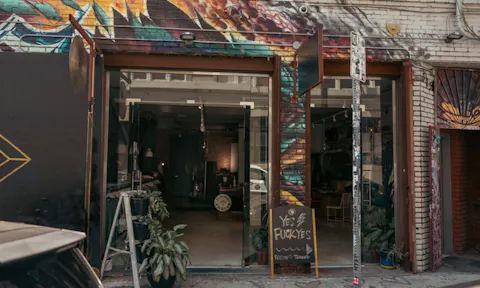
- Flexible retail spaces in Grand Ave, Los Angeles |
- Flexible retail spaces in Hollywood Boulevard, Los Angeles |
- Flexible retail spaces in Santee St, Los Angeles |
- Flexible retail spaces in South Olive St, Los Angeles |
- Flexible retail spaces in South Spring St, Los Angeles |
- Flexible retail spaces in Venice Blvd, Los Angeles
- Art Studios & Creative Spaces in Downtown Los Angeles |
- Cheap Space in Downtown Los Angeles |
- Cheap Storefront in Downtown Los Angeles |
- Corporate Event Venue in Downtown Los Angeles |
- Fashion Week Showroom in Downtown Los Angeles |
- Fitting Rooms in Downtown Los Angeles |
- Shopping Mall Space & Shopping Centre Space in Downtown Los Angeles |
- Small Storefront in Downtown Los Angeles |
- Storefront With Kitchen in Downtown Los Angeles
Why rent a Showroom Space in Downtown, Los Angeles?
Choosing the right location is a critical factor in achieving retail success, particularly when it comes to renting a showroom space in Downtown Los Angeles. This vibrant area is not only the cultural heart of the city but also a bustling commercial hub. By opting for showroom space in Downtown, brands can tap into a diverse customer base and maximize their visibility, making it a strategic choice for both emerging and established businesses.
One of the main benefits of renting a retail space is the opportunity to access significant foot traffic. Downtown Los Angeles attracts visitors year-round, drawn in by its mix of art, entertainment, dining, and shopping options. This constant flow of potential customers means that businesses can directly connect with their target audience, enhancing their chances of boosting sales. By establishing a presence in such a key location, brands can elevate their visibility and create memorable experiences that customers will associate with their products.
Another important advantage of renting a showroom space in this area is the ability to build a strong brand presence. A strategically located showroom allows businesses to showcase their offerings in a way that aligns with their brand identity. Setting up shop in Downtown Los Angeles positions brands within a creative and innovative environment, where they can influence and interact with their clientele. This connection helps to foster brand loyalty, as customers are more likely to return to a showroom that resonates with their lifestyle and values.
Being situated in a vibrant commercial area like Downtown Los Angeles not only enhances a brand’s visibility but also opens up networking opportunities with nearby businesses. Collaborating with other retailers or service providers can create synergistic benefits, from co-hosting events to cross-promotional strategies. Such partnerships can further enhance customer outreach and drive more traffic to a showroom, improving overall sales potential.
Renting a retail space also offers flexibility and scalability, which is especially beneficial for businesses looking to test concepts before making long-term investments. By starting with a showroom rental, brands can assess the responsiveness of their target audience, adapt their offerings, and refine their marketing strategies based on real-time insights. This type of agility allows retailers to make informed decisions about future expansion or development, ensuring that they remain competitive in an ever-evolving market.
In conclusion, renting a showroom space in Downtown Los Angeles presents numerous retail store rental benefits. From accessing foot traffic and building brand presence to enjoying strategic advantages in a bustling commercial area, the opportunity to connect directly with customers cannot be overstated. Furthermore, the flexibility and scalability of renting retail spaces allow brands to experiment and innovate without the burden of long-term commitments. All these factors make Downtown Los Angeles a prime location for businesses looking to thrive in the retail landscape.
How much does it cost to rent a Showroom Space in Downtown, Los Angeles?
How much does it cost to rent a showroom space in Downtown, Los Angeles? Understanding retail rental costs is crucial for businesses planning to establish a presence in a competitive market like Los Angeles. Retail store rental prices can vary significantly based on several factors, including location, size, foot traffic, and overall market demand.
In Downtown Los Angeles, showroom spaces are often located in bustling areas that attract significant pedestrian traffic. On average, rental prices for spaces in prime locations can reach between $4 to $7 per square foot, making it essential to assess whether the investment aligns with business goals. In contrast, showroom spaces in suburban areas or less trafficked zones may range from $1.50 to $3 per square foot. These examples highlight the stark differences in costs depending on the specific location within the city.
Several factors contribute to the fluctuation of retail rental prices. Firstly, location is paramount; a space near popular attractions such as the Staples Center or L.A. Live significantly drives up costs due to high foot traffic and visibility. Store size also plays a critical role—the larger the space, the higher the rental cost, although price per square foot may decrease as the size increases. Market demand can shift prices as well; during economic booms, when more brands seek out prime locations, competition can elevate costs.
For businesses considering Downtown Los Angeles, it is vital to budget for additional costs beyond the base rent. Utilities, which can fluctuate widely, typically add 10 to 20 percent to a monthly budget. Additionally, security deposits often require two months of rent upfront, while taxes and maintenance fees can further increase ongoing expenses. Depending on the type of lease agreement, tenants might also have to cover maintenance or common area fees, which can add up over time.
In conclusion, navigating the costs associated with renting a showroom space in Downtown Los Angeles requires careful consideration and strategic planning. Setting a realistic budget, comparing various options, and consulting local experts can significantly enhance a business's chances of finding a suitable space. By understanding both the typical retail store rental prices and the factors affecting retail rental costs, businesses can make informed decisions that support their growth and success in a dynamic marketplace.
Benefits of leasing a Showroom Space in Downtown, Los Angeles?
Leasing a showroom space in downtown Los Angeles presents a cost-effective and flexible solution for businesses looking to showcase their products in a high-demand area. With the average price of retail space in downtown Los Angeles reaching over $4,000 per month for standard locations, leasing becomes an attractive alternative for both established brands and emerging businesses wanting to make their mark without the burden of a hefty initial investment.
One key benefit of leasing is access to prime real estate that would otherwise be financially out of reach for many. Owning space in downtown Los Angeles can cost millions of dollars, making leasing an ideal choice for those looking to establish a presence in this vibrant market. By leasing, businesses can position themselves strategically in areas frequented by their target audience, increasing foot traffic and visibility while only committing to short-term or long-term rental agreements based on their needs.
Another significant advantage is scalability. As businesses grow, so do their needs for space. Leasing options offer the flexibility to upscale or downsize according to changing circumstances. This adaptability is particularly crucial for retailers and showrooms, which must respond quickly to market conditions, consumer preferences, or seasonal demands. Leasing empowers brands to pivot without the constraints linked with property ownership.
In many leasing agreements, landlords provide maintenance or infrastructure support, which reduces operational headaches for tenants. This means that businesses can focus on their core operations and customer experience rather than managing repairs or facility upkeep. This added benefit fosters a healthier working environment and promotes a better experience for customers visiting the showroom.
Leasing event spaces is particularly advantageous for businesses hosting occasional promotions or special events. Showroom spaces can often be reserved on an hourly or daily basis, with costs ranging anywhere from $100 to $10,000 depending on the size, location, and amenities offered. This flexibility allows businesses to hold events without the long-term commitment of a traditional lease while still taking advantage of premium locations.
As with any significant business decision, it is essential to assess market trends before committing to a lease. Understanding local dynamics can provide insights into potential customer traffic and competition. Moreover, calculating total costs should not only include the rental price but also any additional fees such as utilities, maintenance, and other associated expenses. It’s equally important to ensure that the lease terms align with the specific goals of the business, whether it be for brand exposure, direct sales, or product launches.
Leasing a showroom space in downtown Los Angeles offers numerous benefits, including access to prime locations, flexibility for growth, and the convenience of maintenance support. With the right lease agreement, businesses can thrive in one of the most bustling areas of the city while strategically leveraging their real estate needs to achieve success.
What are the most popular neighborhoods for renting a Showroom Space in Downtown, Los Angeles?
When considering the best neighborhoods for renting a showroom space in Downtown Los Angeles, it is essential to recognize how local culture, demographics, and market trends shape the suitability of each area for different types of businesses. Each neighborhood has unique characteristics that attract specific audiences, which can significantly impact the success of a showroom.
Creative hubs, such as the Arts District, are ideal for showrooms looking to showcase innovative designs and engage with a vibrant community. This area is known for its artistic ambiance and attracts a demographic that values creativity and originality. Nearby landmarks such as art galleries, trendy cafes, and boutique shops contribute to heightened foot traffic, making it an excellent choice for businesses aiming to connect with a young, dynamic clientele. Foot traffic in the Arts District can reach around 10,000 visitors on weekends, offering opportunities for interaction and brand exposure.
In contrast, the Fashion District is another prime area for showroom rental. It caters specifically to fashion brands and retail operations, with a concentration of buyers, designers, and trendsetters. Renting a space here provides immediate access to a market that is well-versed in fashion trends. The presence of nearby wholesale markets and established retailers ensures a steady flow of potential customers. Estimated foot traffic in this area exceeds 15,000 daily, making it a bustling hub for business activity.
High-end districts such as Bunker Hill and Financial District offer distinct advantages for luxury retail showrooms. This area is frequented by affluent clientele and professionals from nearby business centers. The allure of upscale shopping establishments and fine dining options attracts a demographic that values exclusivity and high-quality products. The foot traffic in these districts is significant, as many visitors come for leisure or business, providing an opportunity to engage with potential customers. With foot traffic averaging around 12,000 per day, the potential for sales and brand recognition is substantial.
When evaluating neighborhood profiles, it is crucial to assess factors such as rental costs in relation to expected returns. Thorough market research can uncover valuable insights regarding the demographics of the area and potential customer behavior. In addition, considerations like access to public transportation, parking availability, and proximity to other attractions can influence foot traffic and overall visibility. Potential renters should weigh these factors carefully to strike a balance between location costs and the potential benefits of increased exposure.
Some of the most advantageous neighborhoods and streets for renting a showroom space in Downtown Los Angeles include Gensler's headquarters along Bunker Hill, Showroom Row in the Fashion District, and the artistic corners of the Arts District near 6th Street. These locations combine significant foot traffic with access to key demographics, setting the stage for successful business endeavors.
Ultimately, understanding the unique characteristics of each neighborhood, along with the significance of nearby landmarks and demographics, will help businesses make informed decisions about renting showroom spaces in Downtown Los Angeles. Focusing on top neighborhoods can significantly enhance branding and sales opportunities, allowing companies to thrive in a competitive market.
Steps involved in planning a Showroom Space in Downtown, Los Angeles
Planning a showroom space in Downtown Los Angeles requires a strategic approach to ensure success. The first step is identifying the purpose of the space. Understand what products or services will be showcased and the ambiance you want to create. This clarity will guide your design and layout decisions.
Next, comprehending your target audience is essential. Define their demographics, interests, and shopping behaviors. This information will inform not only the showroom design but also the type of marketing campaigns that will resonate with them. Conducting thorough market research is vital to evaluate demand and competition in Downtown Los Angeles. This area is known for its vibrant retail landscape, but understanding what nearby showrooms offer will help you differentiate your space.
Establishing a realistic budget is the next critical step. This budget should cover lease costs, renovations, staffing, inventory, and marketing efforts. When preparing your inventory, ensure it aligns with your audience's preferences and trends in the market. A well-curated inventory can significantly enhance the customer experience and drive sales.
Marketing and promotion are crucial to attract foot traffic. Develop a marketing strategy that utilizes both online and offline channels. Social media and local advertising can be effective in drawing attention to your showroom, particularly in a bustling area like Downtown Los Angeles.
Hiring staff trained in customer service is another important aspect. Well-informed and friendly staff can make a substantial impact on a customer's experience in the showroom. They should be able to engage with customers, answer questions, and facilitate transactions seamlessly.
Creating an immersive experience for customers can set your showroom apart. Consider incorporating interactive elements, sensory touches, and engaging visuals to captivate visitors. Meanwhile, managing payment transactions securely is non-negotiable. Implement reliable payment systems to ensure smooth financial processes while protecting customer data.
After launching the showroom, it is crucial to analyze data regularly. Evaluate customer feedback, sales metrics, and foot traffic patterns to identify areas for improvement or potential changes in inventory or marketing strategies.
Location selection is particularly important in Downtown Los Angeles. Accessibility is key, so ensure the space is easy to reach by public transport and has adequate parking options. Nearby amenities, such as cafes or shopping areas, can enhance foot traffic and make your showroom a destination in itself.
In conclusion, when planning a showroom space, it is wise to consult local real estate experts who understand the dynamics of Downtown Los Angeles. Reviewing lease agreements thoroughly will protect your interests and align with your business goals. Choosing the best location for commercial spaces is not just about visibility but also about how that location fits into your overall strategy for business growth.
How long should you rent a Showroom Space in Downtown, Los Angeles to achieve your goals?
When considering how long to rent a showroom space in Downtown Los Angeles, the optimal lease length can greatly depend on the type of business, its specific goals, and the intended use of that space. Showrooms may serve a variety of functions, from showcasing products and engaging with customers to hosting events and generating brand interest. Thus, understanding the different rental durations for commercial spaces is crucial.
Short-term leases, which can range from a few days to a year, are particularly appealing for businesses that are utilizing showroom spaces for pop-up events or limited-time presentations. This flexibility allows brands to test the market, promote new products, or engage directly with their audience without long-term commitments. Such setups are perfect for seasonal promotions or launching new product lines, creating a sense of urgency and exclusivity that often appeals to consumers.
On the other hand, longer lease lengths, typically spanning three to five years, are better suited for businesses aiming for stability and customer familiarity. A prolonged presence in a prime location can build brand recognition, foster customer loyalty, and ultimately establish a strong relationship with the local community. For established brands or those expecting consistent, long-term growth, committing to a longer rental period might be more beneficial in terms of operational stability and financial planning.
An emerging trend in the commercial real estate market is the rise of flexible lease options. More businesses are discovering the advantages of adapting their leases based on changing consumer behaviors and market conditions. Flexible rentals allow brands to pivot and adjust their strategies without being constrained by traditional long-term agreements.
To determine the appropriate rental duration for your showroom space, it is advisable to evaluate your business goals. Are you looking to make a short-term impact or seeking to build long-term connections with your customer base? Understanding prevailing market trends will also play a significant role in your decision. Engaging with local market data can provide insights into which timeframe aligns best with potential consumer demands.
Lastly, it is essential to consult lease agreements carefully to ensure that the rental duration aligns with your business objectives. Be clear about your vision for the showroom and how it fits into your broader marketing and sales strategies. By considering these aspects, you can achieve optimum results in your leasing decisions and effectively plan your rental timelines for success.
How can xNomad help your brand successfully launch a Showroom Space in Downtown, Los Angeles?
How can xNomad help your brand successfully launch a Showroom Space in Downtown, Los Angeles?
Launching a showroom space in Downtown Los Angeles can be a pivotal moment for your brand, and partnering with xNomad can elevate that experience to new heights. As a trusted pop-up retail partner, xNomad specializes in providing comprehensive end-to-end retail solutions that simplify the complex world of location scouting, design, and marketing. With a keen understanding of the intricacies involved in establishing a successful retail space, xNomad ensures a seamless experience from concept to execution.
One of xNomad’s key advantages is its ability to offer versatile and flexible services tailored to your brand's unique needs. Whether you are seeking a temporary pop-up or a more permanent showroom, xNomad allows you to book spaces ranging from days to months, or even years. This flexibility empowers brands to test markets and adapt strategies without the commitment typically associated with long-term leases.
Trust is at the core of xNomad's mission. They prioritize creating a reliable partnership between brands and landlords, ensuring that both parties benefit from their collaboration. Their full-service approach means that xNomad is committed to customer satisfaction and innovation, providing designers, furnishers, and staffing solutions, which leads to move-in-ready spaces, allowing you to focus on what truly matters—showcasing your brand.
xNomad's global presence is unmatched, making it an ideal partner for brands looking to scale locally or internationally. With a network of partnerships that revitalizes urban areas, xNomad creates memorable and innovative pop-up experiences that captivate audiences. These experiences not only reflect your brand’s ethos but also contribute to the broader community, enhancing the vibrancy of the locations they are in.
With a proven track record of success with globally recognized brands, xNomad has demonstrated their ability to deliver consistent results. Their commitment to excellent communication ensures that you remain informed at every step of the process, allowing you to make strategic decisions that align perfectly with your brand objectives.
In conclusion, if you are considering launching a showroom space in Downtown Los Angeles, choose xNomad as your partner. Their focus on trust, innovation, and simplicity equips your brand with the necessary tools to connect with the perfect space and achieve exceptional results. Let xNomad help you navigate the complexities of retail space creation and ultimately build a strong community presence that resonates with your audience.
FAQ
Q: What factors should businesses consider when choosing a showroom location in Downtown Los Angeles?
A: Businesses should consider foot traffic, proximity to target demographics, and nearby attractions when choosing a showroom location in Downtown Los Angeles. High-traffic areas like the Arts District or Fashion District can enhance visibility and customer engagement. Additionally, accessibility to public transportation and parking can influence customer convenience and showroom success.
Q: How does the seasonality affect showroom space rental in Downtown Los Angeles?
A: Seasonality can significantly impact showroom space rental in Downtown Los Angeles, with higher demand during peak shopping seasons like the holidays. Businesses may face increased competition and rental costs during these times. Planning ahead and securing spaces early can help brands capitalize on seasonal traffic and maximize sales opportunities.
Q: What are the potential challenges of renting a showroom space in Downtown Los Angeles?
A: Renting a showroom space in Downtown Los Angeles can present challenges such as high rental costs, competition for prime locations, and fluctuating market demand. Businesses must also consider additional expenses like utilities and maintenance fees. Conducting thorough market research and budgeting for these factors can mitigate risks and ensure successful operations.
Q: How does renting a showroom space compare to leasing in terms of flexibility and cost?
A: Renting a showroom space offers more flexibility than leasing, allowing businesses to test markets without long-term commitments. While leasing may provide stability, renting can be more cost-effective for short-term needs. For instance, pop-up events benefit from rental agreements, while established brands may prefer leasing for consistent presence and customer loyalty.
Q: How can businesses effectively market their showroom space in Downtown Los Angeles?
A: Businesses can market their showroom space in Downtown Los Angeles by leveraging social media, local advertising, and partnerships with nearby retailers. Hosting events and offering exclusive promotions can attract foot traffic and enhance brand visibility. Engaging with the local community through collaborations can also boost customer interest and showroom success.
Q: What are the legal considerations when renting a showroom space in Downtown Los Angeles?
A: Legal considerations when renting a showroom space in Downtown Los Angeles include understanding lease terms, zoning regulations, and compliance with local business laws. Businesses should review contracts carefully, ensuring clarity on responsibilities for maintenance and utilities. Consulting legal experts can help navigate these complexities and protect business interests.
Q: How can xNomad assist in finding the ideal showroom space in Downtown Los Angeles?
A: xNomad can assist in finding the ideal showroom space in Downtown Los Angeles by offering a range of flexible rental options and expert guidance. Their platform connects brands with suitable spaces, simplifying the process of location scouting and lease negotiation. xNomad's expertise ensures a seamless experience, allowing brands to focus on successful showroom launches.
Q: What is the best way to evaluate the success of a showroom space in Downtown Los Angeles?
A: Evaluating the success of a showroom space in Downtown Los Angeles involves analyzing sales data, customer feedback, and foot traffic patterns. Businesses should assess whether the location meets their strategic goals and contributes to brand visibility and customer engagement. Regular reviews and adjustments based on performance metrics can optimize showroom outcomes.
Q: What is a pop-up shop and how does it work in Paris 7e 75007 mall?
A: A pop-up shop is a temporary retail space that allows businesses to sell products for a limited time. These shops create excitement and can test new markets without the long-term commitment of a traditional store. For example, a clothing brand might host a holiday-themed pop-up in a mall in Paris 7e 75007.
Q: How do I find pop-up retail space in Paris 7e 75007 mall?
A: You can find pop-up retail space by searching online marketplaces, local real estate listings, or by contacting mall management directly in Paris 7e 75007. Networking with business groups or using platforms like xNomad can also help identify available locations. Social media may provide leads on openings as well.
Q: What types of spaces are available for pop-up shops in a Paris 7e 75007 mall?
A: In a Paris 7e 75007 mall, you can find various spaces for pop-up shops, including storefronts, kiosks, and open areas for events. These spots can vary in size and location, providing flexibility for different types of merchandise. For instance, a small kiosk may be ideal for artisanal food while a larger storefront suits fashion brands well.
Q: How far in advance should I book a pop-up space in a mall in Paris 7e 75007?
A: It’s advisable to book a pop-up space at least 1-3 months in advance in a mall in Paris 7e 75007. This lead time allows for proper planning, marketing, and setup. However, some spaces may be available on short notice, especially during off-peak seasons.
Q: Can I rent a pop-up space for just one day or one weekend in a Paris 7e 75007 mall?
A: Yes, many malls in Paris 7e 75007 offer the option to rent pop-up spaces for just one day or one weekend. This flexibility allows businesses to host short-term events or promotions. For example, a seasonal sale or a special event can be effectively executed within this timeframe.
Q: Do I need a permit to run a pop-up shop in Paris 7th arrondissement mall?
A: Yes, you typically need a permit to run a pop-up shop in Paris 7th arrondissement. This allows local authorities to regulate business activities and ensure compliance with zoning laws. Failing to obtain a permit can lead to fines or closure of the shop.
Q: How do I obtain a pop-up shop permit in Paris 7th arrondissement mall?
A: To obtain a pop-up shop permit in Paris 7th arrondissement, you must apply through the local city hall or relevant municipal office. The application usually requires documentation such as your business plan and the location of the pop-up shop. It's advisable to check the specific requirements on the city's official website.
Q: How long does it take to get a pop-up shop permit in Paris 7th arrondissement mall?
A: The processing time for a pop-up shop permit in Paris 7th arrondissement can vary, typically ranging from a few weeks to a couple of months. It depends on the complexity of your application and any required approvals from other departments. Planning ahead is essential to meet your opening timeline.
Q: Can I operate a pop-up shop without a permit in Paris 7th arrondissement mall?
A: Operating a pop-up shop without a permit in Paris 7th arrondissement is not advisable and may result in legal repercussions. Local authorities can issue fines or shut down the shop if it’s found to be in violation of regulations. It's critical to ensure all permits are secured before launching.
Q: Do I need insurance for a pop-up shop in Paris 7th arrondissement mall?
A: Yes, obtaining insurance for a pop-up shop in Paris 7th arrondissement is highly recommended. Insurance can protect you from liability issues, property damage, and other risks. Many venues may require proof of insurance before allowing you to operate within their location.
Q: Are there any specific permit requirements I should know about before booking a space for a pop-up shop in Paris 7th arrondissement?
A: Yes, before booking a space for a pop-up shop in Paris 7th arrondissement, familiarize yourself with specific permits required for your business type. These may include health permits, signage permits, or special event permits. Check local regulations to ensure compliance.
Q: Does the venue handle permits, or is that my responsibility for a pop-up shop in Paris 7th arrondissement mall?
A: Generally, securing permits is your responsibility when operating a pop-up shop in Paris 7th arrondissement. While some venues may assist with the process or provide guidance, you should confirm with the venue regarding their role in permit acquisition. It's important to clarify this before moving forward.
Q: What are some creative display ideas for a pop-up shop in Paris 7th arrondissement mall?
A: Use unconventional materials like reclaimed wood or vibrant textiles for a unique look. Incorporate local art or interactive elements to engage customers. For example, a Paris 7th arrondissement pop-up could feature a local artist’s work as a backdrop, creating both ambiance and a talking point.
Q: How can I design an eye-catching pop-up stand on a budget in Paris 7th arrondissement mall?
A: Opt for DIY decor and affordable materials like cardboard or fabric to craft your stand. Utilize smart lighting and signage to enhance visibility without overspending. A well-designed pop-up in Paris 7th arrondissement can still attract attention with minimal investment by focusing on a clean, inviting layout.
Q: How do I make my pop-up shop social media friendly in Paris 7th arrondissement mall?
A: Create visually appealing displays and dedicated photo spots that encourage visitors to share their experiences online. Use consistent branding and hashtags relevant to Paris 7th arrondissement to boost engagement. A strategically placed neon sign can encourage visitors to snap and share photos for social media.
Q: What are some pop-up shop table display ideas in Paris 7th arrondissement mall?
A: Use tiered displays or clear acrylic stands to showcase products at varying heights. Incorporating themed decorations that reflect Parisian culture can enhance the aesthetic appeal. For instance, a table featuring artisanal French goods can use lavender and vintage crockery to create an inviting atmosphere.
Q: What are the most trending pop-up shop display ideas right now in Paris 7th arrondissement mall?
A: Biophilic design, incorporating natural elements like plants, is trending for creating a calming atmosphere. Minimalist setups that emphasize product quality are also popular. A current trend in the Paris 7th arrondissement involves using sustainable materials to attract eco-conscious consumers.
Q: What furniture or fixtures do I need to set up a pop-up shop in Paris 7th arrondissement mall?
A: Essential items include modular display units, collapsible tables, and portable seating options. Consider using rolling racks for clothing or shelving for products, ensuring you maximize space. A well-appointed Paris 7th arrondissement pop-up should ideally include flexible furniture to accommodate varying layouts.
Q: What are the first steps to starting a pop-up shop in Paris 7th arrondissement for a mall project?
A: The first steps include defining your concept and target audience, securing permits, and finding a suitable location. This process helps to establish a clear vision and ensures compliance with local regulations. For instance, researching local mall policies can help streamline your setup.
Q: Do I need a business plan for a pop-up shop in Paris 7th arrondissement for a mall project?
A: Yes, having a business plan is essential for a pop-up shop, especially in a mall setting. It outlines your objectives, marketing strategies, and financial projections. A well-structured plan can attract investors and help in securing an ideal space in a competitive market like a Parisian mall.
Q: What should I look for when choosing a pop-up shop location in Paris 7th arrondissement for a mall project?
A: You should look for high foot traffic, nearby competition, and demographics that match your target customers. The right location increases visibility and sales opportunities. For example, a space near popular retail stores in the mall can provide significant exposure.
Q: What are the key benefits of running a pop-up shop in Paris 7th arrondissement for a mall project?
A: Key benefits include low startup costs, increased brand visibility, and the ability to test markets quickly. Running a pop-up shop allows for immediate consumer feedback while generating buzz. For example, successful pop-up shops in Paris have led to permanent storefronts.
Q: What are some successful examples of mall projects in Paris 7th arrondissement?
A: One successful example of a mall project in Paris 7th arrondissement is the Beaugrenelle shopping center. Opened in 2013, it features over 120 shops, restaurants, and a multi-screen cinema. This revitalized area attracts both locals and tourists, adding to the diversity of shopping experiences in the city.
Q: Who are the key stakeholders involved in mall projects in Paris 7th arrondissement?
A: Key stakeholders involved in mall projects in Paris 7th arrondissement typically include developers, local government authorities, and retail tenants. Developers like Unibail-Rodamco often collaborate with city planners to ensure compliance with urban regulations and zoning laws. Additionally, partnerships with retailers can enhance the mall's attractiveness and economic viability.
Q: What are the common challenges faced by mall projects in Paris 7th arrondissement?
A: Common challenges faced by mall projects in Paris 7th arrondissement include regulatory hurdles and competition from e-commerce. Urban planning regulations can delay project timelines, while online shopping trends may reduce foot traffic in physical retail spaces. Addressing these issues is crucial for the long-term sustainability of mall developments in the area.
Q: How do mall projects in Paris 7th arrondissement impact local economies?
A: Mall projects in Paris 7th arrondissement positively impact local economies by creating jobs and attracting tourists. Not only do these malls provide employment opportunities in retail and management, but they also stimulate local businesses and hospitality sectors. For instance, the Beaugrenelle shopping center has increased pedestrian traffic, benefiting nearby cafes and stores.
Q: What innovative features are being incorporated into new mall projects in Paris 7th arrondissement?
A: Innovative features being incorporated into new mall projects in Paris 7th arrondissement include sustainable design elements and digital shopping experiences. Developers are focusing on green building practices, such as energy-efficient systems and landscaped rooftops. Additionally, malls are integrating technology, like interactive directories and mobile apps, to enhance customer experience.
Q: What should I consider when planning a pop-up shop for my brand in Paris 2nd arrondissement for a mall project?
A: Consider location, target demographics, and seasonality when planning your pop-up shop in Paris 2nd arrondissement. Assess foot traffic and accessibility to ensure visibility and attract customers. Additionally, align your offerings with local trends to maximize engagement. For instance, xNomad recently emphasized the importance of selecting high-traffic areas for their successful events.
Q: How do I choose the right pop-up format for my brand in Paris 2nd arrondissement for a mall project?
A: Choose the right pop-up format by evaluating your brand’s goals and audience in Paris 2nd arrondissement. For instance, a storefront may be ideal for product launches, while a concession could work for limited-time sales or food-related items. Research what competitors are doing in the area to inform your decision. Recent data shows that dedicated store formats enjoy higher consumer engagement than market stalls.
Q: What are the most common mistakes first-time pop-up operators make in Paris 2nd arrondissement for a mall project?
A: Common mistakes include inadequate planning, poor location choice, and lack of marketing in Paris 2nd arrondissement. First-time operators often underestimate the importance of promotion and miss out on attracting shoppers. Additionally, failing to properly manage inventory can lead to lost sales opportunities. Surveys indicate that 60% of first-time operators struggled with overstock due to poor forecasting.
Q: What are the best locations and setups for outdoor pop-up shops for a mall project in Paris 7th arrondissement?
A: The best locations for outdoor pop-up shops for a mall project include busy pedestrian streets, parks, and popular public squares. Setups should ensure visibility and accessibility, utilizing tents or kiosks that align with the aesthetic of the area. For instance, bustling areas near the Eiffel Tower can attract significant foot traffic.
Q: How do I run a pop-up shop outside or on a trail/market route for a mall project in Paris 7th arrondissement?
A: To run a pop-up shop outside for a mall project, secure necessary permits, choose a high-traffic location, and set up engaging displays that attract passersby. Consider logistics like electricity and water access where applicable. Areas near local markets, like the Marché de la Création, are ideal for visibility and customer interaction.
Q: What should I consider when doing a pop-up shop at an outdoor event for a mall project in Paris 7th arrondissement?
A: When organizing a pop-up shop at an outdoor event for a mall project, consider weather conditions, target audience, and logistical requirements like staffing and inventory management. Engagement through interactive elements can enhance customer experience. Events alongside the Seine can be particularly favorable due to the vibrant atmosphere and crowds.
Q: What equipment do I need for a pop-up coffee shop in Paris 7th arrondissement for a mall project?
A: For a pop-up coffee shop setup in Paris 7th arrondissement for a mall project, essential equipment includes an espresso machine, coffee grinder, brewing devices, and a portable point-of-sale system. You'll also need furniture like tables and chairs, signage, and an attractive display for your offerings. A compact setup is crucial for efficiency in high-traffic areas of a mall.
Q: What are the best locations for a pop-up coffee shop in Paris 7th arrondissement for a mall project?
A: Ideal locations for a pop-up coffee shop in Paris 7th arrondissement for a mall project are near entrances, busy food courts, or event spaces within the mall. These spots will attract foot traffic and enhance visibility. Positioning yourself near popular retailers can also drive additional customers to your coffee shop.
Q: How do I promote a pop-up coffee event on social media in Paris 7th arrondissement for a mall project?
A: To promote a pop-up coffee event on social media in Paris 7th arrondissement for a mall project, create visually appealing posts showcasing your offerings and location. Utilize local hashtags and collaborate with influencers to broaden your reach. Consider running targeted ads to attract local coffee lovers, maximizing awareness before the event.
Q: How do I start a successful pop-up coffee shop in Paris 7th arrondissement for a mall project?
A: To start a successful pop-up coffee shop in Paris 7th arrondissement for a mall project, first secure necessary permits and select high-traffic mall locations. Focus on unique offerings and quality service to stand out. Plan an engaging launch event to draw in customers and utilize social media marketing for ongoing promotion, ensuring sustained interest in your shop.
Découvrez nos espaces Scopri i nostri spazi Ontdek onze ruimtes 探索我们的空间