- 1Projects

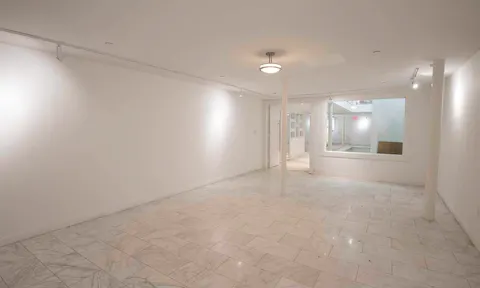


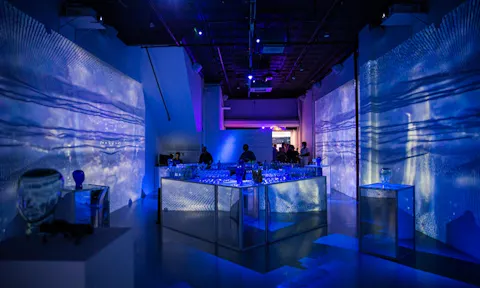
- Flexible retail spaces in Broadway (SoHo), New York |
- Flexible retail spaces in Crosby Street, New York |
- Flexible retail spaces in Greene Street, New York |
- Flexible retail spaces in Mercer, New York |
- Flexible retail spaces in Prince Street, New York |
- Flexible retail spaces in Sullivan Street, New York |
- Flexible retail spaces in Wooster Street, New York
Why rent a Retail store in Soho, New York?
Why Rent a Retail Store in Soho, New York?
Choosing the right location is crucial for retail success. In the bustling landscape of New York City, Soho stands out as a prime destination for brands looking to make a mark. The neighborhood’s unique blend of high foot traffic, artistic charm, and affluent clientele creates an ideal environment for retail ventures. Renting a retail store in Soho can significantly enhance your business prospects, making it an attractive option for brands of all sizes.
One of the primary benefits of renting a retail space is the direct access to foot traffic that Soho offers. The area is known for its vibrant atmosphere, attracting both locals and tourists alike. This influx of visitors provides an environment where your brand can thrive, increasing your visibility and driving potential sales. By situating your shop in Soho, you can build a stronger brand presence in a targeted area that aligns with your customer demographics.
The strategic advantages of being in a vibrant commercial area like Soho are clear. With its cobblestone streets dotted with art galleries, boutiques, and cafes, the neighborhood offers better visibility for your retail store. This visibility translates to increased sales potential, as shoppers are naturally drawn to explore the area. Additionally, being in proximity to other successful businesses can foster valuable networking opportunities. This ecosystem can lead to collaborations that enhance your store's reach and impact.
Renting a retail space in Soho also offers businesses the flexibility and scalability needed to navigate the dynamic marketplace. The option to rent spaces for various durations—whether for days, weeks, months, or even years—allows retailers to test their concepts without the hefty commitment of a long-term lease. This adaptability is especially beneficial for emerging brands looking to understand their customer base and sales patterns before making significant investments.
Moreover, the benefits of a retail store rental extend beyond mere location. Working with experienced providers can streamline processes such as location scouting, concept design, and marketing. Professional assistance can optimize your retail strategy, ensuring you make the most of your chosen space and its potential.
In summary, renting a retail store in Soho, New York, offers numerous advantages that can propel your brand forward. From the significant foot traffic and visibility to the flexibility of short-term rentals, Soho presents unique opportunities for businesses to connect directly with customers and grow in a competitive market. As you consider your retail strategy, the advantages of retail spaces in this iconic neighborhood are undoubtedly worth exploring.
How much does it cost to rent a Retail store in Soho, New York?
When planning your business, understanding retail rental costs is crucial to ensuring financial viability and long-term success. Especially in vibrant and high-demand areas like Soho, New York, determining the cost to lease a shop can significantly influence your strategic decisions. Soho is renowned for its artistic flair, luxury boutiques, and high foot traffic, making it a prime location for retail spaces. However, this demand comes with a price.
In Manhattan, particularly in Soho, retail rental prices can vary widely based on several factors. For instance, prime storefronts on Broadway or West Houston Street can command rental rates ranging from fifty to over one hundred dollars per square foot annually. Conversely, spaces located slightly off the main thoroughfares may see lower rates, around twenty to forty dollars per square foot. It's essential to note that these figures are indicative and can fluctuate based on seasonal demand, economic conditions, and internal competition.
Location remains one of the most influential factors in retail rental costs. City centers, especially those with high pedestrian traffic, usually have premium pricing due to visibility and access. In contrast, suburban areas tend to have more reasonable rates. For example, while commercial spaces in Soho may attract attention due to their location, a comparable space in a suburban area might range from ten to twenty dollars per square foot annually. This substantial difference highlights the importance of considering your target audience and location carefully.
Store size is another decisive element affecting rental prices. Larger retail spaces typically incur higher costs; however, they can also provide greater profit opportunities through an expanded inventory and enhanced customer experience. For instance, a 1,500 square foot shop in a prime Soho location may cost you over one hundred thousand dollars annually, while the same size space in a less trafficked area could cost significantly less.
Market demand plays a crucial role as well. In high-performing retail ecosystems like Soho, increased competition can lead to bidding wars, further driving up costs. Seasonal fluctuations can also impact pricing; shops may see spikes in rental costs during peak shopping seasons or events.
In addition to base rental prices, prospective lessees should be aware of other expenses that can significantly affect the overall cost of running a retail store. Utilities, maintenance fees, and property taxes must be budgeted alongside rent. These additional costs can range from a few hundred to several thousand dollars monthly, depending on the space and location. Furthermore, deposits may be required upfront, often equating to one to three months' rent.
Given the complexities of retail rental costs in Soho, establishing a budget is crucial when considering leasing options. Start by researching the market to delineate a range of potential costs accurately. Compare various locations and their different offerings to gain insights on what fits both your brand and your budget. Consulting local experts can provide valuable guidance and ensure that you are well-informed about the current market landscape.
In conclusion, navigating the rental landscape in Soho requires a thorough understanding of various factors affecting retail rental costs. By considering these elements and conducting diligent research, you can position your brand for success in one of the most dynamic shopping destinations in New York.
Benefits of leasing a Retail store in Soho, New York?
Leasing a commercial space, particularly in a vibrant area like Soho, New York, offers a cost-effective and flexible solution for businesses looking to establish themselves in a prime location. Whether for a retail store, showroom, or event venue, leasing provides access to high-demand areas that would otherwise require millions of dollars to purchase. According to recent real estate reports, commercial leasing costs in desirable neighborhoods like Soho can range from $100 to $500 per square foot annually, making leasing an attractive option for startups and established businesses alike.
One of the primary benefits of leasing is scalability. As businesses evolve, their space needs may change. Leasing allows for easy adjustments—whether it’s moving into a larger space as a business grows or downsizing when necessary. This flexibility is particularly vital in competitive markets where retail trends can shift rapidly. Moreover, many lease agreements include maintenance or infrastructure support from landlords, which means brands can focus on their core business operations rather than worrying about property upkeep.
In addition to traditional leases, event spaces in Soho can be leased on an hourly or daily basis, accommodating everything from product launches to temporary pop-up shops. Prices for these spaces can vary significantly based on size and amenities, typically ranging from $100 to $10,000. This affordability allows brands to test the waters in a high-traffic area without committing to long-term expenses or property purchases.
When considering leasing commercial spaces, it is crucial to assess current market trends and calculate total costs involved in the lease. Look for areas witnessing growth and investment, as these are indicators of potential foot traffic and sales opportunities. Also, ensure that the lease terms align with your specific business goals, whether that means a short-term engagement for a seasonal product launch or a longer commitment for sustained brand presence.
In conclusion, leasing a retail store in Soho provides unparalleled opportunities through cost-effective commercial space rentals and access to strategic locations. The flexibility, scalability, and added benefits of landlord support make leasing an attractive option for businesses eager to thrive in one of New York's most iconic neighborhoods.
What are the most popular neighborhoods for renting a Retail store in Soho, New York?
Soho, New York, is a vibrant neighborhood known for its rich artistic history and high-end retail offerings, making it an ideal location for businesses aiming to thrive in a competitive market. Different types of businesses benefit from specific areas within Soho, which is influenced by the local culture, demographics, and evolving market trends. The creative energy of Soho, characterized by its unique cast-iron architecture and artistic community, positions it as a prime location for fashion boutiques, art galleries, and premium retail stores.
Neighborhoods like Soho are strategically advantageous due to their demographics. Visitors include a mix of locals, tourists, and students drawn by nearby universities and cultural landmarks. The foot traffic in Soho typically ranges from ten thousand to twenty thousand people daily, providing substantial exposure for retail businesses. With landmarks such as the iconic Broadway shopping street and proximity to the bustling Nolita neighborhood, companies can capitalize on the continuous flow of potential customers.
For businesses looking to establish a presence in Soho, understanding how neighborhoods vary by purpose is crucial. Creative hubs in Soho are especially suited for showrooms and pop-up stores that require a unique aesthetic backdrop. High-end districts attract luxury retailers seeking to align their brand with affluent clientele, whereas the more industrial areas of Soho serve as excellent venues for events that can engage the local community and drive brand awareness.
Key locations for commercial spaces within Soho include West Broadway, Spring Street, and Mercer Street. These streets are highly sought after due to their increased foot traffic, visibility, and accessibility. When evaluating neighborhood profiles, businesses should consider several factors such as nearby landmarks, the competitive landscape, and the community's characteristics that align with their brand’s target audience.
Balancing location costs with expected returns is essential for any retail endeavor. While rental prices in Soho can be on the higher side, the potential for sales growth driven by location advantages makes investing worthwhile. Businesses should conduct thorough market research, leveraging local insights and tools, to ensure their chosen spot meets both budget constraints and expected customer engagement levels.
Overall, Soho offers a dynamic environment for retail businesses, provided they strategically analyze neighborhood profiles and align their offerings with the community's culture and values. Understanding the local landscape and leveraging location advantages for commercial leases can lead to successful retail ventures in this iconic New York neighborhood.
Steps involved in planning a Retail store in Soho, New York
Planning a retail store in Soho, New York, requires a strategic approach to ensure success in one of the most vibrant shopping districts in the city. To begin with, identifying the purpose of your retail space is crucial. Are you looking to create a flagship store, a pop-up experience, or a long-term retail location? This will significantly influence your subsequent steps.
Understanding your target audience is another essential component. Conduct thorough market research to evaluate demand and competition in various neighborhoods within Soho. Recognizing the demographics and purchasing behaviors of potential customers will help you tailor your offerings effectively.
Setting a realistic budget is vital in the planning process. This budget should account for rent, staff salaries, inventory, marketing expenses, and operational costs. Preparing your inventory involves assessing what products will attract your target audience while aligning with your brand identity.
Effective marketing and promotion strategies are essential for attracting foot traffic to your store. Utilize social media, local advertising, and partnerships with neighborhood businesses to boost visibility. Hiring the right staff plays a critical role in customer experience. Well-trained employees are key to creating an inviting atmosphere that encourages repeat business.
Creating an immersive experience for customers can set your store apart from competitors. This can include unique layout designs, interactive displays, or events that engage shoppers. Ensuring secure payment transaction management is also paramount, as customer trust hinges on the safety of their financial information.
Moreover, proximity to public transportation and nearby amenities can significantly impact the foot traffic your store receives. Considerations such as access to public transport, parking options, and local attractions can influence location choice. Areas with heavy pedestrian traffic and vibrant community spaces are ideal for increasing visibility.
Lastly, it is crucial to analyze the data collected from sales and marketing efforts to refine your approach continuously. Consulting local real estate experts can provide insights into the best locations for commercial spaces, while reviewing lease agreements ensures that you fully understand the terms and commitments involved. Aligning your location choices with long-term business goals will ultimately enhance the potential for growth and success in Soho's competitive retail environment.
In conclusion, successful planning for a retail store involves a well-thought-out strategy that combines market research, budgeting, and customer engagement. By prioritizing these steps, you can create a dynamic retail space that resonates with customers and contributes to your business growth in one of New York's most sought-after locations.
How long should you rent a Retail store in Soho, New York to achieve your goals?
When considering how long to rent a retail store in Soho, New York, the optimal lease length largely depends on the type of business, its specific goals, and the intended use of the space. Businesses must carefully assess their rental duration based on their unique needs, whether they are looking to establish a permanent retail location, host temporary events, or showcase products in a showroom.
For businesses planning to capitalize on trends and seasonal demands, short-term leases, which can range from a few days to a year, are often ideal. These leasing terms are particularly advantageous for pop-up shops or temporary events that aim to create buzz and urgency among consumers without the commitment of a long-term contract. Short-term leasing allows brands to experiment with their offerings, gauge customer interest, and build brand awareness in a vibrant area like Soho, which is known for its thriving retail scene.
On the other hand, businesses seeking stability and the familiarity that comes with a permanent presence may benefit from longer leases. Typically lasting three to five years, these leases can provide a sense of security and help businesses establish a loyal customer base. Longer-term rentals allow brands to invest in their space, build out their vision, and create a strong identity in the marketplace.
In today's ever-evolving retail environment, flexible lease options are becoming increasingly commonplace. These agreements enable businesses to adapt to changing market conditions without the burden of long-term commitments. A flexible lease provides the freedom to adjust plans based on consumer behavior, economic changes, or evolving brand strategies.
To determine the best rental duration for your retail space in Soho, it is crucial to evaluate your business goals and understand market trends. Consider factors such as customer demographics and competition in the area. Additionally, be sure to consult lease agreements carefully to ensure they align with your business objectives.
Ultimately, planning rental timelines for success requires a strategic approach. By assessing your specific needs and the dynamic nature of the marketplace, you can make informed decisions about the length of your lease, positioning your business for growth and success in one of the most exciting retail districts in New York.
How can xNomad help your brand successfully launch a Retail store in Soho, New York?
Launching a retail store in Soho, New York, offers brands a unique opportunity to connect with a diverse and vibrant consumer base. However, navigating the complexities of establishing a presence in this iconic area requires expertise and reliable support. xNomad stands out as a trusted partner for brands seeking to launch and thrive in Soho, providing end-to-end retail solutions that simplify the process.
One of the unique selling points of xNomad is its ability to offer versatile and flexible services that bridge the gap between brands and landlords. As a full-service agency, xNomad specializes in location scouting, concept design, and marketing, tailored specifically to the diverse needs of modern brands. This means companies can focus on their core competencies while xNomad manages the operational details, ensuring a seamless launch experience.
xNomad is committed to trust, innovation, and simplicity in every project. Their approach encompasses not just the initial setup of retail spaces but also design, furnishing, and staffing, making every location move-in-ready. This comprehensive support empowers brands to showcase their products effectively without the typical headaches associated with venue setup and management.
With a global presence, xNomad is well-positioned to assist brands looking to scale locally or internationally. This wide reach enables them to connect brands with optimal locations while considering factors that drive foot traffic and brand visibility. Their partnership network also plays a crucial role in invigorating urban areas, crafting memorable and innovative pop-up experiences that engage local communities and enhance brand loyalty.
xNomad’s proven track record speaks volumes about its capabilities. Having collaborated with renowned global brands, xNomad demonstrates a consistent ability to deliver exceptional results. Their commitment to excellent communication and community-building ensures that each project aligns seamlessly with the brand’s vision and objectives.
In conclusion, when brands choose to work with xNomad, they are selecting a trusted pop-up retail partner that connects them with perfect spaces while providing comprehensive solutions from inception to execution. With a focus on innovation and customer satisfaction, xNomad is dedicated to transforming retail dreams into reality, making it the ideal ally for brands eager to make a mark in Soho, New York.
FAQ
Q: What factors should a brand consider when choosing a retail location in Soho, New York?
A: Brands should consider foot traffic, proximity to complementary businesses, and alignment with target demographics when choosing a retail location in Soho. High visibility areas like Broadway offer increased exposure but come at a premium. Evaluating neighborhood profiles and conducting market research can help in selecting a location that maximizes customer engagement and sales potential.
Q: How does seasonal demand affect retail rental prices in Soho, New York?
A: Seasonal demand can significantly impact retail rental prices in Soho, with costs often rising during peak shopping seasons like the holidays. During these times, increased competition for prime locations can drive up rental rates. Brands should plan ahead and secure leases early to avoid inflated costs and ensure availability during high-demand periods.
Q: What are the potential challenges of renting a retail store in Soho, New York?
A: Renting a retail store in Soho presents challenges such as high rental costs, intense competition, and the need for continuous market adaptation. The area's popularity can lead to bidding wars and fluctuating prices. Brands must also navigate complex lease agreements and ensure compliance with local regulations to avoid legal issues.
Q: How can a brand effectively market its retail store in Soho, New York?
A: Effective marketing in Soho involves leveraging social media, local partnerships, and community events to attract foot traffic. Brands should create engaging in-store experiences and collaborate with nearby businesses for cross-promotions. Utilizing digital marketing strategies can also enhance visibility and drive customer engagement in this competitive market.
Q: What is the cost-related nuance of renting a retail space in Soho, New York?
A: Beyond base rent, brands must consider additional costs such as utilities, maintenance fees, and property taxes when renting in Soho. These expenses can add significantly to the overall cost, impacting budget planning. It's crucial to factor in these costs and negotiate lease terms that align with financial goals.
Q: How does xNomad assist brands in finding the right retail space in Soho, New York?
A: xNomad helps brands find the right retail space in Soho by offering location scouting, concept design, and marketing services. Their expertise simplifies the process, allowing brands to focus on core operations. xNomad's network and experience ensure optimal space selection, enhancing brand visibility and customer engagement.
Q: What timing considerations should be made when planning a retail launch in Soho, New York?
A: Timing considerations include aligning the launch with peak shopping seasons and local events to maximize foot traffic. Brands should secure leases 3–6 months in advance to access prime locations. Planning around seasonal trends and consumer behavior can enhance the impact of a retail launch in Soho.
Q: How can a brand ensure a successful pop-up store launch in Soho, New York?
A: A successful pop-up store launch in Soho requires strategic planning, including selecting a high-traffic location, creating a unique customer experience, and executing targeted marketing campaigns. Collaborating with platforms like xNomad can streamline the process, providing valuable insights and resources to optimize the launch.
Q: What are the benefits of short-term retail leases in Soho, New York?
A: Short-term retail leases in Soho offer flexibility, allowing brands to test markets, launch seasonal products, and create buzz without long-term commitments. This adaptability is ideal for pop-up shops and emerging brands looking to gauge customer interest and refine their retail strategies in a dynamic environment.
Q: How can a brand navigate legal challenges when renting retail space in Soho, New York?
A: To navigate legal challenges, brands should thoroughly review lease agreements, understand zoning regulations, and ensure compliance with local laws. Consulting with legal experts and real estate professionals can provide guidance, helping brands avoid disputes and secure favorable terms when renting retail space in Soho.
Q: What is a pop-up retail shop and how does it work in New York Soho?
A: A pop-up retail shop is a temporary retail space that allows brands to engage customers and test markets. These shops typically operate for a limited period, offering a unique retail experience. In New York Soho, businesses often use these spaces to create buzz and reach new audiences, like the recent collaboration by local artists and brands.
Q: How do I find pop-up retail space in New York Soho?
A: You can find pop-up retail space in New York Soho by utilizing platforms like xNomad and other real estate listings. Additionally, local networking events and community boards can provide leads on available spaces. Many businesses also connect with landlords directly to negotiate terms.
Q: What types of spaces are available for pop-up retail shops in New York Soho?
A: In New York Soho, pop-up retail shops can be found in various spaces such as storefronts, art galleries, or vacant spaces tailored for retail use. These locations often feature high foot traffic, making them ideal for temporary sales initiatives. For example, many fashion brands set up in high-visibility areas during events.
Q: How far in advance should I book a pop-up space in New York Soho for retail?
A: It’s best to book a pop-up space in New York Soho at least 1 to 3 months in advance. This allows time for any necessary permits and marketing promotions. Some popular locations get reserved quickly, especially during peak seasons or events like Fashion Week.
Q: Can I rent a pop-up retail space in New York Soho for just one day or one weekend?
A: Yes, you can rent a pop-up retail space in New York Soho for just one day or a weekend. Many property owners are flexible with short-term leases to accommodate quick activations. xNomad often features options specifically for brief rentals, catering to casual events and unique promotional activities.
Q: Do I need a permit to run a retail pop-up shop in New York Soho?
A: Yes, you need a permit to run a retail pop-up shop in New York Soho. Specific regulations may apply based on your location and the nature of your business. Not obtaining the necessary permits can result in fines or closure.
Q: How do I obtain a retail pop-up shop permit in New York Soho?
A: You can obtain a retail pop-up shop permit in New York Soho by applying through the city's Department of Consumer and Worker Protection. You’ll typically need to provide details about your business and location. Check for any additional required documentation specific to pop-up shops.
Q: How long does it take to get a retail pop-up shop permit in New York Soho?
A: The processing time for a retail pop-up shop permit in New York Soho can vary, but it generally takes 2 to 4 weeks. Factors such as application completeness and volume of applications received can influence this timeline.
Q: Can I operate a retail pop-up shop in New York Soho without a permit?
A: No, you cannot operate a retail pop-up shop in New York Soho without a permit. Failing to secure this permit can lead to penalties, including fines or immediate shutdown of your shop.
Q: Do I need insurance for a retail pop-up shop in New York Soho?
A: Yes, you need insurance for a retail pop-up shop in New York Soho. General liability insurance is recommended to protect against potential claims. Some venues may even require proof of insurance before allowing you to operate.
Q: Are there any specific permit requirements I should know about before booking a space for a retail pop-up shop in New York Soho?
A: Yes, before booking a space for a retail pop-up shop in New York Soho, it's essential to check for zoning regulations and permits specific to the district. Different neighborhoods can have varying requirements, so researching beforehand is crucial.
Q: Does the venue handle permits, or is that my responsibility for a retail pop-up shop in New York Soho?
A: Generally, obtaining permits for a retail pop-up shop in New York Soho is your responsibility. While some venues may assist or have arrangements in place, it’s advisable to confirm this up front to ensure compliance with local regulations.
Q: What are some creative display ideas for a retail pop-up shop in New York?
A: Incorporate interactive elements like a photo booth or DIY stations to engage visitors. Use local art for wall displays, and consider using ambient lighting for a cozy atmosphere. For example, a clothing pop-up could have a branded mirror for selfies.
Q: How can I design an eye-catching retail pop-up stand in New York on a budget?
A: Use repurposed materials such as wooden pallets or old crates for shelving and displays. Creative signage made from foam boards can effectively attract attention without heavy spending. For instance, a food pop-up could use simple chalkboards to highlight daily specials.
Q: How do I make my retail pop-up shop in New York social media friendly?
A: Create visually appealing backdrops for photos, and include branded hashtags. Consider setting up an Instagram-worthy "selfie spot" that encourages sharing. For example, using neon signs and bright colors can drive traffic and increase social shares.
Q: What are some pop-up shop table display ideas for a retail environment in New York?
A: Utilize layered heights for table displays to create visual interest, and incorporate clear signage. Organize products in themed sections to simplify browsing. An example is a skincare pop-up displaying items on stacked boxes of various heights.
Q: What are the most trending pop-up shop display ideas in New York right now?
A: Utilize immersive experiences like augmented reality features or virtual try-ons in your displays. Eco-friendly materials and minimalistic designs are gaining popularity too. For instance, sustainability-focused brands are opting for all-natural products and biodegradable materials.
Q: What furniture or fixtures do I need to set up a retail pop-up shop in New York?
A: Essential items include display tables, mannequins, comfortable seating, and storage solutions. Make sure to have attractive signage and lighting to enhance visibility. For example, portable racks can efficiently showcase clothing while saving space.
Q: What are the first steps to starting a pop-up retail shop in New York?
A: The first steps in launching a pop-up retail shop in New York involve defining your concept and target market. Research the competition and establish a budget, including costs for renting a space, inventory, and marketing. It's essential to obtain necessary permits and licenses, ensuring compliance with local regulations. For example, many successful pop-ups often start with a well-defined niche that resonates with local consumers.
Q: Do I need a business plan for a pop-up retail shop in New York?
A: Yes, having a business plan for a pop-up retail shop in New York is advisable. It outlines your goals, target audience, and marketing strategies, providing a roadmap for your business. Additionally, a solid plan can attract potential investors or partners. For instance, a clear plan helps articulate your unique selling proposition, which is crucial in a competitive market like New York.
Q: What should I look for when choosing a pop-up retail shop location in New York?
A: When selecting a location for a pop-up retail shop in New York, prioritize high foot traffic areas with relevant demographics. Consider proximity to complementary businesses, visibility, and overall accessibility. Rental costs should align with your budget while providing sufficient exposure. For instance, popular neighborhoods like Soho or Williamsburg are known for their vibrant shopping scenes and can significantly boost customer engagement.
Q: What are the key benefits of running a pop-up retail shop in New York?
A: The key benefits of running a pop-up retail shop in New York include increased brand visibility and the ability to test new markets. Pop-ups create urgency and exclusivity, attracting customers eager for unique shopping experiences. Moreover, they offer lower overhead costs compared to traditional retail spaces. Successful pop-ups in the city often see rapid customer interest, leading to significant short-term sales.
Q: What are some notable challenges for a retail project in New York?
A: A major challenge for a retail project in New York is the high cost of real estate, which can limit spaces available for rent. Additionally, intense competition from established brands makes entering the market difficult. Businesses must carefully strategize their offerings and positioning to attract foot traffic in such a saturated environment.
Q: What are the key opportunities for a retail project in New York?
A: A retail project in New York has opportunities due to the city's large, diverse population and high tourist traffic. The vibrant culture and trendsetting reputation also create a fertile ground for unique retail experiences. Brands can leverage this by tailoring their offerings to meet the evolving demands of both locals and visitors.
Q: What should I consider when planning a retail project for my brand in New York?
A: You should consider location, target audience, and budget when planning your retail project. A prime location, like New York’s Soho, attracts foot traffic, which is crucial for visibility. It's essential to create an engaging experience that aligns with your brand identity while managing costs effectively. For instance, a well-placed pop-up in Soho can significantly increase brand exposure.
Q: How do I choose the right pop-up format for my brand in New York for a retail project?
A: To choose the right format for your retail project in New York, assess your brand's objectives, budget, and audience. Options vary from a market stall to a permanent storefront, each catering to different strategies. For example, a concession in a popular mall may offer higher foot traffic but come with higher costs than a simpler market stall.
Q: What are the most common mistakes first-time pop-up operators make in New York for a retail project?
A: First-time pop-up operators often underestimate the importance of proper planning and marketing in a retail project. Failing to effectively promote the pop-up or misjudging the target audience can lead to poor sales and engagement. A common mistake includes not considering logistics, such as permits and inventory. Those who succeeded, like xNomad, emphasize detailed planning to avoid pitfalls.
Q: What are the best locations and setups for a retail project in New York?
A: Popular locations for outdoor pop-up shops in New York include parks like Bryant Park and neighborhoods with high foot traffic such as Soho. Consider setups that incorporate local aesthetics and engage passersby, like eye-catching displays. Spaces near markets or festivals also attract larger crowds. For instance, the Brooklyn Flea market draws significant weekend traffic.
Q: How do I run a retail project outside or on a trail/market route in New York?
A: To run a pop-up shop on a trail or market route in New York, plan logistics including permits and setup times. Choose pedestrian-heavy areas, and consider aligning with local events to maximize visibility. Providing promotional materials and engaging social media can also drive traffic. For example, participating in events like Smorgasburg can enhance exposure.
Q: What should I consider when doing a retail project at an outdoor event in New York?
A: When hosting a pop-up shop at an outdoor event in New York, consider weather contingencies, target audience, and local regulations. Ensure that your setup is adaptable to various conditions and check for necessary permits. Engaging with other vendors can also foster a community vibe. Events like the New York City Wine & Food Festival are excellent opportunities for retail exposure.
Q: What equipment do I need for a retail project in New York?
A: You'll need a portable espresso machine, grinders, coffee brewers, and retail display equipment for a pop-up coffee shop. Additionally, have supplies like cups, napkins, and a point-of-sale system ready. It’s essential to ensure that everything is mobile and easy to set up. For instance, a compact espresso machine can streamline your operations while maintaining quality.
Q: What are the best locations for a retail project in New York?
A: Ideal locations include high foot-traffic areas such as parks, busy streets, and events or festivals in New York. Consider spots near universities or trendy neighborhoods where coffee culture thrives. For example, pop-up shops often succeed in areas like Soho, especially during art events and weekends.
Q: How do I promote a retail project pop-up coffee event on social media in New York?
A: Use platforms like Instagram and Facebook to create buzz for your pop-up coffee event in New York. Share eye-catching visuals, behind-the-scenes content, and engaging stories to attract your audience. Offer exclusive deals or discounts for followers to encourage attendance. Leveraging local influencers can also boost your visibility.
Q: How do I start a successful retail project for a pop-up coffee shop in New York?
A: Begin by researching permits, securing a location, and sourcing high-quality coffee and equipment tailored for a pop-up coffee shop in New York. Create a business plan that includes your branding strategy, target audience, and marketing efforts. Engaging with the local community and hosting special events can enhance your shop's appeal.
Découvrez nos espaces Scopri i nostri spazi Ontdek onze ruimtes 探索我们的空间