









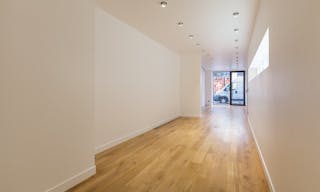
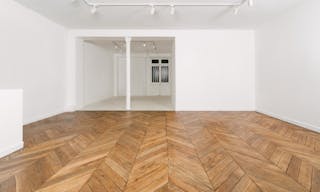


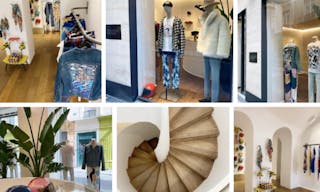
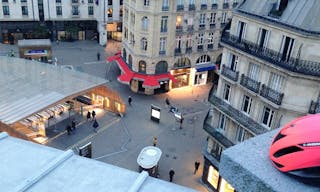




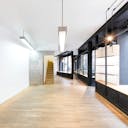
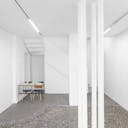
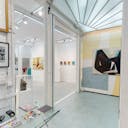

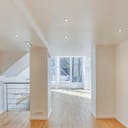


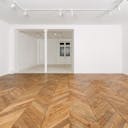

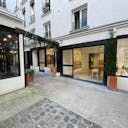


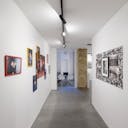

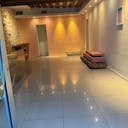
- Popular venues in 1st arrondissement of Paris:
- Art Studios & Creative Spaces in 1st arrondissement of Paris |
- Cheap Space in 1st arrondissement of Paris |
- Cheap Storefront in 1st arrondissement of Paris |
- Corporate Event Venue in 1st arrondissement of Paris |
- Fashion Week Showroom in 1st arrondissement of Paris |
- Fitting Rooms in 1st arrondissement of Paris |
- Shopping Mall Space & Shopping Centre Space in 1st arrondissement of Paris |
- Small Storefront in 1st arrondissement of Paris |
- Storefront With Kitchen in 1st arrondissement of Paris
Why rent a Commercial Space in 1st Arrondissement, Paris?
Choosing the right location is a critical factor in achieving retail success, and renting a commercial space in the 1st Arrondissement of Paris could be one of the best strategic options for your brand. The 1st Arrondissement is not just a place on the map; it is the heart of Paris, drawing in both locals and tourists alike. With attractions like the Louvre Museum and the Palais Royal nearby, the foot traffic in this area can be pivotal for any retail business looking to flourish.
Renting a retail space offers numerous benefits that extend beyond mere accessibility. One of the most significant advantages is the opportunity to connect directly with customers. Being situated in a high-traffic area enables brands to enhance their visibility and establish a strong presence in a targeted locale. This direct interaction with potential customers allows businesses to engage with their audience in a meaningful way, fostering relationships that can lead to brand loyalty and repeat sales.
Moreover, the bustling commercial atmosphere of the 1st Arrondissement boosts sales potential. When your retail store is surrounded by a variety of businesses, you not only gain exposure but also the chance to engage in reciprocal marketing with nearby shops. This networking can lead to collaborative promotions, events, and even shared customer bases, multiplying the impact of your marketing efforts. The vibe of this vibrant area encourages exploration and discovery, ensuring that customers are enthusiastic about visiting.
In addition, renting a retail space provides crucial flexibility and scalability for businesses. Whether you choose to rent for days, weeks, months, or even longer, you can tailor your commitment based on your brand’s specific needs and goals. This adaptability allows businesses to test new concepts, gauge market reactions, and refine their offerings without the heavy burden of long-term leases. If an idea resonates well, you can easily consider extending your presence or even reinforcing your investment in that area.
In conclusion, the benefits of renting a retail store in the 1st Arrondissement of Paris are manifold. From accessing substantial foot traffic to enhancing brand visibility and connecting directly with customers, each aspect contributes to a more successful retail strategy. The strategic advantages of being in a vibrant commercial hub can lead to increased sales and valuable networking opportunities. Flexibility and scalability further allow businesses to innovate and adapt without the constraints of long-term commitments, making renting a retail space an ideal choice for brands looking to make their mark.
How much does it cost to rent a Commercial Space in 1st Arrondissement, Paris?
When planning a business, understanding retail rental costs is crucial for making informed decisions that align with budget and strategy. The cost to lease a shop can vary significantly based on several factors, including location, size, and market demand. In the 1st Arrondissement of Paris, one of the most prestigious and visited areas of the city, businesses can expect to encounter some of the highest retail rental prices in the market.
In competitive city centers like the 1st Arrondissement, rental prices can soar. For instance, average retail rents in this area can range from 3,000 to 15,000 euros per month, depending on the specific street and proximity to iconic landmarks such as the Louvre and Palais Royal. In contrast, suburban areas or locations further away from tourist hotspots may see rates as low as 1,500 to 4,000 euros monthly. This disparity highlights the significant impact that location plays in determining rental costs.
Foot traffic also plays a vital role in establishing retail rental prices. High-traffic zones, especially those frequented by tourists, tend to command premium pricing. For example, commercial spaces located near well-known attractions can charge double or even triple the rent of less-trafficked areas. Additionally, retail spaces close to public transportation options, busy shopping streets, or popular dining areas will often have higher demand and, consequently, higher prices.
The size of the retail space is another critical factor influencing rental costs. Smaller spaces are generally more affordable, but they may not be suitable for all business types. Larger venues, particularly those designed for experiential retail or pop-up events, can range widely in cost. It is not uncommon for larger retail spaces in prime locations to command rents upwards of 20,000 euros per month.
Beyond the base rental price, additional costs such as utilities, maintenance fees, security deposits, and taxes must also be considered. These can add another 20 to 30 percent to the total monthly expenses. For instance, utilities can range from 200 to 800 euros monthly, depending on the energy consumption and size of the shop. Taxes associated with commercial rentals in France, including the famous "taxe foncière", can further escalate costs.
To navigate the complexities of retail rental prices, business owners should establish a clear budget and conduct thorough research on the local market. Comparing different options across neighborhoods will aid in finding the right balance between location and cost. Consulting with local real estate experts can also provide insights into current market trends, ensuring that businesses make educated choices.
Ultimately, understanding the factors affecting retail rental costs, particularly in an iconic location like the 1st Arrondissement of Paris, can empower business owners to strategically plan their investments. By being informed about the rental landscape, allocating a reasonable budget, and seeking expert advice, businesses can better position themselves for success in a competitive marketplace.
Benefits of leasing a Commercial Space in 1st Arrondissement, Paris?
Benefits of Leasing Commercial Spaces in 1st Arrondissement, Paris
Leasing commercial spaces is becoming an increasingly popular choice for businesses and individuals seeking to establish a presence in prime locations without the burden of a large upfront investment. In the vibrant 1st Arrondissement of Paris, known for its historical significance and bustling commercial activities, leasing offers a cost-effective and flexible solution. The ability to secure spaces such as retail stores, event venues, showrooms, or offices allows businesses to optimize their operations while managing costs. With the commercial real estate market in Paris often requiring millions for purchase, leasing stands out as a smart alternative that can help entrepreneurs thrive.
One of the key advantages of leasing is access to high-demand areas. The 1st Arrondissement, which includes iconic landmarks like the Louvre and Palais Royal, presents a unique opportunity for businesses. These prime locations offer significant foot traffic and visibility that are essential for attracting customers. While buying real estate in this area can run into the millions, leasing provides the chance to operate in these sought-after locations for a fraction of the cost. Moreover, leasing agreements can vary from short-term to long-term, catering to businesses of different sizes and needs.
Scalability is another compelling benefit of leasing commercial spaces. Businesses often experience fluctuations in growth, and having the option to expand or downsize as needed is essential for adaptability. Leasing allows companies to adjust their footprint without the hefty financial implications of purchasing property. For instance, start-ups can begin with smaller spaces that align with their current needs, gradually scaling up as their operations grow. This flexibility fosters an environment where entrepreneurs can take calculated risks without the fear of overextending financially.
Furthermore, many commercial leases include maintenance and infrastructure support provided by landlords. This can alleviate some operational burdens, as landlords are often responsible for upkeep and repairs. Such arrangements enable tenants to focus on their core business activities rather than getting sidetracked by property management. In the bustling environment of the 1st Arrondissement, where maintaining a polished image is critical, this support is invaluable.
For those interested in event spaces, leasing offers a variety of options that can be tailored to specific needs. Event spaces can be rented on an hourly or daily basis, with prices ranging from approximately 100 to 10,000 local currency units depending on the size and amenities available. This pricing structure makes it feasible for businesses to host promotional events, product launches, or corporate meetings without committing to long-term contracts. The flexibility of short-term leases also allows businesses to experiment with different locations and venues, enhancing their brand presence without significant financial risk.
As you consider leasing a commercial space in the 1st Arrondissement, it is essential to assess market trends. Understanding local demand, competition, and pricing strategies can guide you in making informed decisions. Additionally, calculating the total costs associated with leasing—beyond just rent—will ensure that the lease aligns with your specific business goals. From utilities to maintenance fees, being transparent about expenses can help avoid unexpected financial pitfalls.
In conclusion, leasing commercial spaces in the 1st Arrondissement of Paris offers numerous benefits ranging from cost-effective access to prime locations to scalability for evolving businesses. With flexible lease terms, maintenance support, and a variety of event space options, leasing stands out as a strategic choice for entrepreneurs and organizations looking to make their mark in one of the most prestigious areas of the city. By staying informed about market dynamics and assessing total costs, businesses can navigate the leasing landscape successfully and position themselves for growth and success in the vibrant Parisian market.
What are the most popular neighborhoods for renting a Commercial Space in 1st Arrondissement, Paris?
When considering the most popular neighborhoods for renting a commercial space in the 1st Arrondissement of Paris, it is essential to understand how different types of businesses thrive based on local culture, demographics, and market trends. This area, known for its rich history and vibrant atmosphere, offers a unique blend of opportunities for various industries. Creative hubs often cater to showrooms and art galleries, while high-end districts serve luxury retail brands looking to attract affluent customers. Conversely, warehouse districts can be ideal venues for events and pop-up experiences.
The 1st Arrondissement is home to notable landmarks such as the Louvre Museum, Palais Royal, and the bustling Rue de Rivoli, which collectively drive significant foot traffic. This neighborhood sees approximately 30,000 to 40,000 visitors daily, particularly during peak tourist seasons. The presence of these landmarks not only enhances the neighborhood's allure but also provides a steady stream of potential customers for businesses. Establishing a commercial presence in close proximity to iconic sites can ensure a higher visibility and footfall, essential for driving sales and brand awareness.
When evaluating neighborhood profiles in the 1st Arrondissement, consider factors like the surrounding businesses, demographic trends, and the overall vibe of the area. For instance, areas near the Louvre attract both tourists and art enthusiasts, making them prime for gallery spaces and luxury retail. In contrast, locations near universities or corporate centers can be advantageous for lifestyle brands or cafes, benefiting from the constant influx of students and professionals.
Balancing location costs with expected returns is crucial for any business. Premium spots often come with higher rental prices, yet the potential for increased sales can justify the investment. Investigating nearby retail trends and consumer behavior is vital to selecting a space that aligns with your brand's objectives and target audience.
Some of the noteworthy streets and neighborhoods for rental opportunities include Rue de Rivoli, which serves as a major thoroughfare with high visibility, and Palais Royal, known for its elegant atmosphere and proximity to cultural hubs. Similarly, areas around the Tuileries Garden and the historic Rue Saint-Honoré are acclaimed for upscale retail, making them highly sought-after locations for luxury brands.
In conclusion, when seeking commercial spaces in the 1st Arrondissement, businesses must consider the cultural landscape, traffic patterns, and the advantages of being near key landmarks. By strategically choosing locations that resonate with the brand’s identity and audience, businesses can thrive in this vibrant Parisian neighborhood.
Steps involved in planning a Commercial Space in 1st Arrondissement, Paris
Planning a commercial space in the 1st Arrondissement of Paris involves several key steps that help ensure success. The first step is identifying the purpose of the space. Understanding what you aim to achieve with your retail or pop-up space will guide decisions throughout the planning process. It could range from marketing a new product to engaging with customers in a unique way.
Next, understanding your target audience is crucial. Knowing who you want to reach helps in tailoring the design, services, and marketing strategies for your space. Conducting market research to evaluate demand and competition in the 1st Arrondissement is essential. This neighborhood is one of the most iconic in Paris and is frequented by both locals and tourists. Evaluating foot traffic, demographics, and existing competitors will give you insights into how well your brand can integrate into the area.
Setting a realistic budget is another important step. Consider all potential costs including rent, utilities, and staffing, and ensure you leave room for unexpected expenses. Preparing your inventory ahead of time is crucial to avoid delays and ensure you have all necessary products and materials ready for launch.
Marketing and promoting your space effectively will attract the right audience. Utilize social media, local influencers, and traditional promotional methods. Hiring the right staff is equally important. They will not only help with day-to-day operations but will also engage with customers and represent your brand effectively.
Creating an immersive experience for customers can set your retail space apart from others. Consider how environmental design elements, such as lighting and layout, can enhance the customer experience. Additionally, ensure that you manage payment transactions securely. Choosing reliable payment systems will increase customer trust and streamline operations.
Another step is to analyze data gathered from customer interactions and sales. This information is vital for making informed decisions about inventory, staffing, and marketing strategies moving forward.
Location is a key factor in the success of a retail space. The 1st Arrondissement offers several advantages including accessibility, public transport options, and nearby amenities. Proximity to popular attractions can drive foot traffic, while good access to public transport can make your space convenient for visitors. Consider aspects such as visibility, parking, and pedestrian access when making location decisions.
Consulting local real estate experts can provide valuable insights into the best locations for commercial spaces. Their knowledge of market trends and local conditions can help you choose the right spot for your business. Reviewing lease agreements carefully is critical. Ensure you understand terms related to duration, rent increases, and responsibilities for maintenance.
Aligning your location choices with your business goals is the final step in the planning process. Make sure that your retail space supports your overall brand strategy and enhances your chances of success. By following these steps, you can effectively plan a commercial space in the vibrant 1st Arrondissement of Paris, positioning your brand for growth and engagement.
How long should you rent a Commercial Space in 1st Arrondissement, Paris to achieve your goals?
When considering how long to rent a commercial space in the 1st Arrondissement of Paris, the optimal lease length heavily depends on the type of business, its goals, and the intended use of the space. For retail businesses and pop-up shops, shorter lease options ranging from a few days to a year can be particularly advantageous. These temporary arrangements allow brands to test the market, create buzz around new products, or take advantage of seasonal shopping trends without committing to long-term obligations.
On the other hand, businesses seeking stability and customer familiarity, such as showrooms or offices, typically benefit from longer leases, generally spanning three to five years. Such durations enable companies to establish a solid presence in a prime area, developing relationships with local customers and fostering brand loyalty over time. The 1st Arrondissement, known for its vibrant atmosphere and high foot traffic, can amplify these benefits.
Flexibility in lease options is becoming increasingly common, allowing businesses to adapt to changing market conditions without the burden of long-term commitments. This trend is especially pertinent in dynamic environments like Paris, where consumer preferences and economic factors can shift rapidly. Flexible leases empower businesses to pivot their strategies, whether that means scaling up operations during peak seasons or downsizing during quieter periods.
When determining the appropriate rental duration for commercial spaces, it is crucial to evaluate business goals clearly. Consider how the chosen lease length aligns with your marketing strategy, your brand's growth ambitions, and the overall vision for your operations. Staying informed about current market trends will also play a pivotal role, enabling you to make timely decisions about leasing agreements that best suit your business needs.
Finally, reviewing lease agreements carefully and understanding their terms is essential. Aligning the rental duration with your business objectives will help ensure you have the right space to achieve success. Whether you are looking to capitalize on short-term opportunities or secure a lasting location, thoughtful planning will be key to navigating the competitive landscape of commercial rentals in the 1st Arrondissement of Paris.
How can xNomad help your brand successfully launch a Commercial Space in 1st Arrondissement, Paris?
Launching a commercial space in the vibrant 1st Arrondissement of Paris presents an exciting opportunity for brands to tap into a rich cultural and tourist hub. However, the success of such an endeavor relies heavily on selecting the right partner to navigate the complexities of retail space activation. xNomad is that trusted partner, offering end-to-end retail solutions that simplify and enhance the entire process.
Why choose xNomad? This full-service agency delivers a seamless experience tailored to the unique needs of brands. Their expertise encompasses location scouting, concept design, marketing, and the essential services of design, furnishing, and staffing. This means brands can move into spaces that are ready to operate without the usual hassles associated with real estate transactions. xNomad’s flexibility allows brands to book spaces for days, weeks, months, or even years, offering versatility that aligns with various strategic goals.
xNomad is committed to building trust and fostering innovation. Their approach ensures that every brand has a tailored solution that meets its objectives while maintaining a high standard of quality. With a global presence, xNomad stands out as a reliable partner capable of helping brands scale locally or internationally. They understand the nuances of different markets, which is especially crucial in a unique and competitive landscape like Paris.
Their extensive partnership network plays a pivotal role in revitalizing urban areas through memorable pop-up experiences. By connecting landlords with innovative brands, xNomad contributes to the dynamic retail environment, enhancing both community engagement and brand visibility. The company has successfully collaborated with numerous trusted global brands, showcasing a proven track record that speaks volumes about their expertise and reliability.
In the bustling heart of the 1st Arrondissement, having a knowledgeable partner like xNomad can make a significant difference in launching a commercial space. Their commitment to excellent communication and community-building ensures that every partnership thrives. By choosing xNomad, brands not only gain access to ideal spaces but also the support needed to create exceptional results.
In summary, xNomad stands as a trusted pop-up retail partner that connects brands with perfect spaces in Paris and beyond. Their comprehensive and innovative approach to retail solutions equips brands with the tools they need to succeed in dynamic markets, making them an invaluable ally in any commercial endeavor.
FAQ
Q: What factors should businesses consider when choosing a location in the 1st Arrondissement, Paris?
A: Businesses should evaluate foot traffic, proximity to landmarks, and the surrounding business environment. High-traffic areas near attractions like the Louvre can boost visibility. It's also crucial to consider the neighborhood's vibe and how it aligns with the brand's target audience. For example, luxury brands might prefer Rue Saint-Honoré for its upscale reputation.
Q: How do rental costs in the 1st Arrondissement compare to other Parisian districts?
A: Rental costs in the 1st Arrondissement are among the highest in Paris due to its central location and tourist attractions. Prices range from 3,000 to 15,000 euros per month, significantly higher than suburban areas where rents can be as low as 1,500 euros. This premium reflects the area's high demand and visibility.
Q: How can businesses effectively manage additional costs when renting retail space in Paris?
A: Businesses should budget for utilities, maintenance fees, and taxes, which can add 20-30% to monthly expenses. It's advisable to negotiate lease terms that clarify these costs upfront. For instance, understanding the "taxe foncière" can prevent unexpected financial burdens.
Q: What are the risks of renting a commercial space in a high-traffic area like the 1st Arrondissement?
A: High rental costs and intense competition are primary risks. Businesses must ensure their offerings stand out to capitalize on foot traffic. Additionally, fluctuating tourist numbers can impact sales. A well-researched market strategy can mitigate these risks, ensuring sustained customer engagement.
Q: How can businesses leverage seasonality when renting a space in the 1st Arrondissement?
A: Businesses can capitalize on peak tourist seasons like summer and holidays by securing leases 3-6 months in advance. This timing ensures access to prime locations and maximizes sales opportunities during high foot traffic periods. For example, pop-up shops can thrive during the Christmas market season.
Q: How does xNomad facilitate the process of finding retail space in the 1st Arrondissement?
A: xNomad simplifies the search by offering a platform to find and book pop-up spaces tailored to brand needs. They provide end-to-end solutions, from location scouting to marketing, ensuring a seamless launch. This service is ideal for brands looking to test new markets without long-term commitments.
Q: What are the advantages of short-term leases for pop-up shops in Paris?
A: Short-term leases offer flexibility, allowing brands to test market reactions and adapt quickly. They minimize financial risk and enable businesses to capitalize on seasonal trends. For instance, a pop-up shop during Paris Fashion Week can attract fashion-forward consumers without a lengthy commitment.
Q: How can businesses ensure a successful launch of a retail space in the 1st Arrondissement?
A: A successful launch involves thorough market research, strategic location selection, and effective marketing. Engaging local influencers and leveraging social media can boost visibility. Additionally, creating an immersive customer experience can differentiate the brand, ensuring a memorable impression.
Q: What are the legal considerations when renting commercial space in Paris?
A: Businesses must understand lease terms, including duration, rent increases, and maintenance responsibilities. Familiarity with French commercial rental laws, such as the "taxe foncière," is crucial. Consulting with a local real estate expert can provide clarity and prevent legal complications.
Q: How does the presence of landmarks like the Louvre impact retail success in the 1st Arrondissement?
A: Landmarks drive significant foot traffic, increasing potential customer exposure. Proximity to attractions like the Louvre enhances brand visibility and can lead to higher sales. For example, a retail store near the Palais Royal can benefit from tourists seeking nearby shopping experiences.
Q: What is a pop-up retail shop and how does it work in Paris-1er-75001?
A: A pop-up retail shop is a temporary space used to sell products or promote a brand for a short duration. It allows businesses to test markets or introduce products without a long-term lease. In Paris-1er-75001, pop-up shops can be found in various high-footfall locations like Rue Saint-Honoré.
Q: How do I find pop-up retail space near me in Paris-1er-75001?
A: To find pop-up retail space in Paris-1er-75001, utilize online platforms like xNomad or Peerspace that list available venues. You can filter by location, size, and price to find a suitable spot. Local real estate agents specializing in retail spaces can also provide valuable insights.
Q: What types of spaces are available for pop-up shops in Paris-1er-75001?
A: In Paris-1er-75001, various types of spaces are available for pop-up retail, including vacant storefronts, galleries, and market stalls. Each option caters to different business models and customer engagement strategies. Notably, areas around Place Vendôme often have chic pop-up venues attracting upscale clientele.
Q: How far in advance should I book a pop-up space in Paris-1er-75001?
A: It's recommended to book a pop-up space in Paris-1er-75001 at least 1 to 3 months in advance. This timeframe allows time for planning and logistics, ensuring availability in popular areas. Spaces during major events, like Fashion Week, may require even earlier bookings.
Q: Can I rent a pop-up space for just one day or one weekend in Paris-1er-75001?
A: Yes, you can rent a pop-up space for just one day or one weekend in Paris-1er-75001. Many venues cater to short-term rentals, allowing for flexibility in your retail project. For instance, xNomad often lists options for daily rentals tailored to quick pop-up ventures.
Q: Do I need a permit to run a retail pop-up shop in Paris?
A: Yes, you generally need a permit to run a retail pop-up shop in Paris. The required permits ensure compliance with local regulations and can vary based on the nature of your operation. It's crucial to check with local authorities to understand specific requirements.
Q: How do I obtain a pop-up shop permit in Paris for retail?
A: To obtain a pop-up shop permit in Paris for retail, you must apply through the local city hall or municipal office. You may need to provide details about your business, location, and duration of the pop-up. Consulting with local business support can simplify the process.
Q: How long does it take to get a retail pop-up shop permit in Paris?
A: It typically takes a few weeks to obtain a retail pop-up shop permit in Paris. This timeframe can vary depending on the complexity of your application and local processing times. It's advisable to apply well in advance of your planned opening.
Q: Can I operate a retail pop-up shop in Paris without a permit?
A: No, you cannot operate a retail pop-up shop in Paris without a permit. Operating without one can lead to fines or closure of your business. All local pop-up businesses are required to adhere to permit regulations to ensure legal compliance.
Q: Do I need insurance for a retail pop-up shop in Paris?
A: Yes, having insurance for a retail pop-up shop in Paris is recommended. Insurance protects against potential liabilities, such as accidents or property damage, and can be essential for securing rental agreements. Many venues may also require proof of insurance.
Q: Are there any specific permit requirements for a retail pop-up shop in Paris I should know about before booking a space?
A: Yes, specific permit requirements for a retail pop-up shop in Paris include providing details about business type, occupancy limits, and safety regulations. It's crucial to gather all necessary information prior to booking a space to avoid complications later.
Q: Does the venue handle permits for a retail pop-up shop in Paris or is that my responsibility?
A: It is usually your responsibility to handle permits for a retail pop-up shop in Paris. While some venues may assist with the process, it's essential to clarify this with the venue management beforehand to ensure all permits are secured.
Q: What are some creative display ideas for a retail pop-up shop in Paris?
A: Utilize local art and culture by incorporating Parisian elements in your displays. For instance, vintage crates can serve as stands for products, and hanging plants can create a welcoming vibe. Engaging visuals and storytelling can resonate well with the Paris audience, making your pop-up unique.
Q: How can I design an eye-catching pop-up stand on a budget for a retail shop in Paris?
A: Use reclaimed materials for your stand, such as pallets or old furniture pieces, which can be found in local markets. Simple decorations like string lights or fabric backdrops can enhance the look without significant costs. Many successful budget stands in Paris creatively use everyday items to draw attention.
Q: How do I make my retail pop-up shop social media friendly in Paris?
A: Create visually appealing backdrops that encourage photo opportunities, such as murals or themed installations. Use a specific hashtag related to your shop and consider partnering with local influencers. In Paris, unique and engaging displays often lead to increased online shares and foot traffic.
Q: What are some pop-up shop table display ideas for a retail setup in Paris?
A: Use height variations by stacking crates or using stands to create layers on your table display. Incorporating small Paris-themed decor, like Eiffel Tower miniatures, can attract curiosity. Many effective displays in Paris utilize simplicity and elegance while showcasing products to invite interaction.
Q: What are the most trending pop-up shop display ideas right now for retail in Paris?
A: Eco-friendly displays made from sustainable materials are gaining traction, along with immersive experiences that engage multiple senses. Whimsical designs that include interactive elements, such as touch and taste, resonate especially well in Paris, aligning with the city's artistic vibe.
Q: What furniture or fixtures do I need to set up a retail pop-up shop in Paris?
A: Essential fixtures include display tables, racks, shelving, and comfortable seating areas to encourage customers to linger. Investing in portable furniture enhances flexibility for changing the layout as needed. In Paris, many pop-up shops succeed with simple yet stylish furnishings that match local aesthetics.
Q: What are the first steps to starting a retail pop-up shop in Paris?
A: The initial steps include defining your target market and product offerings, sourcing inventory, and selecting a location. It's essential to research permits and regulations for retail projects in Paris, as they vary. Additionally, consider reaching out to local vendors for partnerships, which can enhance visibility and attract customers.
Q: Do I need a business plan for a retail pop-up shop in Paris?
A: Yes, having a business plan for a retail pop-up shop in Paris is crucial. It outlines your objectives, budget, marketing strategies, and operational plans. A well-structured business plan not only helps in securing funding if needed but also serves as a roadmap to keep you focused on your retail project goals.
Q: What should I look for when choosing a retail pop-up shop location in Paris?
A: When selecting a retail pop-up shop location in Paris, prioritize foot traffic, accessibility, and proximity to complementary businesses. A site in a bustling area like the Marais or Saint-Germain can maximize visibility and draw in customers. Assess local demographics to ensure your target audience is present in that area.
Q: What are the key benefits of running a retail pop-up shop in Paris?
A: The main benefits include low overhead costs, the opportunity to test new products, and building brand awareness in a vibrant market like Paris. Pop-up shops allow for direct customer engagement, which can lead to valuable feedback. Additionally, they create a sense of urgency, driving sales through limited-time offers.
Q: What are the zoning restrictions for a retail project in Paris 1st arrondissement?
A: Zoning restrictions for a retail project in Paris 1st arrondissement include regulations regarding commercial activities, building height, and aesthetic conformity. These guidelines ensure developments align with local architecture and promote urban cohesion. For example, areas around the Louvre and Palais Royal have specific limitations to preserve cultural heritage.
Q: How can I obtain permits for a retail project in Paris 1st arrondissement?
A: To obtain permits for a retail project in Paris 1st arrondissement, one must submit a detailed project file to the local mairie (town hall). This file should include architectural plans and comply with zoning regulations. Typically, the process can take several months, depending on the complexity and public interest, particularly in areas with high foot traffic.
Q: What should I consider when planning a retail pop-up shop for my brand in Paris?
A: Consider the location, target audience, and duration of the retail pop-up shop. Choosing a high-traffic area like Le Marais can increase visibility, while understanding your audience helps tailor the experience. Moreover, plan for logistics like inventory management and staffing. For example, successful pop-ups in Paris often run for two to four weeks to maximize visitor engagement.
Q: How do I choose the right pop-up format for my brand's retail project in Paris?
A: Select a format that aligns with your brand goals and target audience in Paris. A storefront can offer a more immersive experience, while a market stall provides a lower-cost entry point. Consider your product type and the customer interaction you wish to foster. For instance, fashion brands often thrive in chic boutique settings, attracting the art-loving crowds of the Montmartre district.
Q: What are the most common mistakes first-time pop-up operators make in a retail project in Paris?
A: Common mistakes include underestimating costs and not marketing effectively for the retail pop-up. New operators often overlook expenses like permits and promotions, which can lead to budget overruns. Additionally, failing to create buzz before the opening can hurt foot traffic. For example, a first-time operator in the 2nd arrondissement may have seen increased sales with a pre-launch social media campaign.
Q: What are the best locations and setups for a retail project in Paris?
A: Ideal locations for outdoor pop-up shops in Paris include bustling areas like Le Marais, Montmartre, and near markets such as Marché Bastille. Setting up near foot traffic ensures high visibility, while shaded areas can enhance customer comfort. Utilizing vibrant displays and portable setups like tents can attract attention. For instance, a successful setup during a local market day can lead to increased sales and brand recognition.
Q: How do I run a retail project outside or on a trail/market route in Paris?
A: To run a pop-up shop outside in Paris, choose high-traffic market routes such as along the Seine or near popular districts like Saint-Germain-des-Prés. Acquire any necessary permits, set up your shop early to grab attention, and engage with customers through appealing displays. Utilizing social media to announce your location can draw in crowds, much like a successful event xNomad hosted at a Parisian market.
Q: What should I consider when doing a retail project at an outdoor event in Paris?
A: When planning a pop-up shop at an outdoor event in Paris, consider factors like weather conditions, target audience, and regulatory requirements. Ensure you have adequate permits and infrastructure for protecting merchandise from elements. Additionally, offering interactive experiences or local specialties can enhance customer engagement. For example, a local artisan’s pop-up at a summer festival can draw significant interest.
Q: What equipment do I need for a retail project for a pop-up coffee shop in Paris?
A: You will need a commercial espresso machine, grinders, brewing equipment, a point-of-sale system, and furniture. Additionally, consider portable equipment like a mobile cart or kiosk to enhance mobility. Quality equipment helps maintain consistent beverage quality, attracting customers to your pop-up. For example, investing in a good espresso machine can improve customer satisfaction significantly.
Q: What are the best locations for a retail project for a pop-up coffee shop in Paris?
A: Ideal locations include busy pedestrian areas, parks, and near local events or festivals. High foot traffic is essential to increase visibility and sales. Places like the Marais or near the Louvre are prime spots due to the volume of visitors. Selecting a strategic location can make or break your pop-up's success.
Q: How do I promote a retail project for a pop-up coffee event on social media in Paris?
A: Utilize platforms like Instagram and Facebook to create engaging content, including behind-the-scenes videos and customer testimonials. Collaborate with local influencers to reach a broader audience and encourage shares. You can also consider targeted ads to reach coffee enthusiasts in the area. A well-crafted social media strategy can boost event attendance significantly.
Q: How do I start a successful retail project for a pop-up coffee shop in Paris?
A: Begin by researching local regulations and permits required for operating a pop-up. Develop a strong business plan that includes your target market, menu, and pricing strategy. Choose a unique concept or theme to differentiate yourself from competitors. For instance, aligning your pop-up with local culture can attract more customers.
Découvrez nos espaces Scopri i nostri spazi Ontdek onze ruimtes 探索我们的空间