- 1Projects


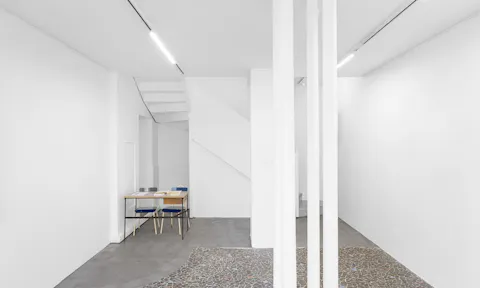

- Art Studios & Creative Spaces in 1st arrondissement of Paris |
- Cheap Space in 1st arrondissement of Paris |
- Cheap Storefront in 1st arrondissement of Paris |
- Corporate Event Venue in 1st arrondissement of Paris |
- Fashion Week Showroom in 1st arrondissement of Paris |
- Fitting Rooms in 1st arrondissement of Paris |
- Shopping Mall Space & Shopping Centre Space in 1st arrondissement of Paris |
- Small Storefront in 1st arrondissement of Paris |
- Storefront With Kitchen in 1st arrondissement of Paris
Why rent a Retail store in First Arrondissement, Paris?
Choosing the right location for your retail business is crucial for its success. The First Arrondissement of Paris, known for its rich history, iconic landmarks, and vibrant culture, offers an unparalleled opportunity for brands looking to make a mark in one of the world's most famous cities. Renting a retail space in this prestigious area not only provides access to a steady stream of foot traffic but also enhances your brand's visibility in a market filled with potential customers.
One of the primary benefits of renting a retail space in the First Arrondissement is the sheer volume of visitors. With attractions such as the Louvre Museum and Palais Royal nearby, foot traffic is consistently high. This allows brands to connect directly with customers in a way that online or remote sales channels simply cannot replicate. Establishing a local presence strengthens your brand identity and fosters customer loyalty, encouraging repeat visits and purchases.
Moreover, being situated in a vibrant commercial area comes with strategic advantages. High visibility from busy streets ensures that your retail store is noticed by potential customers, boosting the likelihood of increased sales. Additionally, retail spaces in this area often come with the benefit of networking opportunities with other local businesses. Building relationships with nearby retailers can lead to collaborative promotions and events that further enhance brand exposure and attract more foot traffic.
Renting a retail store also presents flexibility and scalability that can be particularly advantageous for businesses looking to test their concepts. With the option to rent spaces for days, weeks, months, or even years, brands can assess their market fit without committing to long-term leases. This approach allows businesses to adapt quickly to changing market conditions and customer preferences, facilitating a more agile response to new opportunities and challenges.
In conclusion, renting a retail store in the First Arrondissement of Paris holds numerous benefits, including access to foot traffic, enhanced brand presence, and strategic advantages in a bustling commercial environment. By choosing this prime location, businesses can connect directly with customers, maximize visibility, and leverage networking opportunities, all while maintaining the flexibility to test and scale their offerings as needed. The advantages of retail spaces in such an iconic area cannot be overstated, making it an excellent choice for brands aiming for success.
How much does it cost to rent a Retail store in First Arrondissement, Paris?
When planning a retail business, understanding rental costs is paramount to making informed decisions. The First Arrondissement in Paris stands as a prime example of how location influences rental expenses. This area, known for its historical significance and high foot traffic, offers a unique retail environment. However, potential tenants must be prepared for elevated costs associated with such a prestigious location.
In the First Arrondissement, rental prices for retail spaces can vary significantly based on specific characteristics of the location. For instance, high-traffic areas near landmarks like the Louvre or Palais Royal can command prices upward of 1,500 to 3,000 euros per square meter annually. In contrast, spaces situated in less trafficked side streets may see prices drop to around 900 to 1,200 euros per square meter. This stark contrast illustrates the profound impact that visibility and accessibility have on retail rental prices.
Several factors affect retail rental costs. The location plays a critical role, with city centers generally incurring higher rental rates than suburban areas. Foot traffic is another essential element; spaces in high-traffic zones will naturally attract premium prices due to the potential for increased sales. The size of the store also influences cost, as larger spaces often result in higher overall rental expenses, despite a per-square-meter rate that might appear more appealing.
Market demand can shift prices over time; for instance, during periods of economic growth or tourist peaks, retail rentals in coveted areas like the First Arrondissement may rise sharply. Conversely, in a downturn, landlords might offer more competitive rates to attract tenants. Additional costs must also be considered when budgeting for a retail space. Utilities, which can fluctuate based on the size and type of business, may add substantially to monthly expenses. Deposits and taxes are other essential considerations, along with potential maintenance fees required by landlords.
As potential business owners navigate the complexities of renting in one of Paris's busiest districts, several actionable tips can help maximize their investment. First, establish a clear budget that includes not only rent but also additional costs. This comprehensive financial overview can help prevent surprises down the line. Second, take the time to compare various options in both high-traffic and emerging neighborhoods, as unexpected gems may exist outside the most obvious locations. Finally, consulting local real estate experts can provide valuable insights into market trends and rental price expectations, helping to inform your decision.
In conclusion, the cost to lease a shop in the First Arrondissement of Paris can vary widely based on many factors. By understanding the intricacies of retail rental prices and considering additional expenses, entrepreneurs can make informed choices that align with their business goals and financial capabilities.
Benefits of leasing a Retail store in First Arrondissement, Paris?
Leasing a retail store in the First Arrondissement of Paris can be a game-changing decision for businesses seeking to establish a presence in one of the most prestigious shopping districts in the world. Leasing offers a cost-effective and flexible solution for brands looking for prime retail spaces without the hefty price tag associated with purchasing property. In a city where real estate prices can reach millions of euros, leasing provides an accessible pathway for businesses of all sizes.
The First Arrondissement is renowned for its high-footfall locations, including famous streets like Rue de Rivoli and Rue Saint-Honoré. By leasing a space in this vibrant area, businesses can tap into a consistent stream of potential customers that many established brands have relied on for growth. For instance, while purchasing a retail property in this locale may require an investment of several million euros, leasing allows businesses to occupy a premium location for a fraction of the price, thus allowing brands to allocate budget to inventory, marketing, or enhancing customer experience.
Scalability is another significant advantage of leasing. For growing businesses, the ability to expand or downsize according to market demands is vital. Leasing provides the flexibility needed to adjust the square footage of retail space and adapt to changing business needs without the long-term commitment that buying entails. This adaptability is especially beneficial in today's fast-paced retail environment, where trends can shift rapidly, and consumer preferences can change.
Moreover, many commercial leases include maintenance and infrastructure support from landlords, further reducing the burden on tenants. This means businesses can focus on their core operations while leaving the upkeep of the property to the landlord. This arrangement often covers repairs, utilities, and, in some cases, even marketing support, empowering businesses to thrive without diverting resources to property management.
The retail landscape also embraces short-term leasing options, perfect for pop-up shops or seasonal events. Business owners can lease spaces hourly or daily, with costs typically ranging from €100 to €10,000 depending on the size and amenities offered. This flexibility allows for experimentation with new markets or product lines without the risks involved in long-term commitments.
When considering leasing as an avenue for retail or event ventures, it is essential to assess market trends and calculate total costs associated with the lease. Business owners should ensure the lease aligns with their specific goals and operational budget. Engaging with market analytics to pinpoint optimal times for leasing and understanding neighborhood dynamics can further enhance a business's chances of success in such a competitive landscape.
In conclusion, the benefits of leasing commercial spaces, particularly in sought-after areas like the First Arrondissement of Paris, are clear. The potential to access prime locations without the financial burden of purchase, combined with the flexibility and support that leasing offers, creates an attractive solution for businesses aiming to thrive in the vibrant retail landscape.
What are the most popular neighborhoods for renting a Retail store in First Arrondissement, Paris?
When considering retail opportunities in the First Arrondissement of Paris, understanding the local culture, demographics, and market trends is essential. This area, rich in history and renowned for its iconic landmarks, attracts a diverse clientele, making it an ideal location for various businesses. The First Arrondissement is home to creative hubs, luxury shopping districts, and significant tourist attractions that can significantly influence the success of retail ventures.
This neighborhood features sought-after streets like Rue Saint-Honoré and Rue de Rivoli, which are known for their high foot traffic and upscale boutiques. High-end retail brands thrive here due to the affluent customer base, with foot traffic estimates reaching several thousand daily, particularly near popular landmarks such as the Palais Royal, the Louvre, and the Place Vendôme. The presence of tourists and local shoppers alike ensures a vibrant atmosphere for luxury retail, art galleries, and fashion showrooms.
Conversely, areas within the First Arrondissement that cater to creative businesses may benefit from a different approach. Spaces near contemporary art institutions or fashion workshops can offer a stimulating environment for retail concepts that focus on artistry and innovation. These venues can attract a niche market of discerning customers who appreciate unique offerings, providing a competitive edge.
When evaluating neighborhood profiles, consider factors like proximity to public transportation, visibility from main thoroughfares, and accessibility to complementary businesses, such as cafes or cultural institutions. An ideal retail location not only enhances visibility but also draws in traffic from nearby attractions, making it crucial to assess how these elements align with your business goals.
While prime locations can come with higher rental costs, balancing these expenses with potential returns is vital. Scope out areas where demand outstrips supply but be mindful of long-term leases that can lock in costs. A space in a high-demand location could yield significant returns through increased customer footfall and brand visibility.
As you explore opportunities for renting retail space in the First Arrondissement, consider key streets and neighborhoods attracting both tourists and locals. Areas like Place des Victoires and the charming boutiques along the Palais Royal are just a few examples of prime locales. In essence, the right retail site in the First Arrondissement can harness the area's rich culture and significant pedestrian traffic, ensuring the success of retail endeavors. These location advantages for commercial leases may ultimately lead to a thriving business in one of the world’s most renowned shopping districts.
Steps involved in planning a Retail store in First Arrondissement, Paris
Planning a retail store in the First Arrondissement of Paris requires careful consideration and a strategic approach. The initial step is to identify the purpose of your space. This involves defining your brand identity and understanding how your retail concept aligns with the expectations of your target audience. Knowing your customer base will guide decisions about everything from store layout to product selection.
Understanding the target audience is crucial. Conducting thorough market research will help evaluate demand and competition in the First Arrondissement. Analyze demographic trends, customer preferences, and spending habits to gauge the potential success of your retail store. Consider the unique characteristics of the area, its foot traffic patterns, and the types of consumers who frequent it.
Setting a realistic budget is another key step. Your financial plan should encompass not only the costs of leasing the space but also expenses related to inventory, interior design, marketing, and staffing. Preparing an inventory that resonates with your target audience is essential. Choose products that align with local tastes and preferences while ensuring adequate stock levels to meet customer demand.
Marketing and promotion play a vital role in attracting customers to your store. Develop a robust marketing plan that includes online and offline strategies. Leverage social media, local events, and partnerships to grow awareness about your brand. Create an immersive experience for customers by thoughtfully designing your retail space and incorporating engaging elements that reflect your brand ethos.
Hiring staff who embody your brand values is paramount. They should not only be skilled but also passionate about providing exceptional customer service. Providing them with comprehensive training will ensure they can create a welcoming atmosphere that encourages customers to return.
Managing payment transactions securely is another crucial consideration. Implement reliable payment processing systems that protect customer data and enhance the overall shopping experience.
As your retail operation grows, it’s important to analyze data related to sales, foot traffic, and customer feedback. This analysis will help identify trends and inform future business strategies.
Location selection is integral to the success of your retail store. Consider factors such as accessibility, public transport options, and nearby amenities. The right location not only attracts customers but also enhances their overall shopping experience.
When planning your retail space, consult with local real estate experts who understand the nuances of the First Arrondissement. They can assist in identifying the best locations for commercial spaces and provide insights into market conditions. Review lease agreements carefully to ensure favorable terms and conditions that align with your business goals.
By following these steps and focusing on essential elements such as market research, strategic location, and effective management, you can create a successful retail store in one of the most vibrant areas of Paris.
How long should you rent a Retail store in First Arrondissement, Paris to achieve your goals?
The optimal lease length for renting a retail store in the First Arrondissement of Paris is a vital consideration that depends largely on the type of business, its goals, and the intended use of the space. Different businesses have varying needs when it comes to rental duration, whether they are focused on retail, events, showrooms, or office spaces.
For businesses that aim to create a temporary presence, such as pop-up shops or short-term events, short-term leases ranging from a few days to up to a year can be ideal. These arrangements allow businesses to test new markets, engage with customers in a targeted way, and capitalize on seasonal sales without the commitment of a long-term lease. This flexibility is particularly beneficial in a dynamic environment like the First Arrondissement, where trends can shift rapidly, and consumer preferences can change.
On the other hand, companies seeking stability and customer familiarity typically prefer longer leases, which often last between three to five. Such leases provide businesses the ability to establish a strong brand presence, invest in the space, and develop a loyal customer base. This strategy works well for retailers looking to make a significant investment in their location and cultivate lasting relationships with their clientele.
In recent years, flexible lease options have emerged as a growing trend, making it easier for businesses to adapt to fluctuating markets without committing to long-term contracts. This flexibility is particularly important for startups or businesses in growth phases, allowing them to reassess their needs as they develop.
When determining the appropriate rental duration for commercial spaces, businesses should evaluate their goals carefully. Understanding market trends is equally essential; businesses should conduct thorough research to ensure that their lease aligns with anticipated market dynamics. Additionally, consulting with lease agreements to clarify terms and conditions can further support in aligning rental durations with overall business objectives.
In conclusion, choosing the right rental duration for a retail store in the First Arrondissement of Paris is a strategic decision that should reflect the specific needs of the business, its goals, and the market landscape. By considering all these factors, businesses can better plan their rental timelines for success.
How can xNomad help your brand successfully launch a Retail store in First Arrondissement, Paris?
How can xNomad help your brand successfully launch a retail store in First Arrondissement, Paris?
Launching a retail store in the iconic First Arrondissement of Paris presents an extraordinary opportunity for brands looking to establish a presence in one of the most prestigious shopping districts in the world. However, navigating the complexities of this vibrant market requires a reliable partner. This is where xNomad shines, offering versatile and flexible services tailored to meet the needs of brands aiming to make a significant impact.
xNomad serves as a full-service agency specializing in retail and pop-up spaces, bridging the gap between brands and landlords. Their extensive network and deep understanding of the local landscape make them a trusted pop-up retail partner for brands looking to create memorable, immersive experiences. From location scouting to concept design, xNomad covers every aspect of the retail journey. Their commitment to trust, innovation, and simplicity ensures that brands receive an end-to-end experience, making the process of launching a store seamless.
One of xNomad's standout offerings is its ability to furnish and staff move-in-ready spaces. This allows brands to save valuable time and resources, enabling them to focus on what they do best: connecting with their customers. With spaces available for booking by days, weeks, months, or even years, xNomad provides unparalleled flexibility to accommodate various business needs and objectives.
Moreover, xNomad's global presence makes it a reliable partner for brands looking to scale both locally and internationally. Whether you are launching a short-term pop-up or a long-term flagship store, xNomad's expertise in creating engaging retail experiences can help you achieve your goals. Their established partnerships not only enhance brand visibility but also contribute to the revitalization of urban areas. By focusing on innovative pop-up experiences, xNomad fosters community engagement, turning ordinary spaces into extraordinary destinations.
With a proven track record of collaborating with trusted global brands, xNomad understands the intricacies involved in meeting the unique demands of diverse markets. Clients can rest assured knowing that their brand will be creatively represented in a space that resonates with the local culture while staying true to their brand identity.
In conclusion, choosing xNomad for your retail launch in the First Arrondissement of Paris means choosing a partner dedicated to delivering exceptional results through excellent communication, innovation, and community building. Their mission is to connect brands with perfect spaces, making them the ultimate choice for businesses ready to take that crucial next step in their retail journey. Experience the difference with xNomad and transform your retail aspirations into reality.
FAQ
Q: How does the location within the First Arrondissement impact retail success?
A: The location within the First Arrondissement significantly impacts retail success due to varying foot traffic and visibility. High-traffic areas near landmarks like the Louvre attract more customers, enhancing sales opportunities. Conversely, quieter streets may offer lower rental costs but less exposure. For example, Rue de Rivoli is known for its bustling activity, making it ideal for brands seeking high visibility.
Q: What are the hidden costs of renting a retail space in the First Arrondissement?
A: Hidden costs of renting retail space in the First Arrondissement may include utilities, maintenance fees, and local taxes. These expenses can add substantially to the monthly budget. For instance, a store near the Palais Royal might have higher utility costs due to increased foot traffic and operational demands.
Q: How can brands leverage networking opportunities in the First Arrondissement?
A: Brands can leverage networking opportunities by collaborating with nearby retailers for joint promotions and events. This enhances brand exposure and attracts more foot traffic. For example, a fashion boutique might partner with a local café for a co-hosted event, drawing in diverse customer bases.
Q: What are the potential legal challenges when renting retail spaces in Paris?
A: Potential legal challenges include understanding lease agreements, compliance with local zoning laws, and adhering to commercial property regulations. Missteps can lead to fines or lease termination. Consulting with legal experts familiar with Parisian real estate can mitigate these risks.
Q: How does seasonality affect retail store performance in the First Arrondissement?
A: Seasonality affects retail performance by influencing foot traffic and sales peaks. Tourist seasons, such as summer and the holiday period, typically see increased visitors, boosting sales. Brands should plan promotions and inventory accordingly to capitalize on these high-demand periods.
Q: How does renting a retail space in the First Arrondissement compare to other Parisian districts?
A: Renting in the First Arrondissement offers higher visibility and foot traffic compared to other districts, but at a premium cost. While areas like the Marais may offer lower rents, they lack the iconic landmarks that drive tourist traffic in the First Arrondissement, impacting potential sales.
Q: What strategies can brands use to optimize their retail space in the First Arrondissement?
A: Brands can optimize retail space by designing an inviting layout, utilizing window displays effectively, and incorporating local cultural elements. Engaging store designs can attract passersby, while cultural elements resonate with both locals and tourists, enhancing the shopping experience.
Q: How can xNomad assist in reducing operational complexity for pop-up stores?
A: xNomad simplifies operational complexity by offering move-in-ready spaces and handling logistics like furnishing and staffing. This allows brands to focus on customer engagement rather than setup. For example, a brand launching a pop-up can rely on xNomad to manage space preparation, ensuring a smooth opening.
Q: What factors should be considered when setting a budget for a retail store in the First Arrondissement?
A: When setting a budget, consider rental costs, utilities, staffing, marketing, and potential maintenance fees. It's crucial to account for both fixed and variable expenses to avoid financial strain. For instance, a store on Rue Saint-Honoré may require a higher marketing budget to compete with established luxury brands.
Q: How can businesses assess the market fit for their retail concept in the First Arrondissement?
A: Businesses can assess market fit by conducting thorough market research, analyzing local consumer behavior, and testing concepts through short-term leases. Engaging with local real estate experts can provide insights into neighborhood dynamics and customer preferences, aiding in strategic decision-making.
Q: What is a pop-up shop in Los Angeles and how does it work for a bar?
A: A pop-up shop in Los Angeles is a temporary retail space, often used by bars, to attract customers in a specific location. These shops typically operate for a limited time, allowing bars to test new concepts, reach new clientele, or promote events. For instance, many bars use pop-up locations during events like the Los Angeles Food & Wine Festival.
Q: How do I find pop-up retail space near me in Los Angeles for a bar?
A: To find pop-up retail space in Los Angeles for a bar, you can utilize platforms like xNomad, local real estate listings, or community bulletin boards. Social media and event spaces often advertise available locations for temporary setups. Additionally, networking within the local bar and restaurant community can lead to potential spaces.
Q: What types of spaces are available for pop-up shops like a bar in Los Angeles?
A: Available spaces for pop-up bars in Los Angeles include vacant storefronts, event venues, and even shared kitchen spaces. Some areas, like Downtown LA or West Hollywood, are popular for their high foot traffic and vibrant nightlife. These spaces can vary widely in size and amenities, catering to different themes and target audiences.
Q: How far in advance should I book a pop-up space in Los Angeles for a bar?
A: It's advisable to book a pop-up space in Los Angeles for a bar at least 2-3 months in advance. This ensures you have a wider selection of available spaces and can secure the best location for your event. During busy seasons or major local events, booking even earlier may be necessary.
Q: Can I rent a pop-up space for just one day or one weekend as a bar in Los Angeles?
A: Yes, you can rent a pop-up space for just one day or one weekend for your bar in Los Angeles. Many venues and platforms like xNomad offer flexible rental options to accommodate short-term events. This flexibility is particularly beneficial for special events or promotions aimed at attracting new customers.
Q: Do I need a permit to run a pop-up bar in Los Angeles?
A: Yes, you need a permit to run a pop-up bar in Los Angeles. This ensures compliance with local laws regarding alcohol service and business operations. Without the appropriate permits, you risk fines or closure. It's advisable to inquire with the city's Department of Building and Safety for specific requirements.
Q: How do I obtain a pop-up bar permit in Los Angeles?
A: To obtain a pop-up bar permit in Los Angeles, you need to apply through the local Department of Building and Safety or the Alcoholic Beverage Control (ABC) if alcohol is involved. You may need to provide details about the location and duration of your pop-up. Make sure to gather all necessary documents beforehand.
Q: How long does it take to get a pop-up bar permit in Los Angeles?
A: The time to obtain a pop-up bar permit in Los Angeles can vary, generally taking a few weeks to over a month. It depends on the type of permit required and the current processing workload of the city. Starting the application process early will help ensure timely approval.
Q: Can I operate a pop-up bar in Los Angeles without a permit?
A: No, you cannot operate a pop-up bar in Los Angeles without a permit. Doing so is illegal and can lead to penalties, including fines or being shut down by local authorities. Always ensure you have the necessary permits before starting any business operation.
Q: Do I need insurance for a pop-up bar in Los Angeles?
A: Yes, having insurance for a pop-up bar in Los Angeles is highly recommended. Insurance protects you against potential liabilities, such as accidents or damages. Many venues also require proof of insurance before allowing you to operate on their property.
Q: Are there any specific permit requirements I should know about before booking a space for a pop-up bar in Los Angeles?
A: Yes, specific permit requirements for a pop-up bar in Los Angeles include obtaining a business license and possibly a special event permit. Understand zoning laws and health regulations if you plan to serve food or beverages. Researching these requirements can save time and trouble later.
Q: Does the venue handle permits, or is that my responsibility for a pop-up bar in Los Angeles?
A: Generally, securing permits for a pop-up bar in Los Angeles is your responsibility. While some venues may assist or have provisions in place, it’s crucial to check and ensure you meet all legal requirements independently. Confirming this with the venue can prevent misunderstandings.
Q: What are some creative display ideas for a pop-up bar in Los Angeles?
A: Utilize themed decorations relevant to Los Angeles culture, like beach or Hollywood themes. Incorporate local art and greenery for an inviting atmosphere. A standout feature could be a neon sign highlighting your bar's name, which can also attract social media attention.
Q: How can I design an eye-catching pop-up stand for a bar on a budget in Los Angeles?
A: Focus on DIY elements like upcycled materials for furniture and signage. Use bright colors and strategic lighting to enhance visibility without high costs. For example, create shelves from pallets or use LED strip lights to create an inviting vibe.
Q: How do I make my pop-up bar in Los Angeles social media friendly?
A: Create visually appealing backdrops and designated photo zones that encourage sharing. Incorporate interactive elements, such as a signature drink photo wall or hashtag signs. This encourages your visitors to post their experiences online, increasing visibility.
Q: What are some pop-up bar table display ideas in Los Angeles?
A: Use tiered trays for drink samples and engage customers with themed coasters. Incorporate fresh ingredients and garnishes for a vibrant look and feel. Mix and match table heights to create a dynamic presentation, drawing attention from passersby.
Q: What are the most trending pop-up bar display ideas right now in Los Angeles?
A: Interactive cocktail stations and immersive themed experiences are popular trends. Bars that offer unique crafting experiences or tastings set themselves apart. For instance, a bar offering a mixology class within the pop-up can create buzz and drive traffic.
Q: What furniture or fixtures do I need to set up a pop-up bar in Los Angeles?
A: Essential items include portable tables, bar stools, and decorative stands for showcasing drinks. You might also consider a collapsible bar structure and storage solutions for supplies. A stylish display for merchandise can enhance both functionality and aesthetics for visitors.
Q: What are the first steps to starting a pop-up bar in Los Angeles?
A: The initial steps include conducting market research to identify your target audience and concept. Next, secure necessary permits and licenses required for operating a bar in Los Angeles. Additionally, create a detailed budget and plan the logistics. For example, understanding local alcohol laws is crucial for compliance.
Q: Do I need a business plan for a pop-up bar in Los Angeles?
A: Yes, a business plan is essential for a pop-up bar in Los Angeles. It helps outline your vision, target market, and financial projections. This plan also serves as a roadmap for your temporary operation. Furthermore, potential investors or partners often require a solid business plan to assess feasibility and profitability.
Q: What should I look for when choosing a pop-up bar location in Los Angeles?
A: Look for a location with high foot traffic and visibility to attract customers for your pop-up bar. Consider areas known for nightlife or events, as these will likely enhance customer engagement. For instance, choosing a spot near popular restaurants or entertainment venues can significantly boost attendance.
Q: What are the key benefits of running a pop-up bar in Los Angeles?
A: The main benefits include low startup costs and the ability to test new concepts without long-term commitments. A pop-up bar allows you to engage directly with your target market and quickly adapt offerings based on feedback. In Los Angeles, this flexibility can lead to vital insights for future endeavors.
Q: How is the finance and funding landscape for a bar project in Los Angeles?
A: The financing landscape for a bar project in Los Angeles is diverse, with various funding options including traditional bank loans, private investors, and crowdfunding. The city's vibrant nightlife attracts many potential investors who are eager to capitalize on new bar ventures. As of 2023, bar entrepreneurs in Los Angeles can expect to encounter competitive investment opportunities due to the city's ongoing recovery and growth in the hospitality sector.
Q: What are the primary challenges faced by a bar project in Los Angeles?
A: A bar project in Los Angeles faces several challenges, notably regulatory hurdles and the competitive market. Obtaining necessary licenses and complying with local ordinances can be time-consuming and complex, making it crucial for bar owners to navigate these effectively. Additionally, with roughly 1,500 bars operating in the city, differentiation in offerings is vital to attract customers and thrive.
Q: What should I consider when planning a bar project for my brand in Los Angeles?
A: When planning a bar project in Los Angeles, consider location, target audience, and regulatory requirements. Ensure the venue can attract foot traffic and aligns with your brand image. Additionally, research necessary permits and licenses required for alcohol service. For instance, a bar in a busy area like Downtown Los Angeles may yield higher visibility.
Q: How do I choose the right pop-up format for my brand's bar project in Los Angeles?
A: To choose the right format for your bar project in Los Angeles, assess your goals, budget, and the audience you want to attract. Options like a temporary storefront or a market stall can offer differing customer experiences. The choice should enhance your brand's visibility and engagement. A pop-up bar at events like Los Angeles' food festivals can be highly effective for reaching new customers.
Q: What are the most common mistakes first-time pop-up bar operators make in Los Angeles?
A: Common mistakes first-time pop-up bar operators in Los Angeles make include underestimating costs and not conducting market research. Many fail to account for hidden expenses such as permits and marketing. Additionally, insufficiently promoting the event can lead to low turnout. For instance, a well-advertised bar pop-up can attract large crowds, while a lack of promotion may result in minimal sales.
Q: What are the best locations and setups for outdoor pop-up shops for a bar project in Los Angeles?
A: Ideal locations for outdoor pop-up shops for a bar project in Los Angeles include busy areas like Venice Beach and downtown LA. Ensure you have a sturdy setup with shade and seating, as these attract more customers. High foot traffic can significantly boost sales, such as hosting events near popular attractions.
Q: How do I run a pop-up shop outside or on a trail/market route for a bar project in Los Angeles?
A: To run a pop-up shop outside for a bar project in Los Angeles, secure the necessary permits and choose a busy market route. Setting up near local events can draw large crowds, and mobile bars can help facilitate sales in crowded areas. Leverage social media to announce your location and schedule.
Q: What should I consider when doing a pop-up shop at an outdoor event for a bar project in Los Angeles?
A: When setting up a pop-up shop for a bar project at an outdoor event in Los Angeles, consider permits, alcohol regulations, and equipment for serving drinks. Additionally, take weather into account and have a contingency plan for rain or wind. Venue logistics, such as access to electricity and drainage for spills, are essential for smooth operations.
Q: What equipment do I need for a bar project in Los Angeles?
A: For a bar project in Los Angeles, essential equipment includes an espresso machine, grinders, brewing tools, and portable seating. You will also need supplies like cups, napkins, and condiments. Having a reliable POS system and a mobile setup can greatly facilitate transactions. For example, investing in high-quality coffee equipment can enhance customer experience and attract more patrons.
Q: What are the best locations for a bar project in Los Angeles?
A: The best locations for a bar project in Los Angeles include popular parks, busy shopping districts, and high foot-traffic areas near events or festivals. Places like Santa Monica Pier or Downtown LA can provide excellent exposure. Furthermore, collaborating with local businesses to identify optimal spots can lead to successful outcomes.
Q: How do I promote a bar project in Los Angeles on social media?
A: To promote a bar project in Los Angeles on social media, begin by creating engaging content showcasing your offerings and unique vibe. Use platforms like Instagram and Facebook to share updates, location details, and special events. Collaborating with local influencers can also broaden your reach and attract more customers.
Q: How do I start a successful bar project in Los Angeles?
A: To start a successful bar project in Los Angeles, focus on a comprehensive business plan that outlines your branding, target market, and location strategy. Conducting market research and securing necessary permits are crucial steps. Additionally, planning unique events or themes can help differentiate your bar from competitors and draw in customers.
Découvrez nos espaces Scopri i nostri spazi Ontdek onze ruimtes 探索我们的空间