- 1Projects


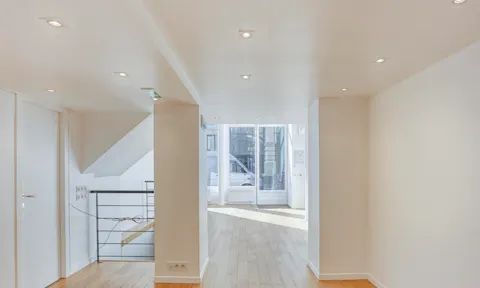
Why rent a Showroom Space in 2nd Arrondissement, Paris?
When it comes to establishing a successful retail business, the importance of choosing the right location cannot be overstated. The 2nd Arrondissement of Paris, known for its vibrant atmosphere and historical significance, presents an excellent opportunity for brands seeking to connect with their target audience. Renting a showroom space in this area offers numerous advantages that can significantly enhance your retail success.
One of the primary benefits of renting a retail space in the 2nd Arrondissement is the access to high foot traffic. This bustling district attracts both locals and tourists who are eager to explore its unique shops and attractions. By positioning your brand in this lively environment, you can capitalize on the increased visibility and potential sales that come with a steady stream of customers. Connecting directly with your audience not only helps in driving immediate sales but also aids in building long-term brand loyalty.
Furthermore, having a showroom in such a prominent area allows you to establish a strong presence in a targeted market. This location provides an excellent platform for brand exposure, enabling you to showcase your products in an engaging way that resonates with shoppers. As customers interact with your brand in person, it creates a memorable experience that encourages repeat visits and referrals.
The strategic advantages of being in a commercial hub like the 2nd Arrondissement extend beyond just foot traffic and brand visibility. Retail space here means opportunities for networking with nearby businesses, collaborations, and participation in local events. Being part of a vibrant business community can lead to partnerships that enhance your brand’s profile and reach. This interconnectedness can be invaluable for a growing brand looking to gain traction in a competitive market.
Flexibility is another significant advantage of renting a retail space. Unlike long-term leases, rental options that span days, weeks, or months allow businesses to test different concepts without committing to an extensive investment. This flexibility enables brands to adapt to market trends swiftly, test product launches, and measure customer responses in real-time. It’s an ideal strategy for brands that seek to find their footing in a dynamic retail landscape while minimizing financial risks.
In conclusion, renting a showroom space in the 2nd Arrondissement, Paris, presents an array of benefits that can propel your retail business to new heights. From accessing high foot traffic and building a targeted brand presence to enjoying networking opportunities and maintaining flexibility, the advantages are clear. It’s a strategic move that not only enhances visibility and sales potential but also allows businesses to innovate and grow in a vibrant environment.
How much does it cost to rent a Showroom Space in 2nd Arrondissement, Paris?
When planning a business, understanding retail rental costs is paramount to making informed financial decisions. The cost to lease a shop can significantly impact a brand's total budget and overall strategy, particularly in a vibrant city like Paris where real estate demand fluctuates across different neighborhoods.
In the 2nd Arrondissement of Paris, a historically significant area known for its bustling atmosphere and proximity to major commercial hubs, rental costs can vary widely. For a small showroom space of about 50 square meters in this arrondissement, rental prices typically range from 1,200 to 3,000 euros per month, depending on factors such as location within the district and the condition of the space. Prime locations - near areas with high foot traffic, such as Rue Montorgueil - often command higher prices, while spaces slightly off the main thoroughfares may be more affordable.
Several factors influence retail rental costs, with location being one of the most critical. In city centers like the 2nd Arrondissement, the proximity to tourist attractions, dining, and shopping districts can drive prices up due to increased visibility and accessibility. Store size also plays a significant role; larger spaces generally attract higher rental prices. Furthermore, foot traffic is a vital consideration. A showroom located in a high-traffic zone could see significantly increased sales, justifying a higher rent.
Market demand is another influential factor. In times of economic stability, demand for retail spaces can rise, particularly in well-trafficked areas. Conversely, in periods of economic downturn, landlords may need to lower their prices to attract tenants. This tendency can be observed in various locales; for instance, while rental prices in the Marais can be around 4,000 euros for comparable spaces, more suburban areas might offer similar locations for approximately 1,500 to 2,500 euros monthly.
Extra expenses should also be considered when budgeting for retail space. Utilities, which can include factors like electricity, water, and internet, often add 200 to 400 euros monthly depending on usage. Additionally, security deposits, typically equal to one to three months' rent, are standard and should be accounted for in the initial budget. Taxes, including property taxes and other local levies, can factor into overall costs, alongside maintenance fees which could be required for common areas in multi-tenant buildings.
To navigate the complexities of rental costs in the 2nd Arrondissement and make the most informed decisions, it is vital to set a realistic budget and compare options meticulously. Conducting thorough research on the current market trends, understanding the various cost components involved, and consulting local experts can provide valuable insights. Engaging in discussions with real estate agents who specialize in commercial properties can also uncover opportunities that may not be widely advertised. Ultimately, taking the time to analyze the factors affecting retail rental costs will empower you to secure an ideal showroom space in one of Paris's most dynamic districts.
Benefits of leasing a Showroom Space in 2nd Arrondissement, Paris?
Benefits of Leasing a Showroom Space in 2nd Arrondissement, Paris
Leasing a commercial space offers a cost-effective and flexible solution for businesses and individuals in today’s dynamic market. Whether you are looking for a retail store, showroom, event venue, or office space, the option to lease can prove to be advantageous. With rising real estate prices in prime areas like the 2nd Arrondissement of Paris, purchasing property can be prohibitively expensive for many brands and entrepreneurs. Leasing allows you to access high-demand areas without the financial burden of a hefty down payment or long-term mortgage.
In a bustling city where commercial real estate is in high demand, the 2nd Arrondissement is a prime location known for its vibrant atmosphere and cultural significance. Businesses in this area benefit from foot traffic, visibility, and proximity to major attractions. Access to such a desirable location can significantly enhance brand exposure and customer engagement, making leasing a smart choice for retailers and event organizers.
Another key benefit of leasing is the scalability it provides for growing businesses. As your brand evolves, you may need to adjust your space requirements, whether it’s downsizing during slow seasons or expanding during peak times. Leasing allows you to adapt without the long-term commitment that comes with buying a property. This flexibility is particularly important in industries that experience seasonal fluctuations or rapid growth phases.
Additionally, many leases include maintenance and infrastructure support from landlords, allowing businesses to focus on their core operations rather than the complexities of property management. This means that costs related to repairs, upkeep, and even utilities may be covered under the lease agreement. Rather than worrying about unexpected expenses, businesses can allocate their budget towards marketing and operational enhancements.
Leasing showroom spaces in the 2nd Arrondissement also offers flexibility in terms of duration. Event spaces can be leased hourly or daily, with rental prices ranging from 100 to 10,000 local currency units, depending on size and amenities. This provides an accessible option for a wide range of budgets, allowing businesses to showcase their products or host events without committing to a long-term lease.
As with any business decision, it is crucial to assess market trends when considering a lease agreement. Understanding foot traffic patterns, local demographics, and economic factors can lead to a more informed decision about the ideal space for your needs. Calculating the total costs involved, including rent, utilities, and potential maintenance fees, will help you create a comprehensive budget. Ensure that the lease aligns with your specific goals, whether that's increasing brand visibility, reducing overhead costs, or providing a unique customer experience.
In conclusion, leasing commercial spaces, particularly in sought-after areas like the 2nd Arrondissement of Paris, offers numerous benefits that cater to the diverse needs of businesses and individuals. From cost-effective access to prime locations to flexibility and maintenance support, leasing is an appealing option for anyone looking to establish or grow their presence in a vibrant urban landscape.
What are the most popular neighborhoods for renting a Showroom Space in 2nd Arrondissement, Paris?
When considering a showroom space in the 2nd Arrondissement of Paris, it's essential to understand how local culture, demographics, and market trends influence the type of business that can thrive in various neighborhoods. The 2nd Arrondissement, known for its vibrant atmosphere and historical significance, boasts an array of unique areas suited to different business needs.
Neighborhoods within the 2nd Arrondissement serve distinct purposes. Creative hubs like the Sentier district are ideal for contemporary showroom spaces, particularly for fashion-related brands and startups. This area is recognized for its artistic energy and collaboration among designers, making it a fertile ground for fashion expos and product launches. With a blend of young professionals and artistic entrepreneurs, foot traffic in this district can reach up to 10,000 visitors daily, particularly during weekends when pop-up events and exhibitions are more frequent.
On the other hand, the area surrounding the bustling Rue Montorgueil is perfect for upscale showrooms, catering to luxury brands. This picturesque street, lined with gourmet shops and cafés, attracts a steady influx of both locals and tourists, contributing significantly to foot traffic that can average around 15,000 per day. The proximity to key landmarks, including the historic Les Halles shopping complex, ensures that luxury retail businesses benefit from heightened visibility and accessibility.
Additionally, renting spaces near business centers within the arrondissement can prove advantageous for showrooms aimed at corporate clientele. Regions that feature office complexes draw professionals, making them suitable for B2B showrooms, especially in sectors like technology and design. The foot traffic in these business districts can peak at around 12,000 individuals on weekdays, presenting opportunities for brands to connect with potential clients directly.
When evaluating neighborhood profiles for renting a showroom space, consider factors such as local demographics, foot traffic patterns, and nearby attractions. Balancing the cost of location against expected returns is crucial. High-rent areas often come with increased visibility, but brands should analyze whether the potential influx of customers aligns with their target audience. A comprehensive market analysis can provide insights into which neighborhoods align with a brand's unique offering and target demographic.
Key neighborhoods in the 2nd Arrondissement worth considering for showroom rentals include Sentier, known for its creative industries; Rue Montorgueil, ideal for luxury brands; and the areas surrounding Bourse, which cater to business-oriented clientele. By leveraging location advantages, businesses can position themselves strategically to capture the attention of their desired market, thus enhancing their visibility and potential profitability.
Steps involved in planning a Showroom Space in 2nd Arrondissement, Paris
Planning a showroom space in the 2nd Arrondissement of Paris involves several key steps designed to ensure success in a competitive retail environment. Understanding the elements essential for your showroom will empower your brand to create a captivating experience for customers while driving business growth.
The first step is to identify the purpose of your showroom. Clearly defining what you aim to achieve allows you to tailor your space to meet specific needs, whether it's showcasing products, hosting events, or fostering customer engagement. Understanding your target audience is also crucial. Conducting thorough market research helps evaluate demand and competition in the area, informing decisions about the products and experiences you will offer.
Setting a realistic budget is vital. This includes not only the cost of renting the space but also additional expenses for utilities, staffing, marketing, and inventory. Preparing your inventory is the next step. Assess what products will best represent your brand and appeal to your target customers, ensuring that your offerings are both diverse and relevant.
Marketing and promotion play a pivotal role in the success of your showroom. Utilize various channels to generate buzz and attract foot traffic. Consider digital marketing strategies, local collaborations, and promotional events that connect with the community. Hiring staff is another essential aspect of planning. Well-trained personnel who align with your brand ethos can enhance the customer experience and drive sales.
Creating an immersive experience for customers can set your showroom apart from competitors. Consider how the layout, ambiance, and interactivity of the space can engage customers and leave a lasting impression. Managing payment transactions securely is essential for establishing trust with customers. Implementing reliable payment solutions ensures smooth transactions and a positive customer experience.
Once your showroom is operational, analyzing data is imperative. Track performance metrics such as customer footfall, sales trends, and feedback to make informed decisions that drive growth. A thorough evaluation of data will guide future marketing efforts and inventory decisions.
When selecting the best locations for commercial spaces, pay attention to factors like accessibility, public transport options, and nearby amenities. The 2nd Arrondissement is known for its vibrant atmosphere, making it essential to choose a location that maximizes visibility and convenience for your customers.
Consulting with local real estate experts can provide insights into current market trends and property values, helping you make informed decisions. Reviewing lease agreements in detail ensures that you understand the terms and conditions, protecting your interests. Aligning your location choices with your overall business goals allows for a cohesive strategy that supports long-term growth.
In summary, planning a showroom space in the 2nd Arrondissement requires a comprehensive approach that balances purpose, audience understanding, budgeting, marketing, and customer experience. By focusing on these key steps, you can successfully create a showroom that not only meets your business objectives but also delights your customers.
How long should you rent a Showroom Space in 2nd Arrondissement, Paris to achieve your goals?
When considering how long to rent a showroom space in the 2nd Arrondissement of Paris, the optimal lease length largely depends on the specific type of business, its goals, and the intended use of the space. Different businesses have varying needs, and understanding these nuances is essential to making an informed decision.
Short-term leases, which can range from a few days to a year, are particularly advantageous for pop-up shops or temporary events. These arrangements allow businesses to quickly test products, gauge customer reactions, and adapt to market demands without the risk associated with long-term commitments. For brands looking to create buzz or leverage seasonal trends, a shorter rental duration can provide the flexibility needed to make a significant impact with minimal investment.
On the other hand, businesses aiming for stability and customer familiarity may find that longer leases of three to five years provide more security. This duration helps to establish a brand presence in a specific location, build a loyal customer base, and plan for growth with a consistent operational environment. Businesses that thrive on repeat customers and loyal clientele are typically better suited for extended leases, as it allows time to cultivate those relationships and integrate into the local market.
The trend toward flexible lease options is becoming increasingly common, enabling businesses to navigate changing market conditions without being tied down by long-term contracts. This adaptability is crucial in today’s dynamic retail landscape, where consumer preferences and market demands can shift rapidly. Flexibility in rental agreements allows businesses to pivot their strategies, expand into new areas, or scale back based on performance.
When evaluating how long to rent a showroom space, it is crucial for business owners to align their rental duration with their overarching goals. Analyzing current market trends, understanding potential customer behavior, and consulting detailed lease agreements can significantly impact the success of rental endeavors. By carefully assessing these factors, businesses can ensure that their leasing strategy complements their objectives and enhances their operational efficiency.
In conclusion, the decision on how long to rent a showroom space should take into account the unique requirements of the business, the nature of the intended use, and the need for flexibility in an ever-evolving retail environment. By aligning rental durations with business goals and market trends, companies can better position themselves for ongoing success.
How can xNomad help your brand successfully launch a Showroom Space in 2nd Arrondissement, Paris?
Launching a showroom space in the 2nd Arrondissement of Paris is an exciting opportunity for any brand looking to make a significant impact in one of the world's most iconic cities. However, navigating the complexities of retail spaces can be challenging. This is where xNomad steps in as a trusted partner to ensure your brand’s launch is not only successful but also memorable.
xNomad specializes in providing end-to-end retail solutions that cater to brands of all sizes. Their unique selling proposition lies in their ability to offer versatile and flexible services that efficiently bridge the gap between brands and landlords. By leveraging their extensive experience in location scouting, concept design, and marketing, xNomad can help you identify the ideal showroom location that aligns with your brand's vision and target audience in the bustling 2nd Arrondissement.
One of the key advantages of working with xNomad is their commitment to trust, innovation, and simplicity. They understand that every brand is unique, and they tailor their approach to meet individual needs. From concept design to furnishing and staffing, xNomad ensures that your showroom space is move-in ready and reflects your brand's identity. Their comprehensive services allow you to focus on what you do best—building your brand—while they handle the logistics of setting up your showroom.
xNomad's global presence makes them a reliable partner for brands looking to scale both locally and internationally. With a proven track record, they have successfully collaborated with trusted global brands, positioning them as leaders in the pop-up retail space. Their partnership network is crucial in revitalizing urban areas, creating memorable and innovative pop-up experiences that resonate with the target market.
When considering how to successfully launch your showroom space in the 2nd Arrondissement, choosing xNomad as your retail partner provides an advantage. Their exceptional communication and focus on community-building set them apart. They are dedicated to connecting brands with the perfect spaces while delivering exceptional results. This commitment is evident in their seamless execution and innovative strategies tailored to each brand’s goals.
Overall, partnering with xNomad means that your brand can tap into a wealth of experience and resources, giving you the best chance of establishing a successful showroom presence in Paris. Whether you are looking for a temporary space to test market dynamics or a longer-term showroom solution, xNomad offers the flexibility and expertise you need to make your venture a success.
FAQ
Q: How can brands leverage the high foot traffic in the 2nd Arrondissement for retail success?
A: Brands can capitalize on the high foot traffic in the 2nd Arrondissement by strategically positioning their showroom spaces in areas with significant pedestrian flow. This increases visibility and potential sales. Engaging window displays and in-store events can attract passersby. For example, a fashion brand could host a live styling session to draw in curious shoppers.
Q: What factors should be considered when choosing a showroom space in the 2nd Arrondissement?
A: Key factors include location within the arrondissement, proximity to complementary businesses, and foot traffic patterns. Additionally, consider the target demographic and accessibility. A tech brand might prefer a space near business centers, while a luxury brand could benefit from being close to Rue Montorgueil.
Q: How does the flexibility of short-term leases benefit brands in the 2nd Arrondissement?
A: Short-term leases allow brands to test market strategies and adapt quickly to consumer trends without long-term commitments. This flexibility is ideal for seasonal pop-ups or product launches. A brand could rent a space for a month to coincide with Paris Fashion Week, maximizing exposure during a peak period.
Q: What are the potential risks of renting a showroom space in the 2nd Arrondissement?
A: Potential risks include fluctuating rental costs and the challenge of standing out in a competitive market. Brands must also consider the impact of economic downturns on foot traffic. Conducting thorough market research and having a flexible business plan can mitigate these risks.
Q: How does seasonality affect showroom space rental in the 2nd Arrondissement?
A: Seasonality can impact foot traffic and rental demand, with peak shopping seasons like summer and the holiday period attracting more visitors. Brands should plan leases accordingly, securing spaces well in advance for high-demand times. For instance, booking a showroom for the Christmas season might require a six-month lead time.
Q: How do rental costs in the 2nd Arrondissement compare to other Parisian neighborhoods?
A: Rental costs in the 2nd Arrondissement are competitive due to its central location and high foot traffic. While prices range from 1,200 to 3,000 euros per month, areas like the Marais can be pricier. Brands should weigh the benefits of location against their budget constraints.
Q: What steps should a brand take to effectively market a new showroom in the 2nd Arrondissement?
A: Effective marketing involves leveraging digital channels, local partnerships, and in-store events to create buzz. Brands should also engage with local influencers and media. A jewelry brand might host a launch event with a local fashion blogger to attract attention.
Q: How can xNomad assist in finding the ideal showroom space in the 2nd Arrondissement?
A: xNomad helps brands find and book pop-up retail spaces by offering tailored solutions and extensive market knowledge. They assist with location scouting and logistics, ensuring a seamless setup. Brands benefit from xNomad's expertise in creating impactful retail experiences in prime locations.
Q: What legal considerations should brands be aware of when renting showroom spaces in Paris?
A: Brands must understand lease terms, including duration, renewal options, and any restrictions on space usage. Compliance with local regulations and obtaining necessary permits is crucial. Consulting with a legal expert can help navigate these complexities.
Q: How can a brand measure the success of a showroom in the 2nd Arrondissement?
A: Success can be measured by tracking foot traffic, sales data, and customer engagement. Brands should also gather feedback to refine their approach. A fashion brand might use customer surveys and sales metrics to assess the impact of a new collection launch.
Q: What are the advantages of networking with nearby businesses in the 2nd Arrondissement?
A: Networking can lead to collaborations, shared customer bases, and increased brand exposure. Partnering with complementary businesses, like a café hosting a fashion brand's pop-up, can enhance customer experience and drive mutual traffic.
Q: How can brands ensure a seamless customer experience in a showroom space?
A: A seamless experience involves thoughtful layout design, engaging displays, and attentive staff. Brands should focus on creating an inviting atmosphere that reflects their identity. For example, a tech brand might offer interactive demos to engage visitors.
Q: What is a pop-up gallery and how does it work in Milan?
A: A pop-up gallery is a temporary exhibition space that showcases artwork or products for a short duration. It operates by leasing a space for a limited time, allowing artists or brands to engage directly with customers. These galleries often create a sense of urgency, enticing visitors to experience something unique. In Milan, this could be in upscale neighborhoods like Brera or Navigli.
Q: How do I find pop-up retail gallery space near me in Milan?
A: You can find pop-up retail gallery spaces in Milan through platforms like xNomad, local real estate websites, or community boards. Networking with local artists and utilizing social media can also lead to opportunities. Venues like Spazio A or Palazzo Grassi are known for frequently hosting pop-up events and exhibitions.
Q: What types of spaces are available for pop-up galleries in Milan?
A: In Milan, various types of spaces are available for pop-up galleries, including vacant storefronts, art studios, and cultural venues. These areas can be tailored to suit different types of artwork or product displays. Spaces like The Room in Milan offer adaptable layouts, making it easy to create a customized gallery experience.
Q: How far in advance should I book a pop-up gallery space in Milan?
A: It's recommended to book a pop-up gallery space in Milan at least one to three months in advance. This allows sufficient time to plan logistics, marketing, and artwork installation. Notably, popular venues may have high demand, so early reservations help ensure the best location for your project.
Q: Can I rent a pop-up gallery space for just one day or one weekend in Milan?
A: Yes, you can rent a pop-up gallery space for just one day or a weekend in Milan. Many spaces cater specifically to short-term rentals, allowing flexibility to host events. For instance, xNomad frequently offers options for brief exhibitions, making it ideal for showcasing new work or hosting special events.
Q: Do I need a permit to run a gallery pop-up shop in Milan?
A: Yes, you need a permit to run a gallery pop-up shop in Milan. This ensures compliance with local regulations and safety standards. Check with the local municipality for specific requirements related to art exhibitions and events.
Q: How do I obtain a pop-up shop permit for my gallery in Milan?
A: To obtain a permit for your gallery pop-up shop in Milan, you need to apply through the local municipality's business licensing department. This typically involves submitting an application form along with any necessary documentation about your event. It’s advisable to start this process well in advance.
Q: How long does it take to get a pop-up shop permit for my gallery in Milan?
A: Getting a pop-up shop permit for your gallery in Milan can take several weeks, depending on the completeness of your application and local processing times. It's best to apply early to avoid delays, as some permits may take up to 30 days to be approved.
Q: Can I operate a gallery pop-up shop in Milan without a permit?
A: No, you cannot operate a gallery pop-up shop in Milan without a permit. Doing so may result in fines or the closure of your event. Always ensure that you comply with local laws to avoid potential legal issues.
Q: Do I need insurance for a gallery pop-up shop in Milan?
A: Yes, you typically need insurance for a gallery pop-up shop in Milan. This can protect you from liability and unforeseen incidents during the event. Consider obtaining general liability insurance that covers property damage and personal injury.
Q: Are there any specific permit requirements I should know about before booking a space for my gallery in Milan?
A: Yes, specific permit requirements for a gallery pop-up shop in Milan may include obtaining permissions from local cultural heritage offices, especially if the venue is historic. Additionally, you may need to adhere to zoning laws related to art exhibitions.
Q: Does the venue handle permits for my gallery, or is that my responsibility in Milan?
A: The responsibility for obtaining permits for your gallery in Milan often falls on you, the organizer. While some venues may assist with the process, it's crucial to confirm with them regarding their policy on permits and any assistance they can provide.
Q: What are some creative display ideas for a pop-up gallery in Milan?
A: Use unique props such as vintage suitcases or reclaimed wood to create an inviting atmosphere. Incorporating local art or photography can also enhance the visual appeal and connect with the Milanese culture. For instance, using a bicycle to display products can attract attention and encourage social sharing.
Q: How can I design an eye-catching pop-up stand on a budget in Milan?
A: Focus on DIY elements and reuse materials, like pallets or fabric for backdrops. Simple lighting and clear signage can also draw attention without breaking the bank. Many successful stands in Milan maximize visual impact while keeping costs low by creatively using available resources.
Q: How do I make my pop-up gallery in Milan social media friendly?
A: Create visually striking areas with bold colors and fun props to encourage visitors to take photos. Incorporate hashtags prominently on signage and consider a designated photo backdrop. Events in Milan that offer a selfie station often see increased social engagement, boosting visibility online.
Q: What are some pop-up shop table display ideas for a gallery in Milan?
A: Utilize tiered displays or transparent containers to showcase products effectively. A minimalist approach with clean lines works well in an art-oriented city like Milan, allowing the products to shine. Examples include using glass stands or artistic platters to highlight unique items.
Q: What are the most trending pop-up shop display ideas right now for galleries in Milan?
A: Sustainable materials and interactive installations are trending in Milan's pop-up scenes. Incorporating greenery or recycled elements appeals to eco-conscious consumers. Current examples reflect Milan's design ethos, with many galleries pushing boundaries through innovative use of space and visual storytelling.
Q: What furniture or fixtures do I need to set up a pop-up gallery in Milan?
A: Essential items include versatile tables, comfortable seating, and flexible display units. Ensure adequate lighting is available to enhance visibility and ambiance. Many successful pop-up galleries in Milan also include modular furniture to adapt to different needs and showcase artwork effectively.
Q: What are the first steps to starting a pop-up gallery in Milan?
A: The first steps include defining your concept, identifying your target audience, and securing the necessary permits. It's crucial to outline what your gallery will showcase and how you'll engage with visitors. Finding partners, like local artists or sponsors, can enhance your project’s reach and effectiveness.
Q: Do I need a business plan for a pop-up gallery in Milan?
A: Yes, a business plan is essential for a pop-up gallery in Milan. It helps clarify your vision, set financial goals, and outline marketing strategies. A well-structured plan can attract investors or sponsors and provide a roadmap for managing the gallery's operations efficiently.
Q: What should I look for when choosing a pop-up gallery location in Milan?
A: When choosing a location for a pop-up gallery in Milan, consider foot traffic, visibility, and demographic alignment with your target audience. Accessibility and the ambiance of the surrounding area are also critical. Prime areas like Brera or Navigli can enhance the appeal and success of your gallery.
Q: What are the key benefits of running a pop-up gallery in Milan?
A: Running a pop-up gallery in Milan allows for brand exposure, community engagement, and the ability to test new concepts without long-term lease commitments. It can also create buzz and excitement around your art or products. Additionally, collaborating with local artists may attract their audiences, broadening your reach.
Q: What are the architectural considerations for a gallery project in Milan?
A: Key architectural considerations for a gallery project in Milan include ensuring optimal lighting to enhance artwork visibility and maintaining a flexible layout to accommodate various exhibitions. Additionally, integrating the gallery with Milan's rich cultural context is crucial, allowing for a seamless connection with the city's artistic heritage. For instance, ample wall space and thoughtful visitor circulation can significantly influence the overall experience.
Q: What is the budget range for a gallery project in Milan?
A: The budget range for a gallery project in Milan typically varies from €250,000 to €1 million, depending on factors like size, location, and design complexity. This budget may cover aspects such as construction, interior design, and permits. For example, a smaller gallery in a trendy district may require less funding compared to a large, prominent space.
Q: How do historical factors influence a gallery project in Milan?
A: Historical factors greatly influence a gallery project in Milan by shaping design choices and site selection. Milan is known for its rich artistic legacy, which necessitates a respectful integration of contemporary architecture with historical elements. For instance, a gallery project may involve renovating a historical building, ensuring that it complements the surrounding architecture while also providing modern exhibition specifications.
Q: What are common challenges faced during a gallery project in Milan?
A: Common challenges faced during a gallery project in Milan include navigating strict zoning regulations and preserving historical integrity, particularly in heritage-rich areas. Furthermore, balancing modern design with traditional aesthetics can be complex, as stakeholders often have differing expectations. For instance, securing the necessary permits for renovations in protected districts may add considerable time and cost to the project.
Q: How important is location for a gallery project in Milan?
A: Location is paramount for a gallery project in Milan, influencing visibility, foot traffic, and synergy with the local art scene. A well-positioned gallery can attract both locals and tourists, enhancing its audience reach and overall success. For example, being near major cultural hubs like the Brera district can significantly enhance a gallery's profile and visitor numbers.
Q: What should I consider when planning a gallery project for my brand in Milan?
A: You should consider the target audience, location, and theme of your gallery project. Assessing foot traffic and proximity to complementary businesses can greatly impact visibility. Additionally, securing necessary permits and promotions is essential to ensure a successful opening. For instance, a well-located gallery in Milan's arts district can attract visitors looking for unique experiences.
Q: How do I choose the right pop-up format for my brand's gallery project in Milan?
A: Selecting the right format, such as a market stall, storefront, or concession, depends on your brand identity and goals. Think about space requirements, target demographics, and anticipated sales volume to determine the best fit. For a gallery project in Milan, a stylish storefront in a trendy neighborhood could enhance brand image while attracting art enthusiasts.
Q: What are the most common mistakes first-time operators make when planning a gallery project in Milan?
A: First-time operators often underestimate budget needs, fail to engage their target audience, or overlook local regulations for their gallery project. Proper financial planning, effective marketing strategies, and adherence to city permits are crucial for success. For example, of the pop-ups in Milan, many that ignore these factors struggle to draw foot traffic and generate sales.
Q: What are the best locations and setups for outdoor pop-up shops for a gallery project in Milan?
A: Ideal locations for outdoor pop-up shops for a gallery project in Milan include busy areas like Piazza Duomo or Navigli. Utilizing attractive displays, local art, and engaging layouts can draw visitors. Providing shade, seating, and social media engagement opportunities can enhance the experience. For example, a pop-up in Navigli can attract art enthusiasts during local events.
Q: How do I run a pop-up shop outside or on a trail/market route for a gallery project in Milan?
A: To run a pop-up shop outside on a trail or market route for a gallery project in Milan, secure necessary permits and choose a high-traffic area. Collaborate with local artists and create an inviting ambience. Consider leveraging social media to boost attendance and coordinate with other vendors. For instance, setting up during the Design Week can maximize exposure.
Q: What should I consider when doing a pop-up shop at an outdoor event for a gallery project in Milan?
A: When conducting a pop-up shop at an outdoor event for a gallery project in Milan, consider weather conditions, the target audience, and accessibility. Ensure that the layout is user-friendly and that art pieces are displayed securely. Additionally, having clear signage and engaging events can attract attention. For instance, interactive workshops can enhance visitor engagement.
Q: What equipment do I need for a pop-up coffee shop in Milan for a gallery project?
A: For a pop-up coffee shop in Milan for a gallery project, you need an espresso machine, grinder, brewers, coffee beans, cups, and a point-of-sale system. Additionally, consider equipment for serving pastries or snacks, along with a portable cart or setup for displaying products. Having high-quality equipment can enhance customer experience and efficiency.
Q: What are the best locations for a pop-up coffee shop in Milan for a gallery project?
A: The best locations for a pop-up coffee shop in Milan for a gallery project include art districts, gallery openings, or trendy neighborhoods like Brera and Navigli. High foot traffic areas near cultural events or exhibitions will attract art enthusiasts. Consider collaborating with existing galleries to enhance visibility.
Q: How do I promote a pop-up coffee event on social media in Milan for a gallery project?
A: To promote a pop-up coffee event on social media in Milan for a gallery project, create eye-catching visuals and engaging content that highlights the unique experience. Utilize local hashtags, collaborate with local influencers, and offer incentives like exclusive offers or contests to increase engagement. Share posts leading up to the event to build anticipation.
Q: How do I start a successful pop-up coffee shop in Milan for a gallery project?
A: To start a successful pop-up coffee shop in Milan for a gallery project, begin with thorough market research to understand your target audience and location. Create a unique concept that aligns with the gallery theme and develop a solid business plan. Engaging marketing efforts and partnerships with local artists can further attract customers.
Découvrez nos espaces Scopri i nostri spazi Ontdek onze ruimtes 探索我们的空间