- 1Projects


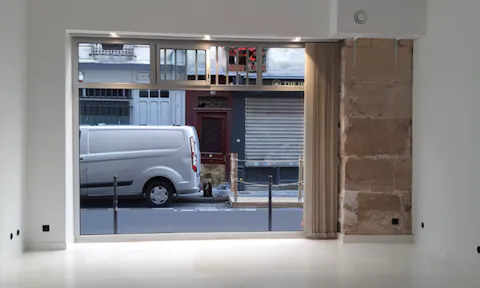

- Flexible retail spaces in 10th arrondissement of Paris |
- Flexible retail spaces in 11th arrondissement of Paris |
- Flexible retail spaces in 12th arrondissement of Paris |
- Flexible retail spaces in 13th arrondissement of Paris |
- Flexible retail spaces in 14th arrondissement of Paris |
- Flexible retail spaces in 15th arrondissement of Paris |
- Flexible retail spaces in 16th arrondissement of Paris |
- Flexible retail spaces in 17th arrondissement of Paris |
- Flexible retail spaces in 18th arrondissement of Paris |
- Flexible retail spaces in 19th arrondissement of Paris |
- Flexible retail spaces in 1st arrondissement of Paris |
- Flexible retail spaces in 20th arrondissement of Paris |
- Flexible retail spaces in 2nd arrondissement of Paris |
- Flexible retail spaces in 3rd arrondissement of Paris |
- Flexible retail spaces in 4th arrondissement of Paris |
- Flexible retail spaces in 5th arrondissement of Paris |
- Flexible retail spaces in 6th arrondissement of Paris |
- Flexible retail spaces in 7th arrondissement of Paris |
- Flexible retail spaces in 8th arrondissement of Paris |
- Flexible retail spaces in 9th arrondissement of Paris
- Art Basel Space in Paris |
- Art Studios & Creative Spaces in Paris |
- Cheap Space in Paris |
- Cheap Storefront in Paris |
- Corporate Event Venue in Paris |
- Fashion Week Showroom in Paris |
- Fitting Rooms in Paris |
- Mall Kiosks, Booths & Corners in Paris |
- Shopping Mall Space & Shopping Centre Space in Paris |
- Small Storefront in Paris |
- Storefront With Kitchen in Paris
Why rent an Event Space in Paris, France?
Choosing the right location for retail success is crucial for businesses looking to thrive in a competitive market. When it comes to establishing a strong presence in a vibrant city like Paris, renting an event space can offer a myriad of benefits that can significantly impact the growth and visibility of a brand. The advantages of renting retail spaces extend far beyond mere square footage; they encompass the strategic positioning necessary to connect with customers and enhance brand recognition.
One of the primary benefits of a retail store rental is the opportunity to tap into existing foot traffic. Paris, known for its bustling streets and rich cultural heritage, attracts millions of visitors and locals seeking unique shopping experiences. By securing a retail space in high-traffic areas, businesses can enjoy enhanced visibility that directly correlates with increased sales potential. The ability to capture the attention of passersby plays a pivotal role in converting casual shoppers into loyal customers.
Renting an event space also allows brands to build a strong presence in a targeted area. Whether it's a trendy neighborhood or a bustling commercial hub, establishing a location that resonates with the brand's identity is essential. This strategic placement enables businesses to create a lasting impression on their audience, fostering connections and loyalty that can translate into long-term success.
Moreover, being situated in a vibrant commercial area opens doors to valuable networking opportunities. Businesses can engage with nearby establishments, creating potential partnerships that contribute to mutual growth. The collaborative environment can lead to cross-promotions, shared marketing efforts, and increased foot traffic between businesses, amplifying the impact of each individual retail space.
Flexibility is another compelling advantage of renting a retail space. Businesses have the option to rent spaces for days, weeks, months, or even years, allowing them to assess market demands without a hefty long-term commitment. This flexibility is particularly beneficial for brands looking to test new concepts or products without the pressure of a permanent lease. By adapting their physical presence based on customer feedback and sales performance, businesses can make informed decisions about scaling their operations.
In conclusion, renting an event space in Paris not only offers immediate access to thriving foot traffic and heightened brand visibility but also allows for valuable networking opportunities that can enhance overall business success. The flexibility and scalability associated with retail store rentals empower brands to innovate and adapt in a dynamic market. For businesses seeking to make a mark in one of the world's most iconic cities, the advantages of retail spaces in Paris are undeniable.
How much does it cost to rent an Event Space in Paris, France?
When planning a business, understanding the costs associated with renting retail space is crucial to financial success. This is particularly relevant in vibrant cities like Paris, where the landscape is dotted with opportunities for brands looking to make their mark. However, the cost to lease a shop or an event space can vary significantly based on numerous factors, including location, size, foot traffic, and market demand.
In Paris, rental prices can vary dramatically between the city center and suburban areas. For instance, prime locations such as the Marais or Saint-Germain-des-Prés can command rental prices ranging from 500 to 1,500 euros per square meter per year, providing businesses with access to high foot traffic and potential sales. In contrast, suburban areas may offer more affordable rates, with costs dipping to around 250 to 600 euros per square meter annually, albeit with less exposure to potential customers.
Several factors influence retail rental costs in Paris. Location is perhaps the most significant determinant; areas with high tourist footfall tend to have higher prices due to increased exposure and sales potential. Store size matters as well; larger spaces usually demand higher rents, yet they can also offer more opportunities for showcasing products and attracting customers. Foot traffic levels play a crucial role; a busy street with consistent footfall can lead to higher rental costs. Market demand also affects pricing; when there's a high demand for retail space with limited supply, prices can soar.
To illustrate, a recent survey indicated that renting a retail space in the heart of Paris during peak seasons could average around 1,200 euros per square meter, while event spaces in popular districts often exceed this figure, particularly during fashion weeks and holiday seasons. Examples of additional costs to consider include utilities, which can vary based on the type of business and usage; deposits usually equal to two to three months of rent; taxes that might include commercial property taxes; and maintenance fees that landlord agreements often stipulate.
Before deciding to rent an event space in Paris, it is crucial to establish a budget that encompasses these various costs. Comparing options based on location and amenities, while consulting local experts or real estate specialists, can provide valuable insights into finding the best deal. By doing thorough research and being aware of the factors affecting retail rental costs, brands can navigate the Parisian market more effectively and make informed decisions that contribute to their overall growth and success.
Benefits of leasing an Event Space in Paris, France?
Leasing commercial spaces has emerged as a cost-effective and flexible solution for businesses and individuals looking to host events, launch retail stores, or establish showrooms and offices. In cities like Paris, where prime real estate can be prohibitively expensive, leasing becomes a strategic choice. According to recent reports, the average price per square meter in Paris can exceed 10,000 euros for desirable locations. Leasing allows businesses to access high-demand areas without the hefty price tag of ownership, alleviating financial burdens while enabling them to establish a strong presence in the market.
One of the primary benefits of leasing is scalability. As businesses grow, their space requirements often change. Leasing provides the flexibility to upgrade, downsize, or move to different locations without the complications linked to property ownership. This is especially important for brands that enter the market with the intention of expanding rapidly or testing new concepts. The ability to scale their physical presence in a fast-paced environment like Paris can mean the difference between success and stagnation.
Leasing also often includes maintenance and infrastructure support from landlords, further reducing operational costs for businesses. Many leases cover essential services, which ensures that the space is well-maintained and ready for use without additional expense. This arrangement is particularly beneficial for events where the quality of facilities can significantly influence guest experiences. Businesses can focus on their core activities and leave the upkeep to their landlords.
In the context of event spaces, leasing offers a variety of options based on specific needs and budgets. In Paris, event spaces can be leased hourly or daily, with prices ranging from 100 euros for smaller or less equipped locations to upwards of 10,000 euros for luxurious venues with extensive amenities. This flexibility allows brands to select the ideal location for their target audience without incurring long-term financial commitments.
When considering leasing commercial spaces, it is vital to assess market trends and evaluate the potential return on investment. Understanding tenant demand, rental rates, and location desirability can help businesses make informed decisions. Additionally, calculating total costs—including utilities, insurance, and any maintenance fees—ensures that the lease aligns with specific business goals and financial capabilities.
In summary, the benefits of leasing spaces, especially for retail and event needs in vibrant cities like Paris, are numerous. Cost-effective commercial space rentals provide access to prime locations, the ability to scale according to business requirements, and often include maintenance support from landlords. By carefully analyzing market dynamics and costs, businesses can take full advantage of leasing opportunities and position themselves for success in a competitive environment.
What are the most popular neighborhoods for renting an Event Space in Paris, France?
When considering the most popular neighborhoods for renting an event space in Paris, it is essential to understand how local culture, demographics, and market trends influence various types of businesses and events. Each neighborhood in Paris offers distinct advantages, catering to different audiences and purposes.
The Marais is a creative hub known for its artistic vibe, making it ideal for showrooms and pop-up events. With numerous boutiques, galleries, and cafes, this area attracts a youthful crowd, ensuring substantial foot traffic, especially on weekends. Additionally, its proximity to landmarks like the Picasso Museum and Place des Vosges enhances its appeal, drawing visitors looking for cultural experiences.
For luxury retail, the Golden Triangle formed by Avenue Montaigne, Avenue George V, and Rue François 1er is an unparalleled choice. This high-end district is synonymous with luxury brands, making it the perfect backdrop for upscale events. The area benefits from high foot traffic, estimated at thousands of visitors daily, particularly during major fashion weeks and holidays.
The Latin Quarter, home to many universities, offers a vibrant atmosphere filled with students and young professionals. This demographic provides opportunities for events focused on education, technology, and innovation. The presence of institutions like the Sorbonne draws consistent foot traffic, making it a strategic location for workshops and networking events.
In contrast, the 11th arrondissement, which includes trendy neighborhoods like Bastille, is an emerging area for event venues. Known for its nightlife, restaurants, and artistic spaces, this district attracts a diverse crowd, ensuring an energetic environment for events. The area's growth has led to increased foot traffic, especially during weekends when local bars and eateries are bustling.
When evaluating neighborhood profiles for potential event space rentals, consider factors such as nearby landmarks, accessibility, and the type of foot traffic each area receives. Balancing location costs with the expected return on investment is crucial. Researching average rental prices and comparing them to potential audience reach can help inform your decision.
Important streets for rental opportunities include Rue de Rivoli, known for its proximity to major tourist attractions, and Boulevard Haussmann, which is bustling with shoppers and business professionals. Each locality brings its unique advantages, catering to different event types and target markets.
Understanding the dynamics of these neighborhoods can significantly enhance the success of an event. By strategically choosing locations that align with audience demographics and interests, organizers can optimize foot traffic and engagement. Renting spaces in prime areas can provide lasting benefits for brand visibility and event impact, making it a crucial step in the planning process.
Steps involved in planning an Event Space in Paris, France
When planning an event space in Paris, it is essential to follow a thoughtful process to ensure success. The first step is identifying the purpose of the space. Understanding whether you will host corporate events, weddings, or cultural gatherings can dictate many future decisions, including design and layout. Next, understanding your target audience is crucial. Knowing their preferences, demographics, and behaviors will help to tailor your space effectively.
Setting a realistic budget is a foundational step in planning. Budgeting should accommodate design, staffing, marketing, and other operational costs. It is also important to prepare an inventory of necessary equipment and supplies. This might include audio-visual technology, furniture, and décor to create an engaging atmosphere for attendees.
Marketing and promotion are vital to attract potential clients and ensure high attendance at your events. Develop a robust marketing strategy that utilizes social media, email campaigns, and partnerships with local businesses. Hiring the right staff is also key. Trained personnel who are knowledgeable and customer-focused will enhance the overall experience for your guests.
Creating an immersive experience is essential to captivate attendees. This could involve thematic decorations, interactive displays, and unique catering options that resonate with your audience. Managing payment transactions securely ensures a smooth experience for both you and your customers. Implementing reliable, user-friendly payment solutions is necessary to foster trust.
Analyzing data post-events is critical in assessing the success of your space. Gathering feedback from participants can provide insights into their experiences and inform future improvements. Conducting market research to evaluate demand and competition in various neighborhoods in Paris helps in making informed decisions. It's important to examine accessibility, public transport options, and nearby amenities as these directly affect the attractiveness of your location.
When selecting the best locations for commercial spaces, consider high foot traffic, surrounding businesses, and the overall vibe of the area. Consulting local real estate experts can provide valuable insights into market trends and potential opportunities. Reviewing lease agreements carefully will help you avoid hidden costs and unfavorable terms. It's also vital that your choice of location aligns with your broader business goals, ensuring that it contributes positively to your mission.
In summary, to effectively plan an event space in Paris, identify the purpose, understand your audience, set a budget, prepare inventory, focus on marketing, hire qualified staff, create immersive experiences, manage secure transactions, and analyze data. Keep in mind the importance of market research, accessibility, and leveraging local expertise in your decision-making process for sustained business growth.
How long should you rent an Event Space in Paris, France to achieve your goals?
When considering how long to rent an event space in Paris, France, the optimal lease length truly depends on the type of business, its goals, and how the space will be utilized. Different business models have varying requirements for rental duration that can significantly affect their operations and success.
For businesses that focus on pop-up shops or temporary events, short-term leases ranging from a few days to a year are often ideal. These types of venues provide flexibility, allowing brands to test new markets, engage with customers, and create a sense of urgency among potential buyers. They can capitalize on seasonal trends or specific events happening in the city, which is crucial for enhancing visibility and driving sales in a bustling environment like Paris.
Conversely, businesses that seek stability and a consistent customer base may benefit more from longer leases, typically around three to five years. Such durations are advantageous for those establishing a rooted presence in the market, fostering brand loyalty, and building familiarity among the local clientele. This can be especially important for businesses that rely on repeat customers and wish to cultivate a strong brand identity.
The good news is that flexible lease options are becoming increasingly common in the real estate market. This trend allows businesses to adapt to changing market conditions without the burden of long-term commitments. Companies can enjoy the best of both worlds, experimenting with different locations or event styles while keeping their operational costs manageable.
To align rental duration with business objectives, it is essential to evaluate specific goals and understand current market trends. Factors like projected foot traffic, customer demographics, and local competition should all play a role in this decision-making process. Furthermore, thoroughly consulting lease agreements can help uncover potential limitations or offerings that might affect how long a business should commit to a rented space.
In summary, carefully assessing business goals, market dynamics, and the specifics of rental agreements will enable you to plan rental timelines for success. Whether you lean towards short-term or long-term leases, having a clear understanding of your unique needs ensures that your choice aligns with your overall strategy.
How can xNomad help your brand successfully launch an Event Space in Paris, France?
Launching an event space in Paris can be a game-changer for brands looking to make an impact in one of the world’s most vibrant cities. xNomad offers a strategic solution that helps brands navigate the complexities of establishing a presence in this iconic location. By providing versatile and flexible retail and pop-up spaces, xNomad effectively bridges the gap between brands and landlords, making the event launch process seamless.
One of the standout features of xNomad is its commitment to trust, innovation, and simplicity. As a full-service agency, xNomad handles everything from location scouting to concept design, ensuring that brands have access to move-in-ready spaces that are fully furnished and staffed. This end-to-end retail solution allows brands to focus on their core objectives while relying on xNomad’s expertise to oversee the logistics of their event space launch.
With a global presence, xNomad is a trusted pop-up retail partner, making it an ideal choice for brands looking to scale locally or internationally. The company’s extensive partnership network helps to revitalize urban areas by creating memorable and innovative pop-up experiences. This not only enhances brand visibility but also contributes positively to the community, fostering engagement and interaction with target audiences.
xNomad has a proven track record of success with global brands, showcasing their ability to deliver exceptional results. By emphasizing excellent communication and collaboration, they ensure that brands receive the support they need to thrive in a competitive market. Brands that have partnered with xNomad have gained invaluable insights into consumer behavior and foot traffic trends, which are crucial for optimizing event strategies.
By choosing xNomad as a partner in launching an event space in Paris, brands can leverage their expertise in design, marketing, and operations. With a dedicated team committed to helping brands connect with the perfect spaces, xNomad simplifies the process, allowing brands to concentrate on what they do best—creating amazing experiences that resonate with their audience.
In conclusion, xNomad stands out as an invaluable resource for brands planning to launch event spaces in Paris. Their focus on innovation, trust, and community-building ensures that every project is not only successful but also impactful. For brands looking to make their mark, xNomad offers the end-to-end retail solutions necessary to achieve exceptional results in one of the most dynamic markets in the world.
FAQ
Q: What factors should businesses consider when choosing a neighborhood for event space rental in Paris?
A: Businesses should evaluate foot traffic, local demographics, and nearby attractions when selecting a neighborhood for event space rental in Paris. High foot traffic areas like the Marais or the Latin Quarter can enhance visibility and customer engagement. Additionally, proximity to landmarks and accessibility via public transport can significantly impact event success.
Q: How does the cost of renting an event space in Paris vary by location?
A: The cost of renting an event space in Paris varies significantly by location, with prime areas like the Marais or Saint-Germain-des-Prés ranging from 500 to 1,500 euros per square meter annually. Suburban areas offer more affordable rates, around 250 to 600 euros per square meter. Location desirability and foot traffic heavily influence these costs.
Q: How can businesses maximize the flexibility of short-term leases in Paris?
A: Businesses can maximize the flexibility of short-term leases in Paris by using them to test new markets, engage with seasonal trends, and adapt to customer feedback. This approach allows brands to experiment with different locations and concepts without long-term commitments, providing valuable insights for scaling operations effectively.
Q: What are the potential risks of renting event spaces in high-demand areas of Paris?
A: Renting event spaces in high-demand areas of Paris carries risks such as higher rental costs and increased competition. Businesses must carefully assess their budget and market positioning to ensure they can attract sufficient foot traffic and sales to justify the expense. Strategic planning and market research can mitigate these risks.
Q: When is the best time of year to rent an event space in Paris for maximum exposure?
A: The best time to rent an event space in Paris for maximum exposure is during peak shopping seasons like the holiday period or fashion weeks. These times attract increased foot traffic and tourism, offering brands enhanced visibility and sales opportunities. Securing space 3–6 months in advance is advisable for prime locations.
Q: How can xNomad assist in finding the ideal pop-up location in Paris?
A: xNomad assists brands in finding the ideal pop-up location in Paris by offering a platform that connects businesses with versatile and flexible retail spaces. Their expertise in location scouting and concept design simplifies the process, enabling brands to focus on their core objectives while ensuring a successful launch.
Q: What are the advantages of leasing event spaces in Paris compared to buying?
A: Leasing event spaces in Paris offers advantages like lower upfront costs, flexibility in location and duration, and maintenance support from landlords. This approach allows businesses to access high-demand areas without the financial burden of ownership, enabling them to adapt quickly to market changes and scale operations as needed.
Q: How can businesses ensure their event space rental aligns with their budget in Paris?
A: Businesses can ensure their event space rental aligns with their budget in Paris by conducting thorough market research, comparing rental prices across neighborhoods, and factoring in additional costs like utilities and taxes. Consulting with local real estate experts can provide valuable insights into finding cost-effective options that meet business goals.
Q: What is a pop-up shop in Paris for an event, and how does it work?
A: A pop-up shop is a temporary retail space that allows businesses to sell products directly to consumers for a limited time. It typically operates in high-traffic areas, and creators can test new markets, showcase products, or promote events. In Paris, locations like Le Marais often host these shops, attracting both locals and tourists.
Q: How do I find pop-up retail space in Paris for an event near me?
A: You can find pop-up retail spaces in Paris through websites like xNomad, social media groups, or local real estate platforms. Networking with event organizers and collaborating with local entrepreneurs can also yield leads on available spaces. Popular neighborhoods such as Saint-Germain or Montmartre frequently have listings.
Q: What types of spaces are available for pop-up shops in Paris events?
A: In Paris, various spaces for pop-up shops include storefronts, vacant lots, galleries, and event venues. These spaces can accommodate different types of events, from art exhibitions to seasonal markets. For example, historic buildings in the Latin Quarter often host unique pop-up experiences.
Q: How far in advance should I book a pop-up space for an event in Paris?
A: It's advisable to book a pop-up space in Paris at least 1-3 months in advance. This lead time allows for securing the desired location and planning logistics effectively. Venues in popular areas can fill up quickly, especially during peak seasons like summer or holidays.
Q: Can I rent a pop-up space in Paris for just one day or one weekend for an event?
A: Yes, many pop-up spaces in Paris can be rented for a day or a weekend, catering to short-term events. Flexibility is common, and venues may offer hourly or daily rates to accommodate various needs. For example, xNomad lists options designed specifically for short-duration pop-up events.
Q: Do I need a permit to run a pop-up shop event in Paris?
A: Yes, you generally need a permit to run a pop-up shop in Paris. Local regulations require this to ensure compliance with safety and zoning laws. Consulting with the city’s business office can provide specific details on the required permits.
Q: How do I obtain a pop-up shop event permit in Paris?
A: To obtain a pop-up shop permit in Paris, you typically need to apply through the local city government or related department. You will need to submit an application, detailing your event, location, and duration. It’s advisable to visit the Paris city hall website for specific instructions.
Q: How long does it take to get a pop-up shop event permit in Paris?
A: The processing time for a pop-up shop permit in Paris can vary but typically takes about 2 to 4 weeks. This timeframe depends on the complexity of your application and the volume of requests the city is handling. Therefore, it’s wise to apply well in advance.
Q: Can I operate a pop-up shop event without a permit in Paris?
A: No, operating a pop-up shop in Paris without a permit is not allowed. Doing so can result in fines or the closure of your event by local authorities. It's crucial to adhere to city regulations to avoid legal issues.
Q: Do I need insurance for a pop-up shop event in Paris?
A: Yes, having insurance for a pop-up shop in Paris is highly recommended. It helps protect against potential liabilities, such as property damage or injuries. Various insurance providers offer policies tailored specifically for event pop-ups.
Q: Are there any specific permit requirements I should know about before booking a space for a pop-up shop event in Paris?
A: Yes, you should be aware that specific requirements may include obtaining health permits if you’re serving food or alcohol. You may also need to meet fire safety codes or provide proof of liability insurance. Researching these aspects in advance is crucial.
Q: Does the venue handle permits for my pop-up shop event or is that my responsibility in Paris?
A: Typically, obtaining permits for a pop-up shop in Paris is your responsibility, though some venues may offer assistance. It's advisable to clarify this with the venue management before finalizing your booking to ensure you meet all requirements.
Q: What are some creative display ideas for a pop-up shop event in Paris?
A: Use vibrant colors and dynamic arrangements to create an inviting atmosphere. Incorporate local art or handmade elements to capture the essence of Paris. Think about using mismatched vintage furniture or eclectic props to catch the eye. For example, a pop-up featuring Parisian fashion might utilize mannequins with colorful accessories to draw attention.
Q: How can I design an eye-catching pop-up stand on a budget for an event in Paris?
A: Use DIY decorations and repurposed materials to keep costs low while still creating a visually appealing display. Simple items like fabric backdrops or creative signage can make a big impact without breaking the bank. For instance, using a tablecloth with a bold pattern can instantly elevate your setup.
Q: How do I make my pop-up shop social media friendly for an event in Paris?
A: Create Instagrammable spots with backdrops that reflect your brand’s aesthetic and the Parisian vibe. Add fun props or signage that encourages visitors to take photos. For example, a neon sign with a catchy phrase can enhance shareability on social media platforms.
Q: What are some pop-up shop table display ideas for an event in Paris?
A: Use tiered displays to create depth and draw attention to various products. Incorporating local flora or Paris-themed decor elements can enhance the ambiance. For instance, a table featuring gourmet pastries might use vintage cake stands to exhibit each item enticingly.
Q: What are the most trending pop-up shop display ideas right now for events in Paris?
A: Interactive displays and immersive experiences are currently popular, encouraging customer engagement. Incorporation of technology, like augmented reality or QR codes, can enhance the shopping experience. Runway-style setups showcasing products can also attract attention.
Q: What furniture or fixtures do I need to set up a pop-up shop event in Paris?
A: Essential items include sturdy tables, comfortable stools, and eye-catching display racks. Consider portable shelving and collapsible furniture for easy transport and setup. For example, a minimalist table combined with a bold backdrop can effectively showcase products while remaining functional.
Q: What are the first steps to starting a pop-up shop event in Paris?
A: The initial steps involve defining your concept and target market, securing a pop-up location, and planning logistics. Research your audience to tailor your offerings effectively. Additionally, partner with local vendors or use platforms like xNomad to facilitate the process.
Q: Do I need a business plan for a pop-up shop event in Paris?
A: Yes, crafting a business plan is essential for a pop-up shop event to outline goals, budget, and marketing strategies. This plan helps clarify your vision and ensures you stay organized. It also attracts potential investors or partners interested in the project.
Q: What should I look for when choosing a pop-up shop location for an event in Paris?
A: Look for high foot traffic areas, visibility, and alignment with your target demographic when selecting a location for your pop-up shop event. Consider proximity to complementary businesses and accessibility to ensure maximum customer engagement. For instance, popular districts like Le Marais can be ideal for attracting visitors.
Q: What are the key benefits of running a pop-up shop event in Paris?
A: Running a pop-up shop event allows for increased brand exposure, direct customer feedback, and a test market for new products. This format reduces long-term overhead costs and can create a sense of urgency among consumers. Many successful brands have launched through pop-ups, leveraging the vibrant streets of Paris.
Q: What are the logistical considerations for organizing an event in Paris for an event project?
A: Key logistical considerations include securing a suitable venue, obtaining necessary permits, and planning for transportation. Identifying locations with adequate capacity and accessibility is crucial for event success. An example is selecting the Palais des Congrès, which can accommodate large gatherings and offers modern amenities.
Q: How can fundraising efforts be optimized for an event in Paris for an event project?
A: Fundraising can be optimized through targeted campaigns, partnerships with local businesses, and leveraging social media outreach. Engaging the community and personalizing donor connections can increase contributions significantly. An event at a popular local venue, like Le Trianon, can attract sponsors and enhance fundraising visibility.
Q: What should I consider when planning a pop-up shop for my brand in Paris for an event project?
A: When planning a pop-up shop in Paris, consider your target audience, location, and timing. Choose a high-traffic area for visibility and ensure your brand message resonates with local culture. Also, budget for permits and logistics. For example, successful pop-ups often utilize popular neighborhoods like Le Marais for maximum exposure.
Q: How do I choose the right pop-up format for my brand in Paris for an event project?
A: To choose the right pop-up format in Paris, assess your brand identity and goals. A market stall suits brands focusing on direct sales and interaction, while a storefront may be ideal for immersive experiences. Consider logistics, space availability, and target demographic. For instance, food brands might thrive in a concession format at local festivals.
Q: What are the most common mistakes first-time pop-up operators make in Paris for an event project?
A: Common mistakes for first-time pop-up operators in Paris include inadequate planning and poor location choice. Failing to create a compelling experience or neglecting marketing can hinder success. Effective promotion and preparation ensure higher foot traffic. For example, not leveraging social media can result in missed opportunities to engage customers.
Q: What are the best locations and setups for outdoor pop-up shops for an event project in Paris?
A: Ideal locations for outdoor pop-up shops in Paris include popular parks like Jardin du Luxembourg and open-air markets such as Marché Bastille. Setups should ensure visibility and accessibility, often featuring awnings or tents for sun protection. It's crucial to comply with local regulations and permits to avoid fines. For instance, many successful events have been held in the iconic Champs-Élysées area.
Q: How do I run a pop-up shop outside or on a trail/market route for an event project in Paris?
A: To run a successful outdoor pop-up shop in Paris, choose high-traffic routes like the Seine River banks or near popular tourist attractions. Prepare a clear layout for products and engage passersby with attractive displays. Utilize social media for promotions and consider timing to coincide with local events. Many vendors see increased sales during weekend markets, especially in vibrant areas like Le Marais.
Q: What should I consider when doing a pop-up shop at an outdoor event in Paris?
A: Key considerations for a pop-up shop at an outdoor event in Paris include weather conditions, foot traffic, and local regulations. Ensure you have permits and know the logistics to secure your location. Additionally, have a contingency plan for adverse weather and consider using engaging activities to draw in customers. Events like the Paris Plages attract thousands, making them prime opportunities for pop-up shops.
Q: What equipment do I need for a pop-up coffee event in Paris?
A: You'll need essential equipment such as an espresso machine, coffee grinders, brewing devices, and serving ware. Additional items like a portable sink, refrigeration for milk, and a cash register or mobile payment system are also important. Ensuring your setup complies with local health regulations is crucial for success. Consider using xNomad to streamline your equipment sourcing.
Q: What are the best locations for a pop-up coffee event in Paris?
A: Ideal locations include busy streets, parks, and markets where foot traffic is high, such as near the Eiffel Tower or in the Marais district. Collaborating with local businesses or events can also enhance visibility. For instance, setting up at a community festival can draw in a large audience.
Q: How do I promote a pop-up coffee event on social media in Paris?
A: Create engaging content, including visuals of your coffee and setup, and share details on platforms like Instagram and Facebook. Use local hashtags and geo-tags to connect with your audience in Paris, and consider collaborations with local influencers. A countdown to your event day can build excitement and anticipation.
Q: How do I start a successful pop-up coffee event in Paris?
A: Begin by conducting market research to identify your target audience and choose a unique theme for your event. Collaborate with local vendors and ensure compliance with health regulations. A well-planned marketing strategy through social media and local partnerships will significantly enhance your visibility, helping you attract customers to your pop-up.
Découvrez nos espaces Scopri i nostri spazi Ontdek onze ruimtes 探索我们的空间