
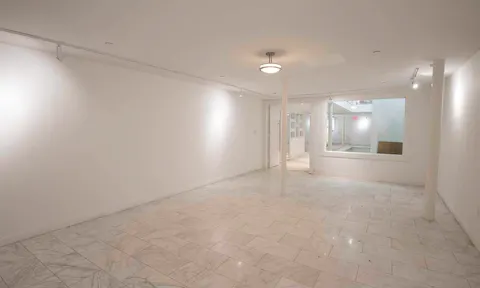


- Flexible retail spaces in Alphabet City, New York |
- Flexible retail spaces in Bridgehampton, NY |
- Flexible retail spaces in Chelsea, New York |
- Flexible retail spaces in Chinatown, New York |
- Flexible retail spaces in East Hampton, NY |
- Flexible retail spaces in East Harlem, New York |
- Flexible retail spaces in East Village, New York |
- Flexible retail spaces in Financial District, New York |
- Flexible retail spaces in Flatiron District, New York |
- Flexible retail spaces in Garment District, New York |
- Flexible retail spaces in Gramercy, New York |
- Flexible retail spaces in Harlem, New York |
- Flexible retail spaces in Hudson Yards, New York |
- Flexible retail spaces in Kips Bay, New York |
- Flexible retail spaces in Lenox Hill, New York |
- Flexible retail spaces in Little Italy, New York |
- Flexible retail spaces in Lower East Side, New York |
- Flexible retail spaces in Midtown East, New York |
- Flexible retail spaces in Midtown Manhattan, New York |
- Flexible retail spaces in Midtown West & Hell's Kitchen, New York |
- Flexible retail spaces in Murray Hill, New York |
- Flexible retail spaces in NoHo, New York |
- Flexible retail spaces in NoMad, New York |
- Flexible retail spaces in Nolita, New York |
- Flexible retail spaces in Rose Hill, New York |
- Flexible retail spaces in SoHo, New York |
- Flexible retail spaces in Southampton, NY |
- Flexible retail spaces in Tribeca, New York |
- Flexible retail spaces in Union Square, New York |
- Flexible retail spaces in Upper East Side, New York |
- Flexible retail spaces in Upper West Side, New York |
- Flexible retail spaces in West Village, New York
Why rent a Commercial Space in New York, United States?
When it comes to retail success, choosing the right location is paramount. In a bustling metropolis like New York, the benefits of renting a commercial space can be the turning point for a brand. With a diverse customer base and a constantly flowing crowd, the right retail store location can dramatically elevate a business’s profile and sales potential.
One of the primary advantages of retail store rental is the access to foot traffic. In New York, where millions of people navigate the streets daily, a strategically located shop places your products directly in front of potential customers. This visibility is crucial for building brand presence in a targeted area. When customers can easily stumble upon your storefront, it creates spontaneity in buying that online shopping simply can’t replicate.
Additionally, renting a retail space allows businesses to connect directly with their customers. In-person interactions foster a sense of community and trust. Retailers can gather immediate feedback, showcase their products in a physical setting, and create an immersive brand experience that online platforms struggle to deliver. These interactions not only enhance customer loyalty but also provide invaluable insights for improving product offerings and service quality.
Being situated in a vibrant commercial area in New York offers strategic advantages that can significantly impact a business's success. Increased visibility in a high-traffic location often leads to greater sales potential. Moreover, the proximity to other businesses can provide ample networking opportunities. Collaborating with nearby businesses for events or promotions can create a synergistic effect, attracting more customers to the area and benefitting all parties involved.
Another compelling reason to consider retail space rental is the flexibility it offers. Businesses can choose to rent spaces for days, weeks, months, or even years, which allows them to test concepts without the weight of a long-term commitment. This unique opportunity for scalability means that a brand can adapt and change its plans as needed, fine-tuning its approach based on real-world performance metrics.
In summary, renting a commercial space in New York is a strategic move that can enhance a brand's visibility, foster direct customer connections, and provide significant networking opportunities. The flexibility and scalability of retail store rentals allow businesses to explore new ideas without the risks associated with long-term commitments. By leveraging the advantages of retail spaces, brands can set themselves up for successful and sustainable growth in one of the most dynamic markets in the world.
How much does it cost to rent a Commercial Space in New York, United States?
When planning to establish a business, understanding retail rental costs is pivotal to your success. In bustling markets like New York City, where both opportunity and competition abound, knowing how much it costs to rent a commercial space is essential for making informed financial decisions.
Retail store rental prices can vary dramatically depending on several key factors, including location, store size, foot traffic, and market demand. In New York, for instance, renting a storefront in Manhattan's city center can cost upwards of $300 per square foot annually. Comparatively, suburban areas like Brooklyn or Queens may present more accessible price points, ranging from $60 to $100 per square foot. This stark contrast highlights the significance of location when considering the cost to lease a shop. High-traffic areas, such as Times Square, command higher rents due to the volume of pedestrian activity, whereas more remote locations may offer lower costs but might sacrifice exposure.
Moreover, the size of the retail space plays a crucial role in determining rental costs. Larger spaces typically attract higher rents, but they also provide the potential for more sales. For example, a 1,000-square-foot retail space in a prime area might cost around $300,000 annually, while the same size space in a less desirable location could cost about $60,000.
Another critical element influencing rental prices is market demand. During peak seasons, such as the holidays, rental prices may surge due to increased competition among brands trying to capitalize on consumer spending. In contrast, off-peak times may see more negotiable rates.
Apart from base rent, additional costs can significantly impact the overall expenditure associated with renting retail space. Utilities, often separate from the rent, can add another $1,000 or more to monthly expenses, depending on usage. Security deposits typically range from one to three months' rent and may be necessary before moving in. Taxes, which can vary by location, should also be factored into your overall budget, along with maintenance fees for building upkeep.
When considering how much it costs to rent a commercial space in New York, it is wise to set a comprehensive budget that encompasses all these potential expenses. Comparing various options is vital; do not settle for the first space you encounter. Conduct thorough research and consult local experts who can provide insights into market trends and pricing. This informed approach will help ensure you find a space that aligns with your brand's goals while staying within your financial parameters. Ultimately, understanding the nuances of retail rental costs can pave the way for your business’s success in the competitive landscape of New York.
Benefits of leasing a Commercial Space in New York, United States?
Benefits of Leasing Commercial Spaces in New York, United States
Leasing commercial spaces is increasingly seen as a cost-effective and flexible solution for businesses and individuals looking for retail stores, event venues, showrooms, or office spaces. In a city like New York, where real estate prices soar, leasing offers a way to enter high-demand areas that would typically cost millions to purchase outright. For instance, research indicates that average commercial property prices per square foot in Manhattan can reach well over one thousand dollars, making leasing an attractive alternative.
One of the key benefits of leasing is access to prime locations that can significantly enhance a brand's visibility and foot traffic. Whether it's a pop-up store in bustling Times Square or a loft-like event space in SoHo, leasing enables businesses to operate at strategically advantageous addresses without committing to the immense financial burdens of property ownership. This flexibility allows brands to experiment in high-profile areas, giving them a chance to capture attention and drive sales without the long-term investment risks.
Scalability is another major advantage of leasing, particularly for growing businesses. As organizations expand or adjust their operational needs, leasing provides the ability to easily upsize or downsize space. This adaptability ensures businesses can respond to market demands without the constraints that come with owning property, which can take years to sell or repurpose effectively. This is especially beneficial in an unpredictable market, where changing consumer preferences may lead to a need for different spatial arrangements or sizes.
Moreover, many lease agreements include maintenance or infrastructure support, which can relieve tenants of additional operational responsibilities. This provision allows businesses to focus on their core functions rather than being bogged down by the practicalities of property management. For retail or event spaces specifically, leasing can be done on a flexible basis, including hourly or daily rates. Prices can range significantly, from as low as one hundred dollars to as high as ten thousand dollars, depending on the size of the space and the amenities offered. This flexibility suits various needs, whether it’s a one-time pop-up shop or a recurring event setup.
In the dynamic landscape of New York commercial real estate, it is crucial for potential lessees to assess market trends accurately. Understanding the demand in specific neighborhoods, as well as the competitive pricing of different spaces, can lead to better-informed decisions that align with business objectives. Additionally, calculating total costs involved in leasing—such as rent, utilities, and potential additional fees—will provide clarity and ensure that the chosen space remains a truly cost-effective rental solution.
Ultimately, leasing commercial spaces in New York presents significant benefits for businesses and event organizers alike. From access to prime locations and scalability advantages to support from landlords, this approach enables flexible, strategic decisions that align with specific goals. By carefully considering market dynamics and overall costs, businesses can effectively leverage the benefits of leasing spaces to thrive in one of the world's most vibrant cities.
What are the most popular neighborhoods for renting a Commercial Space in New York, United States?
When looking for commercial space in New York City, understanding the dynamics of different neighborhoods is essential for businesses to thrive. Each area has its unique culture, demographics, and market trends that can significantly influence a business's success. For example, creative hubs like the Lower East Side and Brooklyn's Williamsburg are ideal for showrooms and artistic ventures, capitalizing on the area's innovative spirit and young demographic. On the other hand, high-end districts such as Madison Avenue in Manhattan are suited for luxury retail. The established affluence in these areas makes them attractive for high-ticket items.
Warehouse districts, like those found in Dumbo, are perfect for hosting events. Their large open spaces and unique industrial charm create an inviting atmosphere for gatherings. The proximity to nearby landmarks, such as shopping streets, universities, or business centers, is also crucial. Areas next to major attractions or transit hubs generally display higher foot traffic, which is vital for businesses reliant on walk-in customers. In neighborhoods such as Times Square or the Flatiron District, foot traffic can reach thousands per day, providing consistent visibility.
When considering the rental of a commercial space, evaluating neighborhood profiles is key. Assessing demographic data, local culture, and competition can illuminate the most advantageous locations. Balancing location costs with expected returns is critical; while prime areas may have higher rents, they often yield higher sales volume. For instance, East Village is known for its vibrant nightlife, which can benefit bars and eateries, while SoHo's storied streets attract both tourists and locals, presenting opportunities for retail.
Some of the most advantageous neighborhoods for renting commercial spaces in New York include the Financial District, known for its business-centric environment; Chelsea, with its blend of art and retail; and the West Village, which offers a picturesque setting for cafes and boutiques. Additionally, areas like Astoria and Long Island City are emerging as compelling options for businesses seeking more affordable rents while still being accessible to Manhattan.
Careful consideration of these factors can position a business to take full advantage of location benefits, ensuring sustained growth and success in one of the world's most competitive markets.
Steps involved in planning a Commercial Space in New York, United States
Planning a commercial space, especially in a bustling market like New York, requires a strategic approach to ensure success. The first step in this process is identifying the purpose of the space. Understand what you aim to achieve—whether it is to launch a new product, create an engaging shopping experience, or enhance brand visibility. Having a clear purpose lays the foundation for all subsequent decisions.
Next, understanding your target audience is crucial. Conduct thorough market research to evaluate demand and competition in different neighborhoods. Identify who your ideal customers are, their shopping preferences, and their expectations from retail experiences. This insight will guide your decisions on location, design, and marketing strategies.
Setting a realistic budget is a key step to avoid financial pitfalls. Consider costs not only related to leasing the space but also expenses for renovation, inventory, staffing, and marketing. Preparing your inventory ahead of time ensures that you are well-stocked with products that are in demand and tailored to your audience's needs.
Marketing and promotion should start well before the launch date. Use social media, local advertising, and partnerships to build excitement and draw potential customers to your space. Hiring the right staff is also essential. Team members should be trained to deliver exceptional customer service, embody your brand values, and create an inviting atmosphere.
Creating an immersive experience for customers enhances engagement and encourages repeat visits. Consider design elements that reflect your brand and appeal to your target market. Managing payment transactions securely is vital for building trust. Choose reliable payment processing systems that ensure customer data safety and a smooth transaction experience.
Analyzing data after launching the space will help you understand customer behavior and preferences. Use this information to refine your offerings, marketing strategies, and overall experience. To make an informed decision on the location, consider accessibility, public transport options, and nearby amenities. These factors influence foot traffic and overall visibility, which are crucial for success.
Consulting local real estate experts can provide valuable insights into the best locations for commercial spaces. Reviewing lease agreements carefully is essential to avoid unfavorable terms that could hinder growth. Aligning your location choices with your business goals will ensure that your retail space serves as a catalyst for business growth.
By following these steps to plan a retail store effectively, businesses can establish a strong presence in the competitive New York market. Prioritize thorough research and strategic decision-making to maximize the potential of your commercial space.
How long should you rent a Commercial Space in New York, United States to achieve your goals?
When considering how long to rent a commercial space in New York, it's essential to recognize that the optimal lease length varies based on the type of business, its goals, and the intended use of the space. Whether you are planning to establish a retail shop, host events, showcase products in a showroom, or set up an office, understanding the nuances of rental duration for commercial spaces is critical for success.
Short-term leases, typically ranging from a few days to a year, are ideal for pop-up shops or temporary events. These arrangements allow businesses to test new markets, engage with customers directly, or respond quickly to seasonal trends without the risk and commitment associated with long-term leases. This approach offers flexibility and the opportunity to experiment with different locations and concepts without a significant financial investment.
On the other hand, longer lease lengths, usually spanning three to five years, provide stability and a chance to build customer familiarity. For businesses that require a permanent presence, such as restaurants or retail stores, longer leases create a sense of community and loyalty among customers. A consistent location can also facilitate marketing efforts and help firms establish a recognizable brand identity.
The landscape of commercial leasing is shifting, and flexible lease options are becoming increasingly popular. These arrangements allow businesses to adapt to changing market conditions without being tied to long-term commitments. This flexibility is particularly advantageous in a dynamic environment like New York, where economic conditions can fluctuate rapidly.
When deciding on the rental duration for your commercial space, practical advice includes evaluating your business goals and understanding current market trends. Take the time to assess how each type of lease can help achieve your objectives, whether it be expansion, testing a new concept, or establishing a loyal customer base. Consulting lease agreements thoroughly is vital to ensure that the rental duration aligns with your business's aspirations and financial strategy.
Ultimately, planning rental timelines for success involves a careful balance between flexibility and stability. By aligning your lease length with your business model and goals, you can position yourself to thrive in the bustling market of New York.
How can xNomad help your brand successfully launch a Commercial Space in New York, United States?
Launching a commercial space in New York can be a daunting task for many brands, but xNomad is here to simplify the process. As a trusted pop-up retail partner, xNomad offers versatile and flexible services tailored to bridge the gap between brands and landlords. With a full-service approach, xNomad is dedicated to providing end-to-end retail solutions that meet the unique needs of each business.
One of xNomad's key strengths is its ability to scout prime locations across New York City, ensuring brands secure spaces with high foot traffic and visibility. Their expertise in concept design helps brands create engaging environments that resonate with their target audience. This commitment to innovation and simplicity allows brands to focus on their core message while xNomad handles the intricate details of bringing their vision to life.
In addition to location scouting and design, xNomad provides comprehensive services that include furnishing and staffing the space, resulting in move-in-ready environments. This holistic approach minimizes the stress associated with launching a new space, allowing brands to hit the ground running. Whether a brand needs space for a day, a week, a month, or even longer, xNomad’s flexible booking options adapt to meet their specific needs.
xNomad's global presence makes it a reliable partner for brands looking to scale operations, whether locally in New York or internationally. Their extensive network of partnerships enhances urban revitalization efforts by creating memorable and innovative pop-up experiences. By collaborating with landlords in key locations, xNomad becomes instrumental in generating buzz, attracting customers, and driving sales for participating brands.
The company boasts a proven track record with trusted global brands, showcasing its ability to deliver exceptional results. xNomad's mission is to connect brands with perfect spaces while fostering excellent communication and community-building. This focus ensures that every launch is not just an event but a celebration that resonates within the community and establishes lasting connections.
In summary, for brands seeking to successfully launch a commercial space in New York, xNomad provides a comprehensive, flexible, and innovative approach. By offering trusted pop-up retail partnerships and end-to-end retail solutions, xNomad stands out as a leader in the market, committed to turning commercial aspirations into remarkable realities.
FAQ
Q: How can businesses maximize foot traffic when renting commercial space in New York?
A: Businesses can maximize foot traffic by selecting locations with high pedestrian activity, such as Times Square or the Flatiron District. These areas offer consistent visibility due to their proximity to major attractions and transit hubs. Collaborating with nearby businesses for events can also increase foot traffic. For example, a pop-up store in SoHo might partner with local cafes for cross-promotions.
Q: What factors should be considered when choosing a neighborhood for a retail store in New York?
A: Consider the neighborhood's demographics, local culture, and competition. Areas like Williamsburg attract younger, creative crowds, while Madison Avenue suits luxury brands. Evaluate foot traffic, proximity to landmarks, and public transport access. For instance, a tech startup might thrive in the innovative atmosphere of the Lower East Side.
Q: How does renting commercial space in New York compare to other major cities?
A: Renting in New York often involves higher costs due to its prime locations and high foot traffic. However, it offers unparalleled visibility and networking opportunities. Compared to cities like Los Angeles, New York's dense population and tourist influx can lead to higher sales potential. A brand might choose New York for its flagship store to capitalize on these advantages.
Q: What are the hidden costs associated with renting commercial space in New York?
A: Hidden costs can include utilities, security deposits, taxes, and maintenance fees. Utilities might add $1,000 or more monthly, while security deposits range from one to three months' rent. For example, a 1,000-square-foot space in Manhattan could incur significant additional costs beyond base rent.
Q: How can xNomad assist in finding the right commercial space in New York?
A: xNomad helps brands find prime locations with high foot traffic and visibility. They offer end-to-end solutions, including location scouting, design, and staffing, making the process seamless. For instance, a fashion brand can use xNomad to launch a pop-up in SoHo with minimal hassle.
Q: What legal challenges might businesses face when renting commercial space in New York?
A: Legal challenges include understanding lease agreements, zoning laws, and compliance with city regulations. Businesses should consult legal experts to navigate these complexities. For example, a restaurant must ensure it meets health and safety standards to avoid penalties.
Q: When is the best time to rent commercial space in New York for seasonal sales?
A: Renting 3–6 months before peak seasons like Black Friday or the holidays is advisable to secure prime locations. Early planning ensures access to high-demand areas. A toy store might rent in early summer to prepare for the holiday rush.
Q: How can a business determine the ideal lease length for their commercial space in New York?
A: The ideal lease length depends on business goals and market conditions. Short-term leases suit pop-ups, while long-term leases offer stability for permanent stores. A startup might opt for a short-term lease to test market response before committing to a longer term.
Q: What are the benefits of leasing versus buying commercial space in New York?
A: Leasing offers flexibility and lower upfront costs compared to buying. It allows businesses to test locations without long-term commitments. For instance, a tech company can lease a space in the Financial District to gauge market fit before considering a purchase.
Q: How can businesses effectively market their new commercial space in New York?
A: Effective marketing involves social media campaigns, local advertising, and partnerships. Engaging with the community and hosting launch events can attract attention. A new cafe might collaborate with local influencers to promote its opening.
Q: What are the risks of renting commercial space in high-traffic areas of New York?
A: High-traffic areas often come with higher rents and increased competition. Businesses must ensure they can sustain the costs and stand out among competitors. A boutique might face challenges in Times Square but benefit from the exposure if it offers unique products.
Q: How does seasonality affect rental prices for commercial spaces in New York?
A: Rental prices can surge during peak seasons due to increased demand. Off-peak times may offer more negotiable rates. A retailer might find lower rents in January after the holiday season, providing an opportunity to secure a prime location at a reduced cost.
Q: What is a pop-up retail shop and how does it work in New York?
A: A pop-up retail shop is a temporary retail space that allows businesses to sell products for a short period. It typically operates in high-traffic areas, leveraging urgency and exclusivity to attract customers. For example, many brands utilize pop-up shops in SoHo to showcase limited-edition items.
Q: How do I find pop-up retail space near me in New York?
A: You can find pop-up retail space in New York through websites like xNomad and social media platforms. Local real estate agents and community boards also list available spaces. Additionally, searching through specific neighborhoods known for retail can yield good options, especially in areas like Williamsburg.
Q: What types of spaces are available for pop-up retail shops in New York?
A: Available spaces for pop-up retail shops in New York include storefronts, kiosks, and shared retail environments. Unique venues such as art galleries or market spaces also serve as pop-up locations. xNomad offers diverse listings that cater to various needs and budgets.
Q: How far in advance should I book a pop-up retail space in New York?
A: It's advisable to book a pop-up retail space in New York at least 2-3 months in advance. This timeframe allows for proper planning and marketing efforts. Popular dates, especially around holidays, may require even earlier reservations to secure the best locations.
Q: Can I rent a pop-up retail space in New York for just one day or one weekend?
A: Yes, many pop-up retail spaces in New York can be rented for just one day or one weekend. This flexibility allows businesses to test products or participate in events without long-term commitments. For instance, several venues in the Lower East Side offer hourly rates for quick access.
Q: Do I need a permit to run a retail pop-up shop in New York?
A: Yes, you typically need a permit to operate a retail pop-up shop in New York. Local laws require permits to ensure compliance with health, safety, and zoning regulations. It's essential to check specific guidelines to avoid fines or shutdowns.
Q: How do I obtain a retail pop-up shop permit in New York?
A: To obtain a retail pop-up shop permit in New York, you must apply through the Department of Consumer and Worker Protection. This often involves submitting an application, paying fees, and possibly securing approvals from local zoning boards. Consider consulting xNomad for assistance.
Q: How long does it take to get a retail pop-up shop permit in New York?
A: The time to obtain a retail pop-up shop permit in New York can vary, often taking 2 to 8 weeks. Processing times depend on the complexity of your application and any required inspections. Plan ahead to ensure you can launch on schedule.
Q: Can I operate a retail pop-up shop in New York without a permit?
A: Operating a retail pop-up shop in New York without a permit is generally illegal. Doing so may result in fines, permits being revoked, or the event being shut down. Always secure the necessary permits to run your business legitimately.
Q: Do I need insurance for a retail pop-up shop in New York?
A: Yes, having insurance for a retail pop-up shop in New York is advisable. It protects you from liability for accidents or damages that may occur during your event. Some venues may also require proof of insurance before granting access.
Q: Are there any specific permit requirements I should know about before booking a space for a retail pop-up shop in New York?
A: Yes, specific permit requirements for a retail pop-up shop in New York may include health permits and zoning approvals. It's essential to research your location to ensure compliance and avoid any legal issues when booking your space.
Q: Does the venue handle permits for a retail pop-up shop in New York, or is that my responsibility?
A: Typically, the responsibility for handling permits for a retail pop-up shop in New York falls on the organizer. While some venues may assist with the process, it's crucial to verify what the venue offers and ensure you have all necessary permits in place.
Q: What are some creative display ideas for a pop-up shop in New York retail?
A: Utilizing local art and interactive elements can elevate your pop-up shop in New York. Engage visitors with eye-catching visuals and unique installations, such as murals or sculptures. Incorporating local themes not only draws interest but also strengthens community connections.
Q: How can I design an eye-catching pop-up stand on a budget in New York retail?
A: You can create an appealing pop-up stand by using DIY elements and local materials in New York. Techniques include upcycling furniture, using bold colors, or incorporating eye-catching graphics. For instance, cardboard structures can be styled creatively while remaining cost-effective.
Q: How do I make my pop-up shop social media friendly in New York retail?
A: To enhance social media appeal for your pop-up shop, design visually striking backdrops and encourage interactive experiences in New York. Utilize branded hashtags and set up Instagram-worthy photo spots. Vibrant decorations can encourage sharing, boosting your online presence.
Q: What are some pop-up shop table display ideas in New York retail?
A: Consider using tiered stands or colorful tablecloths to create dynamic visual interest in your New York pop-up shop. Employing natural elements like plants can also enhance the atmosphere. Eye-catching signage will guide customers and highlight your unique offerings.
Q: What are the most trending pop-up shop display ideas right now in New York retail?
A: Trending display ideas for pop-up shops in New York include immersive experiences, sustainable materials, and minimalist designs. Brands are focusing on storytelling through their displays, which resonate with consumers. In 2023, experiences that involve customer interaction are particularly popular.
Q: What furniture or fixtures do I need to set up a pop-up shop in New York retail?
A: Essential furniture for a pop-up shop in New York includes collapsible tables, portable displays, and eye-catching shelving units. Fixtures should be flexible to adapt to the venue. Invest in stylish seating to enhance comfort, encouraging visitors to linger and engage with your products.
Q: What are the first steps to starting a pop-up retail shop in New York?
A: The first steps include defining your business concept and target audience, followed by securing a location and permits. You should also develop a marketing plan to promote your pop-up. For example, utilizing social media advertising can help attract potential customers in the bustling New York area.
Q: Do I need a business plan for a pop-up retail shop in New York?
A: Yes, a business plan is essential for a pop-up retail shop in New York. It outlines your objectives, financial projections, and marketing strategies, which will guide your operations. Additionally, a well-structured plan can attract potential investors and partners interested in the New York market.
Q: What should I look for when choosing a pop-up retail shop location in New York?
A: Look for high-foot-traffic areas, visibility, and accessibility when choosing a pop-up retail shop location in New York. Furthermore, consider your target demographic and whether the area aligns with their interests. Locations near popular attractions or events can significantly boost your shop's visibility and sales potential.
Q: What are the key benefits of running a pop-up retail shop in New York?
A: The key benefits include increased brand exposure and the opportunity to test new products in a vibrant market like New York. Additionally, pop-up shops can create a sense of urgency, encouraging customers to make spontaneous purchases. For instance, many successful brands have leveraged pop-ups to build buzz and drive online sales afterward.
Q: What is the estimated cost for a retail project in New York?
A: The estimated cost for a retail project in New York typically ranges between $200 to $500 per square foot. Factors influencing this cost include location, the scale of the project, and materials used. For example, a small retail space of 1,000 square feet may cost around $250,000 to $500,000 to build.
Q: How long does it take to complete a retail project in New York?
A: A retail project in New York generally takes between 6 to 18 months from conception to completion. This timeline can vary based on project complexity, permitting processes, and contractor efficiency. For instance, larger, more intricate retail developments may extend this timeframe considerably.
Q: What should I consider when planning a retail project for my brand in New York?
A: You should consider location, target audience, and budget when planning a retail project in New York. Identify high foot-traffic areas that align with your brand's identity to attract the right customers. Additionally, budget for permits and stock while ensuring a compelling design. For example, a well-placed pop-up in SoHo can yield significant visibility and sales.
Q: How do I choose the right pop-up format for my retail project in New York?
A: Selecting the right pop-up format in New York depends on your brand identity and goals. Consider whether a market stall, storefront, or concession best showcases your products and engages customers. Analyze space available, costs, and customer interaction opportunities. For instance, a temporary storefront in a busy area like Williamsburg may enhance brand presence more than a market stall.
Q: What are the most common mistakes first-time pop-up operators make in New York for a retail project?
A: First-time pop-up operators in New York often underestimate costs and overestimate foot traffic. Failing to secure necessary permits can lead to legal issues, while poor location choice might not attract enough customers. It’s crucial to do comprehensive market research. Statistics show that nearly 30% of pop-ups struggle due to insufficient planning in areas like the Lower East Side.
Q: What are the best locations and setups for a retail project in New York?
A: Popular locations for outdoor retail pop-up shops in New York include high foot traffic areas like Bryant Park, the Brooklyn Flea, and outdoor markets in Williamsburg. Effective setups should utilize cart displays, tents for shade, and vibrant signage to attract customers. According to xNomad, ensuring visibility and accessibility can significantly increase sales.
Q: How do I run a retail project outside or on a trail/market route in New York?
A: To successfully run a retail pop-up shop outside or on a trail in New York, plan your layout for easy traffic flow and ensure you have all necessary permits. Engage with customers by offering samples or hosting workshops to create a memorable experience. Market routes like the East River Park Trail offer a unique backdrop for outdoor sales.
Q: What should I consider when doing a retail project at an outdoor event in New York?
A: When planning a retail pop-up at an outdoor event in New York, consider factors like weather, location, and target audience. Ensure you have adequate staffing and inventory to meet demand, and utilize social media for promotion. Events like Smorgasburg draw large crowds, making them ideal for maximizing exposure and sales.
Q: What equipment do I need for a retail project in New York for a pop-up coffee shop?
A: You need essential equipment such as an espresso machine, grinders, brewing devices, and a French press for a retail project in New York. Additionally, don’t forget items like cups, napkins, and a cash register or payment system. The right setup can enhance customer experience and efficiency.
Q: What are the best locations for a retail project in New York for a pop-up coffee shop?
A: The best locations include busy neighborhoods, parks, or tourist attractions in New York. High foot traffic areas such as near subway stations, college campuses, or event venues work particularly well. Consider locations like Central Park or Times Square for maximum visibility and customer engagement.
Q: How do I promote a pop-up coffee event on social media for a retail project in New York?
A: Promote your pop-up coffee event by utilizing platforms like Instagram, Facebook, and Twitter for a retail project in New York. Create engaging posts with visuals, offer special promotions, and use geo-targeted ads to reach local audiences. Hashtags specific to the city can increase your visibility.
Q: How do I start a successful pop-up coffee shop for a retail project in New York?
A: To start a successful pop-up coffee shop, conduct thorough market research and create a solid business plan for a retail project in New York. Choose a unique concept, build partnerships with local suppliers, and design a strong brand identity. Engage with customers through events and social media to build a loyal following.
Découvrez nos espaces Scopri i nostri spazi Ontdek onze ruimtes 探索我们的空间