
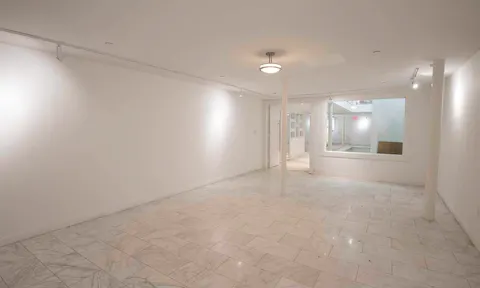


- Flexible retail spaces in Broadway (SoHo), New York |
- Flexible retail spaces in Crosby Street, New York |
- Flexible retail spaces in Greene Street, New York |
- Flexible retail spaces in Mercer, New York |
- Flexible retail spaces in Prince Street, New York |
- Flexible retail spaces in Sullivan Street, New York |
- Flexible retail spaces in Wooster Street, New York
Why rent a Commercial Space in Soho, New York?
Choosing the right location is crucial for retail success, especially in a bustling city like New York. SoHo, with its vibrant atmosphere and rich history, presents a unique opportunity for entrepreneurs and established businesses alike. Renting a commercial space in SoHo can provide significant advantages, making it a prime area for those looking to enhance their retail presence.
One of the major benefits of renting a retail space in SoHo is the access to foot traffic. This neighborhood draws a diverse crowd, from locals to tourists, all seeking unique shopping experiences. By establishing a presence in such a high-traffic area, businesses can capitalize on the constant influx of potential customers. This visibility not only helps in making immediate sales but also contributes to long-term brand recognition.
Additionally, building a brand presence in a targeted area like SoHo allows businesses to connect directly with their customers. The ability to engage with shoppers face-to-face fosters a sense of community and loyalty. In an era where online shopping dominates, having a physical location provides a tangible experience that resonates with consumers. This direct interaction can lead to valuable feedback and insights, helping businesses tailor their offerings to better meet customer needs.
Being located in a vibrant commercial area like SoHo also comes with strategic advantages. The visibility gained from being amidst other successful retailers enhances brand credibility and can lead to increased sales potential. SoHo is known for its eclectic mix of stores, art galleries, and eateries, creating a shopping destination that attracts consumers looking for a comprehensive experience. This synergy can result in beneficial networking opportunities with neighboring businesses, fostering collaborations that might not have occurred in less dynamic locations.
Renting a retail store in SoHo offers flexibility and scalability for businesses. In a city where consumer preferences can shift rapidly, the ability to test concepts without the long-term commitment of purchasing property is invaluable. Retailers can experiment with different products or services, gauge customer reactions, and refine their business models accordingly. This adaptability is particularly important for startups and small businesses looking to establish themselves without overextending their budgets.
In conclusion, renting a commercial space in SoHo, New York, presents numerous benefits for businesses aiming for retail success. The access to significant foot traffic, the opportunity to build a brand presence in a targeted area, and the strategic advantages of being situated in a vibrant commercial hub all contribute to a favorable environment for growth. Moreover, the flexibility and scalability that come with renting allow businesses to experiment and adapt, ultimately leading to informed decisions and stronger market positions. Whether you are just starting out or looking to expand, the advantages of retail spaces in SoHo make it a compelling choice for any retailer.
How much does it cost to rent a Commercial Space in Soho, New York?
When planning a retail business, understanding the cost of renting commercial space is crucial for success. In bustling markets like Soho, New York, meticulous attention to rental costs can directly impact a brand's bottom line and overall viability. Retail store rental prices can vary significantly based on several factors including location, store size, foot traffic, and overall market demand, making it essential to conduct thorough research before entering into a lease agreement.
Soho is known for its vibrant art scene, upscale boutiques, and eclectic dining options, making it a prime location for retail businesses. However, this desirability comes with a hefty price tag. As of recent data, the average rental cost for commercial space in Soho hovers around $200 to $400 per square foot annually, depending on the specific location within the neighborhood. In contrast, suburban areas or locations further from major traffic hubs can see rental prices drop to approximately $30 to $100 per square foot annually. This stark difference highlights the influence of location on rental costs.
Foot traffic is another critical factor affecting rental prices. Areas with high foot traffic naturally command higher rents because they offer more visibility and potential customer interactions. For instance, a space located on Broadway or Prince Street in Soho is likely to attract more customers compared to a shop tucked away on a quieter side street. Moreover, market demand during peak shopping seasons can further inflate prices, particularly around holidays when brands seek to capitalize on increased shopper turnout.
Additional costs must also be factored into the overall budget when leasing retail space. Utilities, which can range depending on the size of the space and the nature of the business, generally add an extra layer of expense. Business owners should also anticipate deposits that can equal one to three months' rent, along with any applicable taxes or maintenance fees that might arise during the lease period. All of these expenses should be considered when assessing the overall cost to lease a shop in Soho.
For those entering the retail market, setting a clear budget is paramount. It is advisable to compare multiple options within various neighborhoods before making a decision, as doing so will provide a better understanding of market dynamics and help locate the best value. Consulting local experts or real estate professionals who understand the intricacies of Soho's rental landscape can also provide valuable insights and potentially save on unnecessary expenses.
In summary, while Soho offers an attractive location for retail businesses, the associated rental costs can be significant. Understanding the factors affecting retail rental costs, along with budgeting for additional expenses, will enable business owners to make informed decisions that contribute to their success in the competitive retail landscape.
Benefits of leasing a Commercial Space in Soho, New York?
Benefits of Leasing Commercial Spaces in Soho, New York
Leasing commercial spaces has emerged as a cost-effective and flexible solution for businesses and individuals seeking locations for retail stores, event venues, showrooms, or offices. In a dynamic market like Soho, New York, where property prices soar, leasing allows access to prime real estate without the enormous investments associated with purchasing property. According to recent market analyses, Soho's average price per square foot can reach over $1,500, resulting in some locations costing millions to acquire. Leasing not only circumvents these overwhelming up-front financial barriers but also opens doors to high-demand areas that might otherwise be out of reach.
One of the most significant benefits of leasing is the ability to scale operations as a business grows. For startups and small businesses, leasing provides the opportunity to expand into larger spaces or relocate to more desirable locations without the long-term commitment that purchasing entails. This adaptability is crucial, especially in fast-paced markets where consumer preferences can shift rapidly. Additionally, many landlords offer maintenance and infrastructure support as part of the lease agreement, allowing tenants to focus on their core business without the burden of property management.
For event organizers, leasing commercial spaces in Soho can be particularly advantageous. Event spaces can often be leased by the hour or day, with prices varying widely based on factors such as size and amenities. Rates can range anywhere from $100 for smaller venues to $10,000 for fully equipped event spaces offering extensive features. This flexibility allows businesses to select a space that aligns precisely with their specific needs and budgets, making pop-up events and brand activations more feasible.
Leasing also provides businesses the opportunity to easily assess market trends and consumer behavior. Each lease term can be structured to respond to changing conditions, allowing companies to pivot quickly in response to economic fluctuations or shifts in customer demand. However, it is critical to conduct thorough research to calculate total costs associated with leasing, including utilities, insurance, and any additional fees. Ensuring that the lease aligns with long-term goals is essential for the sustainability of the business.
In summary, leasing commercial spaces in Soho, New York, offers numerous benefits including access to desirable real estate, scalability for growing businesses, and flexibility for event organizers. By carefully evaluating current market trends and total costs, businesses can make informed decisions that empower them to thrive in a competitive landscape. The advantages of leasing spaces for retail and events not only position businesses for immediate success but also lay a solid foundation for future growth.
What are the most popular neighborhoods for renting a Commercial Space in Soho, New York?
When considering the most popular neighborhoods for renting a commercial space in Soho, New York, it is essential to recognize how different types of businesses and events thrive based on local culture, demographics, and market trends. Soho is known for its vibrant artistic community and high-end retail options, making it a prime location for businesses targeting fashion, art, and unique experiences.
Soho has distinct characteristics that cater to various business purposes. The area is recognized as a creative hub, ideal for showrooms and art galleries due to its rich cultural heritage and trendy atmosphere. It attracts a demographic that appreciates both innovation and luxury. High-end districts often experience high foot traffic, especially on popular streets such as Spring Street, Broadway, and Prince Street. These thoroughfares contribute to the area's appeal, with foot traffic numbers often exceeding thousands on weekends, providing the consistent visibility that retail and pop-up businesses desire.
Nearby landmarks can significantly influence the success of a business in Soho. With its proximity to luxury shopping streets and renowned restaurants, companies can draw in diverse customers looking for unique experiences. Universities and business centers in related neighborhoods further enhance the potential customer base, providing a steady flow of individuals seeking trendy spots for work, leisure, or cultural events.
When evaluating neighborhood profiles, businesses should consider key factors such as local demographics and the types of consumers that frequent the area. For instance, the youthful and creative audience in Soho may be ideal for brands looking to engage with fashion-forward customers or those interested in contemporary art. Balancing location costs with expected returns is crucial, as prime areas come at a premium price, but the potential for higher sales and brand recognition can make these investments worthwhile.
Some of the most advantageous neighborhoods and streets for renting spaces in Soho include Mercer Street and Greene Street, where foot traffic remains consistently high and the area is surrounded by luxury retailers and dining venues. These prime areas can lead to significant returns on investment, especially for businesses that align well with the local culture and consumer preferences.
In conclusion, Soho presents numerous opportunities for businesses looking to establish a presence in a dynamic and well-trafficked environment. By understanding neighborhood characteristics, evaluating local demographics, and selecting the right location, brands can optimize their chances of success in this vibrant district.
Steps involved in planning a Commercial Space in Soho, New York
Planning a commercial space in Soho, New York, involves several crucial steps that can significantly impact the success of your retail or pop-up venture. The first step is identifying the purpose of the space. Understanding what you aim to achieve with the location, whether it is building brand awareness, launching a new product, or creating an immersive shopping experience, helps guide your decisions throughout the process.
Next, understanding your target audience is vital. In a vibrant neighborhood like Soho, demographics play a key role. Analyzing the preferences, shopping habits, and lifestyle of potential customers will inform your approach to product selection, marketing strategies, and overall store design.
Setting a realistic budget is another essential step. This involves not only the costs associated with renting the space but also expenses related to build-out, staffing, inventory, and marketing. Prepare your inventory ahead of time, ensuring you have the right products to meet customer needs. A well-planned inventory helps avoid stock shortages and maximizes sales opportunities.
Marketing and promotion require thoughtful consideration. Utilize social media, local influencers, and innovative campaigns to generate buzz about your store's opening and ongoing activities. Hiring knowledgeable staff who can provide excellent customer service and align with your brand’s vision contributes to creating a welcoming atmosphere.
Creating an immersive experience for customers is crucial in a competitive market like Soho. Engage customers with unique displays, interactive elements, and events that encourage interaction and create memorable experiences. Managing payment transactions securely is also vital, as maintaining customer trust amidst increasing digital payment options is critical for success.
Additionally, analyzing data collected from foot traffic, sales, and customer feedback will provide insights that can refine your approach over time. With Soho's competitive landscape, conducting thorough market research to evaluate demand and competition across various neighborhoods is especially important. Understanding the local market dynamics will enable informed decisions about your positioning.
Accessibility is another key factor to consider when choosing a location. The best commercial spaces are easily accessible via public transport and are close to other amenities that enhance the customer experience, such as restaurants, parks, and shopping centers.
Important considerations include ensuring compliance with local regulations, evaluating lease terms carefully, and aligning your location choice with your overall business goals. Consulting local real estate experts can provide valuable insights into the evolving marketplace, helping you identify key opportunities tailored to your business needs.
Finally, review all lease agreements meticulously, ensuring clarity on terms and obligations. By following these steps to plan a retail store in Soho, focusing on the best locations for commercial spaces, and renting spaces for business growth, you can position your brand for sustainable success in this dynamic marketplace.
How long should you rent a Commercial Space in Soho, New York to achieve your goals?
When considering how long to rent a commercial space in Soho, New York, the optimal lease length can significantly impact a business’s success and overall strategy. The best lease term depends on various factors, including the type of business, its goals, and the intended use of the space, such as retail, events, showrooms, or offices.
For businesses focused on short-term objectives like pop-up shops or temporary events, short-term leases ranging from a few days to a year may offer the most strategic advantage. These flexible arrangements allow brands to test new markets, launch innovative products, or create limited-time experiences that engage customers without the burden of a long-term commitment. Such environments encourage creativity and experimentation, essential elements for capturing the attention of consumers in a bustling location like Soho.
Conversely, for businesses aiming for stability and customer familiarity, longer lease durations of three to five can create a strong foundation. A longer lease enables businesses to build relationships with customers, develop loyalty, and create a recognizable presence in a competitive market. This is particularly important for brands that depend on consistent foot traffic and a well-established reputation.
An emerging trend in the commercial real estate landscape is the increasing availability of flexible lease options. More landlords are recognizing the need for businesses to adapt to shifting market conditions and consumer preferences. These flexibility-focused arrangements allow businesses to minimize long-term commitment while still securing a desirable location, facilitating a more agile approach to market changes.
When determining the appropriate rental duration for commercial spaces, it is essential for businesses to evaluate their goals thoroughly. This means understanding specific market trends that may influence customer behavior and sales projections. Additionally, carefully reviewing lease agreements and knowing the implications of various lease lengths can help align rental timelines with business objectives.
Ultimately, the choice of rental duration hinges on balancing immediate needs with long-term aspirations. The right lease length can facilitate not just operational success but also strategic growth in a dynamic market like Soho, New York.
How can xNomad help your brand successfully launch a Commercial Space in Soho, New York?
Launching a commercial space in a vibrant location like Soho, New York can be a game-changer for your brand. xNomad specializes in providing the tools and expertise needed to ensure a successful entry into this dynamic market. As a trusted pop-up retail partner, xNomad combines location scouting, concept design, and marketing services into an end-to-end retail solution that simplifies the process for brands looking to establish themselves in competitive urban environments.
One of the unique selling points of xNomad is its ability to offer versatile and flexible services. Brands can choose to book spaces for days, weeks, months, or even years, allowing them to tailor their retail presence according to market demands and growth strategies. By bridging the gap between brands and landlords, xNomad creates opportunities for companies looking to make an impact without the long-term commitment of traditional leases.
xNomad's commitment to innovation and simplicity ensures that clients receive comprehensive support. As a full-service agency, xNomad handles every aspect of launching a commercial space, from design and furnishing to staffing and ongoing marketing efforts. This approach guarantees move-in-ready spaces that align with each brand's unique vision and objectives, ultimately leading to exceptional results.
The company's global presence reinforces its position as a reliable partner for brands considering local and international expansion. With a robust partnership network, xNomad plays a vital role in revitalizing urban areas through memorable and innovative pop-up experiences. This not only benefits the brands but also contributes to the local community, creating engaging experiences that draw in foot traffic and foster connections.
With a proven track record of success, xNomad has collaborated with trusted global brands across various industries. By focusing on excellent communication and community-building, xNomad empowers brands to connect with their audiences effectively, ensuring that each launch is a stepping stone to greater brand awareness and loyalty.
In conclusion, if you are looking to launch a commercial space in Soho, New York, choosing xNomad can be the key to your success. With their bespoke end-to-end retail solutions, commitment to trust and innovation, and a deep understanding of the urban landscape, xNomad stands ready to help your brand thrive in this iconic location.
FAQ
Q: How does foot traffic in Soho impact retail success?
A: High foot traffic in Soho significantly boosts retail success by increasing visibility and potential customer interactions. This area attracts a diverse crowd, enhancing immediate sales and long-term brand recognition. For example, businesses on Broadway or Prince Street benefit from thousands of passersby daily, making these locations ideal for maximizing exposure.
Q: What are the hidden costs of renting a commercial space in Soho?
A: Hidden costs of renting in Soho include utilities, deposits, taxes, and maintenance fees. These expenses can add significantly to the base rent, impacting overall budget planning. For instance, deposits can equal one to three months' rent, and utilities vary based on space size and business type.
Q: How can businesses leverage Soho's vibrant atmosphere for brand growth?
A: Businesses can leverage Soho's vibrant atmosphere by engaging with the eclectic mix of stores and galleries, fostering collaborations, and attracting a diverse customer base. This synergy enhances brand credibility and sales potential. For example, a fashion brand can partner with local art galleries for joint events, increasing exposure.
Q: What are the risks of renting a commercial space in Soho?
A: Risks include high rental costs, fluctuating market demand, and competition. These factors can strain budgets and affect profitability. For instance, during peak seasons, rental prices may surge, impacting financial planning for small businesses.
Q: How does seasonality affect retail space demand in Soho?
A: Seasonality affects demand, with peak shopping seasons like holidays increasing competition for prime locations. Brands often secure spaces 3–6 months in advance to capitalize on increased foot traffic. For example, securing a space before Black Friday ensures access to high-demand areas.
Q: How do you compare renting commercial space in Soho to other NYC neighborhoods?
A: Renting in Soho offers high foot traffic and brand visibility, unlike quieter NYC neighborhoods where costs may be lower but exposure is limited. Soho's vibrant culture attracts diverse customers, ideal for brands seeking immediate recognition. In contrast, suburban areas offer lower costs but less visibility.
Q: What factors influence the cost of renting a commercial space in Soho?
A: Factors include location, foot traffic, and market demand. Prime areas like Broadway command higher rents due to visibility and customer interactions. For example, spaces on quieter streets may cost less but offer reduced exposure, affecting sales potential.
Q: How can you effectively plan a pop-up store in Soho?
A: Effective planning involves setting clear objectives, understanding the target audience, and budgeting for rent, inventory, and marketing. Engaging displays and interactive elements enhance customer experience. For instance, a fashion brand can use social media to generate buzz for a limited-time pop-up.
Q: What legal considerations should businesses be aware of when renting in Soho?
A: Businesses must ensure compliance with local regulations, review lease terms carefully, and understand zoning laws. These factors affect operations and long-term viability. For example, understanding zoning restrictions can prevent legal issues related to business activities.
Q: How can xNomad assist in finding the perfect retail space in Soho?
A: xNomad helps brands find and book ideal pop-up spaces by offering location scouting, concept design, and marketing services. This streamlines the process, allowing brands to focus on growth. For instance, xNomad can secure a prime location on Spring Street, enhancing brand visibility.
Q: What is the ideal lease length for a retail space in Soho?
A: The ideal lease length depends on business goals. Short-term leases suit pop-ups, while longer terms benefit brands seeking stability. For example, a six-month lease allows for market testing, while a three-year lease supports brand establishment and customer loyalty.
Q: How can businesses adapt to changing consumer preferences in Soho?
A: Businesses can adapt by leveraging Soho's flexibility to test concepts and refine offerings. Engaging directly with customers provides valuable feedback. For instance, a tech startup can trial new products in a pop-up, adjusting based on consumer reactions.
Q: What is a pop-up shop in new-york-soho and how does it work?
A: A pop-up shop in New York's Soho is a temporary retail space used by brands to create buzz and engage customers. These shops operate for a limited time, allowing businesses to test markets or launch products. They often feature unique merchandise or experiences to attract foot traffic. For instance, many fashion brands utilize pop-ups during major events like Fashion Week.
Q: How do I find pop-up retail space near me in new-york-soho?
A: To find pop-up retail spaces in New York's Soho, utilize platforms like xNomad, which connects brands with available venues. You can also check local listings on real estate websites or social media groups. Networking with local business owners can provide insights on upcoming opportunities.
Q: What types of spaces are available for pop-up shops in new-york-soho?
A: In New York's Soho, types of pop-up spaces include storefronts, shared retail spaces, and event venues. These locations vary in size and style, appealing to a range of project types. Many are designed to be flexible and visually appealing, accommodating diverse retail concepts.
Q: How far in advance should I book a pop-up space in new-york-soho?
A: It's advisable to book a pop-up space in New York's Soho at least 1 to 3 months in advance. This lead time ensures you secure your desired location, especially during peak seasons. For example, planning ahead can help you land a spot during holiday shopping seasons.
Q: Can I rent a pop-up space for just one day or one weekend in new-york-soho?
A: Yes, many venues in New York's Soho allow rentals for just one day or weekend. This flexibility is ideal for brands wanting to make a quick impact or test a concept. xNomad and similar platforms often list short-term rental options to accommodate such needs.
Q: Do I need a permit to run a pop-up shop in New York Soho?
A: Yes, you need a permit to operate a pop-up shop in New York Soho. This is required to comply with local zoning laws and regulations. Failure to obtain a permit can result in fines or legal action. Check with the NYC Department of Small Business Services for specific guidelines.
Q: How do I obtain a pop-up shop permit in New York Soho?
A: To obtain a pop-up shop permit in New York Soho, you need to apply through the NYC Department of Small Business Services. This involves submitting an application and any required documentation. You may also need to provide information about your business and the venue.
Q: How long does it take to get a pop-up shop permit in New York Soho?
A: It typically takes 4 to 6 weeks to receive a pop-up shop permit in New York Soho. This timeframe can vary based on the complexity of your application and city processing times. Plan accordingly to ensure compliance for your intended opening date.
Q: Can I operate a pop-up shop in New York Soho without a permit?
A: No, you cannot operate a pop-up shop in New York Soho without a permit. Doing so exposes you to potential fines and shutdowns by city authorities. Permits are essential for legally operating any commercial venture in the area.
Q: Do I need insurance for a pop-up shop in New York Soho?
A: Yes, having insurance for your pop-up shop in New York Soho is highly recommended. While not always legally required, it protects you from liability and property damage claims. Many venues will require proof of insurance prior to booking.
Q: Are there any specific permit requirements in New York Soho I should know about before booking a space?
A: Yes, specific permit requirements in New York Soho include zoning compliance and health regulations if food is involved. You should check with local authorities for any additional local laws or permits related to your business type.
Q: Does the venue in New York Soho handle permits or is that my responsibility?
A: Typically, obtaining the permit for a pop-up shop in New York Soho is the responsibility of the vendor. Some venues may assist or provide guidance, but it's crucial to confirm requirements beforehand. Check with your venue to clarify their policy regarding permits.
Q: What are some creative display ideas for a pop-up shop in New York?
A: Use vibrant colors, unique shelving units, and interactive elements to capture attention. Incorporating local art or lifestyle themes can create a memorable experience. For instance, utilizing repurposed materials not only enhances your aesthetic but also promotes sustainability.
Q: How can I design an eye-catching pop-up stand on a budget in New York?
A: Focus on DIY solutions like using crates or pallets for displays and creating bold signage with inexpensive materials. Consider renting furniture or decorations from local vendors to save costs. A well-crafted banner or backdrop can also elevate the overall look without breaking the bank.
Q: How do I make my pop-up shop social media friendly in New York?
A: Create visually engaging displays and designated selfie spots to encourage social sharing. Use specific hashtags and incorporate QR codes linking to your social media profiles. Collaborating with local influencers can amplify your reach and enhance your shop's visibility online.
Q: What are some pop-up shop table display ideas in New York?
A: Opt for tiered tables to create height variation and use decorative fabric to enhance visual appeal. Incorporating clear acrylic stands or elegant trays can help in organizing products attractively. A curated selection of items on each table can draw customers in more effectively.
Q: What are the most trending pop-up shop display ideas right now in New York?
A: Omnichannel experiences that combine physical and digital elements are highly sought after. Minimalist designs with lots of white space and greenery also appeal to today's consumers. Offering a unique theme or experiential marketing, such as virtual reality setups, is gaining popularity.
Q: What furniture or fixtures do I need to set up a pop-up shop in New York?
A: Essential items include tables, display racks, seating, and signage. Portable furniture like foldable tables is ideal for flexibility, and shelves or pegboards help showcase products efficiently. Consider using branded fixtures to maintain your brand visibility throughout the setup.
Q: What are the first steps to starting a pop-up shop in New York for a retail project?
A: The first steps include conducting market research to identify your target audience and developing a unique concept tailored to their needs. Next, you should secure the necessary permits and licenses, followed by choosing a suitable vendor for the retail space. For example, understanding the demographics of New York can help you refine your offerings.
Q: Do I need a business plan for a pop-up shop in New York for a retail project?
A: Yes, a business plan is essential for a pop-up shop in New York as it outlines your goals, target market, and financial projections. It helps you stay organized and attract potential investors or partners. Having a solid plan can make a significant difference, especially in a competitive market.
Q: What should I look for when choosing a pop-up shop location in New York for a retail project?
A: When choosing a location for your pop-up shop in New York, consider foot traffic, visibility, and demographics of the area. High-traffic neighborhoods with a significant target audience will enhance your chances of success. Areas like SoHo are popular for retail pop-ups due to their bustling atmosphere.
Q: What are the key benefits of running a pop-up shop in New York for a retail project?
A: Running a pop-up shop in New York allows businesses to build brand awareness, test new products, and engage with customers directly. This short-term venture can create a sense of urgency, driving sales while reducing long-term commitments. For instance, successful pop-ups can turn into permanent locations, demonstrating their potential impact.
Q: What are some key site considerations for a hospitality project in New York?
A: Key site considerations for a hospitality project in New York include local zoning regulations, proximity to transportation hubs, and neighborhood demographics. Understanding these factors helps in aligning the project with community needs and maximizing guest accessibility. For instance, being near Times Square can significantly enhance tourist attraction.
Q: What factors contribute to the budget for a commercial project in New York?
A: Factors contributing to the budget for a commercial project in New York include construction costs, land acquisition, and compliance with local building codes. High demand and limited space in the city can inflate these costs, making budget planning critical. For example, retail spaces in Manhattan typically command premiums due to their prime location.
Q: What should I consider when planning a pop-up shop for my brand in New York for a pop-up project?
A: Consider your target audience, location, and budget when planning a pop-up shop. Ensure the venue aligns with your brand identity and can attract foot traffic. Additionally, plan your marketing strategy in advance to create buzz. For example, xNomad often leverages social media to promote their pop-up events effectively.
Q: How do I choose the right pop-up format for my brand in New York for a pop-up project?
A: To choose the right pop-up format, assess your product type and target market. Market stalls are great for affordable items, while storefronts create a more permanent feel for luxury goods. Identify your goals, and select a format that supports them. For instance, xNomad might opt for a concession format in a mall for visibility.
Q: What are the most common mistakes first-time pop-up operators make in New York for a pop-up project?
A: First-time operators often underestimate the importance of location and signage, failing to stock enough product. They may also neglect to account for permits, leading to unexpected issues. Proper planning and research can mitigate these pitfalls. Many first-timers, including some from xNomad, find success by seeking advice from seasoned pop-up veterans.
Q: What are the best locations and setups for outdoor pop-up shops for a retail project in New York?
A: The best locations for outdoor pop-up shops in New York include busy areas like Washington Square Park and popular streets in Soho. These locations attract foot traffic and are often near other attractions. Setups should be visually appealing and easily accessible to maximize engagement.
Q: How do I run a pop-up shop outside or on a trail/market route for a mobile project in New York?
A: Running a pop-up shop on a trail or market route in New York involves securing permits and identifying high-traffic areas such as weekend farmers' markets. Ensure your setup is portable and adheres to local regulations. Engaging with visitors personally can enhance their experience and encourage sales.
Q: What should I consider when doing a pop-up shop at an outdoor event for an experiential project in New York?
A: When hosting an experiential pop-up shop at an outdoor event in New York, consider weather conditions and the target audience. Provide interactive elements to create memorable experiences and ensure you have adequate signage. High-profile events like the Brooklyn Flea attract diverse crowds and can significantly boost visibility.
Q: What equipment do I need for a pop-up coffee shop project in New York?
A: You need an espresso machine, coffee grinder, portable cart, brewing equipment, and supplies. Additionally, don't forget items like cups, napkins, and condiments. High-quality equipment can improve efficiency and customer satisfaction. For example, an espresso machine like the Breville Barista Pro can serve great coffee in high-demand areas.
Q: What are the best locations for a pop-up coffee shop project in New York?
A: Prime locations include busy streets, parks, and events or festivals in New York. Areas with high foot traffic, like Times Square, or local events, such as markets, attract more customers. For instance, collaborating with local events can maximize visibility and sales.
Q: How do I promote a pop-up coffee event on social media in New York?
A: Use platforms like Instagram and Facebook, and create event pages to engage followers in New York. Share enticing visuals, customer testimonials, and event details. Consider collaborating with local influencers to reach a broader audience. For example, promoting a special flavor can create buzz ahead of the event.
Q: How do I start a successful pop-up coffee shop project in New York?
A: Begin by researching your target market and securing necessary permits in New York. Develop a clear business plan, select a unique location, and curate your menu. Engaging with local businesses and communities can also create a loyal customer base. For example, hosting a launch event could attract initial customers.
Découvrez nos espaces Scopri i nostri spazi Ontdek onze ruimtes 探索我们的空间