- 1Projects


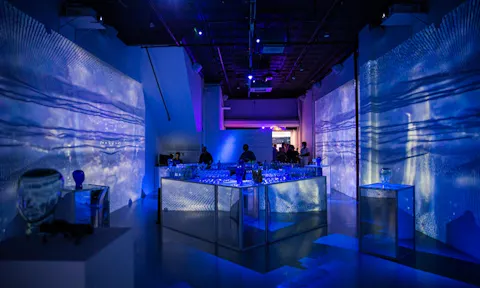


Why rent an Event Space in Chinatown, New York?
Choosing the right location for your retail or event space is crucial for success. In a bustling and culturally rich area like Chinatown, New York, the potential benefits are immense. Renting an event space in Chinatown not only provides access to a vibrant community but also allows businesses to tap into a dynamic consumer base that is passionate about culture, cuisine, and unique experiences. The process of selecting the right venue can significantly impact foot traffic, brand visibility, and overall customer engagement.
When you choose to rent a retail space in Chinatown, you are strategically positioning yourself amongst some of the most authentic dining experiences and iconic shops in New York City. The foot traffic generated in this lively district can lead to increased sales potential and brand awareness. Daily visitors, whether tourists or locals, often explore the area, providing an excellent opportunity for businesses to attract spontaneous customers who might otherwise not have encountered their brand.
Renting a space in Chinatown also allows brands to connect directly with customers in an area rich with cultural significance and history. Being close to historical monuments and landmarks not only enhances your brand's narrative but also allows you to engage consumers in a context that resonates with them. This direct customer connection can foster a sense of community and loyalty, making an event or retail offering far more impactful.
Moreover, being in a vibrant commercial area means increased visibility. Your retail outlet or event space becomes part of the lively tapestry of Chinatown, making it hard for consumers to miss. This heightened visibility often translates into networking opportunities with nearby businesses, expanding your reach and providing chances for collaboration that could mutually benefit all parties involved.
Flexibility is another essential advantage of renting a retail store or event space. By renting instead of purchasing, you have the freedom to test concepts, gauge customer responses, and determine the right market fit before making long-term commitments. This means businesses can adapt to trends and changes in consumer behavior without the risk of being tied down by permanent leases or substantial investments.
In conclusion, renting an event space in Chinatown offers numerous advantages, including access to high foot traffic, opportunities for direct customer engagement, increased visibility, and the chance to network with other local businesses. The ability to test concepts without long-term commitments ensures flexibility and scalability, making it an appealing option for brands looking to enhance their presence in one of the most culturally rich neighborhoods in New York City. Embracing the benefits of renting a retail space can ultimately lead to greater success and sought-after brand recognition.
How much does it cost to rent an Event Space in Chinatown, New York?
Understanding the cost of renting an event space in a bustling area like Chinatown, New York, is crucial for any business planning to host an event. The area is known for its vibrant culture, rich history, and high foot traffic, making it an appealing location for events. However, this popularity comes with varying rental costs that can significantly impact a business’s budget.
In high-demand areas, such as Chinatown, rental prices can fluctuate based on several factors. Locations in city centers often command higher prices than those in suburban areas or low-traffic zones. For instance, a small event space in the heart of Chinatown may cost anywhere from $5,000 to $12,000 per month depending on size and amenities. In comparison, similar spaces in less trafficked neighborhoods might range from $3,000 to $6,000, illustrating the significant influence of location on rental prices.
Store size is another vital factor influencing rental costs. Larger spaces naturally come with higher price tags. A mid-sized venue suitable for 100 guests could have a rental price starting around $6,000 per month, while spaces that accommodate larger events may rise to $15,000 or more. Foot traffic also plays a significant role, with spaces situated on busy streets generally costing more due to their visibility and accessibility. These venues can benefit from spontaneous visitors, making them attractive for promotional events.
Market demand further affects rental costs. High-demand periods, like holiday seasons or major festivals, can see rental prices surge, as businesses compete for premium locations. For example, during Lunar New Year celebrations, rents in Chinatown may escalate by 20% or more due to increased interest. Moreover, additional costs beyond the base rental fee, such as utilities, deposits, taxes, and maintenance fees, can add to the overall expense. It’s essential to factor these into the total budget, as they can substantially affect the final amount required to secure a venue.
To navigate the complexities of renting an event space in Chinatown, it is advisable to set a realistic budget early on. Researching various options is crucial, as rental prices can vary widely even within the same neighborhood. Consulting local real estate experts can provide valuable insights and help identify the best spaces that align with business needs and budgets.
In conclusion, understanding retail store rental prices in a dynamic area like Chinatown requires careful consideration of several factors, including location, size, foot traffic, and market demand. By setting a budget, exploring multiple options, and seeking advice from local experts, businesses can effectively manage their costs and find an event space that fits their vision while remaining financially feasible.
Benefits of leasing an Event Space in Chinatown, New York?
Leasing an event space in Chinatown, New York, offers a cost-effective and flexible solution for businesses and individuals keen on securing an ideal venue for their gatherings. The bustling streets of Chinatown are a hub of culture and commerce, making it an attractive location for events. Whether it's for a pop-up shop, a product launch, or a private gathering, leasing an event space allows you to capitalize on this vibrant environment without the significant financial burden of ownership.
One of the most compelling reasons to lease is the access it provides to high-demand areas that would otherwise cost millions to purchase. A well-located venue in Chinatown can be a game changer for your business, enabling you to connect with local demographics and tourists alike. According to recent market data, commercial real estate prices in prime locations can reach upwards of $1,000 per square foot, making leasing a much more economical choice for many.
Another advantage of leasing is scalability. For growing businesses, having the ability to adjust space requirements as needs evolve can be crucial. Instead of being tied down to a long-term commitment of property ownership, leasing allows for short-term contracts or extensions that can adapt to the influx or decline of your audience. It provides the flexibility to explore different locations or to respond to market demands swiftly, which can be essential in a dynamic environment like New York City.
Many leases also include maintenance and infrastructure support from landlords, relieving tenants of the burden of managing ongoing property upkeep. This arrangement lets you focus more on your event rather than worrying about HVAC issues or minor repairs. Some landlords in New York even provide additional resources, such as furniture and equipment, which can decrease your overall costs and simplify the planning process.
Leasing event spaces also offers a variety of options in terms of duration and pricing. You can find venues available for hourly or daily rentals, with prices that typically range from $100 to $10,000, depending on the size and amenities of the space. This versatility means you can choose an option that best fits your budget and event needs without overcommitting financially.
In conclusion, when considering leasing an event space in Chinatown, it is essential to assess current market trends to ensure you're making an informed decision. Calculate total costs, including utilities and any extra services, to avoid surprises. Ensure the chosen lease aligns with your specific event goals and objectives, providing a seamless experience for both you and your guests. Embracing the benefits of leasing spaces not only alleviates financial pressure but also opens the door to unique opportunities in one of New York's most iconic neighborhoods.
What are the most popular neighborhoods for renting an Event Space in Chinatown, New York?
Chinatown in New York City is not only a vibrant cultural hub but also a prime location for renting event spaces. Various businesses and events thrive in specific areas based on local culture, demographics, and market trends. Understanding these dynamics can help brands maximize their reach and engagement.
Chinatown is characterized by its unique blend of culture, food, and community, which makes it an attractive area for events that celebrate diversity, art, and culinary experiences. The neighborhood serves as a melting pot of varied traditions, making it ideal for pop-up events, art exhibitions, and cultural festivals. Nearby landmarks such as cultural centers, historic sites, and busy streets like Canal Street and Bowery provide a steady flow of foot traffic. Estimates suggest that Canal Street alone attracts thousands of pedestrians daily, particularly on weekends when local markets and restaurants draw large crowds.
Different areas within Chinatown cater to specific businesses. For instance, spaces near the eastern edge may be well-suited for creative projects and art displays due to the convergence of artists and designers in the region. Conversely, areas closer to the southern end of Chinatown could be advantageous for culinary events, given the concentration of restaurants and food markets.
When evaluating neighborhood profiles, consider factors such as accessibility, visibility, and surrounding businesses. It is also crucial to balance location costs with expected returns. High foot traffic areas might command higher rental prices, but the potential for increased attendance can justify the investment.
Consider well-known streets such as Mott Street and Pell Street, where foot traffic is consistently high due to the presence of popular restaurants and shops. These streets not only attract locals but also tourists looking to experience authentic Chinese culture.
For brands looking to establish a presence in Chinatown, understanding the locale’s unique character and identifying the right neighborhood for their specific type of event is essential. Factors such as demographic trends, local landmarks, and community engagement can dictate the success of an event space. With location advantages for commercial leases being so significant in this culturally rich area, businesses can thrive by leveraging the unique atmosphere of Chinatown to create memorable experiences.
Steps involved in planning an Event Space in Chinatown, New York
Planning an event space in Chinatown, New York requires a strategic approach to ensure success and alignment with business goals. The first step is identifying the purpose of the space. Understanding what type of events you want to host, whether they are art exhibitions, pop-up shops, or cultural events, will guide all subsequent decisions.
Next, it is crucial to understand the target audience. Are you catering to locals, tourists, or specific demographics? This knowledge will influence your marketing strategies and the overall design of the space, ensuring that it resonates with the audience while reinforcing your brand identity.
Setting a realistic budget is another essential step. This includes considering costs for leasing the space, renovations, staffing, marketing, and operational expenses. Detailed financial planning will help you allocate resources effectively and avoid unexpected costs.
Preparing your inventory is next. Depending on the events you plan to host, you may need to acquire furniture, equipment, and décor that match the theme and atmosphere of your event space. Always choose items that enhance the customer experience and align with the brand message.
Marketing and promotion are vital to attract visitors. Utilize social media, email marketing, and local advertising to generate interest in your events. Highlighting the unique cultural elements of Chinatown can add appeal, as many people seek authentic experiences in the area.
Hiring staff is essential for ensuring a smooth operation. Trained employees can provide excellent customer service, manage logistics, and handle inquiries effectively. A dedicated team is a key element in creating an immersive experience for customers.
Creating an immersive experience should be a top priority. Curate an environment that engages visitors, perhaps by incorporating elements of Chinese culture or the local art scene. Music, visuals, and interactive components can significantly enhance visitor satisfaction.
Managing payment transactions securely is critical. Invest in reliable payment systems to ensure that transactions are smooth and secure, providing peace of mind for customers and staff alike.
Analyzing data post-event is vital for understanding what worked and what could be improved. This information will help you refine your strategy for future events and better cater to your audience's preferences.
Market research is indispensable when evaluating demand and competition in different neighborhoods. Knowing the landscape of Chinatown, understanding foot traffic, and assessing competitors gives insights that can shape your business strategy.
Accessibility is a key factor in choosing your location. Ensure that the space is easily reachable via public transport and is in proximity to amenities like restaurants and parking facilities. This increases the likelihood of attracting more attendees.
When planning your event space, consulting local real estate experts is advisable. They can provide valuable insights into the best locations for commercial spaces and help you navigate lease agreements.
Ultimately, aligning your location choices with your business goals and understanding the community's dynamics will contribute to the long-term success of your event space. Whether you are renting spaces for business growth or exploring innovative concepts, these steps will guide your planning and ensure a successful venture in Chinatown, New York.
How long should you rent an Event Space in Chinatown, New York to achieve your goals?
When considering how long to rent an event space in Chinatown, New York, the optimal lease length depends significantly on the type of business, its goals, and the intended use of the space. Event spaces can accommodate a variety of activities, from retail pop-up shops to corporate meetings, making the duration of your rental critical to achieving your desired outcomes.
Short-term leases, which can range from a few days up to a year, are particularly advantageous for pop-up shops or temporary events. These arrangements offer flexibility to businesses looking to test the waters, engage with customers in unique ways, or capitalize on specific occasions, such as holidays or festivals. With a short-term lease, businesses can adapt quickly to market demands, ensuring they stay relevant and responsive without the burden of long-term commitments.
Conversely, longer leases, generally falling between three to five years, are often more suited for businesses looking for stability and familiarity in the marketplace. Establishing a venue for regular events or maintaining a consistent presence can build brand recognition and a loyal customer base. This duration allows businesses to develop deeper connections with their audience, ensuring a steady flow of engagement and revenue.
Moreover, flexible lease options have become increasingly accessible, preparing businesses to navigate the ever-evolving market landscape without being tied down by rigid agreements. This adaptability can prove vital, especially for companies seeking to scale up or pivot their offerings in response to consumer trends.
In planning your rental timeline for success, consider evaluating your business goals and understanding current market trends. Assessing what you hope to achieve with your event in Chinatown will guide your decision on the rental duration for commercial spaces. Additionally, it is essential to thoroughly consult the lease agreements to ensure that the terms align with your business objectives, especially when it comes to renewal options and conditions for early termination.
Ultimately, the decision on how long to rent an event space hinges on a careful examination of your strategic vision and the nature of your enterprise. By aligning your rental duration with your needs, you can create a successful and impactful presence in one of New York’s most vibrant neighborhoods.
How can xNomad help your brand successfully launch an Event Space in Chinatown, New York?
How can xNomad help your brand successfully launch an Event Space in Chinatown, New York?
Launching an event space in a vibrant and culturally rich area like Chinatown, New York, presents an exciting opportunity for brands to connect with diverse audiences. However, navigating the complexities of location scouting, concept design, and marketing requires expertise and a reliable partner. This is where xNomad excels.
xNomad offers flexible and versatile services tailored to meet the unique needs of brands looking to establish a presence in dynamic urban environments. As a full-service agency, xNomad provides end-to-end retail solutions, ensuring that every aspect of your event space is taken care of. From identifying the perfect location to creating an engaging design, and from furnishing the space to staffing it with qualified personnel, xNomad simplifies the entire process. This commitment to trust and innovation means brands can focus on what they do best while leaving the logistics to experts who understand the market trends and community dynamics.
The global presence of xNomad makes it a reliable partner for brands seeking to scale locally or expand internationally. By tapping into a vast network of potential locations and strategic partnerships, xNomad helps revitalize urban areas through innovative pop-up experiences that not only attract attention but also foster community engagement. Their proven track record with trusted global brands showcases their ability to deliver exceptional results.
xNomad understands that launching an event space in a bustling location like Chinatown requires more than just space; it needs a vision that resonates with the local culture and audience. By leveraging their expertise, brands can create memorable moments that resonate with visitors and leave a lasting impact.
Choosing xNomad is about more than selecting a location; it is about building a relationship with a trusted partner who prioritizes communication and collaboration. The company’s dedication to community-building ensures that each pop-up experience is not only successful but also meaningful.
In summary, xNomad stands out as the ideal partner for brands looking to launch an event space in Chinatown, New York. With their comprehensive approach, strategic insights, and commitment to excellence, they connect brands with perfect spaces while delivering innovative experiences that captivate audiences. Trust xNomad to provide the services you need for a successful event and a seamless entry into one of New York's most vibrant neighborhoods.
FAQ
Q: What are the key factors to consider when choosing an event space in Chinatown, New York?
A: Key factors include location, foot traffic, and cultural relevance. Chinatown's vibrant streets offer high visibility and engagement opportunities. Consider proximity to landmarks and accessibility to public transport. For instance, spaces near Canal Street benefit from heavy pedestrian flow, making them ideal for pop-up events.
Q: How does foot traffic in Chinatown impact event space rental prices?
A: High foot traffic in Chinatown can significantly increase rental prices. Spaces on busy streets like Canal Street command higher rates due to their visibility and potential for spontaneous visitors. This increased exposure can justify the cost, as it often leads to higher sales and brand awareness.
Q: What are the potential risks of renting an event space in Chinatown, New York?
A: Potential risks include fluctuating rental costs and competition for prime locations. High demand during peak seasons, like Lunar New Year, can drive up prices by 20% or more. Additionally, navigating local regulations and cultural sensitivities requires careful planning to avoid legal challenges.
Q: How can businesses effectively market their event space in Chinatown?
A: Effective marketing involves leveraging Chinatown's cultural appeal through social media, local advertising, and partnerships with nearby businesses. Highlighting unique cultural elements can attract both locals and tourists. For example, promoting an event during a local festival can increase visibility and attendance.
Q: What are the benefits of short-term leases for event spaces in Chinatown?
A: Short-term leases offer flexibility and lower financial risk. They allow businesses to test concepts and adapt to market trends without long-term commitments. For instance, a pop-up shop can capitalize on seasonal demand, such as during the holiday season, without being tied to a lengthy lease.
Q: How does seasonality affect the demand for event spaces in Chinatown?
A: Seasonality impacts demand significantly, with peak periods like holidays and festivals increasing competition for spaces. During events like Lunar New Year, rental prices can surge due to heightened interest. Planning ahead for these periods ensures access to prime locations and favorable terms.
Q: What are the advantages of collaborating with local businesses when renting an event space in Chinatown?
A: Collaborating with local businesses can enhance brand visibility and create mutually beneficial opportunities. Partnerships can lead to shared marketing efforts and increased foot traffic. For example, hosting a joint event with a popular local restaurant can attract diverse audiences and boost engagement.
Q: How can xNomad assist in finding the perfect event space in Chinatown, New York?
A: xNomad specializes in locating ideal pop-up spaces and offers end-to-end solutions, from scouting locations to staffing. Their expertise in urban environments ensures brands find spaces that align with their goals. By leveraging xNomad's network, businesses can secure prime spots and streamline their launch process.
Q: What should businesses include in their budget when renting an event space in Chinatown?
A: Budgets should account for rental fees, utilities, deposits, and additional costs like marketing and staffing. It's crucial to factor in seasonal price fluctuations and potential maintenance fees. For example, during high-demand periods, rental costs can increase, impacting the overall budget.
Q: How can businesses ensure their event space aligns with local cultural dynamics in Chinatown?
A: Aligning with local culture involves understanding community values and incorporating cultural elements into the event design. Engaging with local artists or hosting culturally relevant activities can enhance authenticity. For instance, featuring traditional Chinese art or cuisine can resonate with the local audience.
Q: What is the process for securing an event space in Chinatown, New York?
A: Securing an event space involves researching locations, setting a budget, and negotiating lease terms. Consulting local real estate experts can provide insights into market trends and available spaces. Businesses should also consider accessibility and proximity to key attractions to maximize foot traffic.
Q: How does xNomad's platform simplify the process of launching an event space in Chinatown?
A: xNomad streamlines the launch process by offering comprehensive services, including location scouting, design, and staffing. Their platform connects brands with suitable spaces and provides logistical support, allowing businesses to focus on creating impactful experiences. This approach reduces operational complexity and enhances market entry.
Q: What is a pop-up shop in New York Chinatown and how does it work for a gallery?
A: A pop-up shop is a temporary retail space used to promote products or projects, like a gallery, generating excitement and visibility. Typically, businesses lease these spaces for a short period, allowing flexibility and testing the market. For example, a gallery may showcase local artists in a vacant storefront for a month.
Q: How do I find pop-up retail space near me in New York Chinatown for a gallery?
A: You can find pop-up retail spaces by searching online platforms like xNomad, which specializes in available locations in New York Chinatown. Additionally, local real estate agents and community boards can provide leads on suitable spaces. Consider checking social media groups focused on local artisans and galleries for listings.
Q: What types of spaces are available for pop-up shops, specifically galleries, in New York Chinatown?
A: In New York Chinatown, spaces for pop-up galleries include empty storefronts, dedicated exhibition areas in art centers, and even outdoor venues like plazas. These versatile locations cater to various artistic needs, from visual displays to interactive installations. For instance, the Chinese American Arts Council often collaborates with local galleries for pop-up events.
Q: How far in advance should I book a pop-up space in New York Chinatown for a gallery?
A: Ideally, you should book a pop-up space at least 2-3 months in advance for a gallery. This lead time allows for proper planning, marketing, and setup. Booking early also increases your chances of securing a desirable location, especially in popular areas like New York Chinatown.
Q: Can I rent a pop-up space for just one day or one weekend in New York Chinatown for a gallery?
A: Yes, many venues in New York Chinatown offer flexible rental options for pop-up galleries, allowing you to book for a single day or weekend. This format helps artists reach audiences during special events or community gatherings. Some locations may even offer hourly rates, making it budget-friendly for short-term exhibitions.
Q: Do I need a permit to run a gallery in New York?
A: Yes, you typically need a permit to run a gallery in New York. The requirements can vary based on the location and specific regulations, including zoning laws that govern commercial activities. It's advisable to check with the local government for specific guidelines.
Q: How do I obtain a pop-up shop permit for a gallery in New York?
A: To obtain a permit for a gallery in New York, you should contact the city's Department of Buildings or the local business office. They will provide the necessary application forms and information on requirements. You may also consider consulting xNomad for assistance with the process.
Q: How long does it take to get a pop-up shop permit for a gallery in New York?
A: The time it takes to get a permit for a gallery in New York can vary, generally ranging from a few days to several weeks. This timeframe depends on factors such as the complexity of your application and any required reviews by city agencies. Planning ahead is essential to avoid delays.
Q: Can I operate a gallery pop-up shop in New York without a permit?
A: No, you cannot legally operate a gallery pop-up shop in New York without a permit. Operating without the necessary permits can result in fines or shutdown orders from city officials. Always ensure you have the appropriate permissions before opening.
Q: Do I need insurance for a gallery pop-up shop in New York?
A: Yes, having insurance for a gallery pop-up shop in New York is highly recommended. Liability insurance can protect you against potential claims or damages that may arise from your event. Additionally, some venues may require proof of insurance before granting access.
Q: Are there any specific permit requirements for a gallery in New York I should know about before booking a space?
A: Yes, specific permit requirements may include zoning permits, health permits, or even fire safety inspections for a gallery in New York. It's crucial to research the required permits based on your location and consult local authorities before booking a space to ensure compliance.
Q: Does the venue handle permits for a gallery in New York, or is that my responsibility?
A: It varies by venue; some venues may handle permits for a gallery, while others may require you to obtain them. Always clarify the responsibility regarding permits with the venue before finalizing your booking to avoid any confusion.
Q: What are some creative display ideas for a pop-up gallery in New York?
A: Use local artists' work to create an interactive wall, incorporate greenery for a fresh vibe, or set up a themed photo booth. Engaging displays attract visitors and encourage social sharing. For instance, a live mural artist can draw attendees and create excitement around the gallery.
Q: How can I design an eye-catching pop-up stand on a budget in New York?
A: Utilize repurposed materials, focus on bold colors, and incorporate unique signage. DIY elements can significantly reduce costs while offering a personal touch. You can create a striking backdrop using pallets and paint for under $100.
Q: How do I make my pop-up gallery in New York social media friendly?
A: Create Instagrammable spots with vibrant backgrounds and interactive installations, and encourage customers to share their experiences with dedicated hashtags. Providing a branded frame or props can enhance engagement. Consider offering small incentives like discounts for posts.
Q: What are some pop-up gallery table display ideas in New York?
A: Use tiered displays for showcasing products, incorporate clear acrylic risers for a modern look, and mix textures with fabric and wood elements. For example, a table with a vintage cloth and sleek risers can create visual interest while promoting your art.
Q: What are the most trending pop-up gallery display ideas right now in New York?
A: Minimalist design emphasizing open space, tech integration like AR experiences, and collaboration with local influencers are trending. Creating immersive experiences that tell a story engages visitors and can draw large crowds, reflecting current consumer preferences.
Q: What furniture or fixtures do I need to set up a pop-up gallery in New York?
A: Essential items include display tables, portable shelving, lighting fixtures, and seating options for guests. Portable furniture that can be easily assembled and disassembled is ideal. For example, renting collapsible tables and chairs can save space and costs.
Q: What are the first steps to starting a pop-up gallery in New York?
A: The initial steps include defining your concept and target audience, securing funding, and selecting your timeline. You'll also need to identify your product range and branding strategies. Starting early on these elements can streamline the process, making operations smoother. For instance, a clear vision and budget could aid in choosing the right space and marketing effectively.
Q: Do I need a business plan for a pop-up gallery in New York?
A: Yes, having a business plan for a pop-up gallery is essential. It outlines your objectives, target market, financial projections, and marketing strategies, significantly guiding your decisions. A solid plan can help attract investors and partners, ensuring you're prepared for challenges. For example, some successful pop-ups dedicate a portion of their plan to community engagement strategies.
Q: What should I look for when choosing a pop-up gallery location in New York?
A: Consider high foot traffic areas, demographics, and nearby attractions when choosing your pop-up gallery location. Accessibility and visibility play crucial roles in attracting customers, promoting spontaneous visits. Additionally, research local events that can complement your opening. A prime location can significantly increase your exposure and sales opportunities.
Q: What are the key benefits of running a pop-up gallery in New York?
A: Running a pop-up gallery offers benefits such as increased brand visibility, customer engagement, and market testing. They provide a unique experience, allowing brands to connect with consumers in a novel environment. Many businesses report higher sales and customer interaction during pop-up events, illustrating their effectiveness in competitive markets.
Q: How does the designed gallery project in New York aim to incorporate local cultural elements?
A: The designed gallery project in New York seeks to integrate local cultural elements by featuring artworks that reflect the diverse communities in the area. By collaborating with local artists and curators, the project aims to create a space that represents the rich heritage of New York. For example, it will include exhibitions that celebrate the traditions of various neighborhoods.
Q: What sustainable practices are being implemented for the gallery project in New York?
A: For the gallery project in New York, sustainable practices include using eco-friendly materials and energy-efficient lighting. The design also incorporates green roofs and rainwater harvesting to minimize environmental impact. This approach aims to reduce the gallery's carbon footprint and serves as a model for future projects.
Q: What should I consider when planning a pop-up gallery project for my brand in New York?
A: You should consider location, target audience, and branding elements. Choosing a high-traffic area in New York can enhance visibility, while defining your audience ensures you cater to their preferences. Additionally, aligning your branding with the gallery setting creates a cohesive experience. For instance, setting up in Soho might attract art enthusiasts looking for trendy exhibits.
Q: How do I choose the right pop-up format for my brand's gallery project in New York?
A: Consider your goals and the nature of your offerings when selecting a format. For a gallery project, a storefront may provide a refined atmosphere, while a concession can create a casual vibe. Assess foot traffic, space requirements, and budget constraints before deciding. For example, a gallery event in the Chelsea area could benefit from an engaging storefront setup.
Q: What are the most common mistakes first-time operators make in pop-up gallery projects in New York?
A: First-time operators often underestimate logistics and promotion. Failing to plan for setup, inventory management, or the required permits can lead to chaotic experiences. Moreover, inadequate marketing may result in low foot traffic. Many new operators in New York overlook the importance of an engaging launch event, which can significantly impact visibility and sales.
Q: What are the best locations and setups for outdoor pop-up shops for a gallery project in New York?
A: Ideal locations for outdoor pop-up shops in New York include busy areas like Times Square, Central Park, and local markets. Setups should focus on high visibility, utilizing tents or kiosks to attract foot traffic. For a gallery project, consider displaying artwork in engaging ways to draw in art enthusiasts, with examples like pop-up art displays at art fairs or community festivals.
Q: How do I run a pop-up shop outside or on a trail/market route for a gallery project in New York?
A: To successfully run a pop-up shop in New York for a gallery project, choose a strategic location like a local market or art walk. Ensure compliance with local permits and regulations, and create an inviting atmosphere with appropriate signage and display options. Engaging interactive elements can enhance the experience, as seen in events like the Smorgasburg food market that also feature art installations.
Q: What should I consider when doing a pop-up shop at an outdoor event for a gallery project in New York?
A: When planning a pop-up shop for a gallery project at an outdoor event in New York, consider factors such as target audience, weather conditions, and accessibility. Ensure that the display reflects the gallery's brand and is easy to navigate. For example, having engaging artifacts or live demonstrations can significantly increase interest and foot traffic during events like the Brooklyn Arts Festival.
Q: What equipment do I need for a pop-up coffee shop in New York for a gallery project?
A: You will need an espresso machine, grinders, brewers, and portable serving equipment. Additionally, consider furniture for seating, a point-of-sale system, and ample supply of coffee and milk. Having a reliable power source is critical as well. For a small setup, investing in a quality portable espresso machine can serve multiple customers efficiently.
Q: What are the best locations for a pop-up coffee shop in New York for a gallery project?
A: Ideal locations include busy arts districts, popular parks, and areas near art exhibitions. Locations should have high foot traffic and visibility, attracting both locals and tourists alike. Spaces like community events or festivals can also be perfect for reaching a broader audience.
Q: How do I promote a pop-up coffee event on social media in New York for a gallery project?
A: Create visually appealing posts showcasing your coffee offerings and unique gallery themes. Use targeted ads and engage with local influencers to boost visibility, utilizing hashtags like #NYCcoffee and #popupgallery. Hosting a live event or giveaways can also generate excitement on platforms like Instagram and Facebook.
Q: How do I start a successful pop-up coffee shop in New York for a gallery project?
A: Begin by researching your target audience and securing the right location for high visibility. Develop a unique branding and menu to stand out, and establish certifications for food safety. Consider partnering with local artists to create a cultural experience; this connection can drive more customers to your pop-up.
Découvrez nos espaces Scopri i nostri spazi Ontdek onze ruimtes 探索我们的空间