- 1Projects

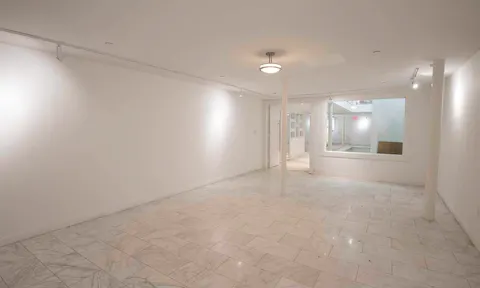


- Flexible retail spaces in Alphabet City, New York |
- Flexible retail spaces in Bridgehampton, NY |
- Flexible retail spaces in Chelsea, New York |
- Flexible retail spaces in Chinatown, New York |
- Flexible retail spaces in East Hampton, NY |
- Flexible retail spaces in East Harlem, New York |
- Flexible retail spaces in East Village, New York |
- Flexible retail spaces in Financial District, New York |
- Flexible retail spaces in Flatiron District, New York |
- Flexible retail spaces in Garment District, New York |
- Flexible retail spaces in Gramercy, New York |
- Flexible retail spaces in Harlem, New York |
- Flexible retail spaces in Hudson Yards, New York |
- Flexible retail spaces in Kips Bay, New York |
- Flexible retail spaces in Lenox Hill, New York |
- Flexible retail spaces in Little Italy, New York |
- Flexible retail spaces in Lower East Side, New York |
- Flexible retail spaces in Midtown East, New York |
- Flexible retail spaces in Midtown Manhattan, New York |
- Flexible retail spaces in Midtown West & Hell's Kitchen, New York |
- Flexible retail spaces in Murray Hill, New York |
- Flexible retail spaces in NoHo, New York |
- Flexible retail spaces in NoMad, New York |
- Flexible retail spaces in Nolita, New York |
- Flexible retail spaces in Rose Hill, New York |
- Flexible retail spaces in SoHo, New York |
- Flexible retail spaces in Southampton, NY |
- Flexible retail spaces in Tribeca, New York |
- Flexible retail spaces in Union Square, New York |
- Flexible retail spaces in Upper East Side, New York |
- Flexible retail spaces in Upper West Side, New York |
- Flexible retail spaces in West Village, New York
Why rent an Event Space in New York, United States?
When it comes to establishing a successful retail business, the location you choose plays a crucial role in your overall success. In a bustling city like New York, where opportunities abound, selecting the right event space can be the key to unlocking your brand's potential. Renting an event space offers numerous advantages that can significantly enhance your brand presence, drive sales, and foster customer connections.
One of the primary benefits of renting a retail space in New York is the access to foot traffic. High-traffic areas are ideal for attracting passersby, allowing you to showcase your products directly to potential customers who may not have otherwise found your brand. Being surrounded by other thriving businesses also increases your visibility, placing you in front of a diverse audience looking for unique shopping experiences. The ability to connect with customers face-to-face is invaluable; it enables you to create lasting impressions, gather feedback, and build a loyal customer base.
Furthermore, renting an event space in a vibrant commercial area offers strategic advantages that can enhance your business operations. The bustling environment encourages local partnerships and networking opportunities with nearby businesses. Collaborations can lead to cross-promotional efforts, expanded customer reach, and shared resources. Being in the heart of the city also positions your brand alongside established names, lending credibility and attracting further interest from consumers.
Flexibility is another significant consideration when it comes to retail store rental benefits. Renting an event space allows you to scale your operations based on your current needs. Whether you’re testing a new concept, launching a seasonal campaign, or hosting a special event, short-term leases provide the freedom to adapt without the long-term commitment of traditional retail leases. This way, businesses can experiment with different locations and promotional strategies, all while minimizing risk.
In conclusion, renting a retail space in New York offers an effective solution for brands looking to establish or enhance their presence in the competitive market. The advantages of retail spaces extend far beyond mere location; they encompass visibility, networking, and the flexibility to grow. By leveraging these benefits, businesses can build stronger connections with their customers, increase sales potential, and successfully navigate the dynamic landscape of New York's retail environment.
How much does it cost to rent an Event Space in New York, United States?
When planning a business, understanding retail rental costs is crucial to ensuring the success of your venture. Rental prices can greatly impact your budget and overall profitability, making it essential to grasp the various factors that contribute to these costs. In New York City, one of the most dynamic urban centers in the world, the prices for renting event and retail spaces can vary significantly based on several elements including location, size, and demand.
In prime locations such as Manhattan, particularly in areas like Times Square or SoHo, rental costs can be exceptionally high. For instance, reports indicate that retail spaces in these districts can exceed $300 per square foot annually. Commercial real estate firm CBRE notes that such high-traffic zones draw retailers willing to pay top dollar due to the significant visibility and customer flow they offer. Conversely, costs in outer boroughs or less frequented areas may range from $50 to $100 per square foot, demonstrating a vast difference in rental pricing influenced by foot traffic and market demand.
Beyond location, store size plays a pivotal role in determining rental fees. Larger spaces often come with a premium price tag, but they also offer the opportunity for increased sales volume if positioned correctly. A substantial space in a less trafficked area may still yield better overall rent-to-revenue ratios than a small, expensive space in a high-demand area, especially if the smaller space limits operations.
Additional factors affecting retail rental costs include utility expenses, deposits, taxes, and maintenance fees. Many landlords require a security deposit that typically equates to one to three months' rent, which can significantly impact initial budgeting. Utilities can vary widely based on usage, which stakeholders must consider when calculating the total cost to lease a shop.
When considering renting an event space in New York, potential renters should set a realistic budget that encompasses all these elements. Comparing multiple options in different neighborhoods can highlight better value, while also providing insight into what similar businesses in the area are paying. Consulting local real estate experts can further clarify what rates are reasonable based on current market trends and specific location dynamics.
In summary, while the costs of renting an event space in New York can vary widely, understanding the fundamentals of location, size, and additional expenses is paramount for making informed decisions. By establishing a budget and being aware of the various influencing factors, businesses can navigate the robust New York rental market effectively and position themselves for success.
Benefits of leasing an Event Space in New York, United States?
Leasing commercial spaces has become an increasingly popular choice for businesses and individuals looking to establish a presence in dynamic markets like New York. This cost-effective and flexible solution allows entrepreneurs and event organizers to access prime locations without the significant financial burden of purchasing property. In a city where real estate prices can soar to millions of dollars, leasing offers an attractive alternative, enabling brands to secure high-demand areas that are pivotal to their success.
One of the most significant benefits of leasing is the scalability it provides for growing businesses. As conditions change and demand fluctuates, companies can adjust the size and duration of their leased spaces to match their needs. This adaptability is crucial in a market that can be unpredictable, particularly for retail and events. Businesses can start small and expand their footprint as their brand recognition grows or as they successfully tap into new customer segments.
In addition to flexibility, many leases come with maintenance and infrastructure support provided by landlords. This not only alleviates the operational burden on businesses but also ensures that the spaces are well-maintained and equipped for use. Landlords will often cover costs for upkeep, utilities, and even essential amenities that can be expensive for individual tenants to handle on their own. This makes leasing not just a practical option, but also a financially savvy one that allows businesses to allocate their resources more efficiently.
For those interested in event spaces, leasing options are even more varied. Spaces can be rented by the hour, day, week, or month, catering to everything from corporate meetings to large-scale celebrations. Prices can range widely based on the size, location, and amenities provided, with costs starting around $100 for smaller venues and going up to $10,000 for larger, high-end event spaces. This pricing structure makes it feasible for organizations of all sizes to host events without the long-term commitment associated with property ownership.
As you consider the benefits of leasing spaces, it is essential to stay informed about market trends and assess total costs thoroughly. Understanding the local real estate landscape will aid in identifying opportunities that align with your business goals. Evaluating potential locations and the conditions of the lease will further ensure that your chosen space supports your vision—whether you are setting up a retail store, hosting an event, or launching a temporary pop-up.
In summary, leasing commercial spaces provides numerous advantages, particularly in bustling markets like New York. The ability to occupy prime locations without the high costs of buying property, the flexibility to scale operations, and the potential for included maintenance make leasing an enticing pathway for businesses and event planners alike. By approaching this decision with a clear strategy and a keen eye on market dynamics, you can make informed choices that will enhance your operational success.
What are the most popular neighborhoods for renting an Event Space in New York, United States?
When considering the most popular neighborhoods for renting an event space in New York, it's essential to understand how local culture, demographics, and market trends shape the suitability of different areas. Some neighborhoods shine as creative hubs perfect for showrooms or galleries, while others in high-end districts serve luxury retail or upscale events. Warehouse districts often provide ample space for larger gatherings and unique setups, making them appealing for various events.
Foot traffic plays a crucial role in the success of businesses and events. Areas adjacent to key landmarks like major shopping streets, universities, or business centers often experience significant pedestrian activity. For instance, the Meatpacking District, with its mix of trendy boutiques and restaurants, can attract around 20,000 visitors on a busy weekend. Meanwhile, locations near universities like Columbia or NYU benefit from a consistent flow of students and faculty, ideal for workshops, seminars, or networking events.
When evaluating neighborhood profiles, consider not only the demographic fit for your target audience but also the overall vibe of the area. Balancing location costs with expected returns is crucial; a space in a top neighborhood might come with a premium price tag, but the potential for higher foot traffic and brand visibility can justify the upfront costs.
Some of the most advantageous neighborhoods for renting event space in New York include SoHo, known for its artistic flair and trendy atmosphere; Chelsea, with its vibrant arts scene and central location; and Williamsburg, a hub for creativity and youthful energy. Additionally, neighborhoods like Flatiron and Midtown offer access to a diverse audience and are close to major transportation hubs, providing convenience for event attendees.
Understanding the character and foot traffic of various streets is also paramount. Streets like Bleecker and Spring in the West Village, and Grand Street in Williamsburg, boast a mix of trendy shops and eateries, drawing crowds regularly. Allocating time to analyze these neighborhoods can significantly impact the success of events and businesses alike. Emphasizing location advantages for commercial leases will lead to more effective decision-making when selecting an event space in New York.
Steps involved in planning an Event Space in New York, United States
Planning an event space in New York requires a strategic approach to ensure its success. The first step is identifying the purpose of the space. Are you hosting corporate events, private parties, or community gatherings? Understanding this will help shape the design and functionality of your space. Next, it is crucial to understand your target audience. Knowing who you want to attract will guide decisions on location, marketing strategies, and the overall vibe of the space.
Setting a realistic budget is another critical step. Consider expenses such as rent, utilities, furnishings, and staff. Preparing your inventory should also include essential items like seating arrangements, audiovisual equipment, and decor that align with the purpose of the event space. Proper planning ensures that you have everything in place to create an engaging environment.
Marketing and promotion will play a vital role in driving foot traffic to your event space. Develop a clear marketing strategy that utilizes both digital and traditional methods to reach your audience effectively. Hiring staff who are skilled in customer service, event management, and technical support is another key consideration. Their expertise will enhance the overall experience for your guests.
Creating an immersive experience is essential for leaving a lasting impression. This may involve thematic decorations, interactive elements, or unique seating arrangements that engage attendees. Additionally, managing payment transactions securely is fundamental to building trust with your clients and can streamline the booking process.
Analyzing data is an often-overlooked but vital step. Collect feedback from guests to evaluate their experience, and use this information to improve future events. Conducting market research to evaluate demand and competition in different neighborhoods will help you identify the ideal location for your event space. Choosing the best locations for commercial spaces involves considering factors such as accessibility, public transport options, and nearby amenities like hotels and restaurants that enhance convenience for your guests.
In planning an event space in New York, it is crucial to consult local real estate experts who can provide insights into the market, current trends, and potential locations that align with your business goals. Reviewing lease agreements closely will ensure you are aware of terms that could impact your operations. Finally, always align your location choices with your overall business objectives to ensure long-term success.
By following these key steps, you can create a unique and successful event space that attracts clients and satisfies their needs, ultimately fostering business growth.
How long should you rent an Event Space in New York, United States to achieve your goals?
When considering how long to rent an event space in New York, understanding your business type, goals, and the intended use of the space is crucial. The optimal lease length can vary significantly depending on whether the space will be utilized for retail, events, showrooms, or office uses. For businesses that thrive on constant change and innovation, such as pop-up shops or temporary events, short-term leases are often ideal. These leases typically range from a few days to a year, allowing brands to create unique experiences without a long-term commitment.
Conversely, businesses looking for stability and customer familiarity generally prefer longer leases. Contracts typically lasting three to five years are suited for retailers and service providers who want to build strong relationships with their clientele and establish a recognizable presence in their chosen neighborhood. This duration also allows for better financial planning and investment in marketing initiatives focused on customer retention.
As the retail landscape continues to evolve, flexible lease options are becoming increasingly common, responding to the needs of businesses in a dynamic market. These agreements empower brands to adapt to changing consumer demands and market conditions without the burden of long-term commitments. This flexibility can be particularly valuable for businesses testing new concepts or entering competitive markets.
To effectively plan rental timelines for success, it's essential to evaluate your business goals carefully. Understanding market trends and consumer behavior can provide valuable insights into ideal locations and rental durations. Consulting lease agreements and negotiating terms that align with your objectives ensures that the duration of your rental contributes positively to your company's growth.
Ultimately, the key to choosing the right rental duration for commercial spaces lies in a thorough assessment of your business's unique needs and market positioning. By strategically aligning lease lengths with your organizational goals, you can maximize your return on investment and set the stage for long-term success in an increasingly competitive marketplace.
How can xNomad help your brand successfully launch an Event Space in New York, United States?
Launching an event space in New York can be a game-changer for your brand, and partnering with xNomad allows for a seamless experience in achieving this goal. With expertise in providing retail and pop-up spaces, xNomad acts as a bridge between brands and landlords, delivering comprehensive services that simplify the process from concept to execution.
One of the standout aspects of xNomad is its commitment to innovation and trust. The company offers versatile and flexible services that cater to your specific needs, whether you are looking for a temporary installation or a long-term presence. Their approach ensures that you can find the perfect location tailored to your goals, facilitating a connection with your target audience in one of the world’s most dynamic markets.
When it comes to launching an event space, xNomad provides an end-to-end experience. Their full-service model includes location scouting, concept design, furnishing, and staffing. This means you can focus on what matters most—creating memorable experiences for your attendees—while xNomad handles all the logistics, ensuring your space is move-in ready.
Geographically, xNomad’s global presence positions them as a reliable partner for brands aiming to scale either locally or internationally. They understand the intricacies of various markets, which is crucial when entering a vibrant and competitive environment like New York. This local expertise is complemented by a robust partnership network that actively works to revitalize urban areas, creating engaging pop-up experiences that draw in foot traffic and generate buzz.
Having a proven track record with trusted global brands, xNomad demonstrates its ability to deliver exceptional results consistently. Their portfolio showcases successful collaborations that highlight the effectiveness of their strategies and services. The emphasis on excellent communication and community-building further solidifies their position as a trusted pop-up retail partner.
In summary, choosing xNomad for your event space launch in New York equips your brand with the tools needed for success. Through innovative solutions and a commitment to excellence, they help connect brands with the perfect spaces, all while ensuring an efficient and rewarding process. If you're looking for end-to-end retail solutions that drive results, xNomad is your ideal partner.
FAQ
Q: How can a brand effectively leverage foot traffic when renting event space in New York?
A: Brands can capitalize on foot traffic by selecting event spaces in high-traffic areas, such as near major shopping streets or landmarks. This exposure increases brand visibility and attracts potential customers. For example, a pop-up shop in SoHo can draw in thousands of passersby daily, enhancing brand recognition and sales opportunities.
Q: What are the potential risks of renting event space in New York?
A: Renting event space in New York can pose risks such as high rental costs, fluctuating foot traffic, and competitive market dynamics. Businesses must carefully evaluate lease terms and neighborhood suitability to mitigate these risks. For instance, securing a space in a less trafficked area might reduce costs but could impact customer reach.
Q: How does seasonality affect event space rental in New York?
A: Seasonality can significantly impact event space rental in New York, with peak demand during holidays and major events like Fashion Week. Businesses should plan ahead, securing spaces months in advance to ensure availability and optimal locations. For instance, booking a space for a holiday pop-up in October can guarantee prime positioning.
Q: How does xNomad assist in finding the right event space in New York?
A: xNomad helps brands find the right event space in New York by offering tailored solutions that match business goals with ideal locations. Their platform streamlines the process, providing access to a wide range of spaces and facilitating seamless booking. This ensures brands can focus on creating impactful experiences.
Q: What factors influence the cost of renting event space in New York?
A: The cost of renting event space in New York is influenced by location, size, and demand. Prime areas like Manhattan can exceed $300 per square foot annually, while outer boroughs may range from $50 to $100. Additional costs include utilities, deposits, and maintenance fees, which must be factored into budgeting.
Q: How can businesses maximize the benefits of short-term leases for event spaces?
A: Businesses can maximize short-term leases by using them to test new concepts, launch seasonal campaigns, or host special events. This flexibility allows for experimentation without long-term commitments. For example, a brand can trial a new product line in a pop-up shop for a few weeks to gauge customer interest.
Q: What are the key considerations for choosing a neighborhood for event space rental in New York?
A: Key considerations include foot traffic, demographic fit, and neighborhood vibe. Businesses should assess whether the area aligns with their target audience and brand image. For instance, a luxury brand might choose a high-end district like SoHo, while a creative brand might opt for Williamsburg's artistic atmosphere.
Q: How does the size of an event space impact rental decisions in New York?
A: The size of an event space impacts rental decisions by affecting costs and operational capacity. Larger spaces may command higher rents but offer more room for customer engagement and sales. A small, strategically located space might be more cost-effective if it aligns with the brand's operational needs and target audience.
Q: What legal considerations should be addressed when renting event space in New York?
A: Legal considerations include reviewing lease terms, zoning regulations, and compliance with local laws. Businesses should ensure the space is legally suitable for their intended use and that all contractual obligations are clear. Consulting with legal experts can help navigate these complexities and avoid potential disputes.
Q: How can brands ensure a successful launch of an event space in New York?
A: Brands can ensure a successful launch by conducting thorough market research, setting clear objectives, and choosing a location that aligns with their target audience. Effective marketing and engaging experiences are crucial. For instance, a well-promoted launch event in a trendy neighborhood can attract significant attention and drive foot traffic.
Q: What is a pop-up shop and how does it work in New York malls?
A: A pop-up shop is a temporary retail space that allows brands to engage customers and test new markets. It typically operates for a short duration, featuring unique designs and creating a sense of urgency. For example, many brands in New York malls utilize pop-up shops to boost visibility and attract foot traffic.
Q: How do I find pop-up retail space near me in New York malls?
A: You can find pop-up retail space in New York malls through platforms like xNomad, local real estate listings, or mall management websites. Many malls also host dedicated pop-up events, allowing you to connect with available spaces. Checking with specific NYC malls such as Chelsea Market can yield good results.
Q: What types of spaces are available for pop-up shops in New York malls?
A: In New York malls, you can find various spaces for pop-up shops, including storefronts, kiosks, and dedicated areas within larger retail environments. These spaces cater to diverse needs and budgets. For example, malls like Westfield World Trade Center offer various size options to accommodate different types of retail experiences.
Q: How far in advance should I book a pop-up space in New York malls?
A: It’s advisable to book a pop-up space in New York malls at least one to three months in advance. This timeline allows you to secure the best locations and customize your space effectively. Notably, some high-demand malls may require even earlier bookings, especially during peak seasons.
Q: Can I rent a pop-up space for just one day or one weekend in New York malls?
A: Yes, many New York malls offer the flexibility to rent pop-up spaces for just one day or one weekend. This short-term rental option is ideal for events or promotions. For example, some retailers at Times Square have successfully set up weekend pop-up shops to coincide with tourist traffic.
Q: Do I need a permit to run a pop-up shop in New York mall?
A: Yes, you typically need a permit to run a pop-up shop in a mall in New York. Permits are required to comply with local regulations and zoning laws. Without the appropriate permits, you may face fines or be forced to close your shop.
Q: How do I obtain a pop-up shop permit in my city for a mall?
A: To obtain a pop-up shop permit in New York for a mall, you must apply through the local government’s business licensing office. The process often involves submitting an application and paying a fee. It’s advised to start the process early to avoid delays.
Q: How long does it take to get a pop-up shop permit for a mall in New York?
A: The time it takes to obtain a pop-up shop permit in New York can vary, but it generally takes anywhere from a few weeks to a couple of months. The timeline can depend on your specific location within the city and the complexity of your application.
Q: Can I operate a pop-up shop in a mall in New York without a permit?
A: No, you cannot legally operate a pop-up shop in a mall in New York without a permit. If you do, you may encounter legal issues, including fines or closure. Ensuring compliance with local laws is crucial for any business venture.
Q: Do I need insurance for a pop-up shop in a New York mall?
A: Yes, you typically need insurance for a pop-up shop in a New York mall. General liability insurance is often required by venue owners to protect against potential claims. Insurance safeguards your business and helps manage risks related to operating a retail space.
Q: Are there any specific permit requirements I should know about before booking a space in a New York mall?
A: Yes, there are specific permit requirements you should be aware of before booking a space for a pop-up shop in a New York mall. These may include fire safety permits, health permits, and business licenses, depending on the type of products sold.
Q: Does the venue handle permits, or is that my responsibility when hosting a pop-up shop in a New York mall?
A: Usually, obtaining permits for a pop-up shop in a New York mall is your responsibility, although some venues may assist you. It’s important to clarify with the venue management whether they provide support in obtaining necessary permits or if you need to handle everything independently.
Q: What are some creative display ideas for a pop-up shop in New York mall?
A: Use vibrant colors and engaging themes to attract attention. Incorporate interactive elements such as touchscreens or product sampling stations. Creative visual merchandising can enhance customer engagement, like using oversized props or unique shelving.
Q: How can I design an eye-catching pop-up stand on a budget in New York mall?
A: Utilize cost-effective materials like reclaimed wood or fabric for backdrops, and focus on clever signage and lighting. DIY displays can create a unique aesthetic while keeping costs low. Simple yet effective solutions ensure you stand out without overspending.
Q: How do I make my pop-up shop social media friendly in New York mall?
A: Create Instagrammable setups with visually appealing backdrops and unique product displays that encourage sharing. Hashtags or QR codes can connect customers with your brand online, increasing visibility. Consider photo booths or themed areas for added attraction.
Q: What are some pop-up shop table display ideas for a New York mall?
A: Use tiered setups to create dynamic heights for products, and integrate branded tablecloths for consistency. Ensure everything is organized and visually appealing to attract customers. Clear signage can help in communicating product details effectively.
Q: What are the most trending pop-up shop display ideas right now in New York mall?
A: Sustainable materials and minimalistic designs are currently popular, as well as incorporating technology like AR experiences. Engaging storytelling through your display can draw customers in and keep them connected. Brands that emphasize eco-friendliness often excel.
Q: What furniture or fixtures do I need to set up a pop-up shop in New York mall?
A: Basics include tables, shelving, and display racks that reflect your brand's style. Comfortable seating and clear signage improve customer experience. Consider portable fixtures to optimize space and enhance mobility in your setup.
Q: What are the first steps to starting a pop-up shop in New York for a mall project?
A: The initial steps include defining your concept and target audience. After that, secure necessary permits and licenses for operation. It’s essential to create a budget and marketing plan to attract customers. For instance, collaborating with local influencers can enhance visibility.
Q: Do I need a business plan for a pop-up shop in New York for a mall project?
A: Yes, a business plan is crucial for outlining your strategy and goals. It helps you clarify your market position, financial projections, and marketing tactics. Moreover, it can be essential for securing funding or partnerships. Studies show that businesses with plans are more likely to succeed.
Q: What should I look for when choosing a pop-up shop location in New York for a mall project?
A: Choose a location with high foot traffic and visibility in the mall. Consider the demographics and psychographics of shoppers in the area to ensure a good match with your product. Additionally, assess competition and accessibility. Reports indicate that prime locations can boost sales significantly.
Q: What are the key benefits of running a pop-up shop in New York for a mall project?
A: The main benefits include low overhead costs, increased brand awareness, and the ability to test products. Pop-up shops allow businesses to engage directly with customers and gather real-time feedback. For example, brands can see substantial sales and customer interactions when executed properly.
Q: What is the estimated cost for a mall project in New York?
A: The estimated cost for a mall project in New York can vary widely depending on location and scale, but it typically ranges from $100 million to over $1 billion. This includes land acquisition, construction, and design costs. For example, the Hudson Yards development project cost approximately $25 billion, showcasing the potential scale of urban mall developments.
Q: What are the potential challenges of a mall project in New York?
A: A mall project in New York faces several challenges, including high land prices, zoning regulations, and intense competition from e-commerce. The regulatory environment and community concerns can also complicate project approval and development. For instance, a proposed project in Queens faced significant opposition due to neighborhood impact and traffic issues.
Q: What are the current trends influencing mall projects in New York?
A: Current trends influencing mall projects in New York include the integration of mixed-use spaces, focusing on experiences over traditional retail, and incorporating technology for streamlined customer interactions. Developers are increasingly emphasizing sustainability and community engagement in their designs. For example, the recently opened Source Mall features entertainment options alongside shopping, reflecting evolving consumer preferences.
Q: How is the traffic impact assessed for a mall project in New York?
A: The traffic impact for a mall project in New York is assessed through comprehensive traffic studies that evaluate existing conditions, potential increases in vehicle trips, and public transportation access. These studies help identify infrastructure improvements needed to manage the increased flow of visitors. For instance, a recent mall project in Brooklyn conducted extensive analysis that recommended adding bus routes to accommodate anticipated traffic.
Q: What financing options are available for a mall project in New York?
A: Financing options for a mall project in New York include traditional bank loans, private equity investments, and public-private partnerships. Developers often explore various funding sources to raise capital while minimizing financial risks. For instance, the redevelopment of a historic site into a retail hub utilized a combination of state grants and private investments to secure funding.
Q: What should I consider when planning a pop-up shop for my brand in New York for a mall project?
A: Consider the target audience and the location's foot traffic when planning your pop-up shop. The right branding, product assortment, and pricing strategy are crucial for attracting shoppers. Identifying peak hours and strategically placing signage can enhance visibility. For example, successful pop-ups in New York’s major malls often leverage seasonal themes to draw in customers.
Q: How do I choose the right pop-up format for my brand in New York for a mall project?
A: To choose the right pop-up format, assess your objectives and target customers in New York. A storefront can provide greater exposure, while a concession may offer lower costs and flexibility. Evaluate the space available in the mall and whether you want a temporary or more permanent setup. For instance, xNomad often opts for a combination of formats based on product offerings and event specifics.
Q: What are the most common mistakes first-time pop-up operators make in New York for a mall project?
A: Common mistakes include inadequate market research and underestimating operational costs in a New York mall project. Ignoring the importance of engaging visual merchandising or not having a clear marketing plan can also hinder success. For example, many first-time operators fail to promote their presence adequately, leading to disappointing traffic and sales.
Q: What are the best locations and setups for outdoor pop-up shops in New York for a mall project?
A: Prime locations include busy parks like Bryant Park and popular streets such as Broadway. Ideal setups should feature eye-catching displays and shade options to attract foot traffic. For instance, recent pop-ups in Central Park saw a 30% increase in visitors due to effective layout designs.
Q: How do I run a pop-up shop outside or on a trail/market route in New York for a mall project?
A: To successfully run a pop-up shop, secure necessary permits and choose a high-traffic area like the High Line. Ensure your products are well-displayed and staff is trained to engage with passersby. For example, a recent setup in Union Square attracted large crowds, boosting sales significantly.
Q: What should I consider when doing a pop-up shop at an outdoor event in New York for a mall project?
A: Key considerations include weather conditions, event permits, and target audience demographics. Ensure your branding aligns with the event’s theme and offers are enticing. For example, pop-ups at New York’s annual SummerStage festival effectively catered to diverse attendees, enhancing overall engagement.
Q: What equipment do I need for a pop-up coffee shop in New York for a mall project?
A: For a pop-up coffee shop in a mall, you'll need an espresso machine, coffee grinder, brewing equipment, and portable power sources. Additionally, invest in display equipment for pastries and a point-of-sale system. Having sufficient seating or standing space and a well-designed layout can enhance customer experience. A typical setup might cost between $10,000 to $20,000.
Q: What are the best locations for a pop-up coffee shop in New York for a mall project?
A: Ideal locations for a pop-up coffee shop in a New York mall include high-traffic areas such as near entrances, food courts, or popular retailers. Visibility and accessibility are crucial for attracting foot traffic. Malls like Westfield World Trade Center or The Shops at Columbus Circle are examples of prime spots.
Q: How do I promote a pop-up coffee event on social media in New York for a mall project?
A: To promote a pop-up coffee event in a New York mall on social media, create engaging posts with high-quality visuals and use hashtags relevant to the local area. Collaborate with local influencers or engage the community through giveaways and events. Schedule posts leading up to the event and follow up with customer feedback afterward.
Q: How do I start a successful pop-up coffee shop in New York for a mall project?
A: To start a successful pop-up coffee shop in a New York mall, conduct thorough market research, secure necessary permits, and choose a strategic location. Develop a strong business plan detailing your concept and budget. Engaging branding and great customer service are vital. Learn from other successful pop-ups, like those organized by xNomad, to understand the community's needs.
Découvrez nos espaces Scopri i nostri spazi Ontdek onze ruimtes 探索我们的空间