- 1Projects

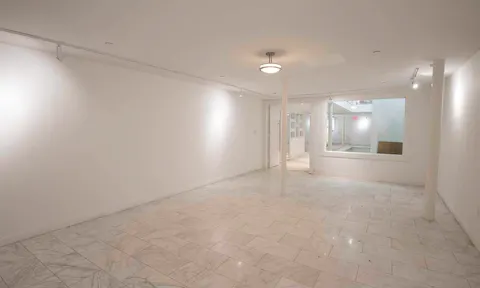


- Flexible retail spaces in Alphabet City, New York |
- Flexible retail spaces in Bridgehampton, NY |
- Flexible retail spaces in Chelsea, New York |
- Flexible retail spaces in Chinatown, New York |
- Flexible retail spaces in East Hampton, NY |
- Flexible retail spaces in East Harlem, New York |
- Flexible retail spaces in East Village, New York |
- Flexible retail spaces in Financial District, New York |
- Flexible retail spaces in Flatiron District, New York |
- Flexible retail spaces in Garment District, New York |
- Flexible retail spaces in Gramercy, New York |
- Flexible retail spaces in Harlem, New York |
- Flexible retail spaces in Hudson Yards, New York |
- Flexible retail spaces in Kips Bay, New York |
- Flexible retail spaces in Lenox Hill, New York |
- Flexible retail spaces in Little Italy, New York |
- Flexible retail spaces in Lower East Side, New York |
- Flexible retail spaces in Midtown East, New York |
- Flexible retail spaces in Midtown Manhattan, New York |
- Flexible retail spaces in Midtown West & Hell's Kitchen, New York |
- Flexible retail spaces in Murray Hill, New York |
- Flexible retail spaces in NoHo, New York |
- Flexible retail spaces in NoMad, New York |
- Flexible retail spaces in Nolita, New York |
- Flexible retail spaces in Rose Hill, New York |
- Flexible retail spaces in SoHo, New York |
- Flexible retail spaces in Southampton, NY |
- Flexible retail spaces in Tribeca, New York |
- Flexible retail spaces in Union Square, New York |
- Flexible retail spaces in Upper East Side, New York |
- Flexible retail spaces in Upper West Side, New York |
- Flexible retail spaces in West Village, New York
Why rent a Retail store in New York, United States?
Choosing the right location is crucial for retail success, and when it comes to bustling cities like New York, the stakes are even higher. With its diverse population and vibrant culture, New York offers a unique opportunity for brands looking to elevate their presence in a competitive market. Renting a retail store in this iconic city can unlock a plethora of benefits that are essential for business growth.
One of the primary advantages of retail store rental is access to high foot traffic. In a city renowned for its lively streets and numerous attractions, being in a prime location can significantly increase visibility for your brand. Whether your target customers are tourists drawn to historical landmarks or locals seeking the latest in fashion and dining, a well-placed retail space positions your brand directly in the line of sight of potential customers. This exposure can lead to increased sales and a greater opportunity to connect with new clientele.
Another compelling reason to rent retail space in New York is the presence of important companies and well-established brands. Being located near prominent businesses not only enhances your credibility but also places you in an environment ripe for collaboration. The synergy created by being part of a thriving commercial area can lead to networking opportunities that might not be available elsewhere. Establishing connections with nearby retailers or brands can open doors for unique promotional events, shared marketing campaigns, and a stronger local presence.
Building a brand presence in a targeted area is also a fundamental benefit of renting retail spaces. By strategically selecting a location that aligns with your brand's values and target demographic, you create an environment where customers feel connected to your product. This local engagement fosters loyalty, as customers are more likely to support brands that resonate with their communities. Additionally, the ability to adapt your offerings based on local tastes and preferences creates a personalized shopping experience that can set you apart from competitors.
Moreover, renting a retail store in a bustling area provides an opportunity to test concepts before making significant investments. This flexibility allows businesses to gauge customer reactions, refine their offerings, and adjust their marketing strategies—all without the long-term commitment of a permanent lease. Whether you want to experiment with product lines, store layouts, or customer engagement tactics, short-term rentals offer a low-risk way to innovate.
In summary, renting a retail store in New York comes with an array of advantages that can significantly enhance your business potential. From the benefits of increased visibility and foot traffic to the strategic advantages of being close to established brands, the opportunities for growth are immense. Whether you're looking to build a brand presence, connect with customers, or explore new concepts, renting a retail space in this dynamic market is a worthwhile investment that offers the flexibility and scalability needed for success.
How much does it cost to rent a Retail store in New York, United States?
Understanding the costs associated with renting a retail store in New York is crucial for any business planning to establish itself in this vibrant market. Retail rental prices can vary widely depending on a range of factors, making it essential to have a clear understanding of what influences these costs and how to navigate the rental landscape effectively.
In the heart of New York City, particularly in iconic areas like Manhattan, retail rental prices tend to soar. For instance, prime locations along Fifth Avenue can command prices exceeding $3,000 per square foot annually, reflecting the high demand and significant foot traffic these areas generate. This contrasts sharply with suburban locations or areas further from major tourist attractions, where rental prices may dip to around $50 to $100 per square foot, depending on the specifics of the area.
Several factors play a role in determining retail rental costs. Location is arguably the most significant; stores situated in high-traffic zones where consumers are ready to spend show much higher price tags. Size is another critical aspect—larger storefronts can mean higher overall costs even if the price per square foot is similar to smaller spaces. Market demand also drives prices. In a booming neighborhood with new developments, rental costs often rise as more brands vie for limited space.
Utilities, deposits, taxes, and maintenance fees are additional expenses that businesses need to consider when budgeting for retail space. Utility costs vary based on size and sophistication of the store, while deposits can range from one to three months of rent, forming a significant initial outlay. Taxes, particularly in New York, can also add to the overall cost and should not be overlooked.
For businesses evaluating their options in New York, setting a comprehensive budget is essential. This budget should account for not only the monthly rental price but also the ancillary costs associated with operating in the city. It's also advisable to compare different locations and rental agreements, as flexibility in lease terms can lead to more favorable pricing. Engaging with local real estate experts can provide invaluable insights into market conditions and help identify hidden gems in less well-known areas that might offer lower prices yet high potential for foot traffic.
In conclusion, while the cost to lease a shop in New York can be daunting, thorough research and strategic planning can lead to smart decisions that align with business goals. Understanding the factors affecting retail rental costs, from location to market demand, coupled with a well-defined budget and expert advice, can pave the way for successful retail ventures in one of the world's most dynamic cities.
Benefits of leasing a Retail store in New York, United States?
Leasing a retail store in New York offers businesses a cost-effective and flexible solution in a competitive market. With the city's vibrant economy and high consumer traffic, leasing rather than purchasing retail space becomes an attractive option for brands looking to establish or expand their presence. According to market data, the average retail lease price in New York can range significantly, giving businesses access to prime locations that would otherwise cost millions to buy.
One of the primary benefits of leasing is the ability to access high-demand areas such as Manhattan, where foot traffic and visibility can dramatically enhance a brand's exposure. As per real estate trends, retail spaces in sought-after neighborhoods can see lease prices that cater to a variety of budgets, allowing businesses of all sizes to find spots that align with their market strategy.
Flexibility also plays a crucial role, especially for growing businesses. Leasing allows companies to scale their operations according to their needs, whether they are opening a new store or testing a new concept. This is particularly advantageous in fast-paced markets; brands can secure short-term leases to capitalize on seasonal trends or pop-up opportunities without committing to long-term financial obligations. The availability of leased event spaces further enhances this flexibility, with options to rent by the hour or day at prices ranging from $100 to $10,000, contingent on size and amenities.
Additionally, many leases include maintenance and infrastructure support from landlords, alleviating the burden of property management for tenants. This aspect of leasing enables business owners to focus on their core operations—such as marketing and product development—rather than dealing with the intricacies of property maintenance.
When considering leasing a retail store in New York, it is crucial to assess market trends and understand the total costs involved in the leasing process. Analyzing factors such as leasing duration, potential foot traffic, and included services can help businesses ensure that their lease aligns with their specific goals.
In summary, the benefits of leasing spaces in New York are numerous. It provides access to prime locations without the hefty price tag of purchasing, offers scalability for growth, and often comes with additional support from landlords, making it a fundamentally sound choice for brands looking to thrive in one of the world's most dynamic markets. By carefully evaluating market conditions and costs, businesses can make informed decisions that pave the way for success.
What are the most popular neighborhoods for renting a Retail store in New York, United States?
Choosing the right neighborhood for renting a retail store in New York is crucial for ensuring business success. Different neighborhoods cater to specific demographics and market trends, affecting how businesses and events thrive in those areas. In New York, certain locales stand out due to their unique cultural characteristics and traffic patterns.
For example, creative hubs like SoHo and Williamsburg have become popular for showrooms and boutiques focused on artisanal and unique products. These neighborhoods attract a younger crowd that values creativity and innovation, making them ideal for brands looking to engage with a trend-savvy audience. In contrast, high-end districts such as Madison Avenue and the Upper East Side are perfect for luxury retail. These areas cater to affluent shoppers and are characterized by iconic shopping streets that drive consistent foot traffic, with estimates around 1,000 pedestrians per hour in peak times.
Warehouse districts, particularly those in the Lower East Side and Gowanus, can serve as excellent venues for pop-up events and concept stores. These areas often attract people looking for unique experiences and emerging brands, thanks to their artistic and revitalized atmospheres.
Nearby landmarks significantly influence traffic patterns. Streets close to universities, such as Columbia University in Morningside Heights or New York University in Greenwich Village, experience heightened foot traffic from students and faculty. Similarly, areas near business centers, like Midtown Manhattan, will see increased visits from professionals on lunch breaks or after work, making them advantageous for retail endeavors that cater to a busy, working demographic.
When evaluating neighborhood profiles, it’s essential to balance location costs with expected returns. High-rent areas may promise ample foot traffic, but it’s vital to ensure that the potential customer base aligns with your brand's target market. Conduct thorough market research to assess demand, competition, and customer demographics in prospective neighborhoods.
Several streets and neighborhoods stand out for those looking to rent retail spaces. In addition to Madison Avenue for luxury goods, consider the bustling environment of Broadway in SoHo for younger, hipster-oriented brands or the South Street Seaport for a mix of tourists and locals. In terms of pricing, understanding average rent per square foot in these areas is essential; expect to pay significantly more in trendy hubs compared to less commercialized locales.
When it comes to renting spaces in prime areas, understanding the nuances of each neighborhood can provide a critical advantage for your business. The right location, combined with strategic planning, can elevate a retail operation and enhance brand visibility in one of the world's most dynamic markets.
Steps involved in planning a Retail store in New York, United States
Planning a retail store in New York requires careful consideration of several key steps to ensure a successful launch and sustainable operation. First, it's essential to identify the purpose of your space. Understanding your brand's mission and how it connects with your target audience will guide many of your decisions moving forward. Knowing your goals will help streamline the planning process and create a cohesive vision for your retail space.
Next, a clear understanding of your target audience is crucial. Comprehensive market research will help identify demographic preferences and shopping behaviors, enabling you to tailor your offerings and create a welcoming ambiance that resonates with potential customers. Evaluating demand and competition in various neighborhoods can make a significant difference in your choice of location, and it is vital to consider demographics, foot traffic, and cultural trends within New York.
Setting a realistic budget is a fundamental step in planning your retail store. Factor in all expenses, including rent, inventory, staffing, marketing, and utilities. Conducting thorough research into the pricing of commercial spaces in your desired areas will help you establish a budget that aligns with your business objectives and reduces the risk of financial strain.
Preparing your inventory comes next. Ensure your product offerings reflect the preferences of your target audience. Managing a well-organized inventory system will not only streamline operations but will also enable you to respond to customer demand efficiently. Additionally, marketing and promotion play a pivotal role in drawing attention to your store. Develop a comprehensive marketing strategy that utilizes both digital and traditional channels to create buzz before and during your opening.
Hiring staff is another critical aspect of the planning process. Well-trained employees serve as the face of your brand, providing exceptional customer service and creating a memorable shopping experience. Providing ongoing training and clear communication will foster a positive work environment and enhance staff performance.
Creating an immersive experience for customers is paramount in today’s retail landscape. Design an inviting and interactive retail space that encourages customers to explore and engage with your products. This can be achieved through thoughtful layout, engaging visual merchandising, and personalized services that resonate with shoppers.
Managing payment transactions securely is essential for customer trust and operational success. Ensure that your point-of-sale systems are up-to-date with the latest security measures, providing a seamless checkout process that enhances the customer experience while safeguarding sensitive information.
Lastly, analyzing the data collected from sales, customer feedback, and foot traffic trends will help refine your offerings and marketing strategies over time. Assessing this data enables you to adapt to changing market conditions and customer preferences, ensuring long-term sustainability.
When selecting a location, consider accessibility, public transport options, and nearby amenities. Locations with convenient access to transit, high visibility, and proximity to complementary businesses can significantly influence foot traffic and overall profitability.
In conclusion, consulting local real estate experts can provide invaluable insights into neighborhood dynamics and commercial leasing options. Reviewing lease agreements meticulously is crucial to avoid pitfalls and ensure favorable terms for your business. Aligning your location choices with your overarching business goals and market positioning will lay the groundwork for successful operations. By following these steps to plan a retail store effectively, you can position your brand for growth and success in New York's competitive marketplace.
How long should you rent a Retail store in New York, United States to achieve your goals?
Selecting the optimal rental duration for a retail store in New York requires careful consideration of various factors that align with your business goals and the intended use of the space. The type of business you operate plays a significant role in defining the ideal lease length. For example, pop-up shops, temporary events, or seasonal promotions typically benefit from short-term leases, which can range from a few days to a year. These flexible arrangements allow brands to test markets, engage with customers, and create buzz without the commitment of a long-term lease.
On the other hand, businesses that aim for stability, customer familiarity, and brand establishment often find longer leases, generally spanning three to five years, more suitable. These extended durations afford a sense of permanence and the ability to build a loyal customer base in a designated area. Longer leases also provide the predictability needed for budgeting and operational planning, helping businesses avoid the disruptions of frequent relocations.
In today’s dynamic market, flexible lease options are becoming increasingly popular. This trend allows businesses to pivot and adapt to changes in market conditions without enduring the financial and logistical burdens associated with long-term commitments. As the retail landscape continues to evolve, having the freedom to adjust rental durations can aid in maintaining relevancy and competitiveness.
To determine the best rental duration for your retail store, it's essential to evaluate your business goals meticulously. Are you looking to establish a permanent presence, or are you seeking to experiment with your offerings in a transient setup? Understanding current market trends, customer behaviors, and local economic conditions will provide valuable insights into your decision-making process.
Moreover, reviewing lease agreements is crucial to ensure that the terms align with your business objectives and give you the flexibility needed to navigate potential changes. Whether you're planning rental timelines for success or deciding on lease lengths that suit your operational needs, careful planning and analysis will ultimately contribute to achieving your goals in New York's vibrant retail environment.
How can xNomad help your brand successfully launch a Retail store in New York, United States?
Launching a retail store in New York can be a complex endeavor, yet with the right partner, it becomes an exciting opportunity. xNomad stands out as a trusted pop-up retail partner, offering end-to-end retail solutions that simplify the process for brands aiming to make their mark in one of the world's most vibrant markets.
xNomad specializes in providing versatile and flexible services tailored to bridge the gap between brands and landlords. The company excels in location scouting, helping brands identify prime retail spaces that match their target audience and brand identity. With a keen understanding of New York's dynamic landscape, xNomad ensures brands find the perfect location that enhances visibility and foot traffic.
In addition to location scouting, xNomad offers concept design, transforming ideas into immersive retail experiences. Their team emphasizes creativity and innovation, working closely with brands to develop engaging concepts that resonate with consumers. This attention to detail extends to furnishing and staffing, as xNomad delivers move-in-ready spaces that allow brands to focus on launching and growing their presence in New York.
With a global footprint, xNomad serves as a reliable partner for brands looking to scale both locally and internationally. Their extensive partnership network plays a vital role in revitalizing urban areas, fostering collaboration that results in memorable, innovative pop-up experiences. This commitment to community-building not only benefits brands but also enhances local economies.
xNomad's proven track record with trusted global brands highlights its expertise in the retail space. By providing seamless communication, innovative solutions, and a dedication to excellence, they ensure brands achieve exceptional results. Choosing xNomad means selecting a partner that understands the nuances of retailing in a competitive environment, making the journey to launching a store in New York a smooth and successful one.
In conclusion, whether you're an emerging label or an established company, xNomad's mission is to connect brands with the perfect spaces and deliver outstanding outcomes. Their commitment to trust, innovation, and simplicity enables brands to navigate the challenges of retail with confidence, ultimately leading to impactful and engaging customer experiences. When looking to launch a retail store in New York, xNomad is the partner you can rely on for expert guidance and support.
FAQ
Q: How can a brand leverage New York's high foot traffic for retail success?
A: Brands can capitalize on New York's high foot traffic by selecting prime retail locations that align with their target audience. High-traffic areas increase visibility and customer engagement, leading to potential sales growth. For example, a fashion brand might choose a location near popular shopping districts like SoHo to attract trend-conscious consumers.
Q: What are the hidden costs of renting a retail store in New York?
A: Hidden costs of renting a retail store in New York include utilities, deposits, taxes, and maintenance fees. These expenses can significantly impact your budget. For instance, utility costs vary with store size, while deposits may require one to three months' rent upfront, adding to initial financial outlays.
Q: How does the presence of established brands in New York benefit new retailers?
A: New retailers benefit from proximity to established brands through increased credibility and networking opportunities. Being near prominent businesses can enhance brand image and facilitate collaborations. For example, a new café next to a well-known bookstore might attract book lovers seeking a cozy spot to read.
Q: How can xNomad assist in finding pop-up retail spaces in New York?
A: xNomad helps brands find pop-up retail spaces in New York by offering location scouting and flexible leasing options. Their expertise ensures brands secure prime spots that match their target market. For instance, xNomad can locate a trendy space in Williamsburg for a fashion pop-up targeting young, creative consumers.
Q: What are the challenges of adapting retail offerings to local New York tastes?
A: Adapting retail offerings to local New York tastes involves understanding diverse consumer preferences and cultural trends. This requires thorough market research and flexibility in product lines. A restaurant, for example, might need to adjust its menu to cater to the city's multicultural palate.
Q: How does seasonality affect retail store rental strategies in New York?
A: Seasonality impacts rental strategies as demand fluctuates during peak shopping periods like holidays. Brands should secure spaces 3–6 months in advance to capitalize on high foot traffic. For instance, a toy store might rent space ahead of the holiday season to maximize sales opportunities.
Q: What are the legal considerations when renting a retail store in New York?
A: Legal considerations include understanding lease terms, zoning laws, and compliance with city regulations. It's crucial to review contracts thoroughly to avoid unfavorable conditions. For example, ensuring the lease allows for specific business activities can prevent legal disputes.
Q: How do you determine the ideal neighborhood for your retail store in New York?
A: Determining the ideal neighborhood involves assessing target demographics, foot traffic, and competition. Researching areas like SoHo for trendy brands or Madison Avenue for luxury goods can guide location decisions. A tech startup might choose a neighborhood with a strong digital presence, like the Flatiron District.
Q: What factors influence the cost of retail space in New York?
A: Factors influencing retail space costs include location, size, and market demand. Prime areas like Fifth Avenue command higher prices due to high foot traffic. A small boutique in a popular district might pay more per square foot than a larger store in a less trafficked area.
Q: How can brands test new concepts in New York's retail market?
A: Brands can test new concepts using short-term leases or pop-up shops, allowing for experimentation without long-term commitments. This approach helps gauge customer reactions and refine offerings. A beauty brand might launch a temporary store to introduce a new product line and gather feedback.
Q: How does xNomad support brands in launching successful pop-up events in New York?
A: xNomad supports brands by providing end-to-end solutions for pop-up events, including location scouting and concept design. Their expertise ensures seamless execution and impactful customer experiences. A fashion label might use xNomad to create an immersive pop-up showcasing a new collection in a high-traffic area.
Q: What are the benefits of leasing versus buying retail space in New York?
A: Leasing offers flexibility, lower upfront costs, and access to prime locations without the financial burden of ownership. It allows brands to test markets and adapt to trends. For instance, a startup can lease a space in a trendy neighborhood to build brand presence without a long-term commitment.
Q: What is a pop-up shop and how does it work in Paris-2e-75002 for a bar?
A: A pop-up shop in Paris-2e-75002 is a temporary bar setup that allows entrepreneurs to test the market in high-traffic areas. It typically operates for a limited time, helping businesses engage with customers directly while keeping costs low. For example, a pop-up bar can be set up in a vacant storefront or at a local event, drawing in crowds with themed experiences.
Q: How do I find pop-up retail space for a bar near me in Paris-2e-75002?
A: You can find pop-up retail space in Paris-2e-75002 by using dedicated platforms like xNomad or local real estate listings. Community boards and social media can also provide leads on available spaces. Popular areas like Rue Montorgueil often have options for short-term rentals.
Q: What types of spaces are available for pop-up bars in Paris-2e-75002?
A: In Paris-2e-75002, you can find various spaces for pop-up bars, including vacant storefronts, market stalls, and event venues. Many locations offer flexible leasing options to accommodate short-term projects. Typically, spaces near popular attractions like the Palais Royal have high foot traffic.
Q: How far in advance should I book a pop-up space for a bar in Paris-2e-75002?
A: Ideally, you should book a pop-up space for your bar at least 1 to 3 months in advance in Paris-2e-75002. This allows sufficient time for permits and promotions. However, some last-minute deals may be available for immediate openings through platforms like xNomad.
Q: Can I rent a pop-up space for just one day or one weekend for a bar in Paris-2e-75002?
A: Yes, it is possible to rent a pop-up space in Paris-2e-75002 for just one day or one weekend. Many venues offer flexible rental terms to accommodate short-term events. For instance, you might find a market space that allows for weekend-only sales, attracting a local crowd.
Q: Do I need a permit to run a pop-up bar in Paris 2nd arrondissement?
A: Yes, you typically need a permit to operate a pop-up bar in Paris 2nd arrondissement. Local regulations require permits to ensure compliance with health, safety, and zoning laws. You can contact the local city hall for specific requirements.
Q: How do I obtain a pop-up bar permit in Paris 2nd arrondissement?
A: To obtain a pop-up bar permit in Paris 2nd arrondissement, you must submit an application to the local city hall. This usually requires providing specific documentation, such as your business plan and proof of insurance. Begin this process well in advance of your planned opening.
Q: How long does it take to get a pop-up bar permit in Paris 2nd arrondissement?
A: The time to receive a pop-up bar permit in Paris 2nd arrondissement can vary, but it generally takes several weeks. The review duration can depend on the complexity of your application and local processing times. It’s advisable to start this process early, ideally two to three months before your intended opening.
Q: Can I operate a pop-up bar in Paris 2nd arrondissement without a permit?
A: Operating a pop-up bar in Paris 2nd arrondissement without a permit is not advisable and is typically illegal. Doing so can lead to fines or closure by local authorities. Ensure you have all necessary permits before opening to avoid potential legal issues.
Q: Do I need insurance for a pop-up bar in Paris 2nd arrondissement?
A: Yes, obtaining insurance for your pop-up bar in Paris 2nd arrondissement is highly recommended. Insurance protects you from liability and property damage claims. Many venues also require proof of insurance as part of their rental agreement.
Q: Are there any specific permit requirements for a pop-up bar in Paris 2nd arrondissement before booking a space?
A: Yes, there are specific permit requirements you should be aware of before booking a space for your pop-up bar in Paris 2nd arrondissement. These may include safety regulations, health inspections, and other local ordinances. Check with the local city hall for detailed guidelines.
Q: Does the venue handle permits for a pop-up bar in Paris 2nd arrondissement or is that my responsibility?
A: Generally, obtaining permits for a pop-up bar in Paris 2nd arrondissement is your responsibility. While some venues may assist with the process, it’s typically up to the organizer to secure all necessary licenses. Clarify this with the venue management when booking your space.
Q: What are some creative display ideas for a pop-up bar in Paris 2nd arrondissement?
A: Utilize vertical space with hanging decor and shelves to draw the eye upward. Use themed elements related to the drinks served, such as vintage bottles or urban art. An interactive cocktail-making station or a photo booth with unique props can entice visitors. For example, a rooftop garden vibe with potted plants can enhance the atmosphere.
Q: How can I design an eye-catching pop-up bar stand on a budget in Paris 2nd arrondissement?
A: Use repurposed materials like wooden pallets or crates to create a rustic yet appealing stand. Incorporate bold colors in signage and tablecloths for visual impact. DIY decorations, such as hand-painted murals or recycled materials, can save costs while adding character. For instance, craft a simple but stylish bar front using reclaimed wood.
Q: How do I make my pop-up bar in Paris 2nd arrondissement social media friendly?
A: Create visually attractive backdrops and eye-catching signage that encourage photo opportunities. Incorporate Instagrammable elements like neon lights, themed areas, or custom cocktails to enhance shareability. For example, a mural that says "Sip Happens" can be a fun, shareable feature.
Q: What are some pop-up bar table display ideas in Paris 2nd arrondissement?
A: Use layered table arrangements with varied heights to create depth, mixing tall glasses with smaller ones. Incorporate themed centerpieces, like cocktail ingredients or local art. A “drink of the day” chalkboard sign can attract attention while providing a personal touch, like a local twist on classic cocktails.
Q: What are the most trending pop-up bar display ideas right now in Paris 2nd arrondissement?
A: Eco-friendly displays using recycled materials are in vogue, along with immersive experiences that engage all five senses. Creating a dynamic environment with lights and sounds also attracts crowds. For instance, experiential tastings can encourage interaction and promote the bar’s unique offerings.
Q: What furniture or fixtures do I need to set up a pop-up bar in Paris 2nd arrondissement?
A: Essential items include portable bar counters, stools, and shelving units for drinks and merchandise. Adequate lighting fixtures will create ambiance, while a coolers or ice bins will ensure beverages stay fresh. Utilizing foldable or multi-functional furniture helps maximize space efficiency while being cost-effective.
Q: What are the first steps to starting a pop-up bar in Paris 2nd arrondissement?
A: The initial steps include defining your concept, securing funding, and selecting a suitable location. You should also consider inventory needs and marketing strategies to attract customers. For instance, researching local regulations can help you navigate necessary permits.
Q: Do I need a business plan for a pop-up bar in Paris 2nd arrondissement?
A: Yes, having a business plan is essential for a pop-up bar in Paris 2nd arrondissement. It outlines your vision, sales strategy, target market, and financial projections, which are crucial for decision-making. A well-structured plan can also attract potential investors or partners.
Q: What should I look for when choosing a pop-up bar location in Paris 2nd arrondissement?
A: Look for high foot traffic, visibility, and proximity to complementary businesses when selecting a pop-up bar location in Paris 2nd arrondissement. Additionally, consider the overall aesthetic and vibe of the area to align with your brand. For example, a trendy neighborhood can enhance your bar's appeal.
Q: What are the key benefits of running a pop-up bar in Paris 2nd arrondissement?
A: Running a pop-up bar in Paris 2nd arrondissement allows for low startup costs and flexible operating periods while testing the market for your concept. It can generate buzz and attract attention, leading to a dedicated customer base. Many successful brands have emerged through pop-up initiatives, proving their effectiveness.
Q: What are the typical zoning regulations for a bar project in Paris 2nd arrondissement?
A: Typical zoning regulations for a bar project in Paris 2nd arrondissement include restrictions on opening hours, noise levels, and health and safety standards. Local regulations often require a thorough application process, including the submission of plans for layout and service areas. For instance, bars in this area might need to operate within specific noise limits to maintain community standards.
Q: How does the licensing process work for a bar project in Paris 2nd arrondissement?
A: The licensing process for a bar project in Paris 2nd arrondissement typically involves obtaining a liquor license and may also require a permit for outdoor seating. Applicants must submit documentation proving business compliance with local health and safety regulations. Additionally, consultations with local authorities may be necessary, which can extend the timeline for opening the bar.
Q: What are the average costs associated with starting a bar project in Paris 2nd arrondissement?
A: Starting a bar project in Paris 2nd arrondissement can cost between €150,000 to €300,000 depending on the location and size. Costs include renovations, equipment, and initial inventory, alongside licensing fees and insurance. It is important to have a detailed budget to ensure all aspects of launch and operation are adequately funded.
Q: What should I consider when planning a pop-up bar for my brand in Paris 2nd arrondissement?
A: Consider your target audience, location visibility, and operational logistics when planning a pop-up bar. Ensure compliance with local regulations and think about your marketing strategy to attract customers. An engaging theme or unique offerings can also boost interest. For example, a themed cocktail night might draw larger crowds.
Q: How do I choose the right pop-up format for my bar project in Paris 2nd arrondissement?
A: To choose the right format for your pop-up bar project, assess your brand identity and what aligns with your goals. Consider options like a market stall for an outdoor vibe or a storefront for a more permanent feel. Each format has its pros and cons depending on your target demographic. For instance, a well-located concession in a busy area might attract more foot traffic.
Q: What are the most common mistakes first-time pop-up bar operators make in Paris 2nd arrondissement?
A: Common mistakes include inadequate market research and poor location choice for a pop-up bar. Many overlook proper licensing, impacting their ability to operate legally. Additionally, misjudging inventory needs can lead to shortages or excess. For example, failing to account for peak event days could lead to missed sales opportunities.
Q: What are the best locations and setups for a bar project in Paris 2nd arrondissement?
A: Ideal locations for a bar pop-up shop in Paris 2nd arrondissement include busy areas like Place des Victoires and near popular markets. Set up with eye-catching displays and comfortable seating to attract customers. Effective setups include portable bars and branded decorations to create an inviting atmosphere.
Q: How do I run a bar project pop-up shop outside or on a trail/market route in Paris 2nd arrondissement?
A: To run a bar pop-up shop on a trail or market route in Paris 2nd arrondissement, secure necessary permits and choose high-traffic areas like Rue Montorgueil. Use mobile bars for easy access and ensure your staff is trained to provide excellent service. Engaging signage can help draw in foot traffic.
Q: What should I consider when doing a bar project pop-up shop at an outdoor event in Paris 2nd arrondissement?
A: When organizing a bar pop-up shop at an outdoor event in Paris 2nd arrondissement, consider weather conditions, location accessibility, and the target demographic. It’s crucial to have an appealing menu and appropriate licensing. For instance, a summer festival may require cooling solutions for drinks to entice customers.
Q: What equipment do I need for a bar project in Paris 2nd arrondissement?
A: For a bar project in Paris 2nd arrondissement, you'll need an espresso machine, grinders, coffee brewers, and serving accessories like cups and filters. Additionally, consider equipment for brewing cold brew and a point-of-sale system for transactions. Space for storage and a seating area may also enhance the customer experience.
Q: What are the best locations for a bar project in Paris 2nd arrondissement?
A: The best locations for a bar project in Paris 2nd arrondissement include high-traffic areas such as parks, tourist attractions, and busy streets. Look for places near office buildings or universities to capture morning and lunchtime traffic. Setting up near events or festivals can also drive significant foot traffic.
Q: How do I promote a bar event on social media in Paris 2nd arrondissement?
A: To promote a bar event on social media in Paris 2nd arrondissement, create engaging posts with eye-catching visuals and details about the event. Use local hashtags and partners' networks to reach a broader audience. Live updates and customer engagement during the event can further boost visibility and attendance.
Q: How do I start a successful bar project in Paris 2nd arrondissement?
A: To start a successful bar project in Paris 2nd arrondissement, first, conduct market research to understand local preferences and competition. Develop a unique concept and solid business plan, and ensure compliance with local regulations. Engaging branding and a strong social media presence can also help attract customers.
Découvrez nos espaces Scopri i nostri spazi Ontdek onze ruimtes 探索我们的空间