- 1Projects

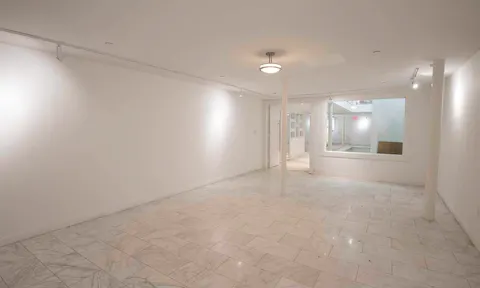


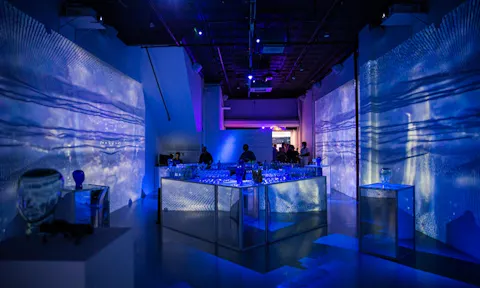
- Flexible retail spaces in Broadway (SoHo), New York |
- Flexible retail spaces in Crosby Street, New York |
- Flexible retail spaces in Greene Street, New York |
- Flexible retail spaces in Mercer, New York |
- Flexible retail spaces in Prince Street, New York |
- Flexible retail spaces in Sullivan Street, New York |
- Flexible retail spaces in Wooster Street, New York
Why rent a Retail store in SoHo, New York?
Choosing the right location for a retail business is crucial for success, and SoHo, New York, stands out as an exceptional choice. This vibrant and artistic neighborhood is renowned for its unique blend of culture, style, and commerce. For brands looking to captivate their target audience, renting a retail store in SoHo offers numerous advantages that can significantly impact their visibility and sales.
One of the primary benefits of renting a retail space in SoHo is the access to substantial foot traffic. This area attracts both locals and tourists seeking unique shopping experiences, creating a dynamic environment for businesses to thrive. The constant flow of potential customers provides an invaluable opportunity to build a brand presence in a highly sought-after location. When a retail store is situated in a prime area, it becomes part of a conversation among consumers, enhancing its reputation and desirability.
Moreover, being located in a vibrant commercial area like SoHo boosts visibility. High foot traffic translates to increased exposure and sales potential, making it easier for brands to attract new customers and retain existing ones. The visibility gained from a retail space in this neighborhood can lead to higher conversion rates, turning window shoppers into loyal clientele. This direct connection with customers also fosters relationships that are essential for long-term success.
Additionally, setting up shop in a bustling neighborhood allows businesses to network with nearby establishments. Collaborations and partnerships form naturally, opening doors to innovative marketing strategies and shared customer bases. Such connections can amplify a brand's reach and create a sense of community that resonates with consumers. In a place like SoHo, where creativity thrives, your retail store can benefit from the synergy that arises when like-minded businesses come together.
Renting a retail store also offers unparalleled flexibility and scalability, which is essential for growing brands. Businesses can test their concepts in a prime location without the long-term commitment of purchasing property. This adaptability allows brands to respond swiftly to market trends and customer preferences, ensuring they remain relevant and competitive. By having the option to rent spaces for days, weeks, months, or even longer, brands can strategically manage their resources while exploring what resonantly connects with their target audience.
In conclusion, renting a retail store in SoHo, New York, provides numerous benefits that can significantly enhance a brand's success. From accessing vital foot traffic and boosting visibility to networking opportunities and flexible rental agreements, the advantages of retail spaces in this iconic location are undeniable. For brands aiming to make a mark in the competitive retail landscape, establishing a presence in SoHo may very well be the strategic move they need to consider. By embracing this opportunity, businesses can enjoy the distinct advantages of renting a retail store and position themselves for lasting growth and success.
How much does it cost to rent a Retail store in SoHo, New York?
Understanding retail rental costs is crucial for businesses looking to establish a presence in vibrant commercial areas. SoHo, New York City, is renowned for its unique blend of luxury shops, art galleries, and trendy boutiques, making it a prime location for retailers. However, the costs associated with renting retail space in SoHo can be substantial, and understanding these expenses can help businesses plan effectively.
Typically, the retail store rental prices in SoHo can range significantly based on several factors. As of recent data, rents for retail spaces in SoHo can vary from $150 to over $400 per square foot annually. This variation often depends on the storefront's exact location, visibility, and the street's foot traffic. For example, spaces located on Broadway or Prince Street command higher prices due to the heavy pedestrian flow, typically exceeding $300 per square foot. Conversely, retail spaces situated in less trafficked side streets can be available at lower rates, closer to $150 to $200 per square foot.
Several critical factors influence the costs to lease a shop in SoHo. The prime factor is location; generally, spaces in city centers attract higher rents compared to those in suburban areas. The size of the store also plays a vital role; larger spaces can lead to higher overall costs, even if the price per square foot is lower. For new and established brands alike, foot traffic is essential, as higher footfall can lead to increased sales potential, justifying higher rental prices.
Market demand further affects rental costs. As retail shopping continues to evolve, areas known for trends and culture, like SoHo, see fluctuating demand. For instance, the recent resurgence of retail post-pandemic has fueled competition among brands for limited available spaces, driving rents higher. Current market reports suggest that prime retail locations are witnessing a 10-15% increase relative to previous years due to this demand.
When budgeting for a retail space, it is essential to consider additional expenses that augment the rental cost. Utilities, security deposits, sales taxes, and maintenance fees can all add up significantly. Depending on the lease terms, landlords may charge extra for utilities, which can range from a few hundred to thousands of dollars monthly, depending on the size of the space and its operational requirements.
For retailers contemplating a move into SoHo, setting a realistic budget is paramount. Researching diverse rental options within the area can provide insights into current market trends. Consulting with local real estate experts can also yield invaluable information specific to the region, helping prospective tenants gain a competitive edge.
Ultimately, understanding the factors affecting retail rental costs, such as location, store size, and market dynamics, will empower businesses to make informed decisions about leasing retail space in SoHo. By being proactive in their search, retailers can find opportunities that align with their financial capabilities and brand objectives.
Benefits of leasing a Retail store in SoHo, New York?
Benefits of Leasing a Retail Store in SoHo, New York
Leasing commercial spaces has emerged as a cost-effective and flexible solution for businesses and individuals searching for spaces such as retail stores, event venues, showrooms, or offices. In high-demand areas like SoHo, New York, where real estate prices can soar into the millions, leasing provides an opportunity to establish a presence in a prime location without the burdens of outright purchasing property. In fact, companies in metropolitan areas can often spend more than $1,000 per square foot to buy commercial real estate, making leasing an attractive alternative.
One of the primary benefits of leasing is access to prime locations that would otherwise be financially prohibitive. SoHo is renowned for its fashionable boutiques, art galleries, and unique event venues, making it a highly sought-after area for retail. A small storefront on a busy street can command rental rates that reflect its desirability but still be significantly less than ownership costs. This allows businesses to tap into a vibrant customer base and enhance their visibility without the heavy financial commitment of buying property.
Flexibility is another key advantage of leasing, particularly for growing businesses that may need to scale operations up or down based on market conditions. Leasing allows companies to adjust their footprint as their needs change, enabling smoother transitions whether they are expanding to new locations or downsizing. This adaptability is crucial in today's fast-paced market, where consumer preferences and trends can shift rapidly.
Moreover, many leases come with added benefits such as maintenance and infrastructure support provided by landlords. This can include routine property maintenance, utilities, and security services, alleviating some of the operational burdens from businesses and allowing them to focus on their core activities. This support can be particularly beneficial for retail stores, where maintaining an aesthetically pleasing and fully functional environment is vital for attracting customers.
When it comes to event spaces, leasing offers even more versatility. Many venues in SoHo can be rented by the hour or day, with prices typically ranging from $100 to $10,000 depending on the size and amenities of the space. This flexibility is ideal for businesses hosting pop-up shops, brand launches, or special events that may not require a long-term commitment. Being able to book a space temporarily allows brands to test new markets or promote seasonal campaigns without overextending their budgets.
As you assess the market for leasing commercial spaces, it is essential to stay informed about current trends in the area. Understanding the demand for particular types of retail stores or event spaces can provide valuable insights into pricing and availability. It is also crucial to calculate the total costs associated with leasing, which may include utilities, insurance, and maintenance fees, to ensure that the investment aligns with your specific business goals.
In conclusion, leasing a retail store in SoHo, New York, offers numerous benefits, including access to prime locations, flexibility for growing businesses, and maintenance support from landlords. By carefully evaluating market trends and understanding the total costs involved, businesses can position themselves for success in one of the city's most vibrant neighborhoods. The benefits of leasing spaces, whether for retail or events, stand out as a cost-effective strategy for capturing opportunities in a competitive market.
What are the most popular neighborhoods for renting a Retail store in SoHo, New York?
SoHo, New York, is a vibrant area known for its unique blend of art, culture, and commerce, making it one of the top neighborhoods for businesses looking to rent retail space. The local culture in SoHo is steeped in creativity, drawing tourists and locals alike with its artistic vibe and high-end shopping options. This neighborhood is particularly appealing to fashion brands, boutique retailers, and galleries due to its history as an artist community and its current status as a shopping destination.
The demographics in SoHo play a crucial role in its commercial appeal. The area attracts a diverse crowd, including affluent shoppers, art enthusiasts, and tourists who contribute to consistent foot traffic, especially on weekends. On average, foot traffic in SoHo can reach around 15,000 to 20,000 people per day, depending on the season and events happening in the area. This high volume of visitors is driven by the presence of popular landmarks, including renowned shopping streets like West Broadway and Spring Street, where flagship stores and unique boutiques coexist.
Neighborhoods can vary significantly in their purpose and audience. For instance, while SoHo is ideal for luxury retail and art galleries, nearby areas like the Lower East Side attract more eclectic and innovative brands. Understanding the character of these neighborhoods is essential when scouting for retail spaces. A showroom in SoHo aligns well with the area’s creative energy, while a location in a high-end district might cater more to luxury patrons.
Evaluating neighborhood profiles involves analyzing demographics, local events, and the presence of potential competitors. Consider the amenities nearby, such as universities, which can provide a steady stream of students and young professionals, or business centers that attract professionals during the weekdays. A strong community presence can also enhance your brand visibility and customer loyalty.
When renting a space, it is crucial to balance location costs with expected returns. An attractive, centrally-located storefront will typically come at a higher price, but the potential for sales in a high-foot-traffic area like SoHo may justify the expense. It is important to analyze what kind of returns are expected based on local market trends and the unique offerings of each neighborhood.
In addition to SoHo, neighborhoods like the Meatpacking District, known for its upscale fashion and dining options, and Chelsea, with its art galleries and diverse retail, also present opportunities for businesses in retail. Areas adjacent to major shopping streets, such as Broadway and Canal Street, are worth considering for their significant foot traffic and brand visibility.
Overall, selecting the right neighborhood for renting a retail store involves a comprehensive understanding of local culture, demographic insights, and strategic location analysis. By keeping these factors in mind, businesses can effectively position themselves for success in the ever-changing retail landscape.
Steps involved in planning a Retail store in SoHo, New York
Planning a retail store in SoHo, New York, involves a series of crucial steps that can significantly influence the success of your business. First, it is essential to identify the purpose of the space. Understanding whether you aim to create a flagship store, a pop-up for a limited time engagement, or a unique product showcase will guide your decisions moving forward. Equally important is to define your target audience. Consider demographics, shopping habits, and the preferences of the local community to ensure your concept resonates with potential customers.
Setting a realistic budget is another fundamental step. Knowing your financial limits will help you make informed choices regarding location, design, and staffing. Preparing your inventory ahead of time, accounting for seasonal fluctuations and popular items in SoHo, will help you attract foot traffic and keep customers coming back.
Marketing and promotion should be integral to your strategy. Develop a comprehensive marketing plan that includes social media campaigns, influencer partnerships, and local advertising to create buzz around your new store. Hiring adequate staff who embody your brand values ensures that customers receive exceptional service, which is vital in building customer loyalty.
Creating an immersive experience for customers is especially significant in a vibrant area like SoHo. This can involve unique store layouts, interactive product displays, and engaging customer service that turns shopping into a memorable event. Managing payment transactions securely is a key operational consideration. Ensuring that you have reliable point-of-sale systems in place will build trust with your customers.
Conduct thorough market research to evaluate demand and competition in various neighborhoods. SoHo is a competitive area, and understanding what other retailers offer can help you position your brand effectively. Accessibility should also be taken into account; choose a location with good public transport links and nearby amenities like parking and dining options. These elements not only attract more foot traffic but also enhance the overall customer experience.
When planning your retail space, keep in mind factors such as the foot traffic in the area, rental costs, local demographics, and the architectural style of the building. Before committing, consult with local real estate experts to gain insights into the best locations for commercial spaces that align with your business goals. Additionally, carefully review lease agreements to ensure that the terms support your plans for long-term growth. By aligning your location choices with your business objectives, you can set the foundation for a successful retail venture in SoHo.
Utilize these steps when planning a retail store in one of New York's most iconic neighborhoods, and take actionable steps to maximize your chances of success in the dynamic retail landscape.
How long should you rent a Retail store in SoHo, New York to achieve your goals?
Determining the optimal lease length when renting a retail store in SoHo, New York, hinges on various factors, including the type of business, its specific goals, and the intended use of the space. Retailers, event planners, showrooms, and offices each have unique requirements that affect how long they should commit to a lease.
For businesses such as pop-up shops or those hosting temporary events, short-term leases are typically the best fit. These leases, ranging from a few days to a year, allow brands to test market waters, engage with customers, and experiment with different locations without a long-term commitment. This flexibility can be especially beneficial in bustling areas like SoHo, where consumer trends shift rapidly and businesses need to keep pace.
Conversely, businesses aiming for stability and a sense of brand familiarity often find longer leases more advantageous. Typically spanning three to five years, these leases provide the permanence necessary to build customer loyalty, establish a recognizable presence, and optimize operational efficiency. They enable retailers to invest in their space and create an inviting atmosphere, drawing in foot traffic that builds over time.
In recent years, flexible lease options have gained popularity, allowing businesses to adapt to changing market dynamics without the burden of lengthy commitments. Such flexibility is particularly appealing in an unpredictable economic climate, where trends can fluctuate and consumer behaviors can shift dramatically.
When evaluating how long to rent a retail space in SoHo, it is essential to assess your business goals thoroughly. Understanding market trends is crucial for determining the right rental duration. Consider factors such as seasonal demand, special events, and local competition. Additionally, consulting lease agreements can provide insights into potential restrictions and opportunities that align rental duration with your objectives.
In conclusion, whether opting for a short-term lease to explore new concepts or a longer commitment for stability, it is crucial to plan rental timelines for success. By carefully considering the nature of your business, market conditions, and the specifics of lease agreements, you can make informed decisions that support your strategic goals.
How can xNomad help your brand successfully launch a Retail store in SoHo, New York?
Launching a retail store in SoHo, New York, presents a unique opportunity for brands to connect with a vibrant and diverse consumer base. With its dynamic atmosphere and rich cultural heritage, SoHo serves as an ideal backdrop for innovative retail experiences. To ensure a successful launch, partnering with a trusted pop-up retail partner like xNomad can make all the difference.
xNomad specializes in offering versatile and flexible retail solutions that bridge the gap between brands and landlords. The company understands the intricacies of navigating the competitive retail landscape in SoHo and is committed to providing end-to-end retail solutions that simplify the process for brands. Their full-service approach means that clients can rely on xNomad for location scouting, concept design, and marketing strategies tailored to their specific needs. Whether brands require a space for days, weeks, months, or longer, xNomad is equipped to deliver move-in-ready environments that foster creativity and engagement.
One distinct advantage of working with xNomad is its global presence, which allows brands to scale locally or internationally with ease. This flexibility is crucial for brands entering new markets, particularly in a high-profile location like SoHo. xNomad’s comprehensive partnership network is essential for revitalizing urban areas, transforming them into memorable spaces that invite customer interaction.
Trust and innovation are at the core of xNomad's mission. By combining excellent communication and community-building strategies, they ensure a seamless experience from planning to execution. This commitment has led to successful collaborations with trusted global brands, establishing xNomad as a go-to partner in the retail sector.
The experience of xNomad allows businesses to not only launch but thrive in competitive markets. Their proven track record shows that, with the right support, brands can make a lasting impression in bustling locations like SoHo. The ability to customize design and furnish spaces to meet specific brand identities is another key component of the xNomad approach.
In summary, xNomad empowers brands to connect with the perfect retail spaces in SoHo, ensuring exceptional results through trust, innovation, and simplicity. For brands looking to introduce their offerings in a vibrant urban context, xNomad stands out as the ideal partner to achieve a successful and impactful retail launch.
FAQ
Q: What factors should businesses consider when choosing a retail location in SoHo, New York?
A: Businesses should consider foot traffic, local demographics, and proximity to complementary stores when choosing a retail location in SoHo. High foot traffic areas like Broadway can enhance visibility, while understanding local demographics ensures alignment with target customers. Proximity to complementary stores can foster collaborations and shared customer bases, enhancing brand reach.
Q: How does the seasonality affect retail success in SoHo, New York?
A: Seasonality can significantly impact retail success in SoHo, with peak shopping periods like the holiday season driving increased foot traffic and sales. Retailers should plan promotions and inventory around these times to capitalize on consumer demand. For example, the holiday season can see foot traffic increase by up to 30%, providing opportunities for higher sales.
Q: What are the potential challenges of renting retail space in SoHo, New York?
A: Potential challenges include high rental costs, competition for prime locations, and fluctuating market demand. Retailers must navigate these challenges by setting realistic budgets and leveraging unique selling propositions to stand out. For instance, securing a space on a high-traffic street like Prince Street may involve competitive bidding and higher costs.
Q: How can businesses effectively budget for additional costs when renting retail space in SoHo?
A: Businesses should account for utilities, security deposits, and maintenance fees when budgeting for retail space in SoHo. These costs can add significantly to the base rent, with utilities alone ranging from a few hundred to thousands of dollars monthly. Consulting with real estate experts can provide insights into typical expenses and help refine budget estimates.
Q: How does xNomad assist brands in finding retail spaces in SoHo, New York?
A: xNomad helps brands find and book pop-up retail spaces in SoHo by offering flexible, move-in-ready solutions tailored to specific brand needs. Their platform simplifies location scouting and provides end-to-end support, enabling brands to focus on engaging with their target audience. xNomad's expertise in the local market ensures optimal space selection for impactful launches.
Q: What are the benefits of short-term retail leases in SoHo, New York?
A: Short-term retail leases offer flexibility, allowing businesses to test market conditions and adapt quickly to trends. This is ideal for pop-up shops and seasonal campaigns, providing opportunities to engage with customers without long-term commitments. For example, a brand can lease a space for a few months to capitalize on holiday shopping spikes.
Q: How do market trends influence retail rental prices in SoHo, New York?
A: Market trends, such as increased demand for retail spaces post-pandemic, can drive rental prices up by 10-15%. Retailers should stay informed about these trends to anticipate cost fluctuations and adjust their strategies accordingly. Understanding the competitive landscape can also aid in negotiating favorable lease terms.
Q: What legal considerations should be addressed when leasing retail space in SoHo, New York?
A: Legal considerations include reviewing lease agreements for clauses on rent increases, maintenance responsibilities, and termination conditions. Ensuring compliance with local zoning laws and obtaining necessary permits are also crucial. Consulting with legal experts can help businesses navigate these complexities and avoid potential disputes.
Q: How can businesses maximize customer engagement in a SoHo retail store?
A: Businesses can maximize customer engagement by creating immersive shopping experiences, utilizing interactive displays, and offering personalized services. Engaging store layouts and events can attract foot traffic and foster brand loyalty. For instance, hosting in-store workshops or exclusive product launches can enhance customer interaction and drive sales.
Q: What are the advantages of collaborating with nearby businesses in SoHo, New York?
A: Collaborating with nearby businesses can expand a brand's reach and create shared customer bases. Joint marketing efforts and cross-promotions can enhance visibility and attract diverse audiences. For example, a fashion retailer partnering with a local café for a joint event can draw more foot traffic and increase sales for both parties.
Q: How does location impact the success of a retail store in SoHo, New York?
A: Location impacts success by influencing foot traffic, brand visibility, and customer accessibility. Prime locations on busy streets like Broadway offer higher exposure but come with higher costs. Retailers must balance location benefits with budget constraints to optimize their store's performance and customer reach.
Q: How can businesses ensure a successful retail launch in SoHo, New York?
A: To ensure a successful retail launch in SoHo, businesses should conduct thorough market research, develop targeted marketing strategies, and create engaging store experiences. Partnering with platforms like xNomad can streamline the process by providing access to prime locations and expert support. A well-executed launch can establish a strong brand presence in this competitive market.
Q: What is a pop-up retail shop and how does it work in new-york-soho?
A: A pop-up retail shop is a temporary storefront that allows brands to sell products and engage with customers for a short time, often in high-traffic areas. These shops typically operate for weeks or months, utilizing existing spaces creatively. For example, xNomad offers flexible options tailored for brands wanting to explore localized markets like Soho.
Q: How do I find pop-up retail space in new-york-soho near me?
A: You can find pop-up retail space in new-york-soho by searching online platforms that specialize in short-term leases, like xNomad. Networking with local real estate agents and visiting co-working spaces can also be effective. Websites often list available venues tailored to retail, helping you connect with suitable options.
Q: What types of spaces are available for pop-up shops in new-york-soho?
A: In new-york-soho, diverse spaces for pop-up shops include vacant storefronts, shared retail spaces, galleries, and even large event venues. Each type offers unique opportunities based on your brand’s needs and target audience. For instance, shared spaces can be budget-friendly, while storefronts attract high foot traffic.
Q: How far in advance should I book a pop-up space in new-york-soho?
A: It’s advisable to book a pop-up space in new-york-soho at least 1-3 months in advance to secure the best locations. Planning early allows you to optimize marketing strategies and coordinate logistics effectively. High-demand periods, like holidays, may require even earlier bookings to ensure availability.
Q: Can I rent a pop-up space for just one day or one weekend in new-york-soho?
A: Yes, you can rent a pop-up space for just one day or one weekend in new-york-soho, with many venues offering flexible terms. Short-term rentals are particularly popular for promotional events or seasonal sales. xNomad, for example, has options designed specifically for short-duration retail experiences.
Q: Do I need a permit to run a retail pop-up shop in New York?
A: Yes, you typically need a permit to run a retail pop-up shop in New York. This ensures compliance with city regulations regarding sales and operations. Specific requirements can vary depending on your business type and location.
Q: How do I obtain a pop-up shop permit for my retail business in New York?
A: To obtain a pop-up shop permit in New York, you should apply through the Department of Consumer and Worker Protection. This may involve filling out forms, providing business information, and possibly paying a fee. Different types of permits exist based on the nature of your business.
Q: How long does it take to get a retail pop-up shop permit in New York?
A: The processing time for a retail pop-up shop permit in New York can take anywhere from a few days to several weeks. This duration often depends on the specific permit you're applying for and how complete your application is when submitted. It's wise to apply early.
Q: Can I operate a retail pop-up shop in New York without a permit?
A: No, you cannot operate a retail pop-up shop in New York without a permit. Doing so may result in fines or other legal issues. It's essential to navigate the permitting process before launching your shop to avoid complications.
Q: Do I need insurance for a retail pop-up shop in New York?
A: Yes, obtaining insurance for a retail pop-up shop in New York is highly recommended. This can protect you from liabilities, accidents, or other issues that could arise during your operation. Coverage options vary, so consult an insurance provider for specifics.
Q: Are there any specific permit requirements I should know about before booking a retail space in New York?
A: Yes, there are specific permit requirements to consider before booking a retail space in New York. Depending on your business activities, you may need additional licenses or health permits. Researching these requirements will help ensure smooth operations for your pop-up shop.
Q: Does the venue handle permits, or is that my responsibility for my retail pop-up shop in New York?
A: It is typically your responsibility to handle permits for a retail pop-up shop in New York. While some venues may assist with the process, it’s essential to confirm this in advance. Ensuring all paperwork is in order is critical for a successful operation.
Q: What are some creative display ideas for a pop-up retail shop in New York?
A: Use unique shelving ideas like crates or ladders for a rustic look, and incorporate vertical greenery for visual interest. Interactive elements, such as DIY product sampling stations, can enhance customer engagement. According to xNomad, themed displays tailored to local trends can attract foot traffic.
Q: How can I design an eye-catching pop-up retail stand in New York on a budget?
A: Utilize repurposed materials like wooden pallets for a cost-effective structure, and focus on bold signage for maximum impact. Creative lighting can also draw attention without breaking the bank. Many successful pop-ups report using affordable LED string lights to create an inviting atmosphere.
Q: How do I make my pop-up retail shop in New York social media friendly?
A: Incorporate Instagram-worthy backdrops, such as colorful murals or interactive installations, to encourage photo sharing. Use consistent branding and hashtags to make your posts recognizable and engage with visitors online. Recent studies show that shops with photo zones see a 40% increase in social media mentions.
Q: What are some pop-up retail shop table display ideas in New York?
A: Layer products on tables to create height and visual interest, and use clear acrylic risers for a modern touch. Incorporating fabric tablecloths that match your brand colors can enhance the overall aesthetic. Many pop-up retailers find that using vintage furniture adds character to the presentation.
Q: What are the most trending pop-up retail shop display ideas right now in New York?
A: Multi-sensory experiences, incorporating sound and scent, are currently popular alongside immersive installations that invite customer interaction. Sustainability is also a trend, with eco-friendly materials gaining traction. Reports indicate that pop-ups focusing on experiential marketing increase sales by up to 60%.
Q: What furniture or fixtures do I need to set up a pop-up retail shop in New York?
A: Essential items include display tables, shelving units, and seating areas for customer comfort. Consider portable fixtures that are easy to set up and transport. Many successful pop-up shops also utilize modular display systems for flexibility in layout.
Q: What are the first steps to starting a pop-up retail shop in New York?
A: The first steps involve defining your concept and target audience, securing financing, and finding a suitable location. Engaging with local vendors and understanding regulations are crucial for success. Starting with clear goals can set the foundation for your pop-up's operations.
Q: Do I need a business plan for a pop-up retail shop in New York?
A: Yes, a business plan is essential for a pop-up retail shop as it outlines your objectives, target market, and operational strategy. It can help you secure funding and guide decision-making throughout the project. A solid business plan increases the chance of success.
Q: What should I look for when choosing a pop-up retail shop location in New York?
A: Key factors include foot traffic, visibility, and proximity to your target demographic. Consider the local competition and accessibility for customers. Ideally, the location should align with your brand and concept while also providing logistical support.
Q: What are the key benefits of running a pop-up retail shop in New York?
A: Running a pop-up retail shop allows for testing new markets and products with lower overhead costs. It creates a sense of urgency and exclusivity, attracting customers eager for unique experiences. Pop-ups increase brand visibility, especially in a vibrant market like New York.
Q: What is the market analysis for a retail project in New York?
A: The market analysis for a retail project in New York indicates a strong consumer demand, driven by high foot traffic in key areas like Soho. Retail space is competitive, with average rental rates around $300 per square foot annually, reflecting the desirability of the location. Recent trends show an increase in boutique and luxury retail openings, catering to the affluent demographics.
Q: What are the key competitors for a retail project in New York?
A: Key competitors for a retail project in New York include major brands like Apple and Nike, which dominate high-traffic locations. Additionally, smaller boutique shops have carved out niches in areas like Soho and the West Village, creating a diverse retail landscape. The competition emphasizes the importance of unique branding and customer experience in this vibrant city.
Q: How does consumer behavior influence a retail project in New York?
A: Consumer behavior significantly influences a retail project in New York, as shoppers increasingly favor experiential retail over traditional shopping. Trends indicate a preference for unique, branded experiences that reflect personal identity and lifestyle. According to recent studies, over 70% of consumers in New York are willing to pay more for products that offer unique experiences, highlighting the need for innovative retail concepts.
Q: What should I consider when planning a retail project for my brand in New York?
A: You should consider the target audience, location, timing, and budget when planning a retail project. Understanding your customer demographics helps tailor your offerings and marketing strategies. A prime location, like Soho in New York, can dramatically increase foot traffic and brand visibility, while timing should align with local events for maximum impact.
Q: How do I choose the right pop-up format for my retail project in New York?
A: To choose the right format for your retail project, assess your goals, audience, and budget. Market stalls are cost-effective for lower overhead, while storefronts offer visibility. A concession within a busy venue can benefit from existing foot traffic. Analyze your brand’s needs and customer preferences to make the best choice.
Q: What are the most common mistakes first-time pop-up operators make in New York for a retail project?
A: Common mistakes include underestimating costs, poor location choice, and inadequate marketing. Many first-timers fail to research foot traffic or plan for logistics, leading to poor sales. Additionally, not engaging the audience or utilizing social media effectively can hinder success. Proper planning and understanding the market are crucial.
Q: What are the best locations and setups for a retail project in New York?
A: Ideal locations for outdoor pop-up shops in New York include busy areas like Union Square, Bryant Park, or near popular markets like Smorgasburg. Effective setups often involve eye-catching displays, canopies for shade, and engaging aesthetics that reflect your brand. For instance, a successful pop-up at Smorgasburg can attract hundreds of visitors every weekend.
Q: How do I run a retail project outside or on a trail/market route in New York?
A: Running a pop-up shop along market routes in New York requires securing permits and selecting high foot-traffic areas. Prioritize setup times and create an inviting atmosphere with signage and product displays. For example, positioning your shop on the High Line during weekends can draw significant crowds interested in unique retail experiences.
Q: What should I consider when doing a retail project at an outdoor event in New York?
A: When planning a retail pop-up at an outdoor event in New York, consider factors such as weather, foot traffic, and logistics for setup and teardown. Additionally, ensure compliance with local regulations and have a clear marketing strategy. Events like NYC's Summer Streets can provide access to thousands of potential customers if well-executed.
Q: What equipment do I need for a pop-up coffee shop project in New York?
A: You'll need essential equipment like a commercial espresso machine, coffee grinder, brewing equipment, and high-quality coffee beans. Additionally, consider portable tables, chairs, and a point-of-sale system to streamline transactions. Proper setup will enhance customer experience and operational efficiency.
Q: What are the best locations for a pop-up coffee shop project in New York?
A: Ideal locations include busy areas with foot traffic like parks, shopping districts, or popular events such as festivals. These places attract a diverse crowd, increasing visibility. Collaborating with local businesses can also provide mutually beneficial opportunities.
Q: How do I promote a pop-up coffee event on social media for a project in New York?
A: Use platforms like Instagram and Facebook to create engaging content that showcases your coffee offerings and event details. Utilize local hashtags and geo-tags to reach nearby audiences. Collaborate with local influencers to further amplify your message and draw a crowd.
Q: How do I start a successful pop-up coffee shop project in New York?
A: Begin by conducting market research to identify your target customer and unique selling proposition. Secure necessary permits and choose an engaging location. Utilize pop-up platforms like xNomad to streamline logistics and reach potential customers effectively.
Découvrez nos espaces Scopri i nostri spazi Ontdek onze ruimtes 探索我们的空间