- 1Projects

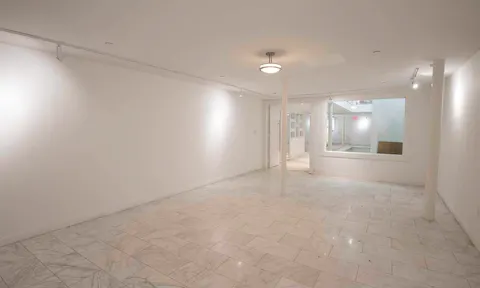


- Flexible retail spaces in Alphabet City, New York |
- Flexible retail spaces in Bridgehampton, NY |
- Flexible retail spaces in Chelsea, New York |
- Flexible retail spaces in Chinatown, New York |
- Flexible retail spaces in East Hampton, NY |
- Flexible retail spaces in East Harlem, New York |
- Flexible retail spaces in East Village, New York |
- Flexible retail spaces in Financial District, New York |
- Flexible retail spaces in Flatiron District, New York |
- Flexible retail spaces in Garment District, New York |
- Flexible retail spaces in Gramercy, New York |
- Flexible retail spaces in Harlem, New York |
- Flexible retail spaces in Hudson Yards, New York |
- Flexible retail spaces in Kips Bay, New York |
- Flexible retail spaces in Lenox Hill, New York |
- Flexible retail spaces in Little Italy, New York |
- Flexible retail spaces in Lower East Side, New York |
- Flexible retail spaces in Midtown East, New York |
- Flexible retail spaces in Midtown Manhattan, New York |
- Flexible retail spaces in Midtown West & Hell's Kitchen, New York |
- Flexible retail spaces in Murray Hill, New York |
- Flexible retail spaces in NoHo, New York |
- Flexible retail spaces in NoMad, New York |
- Flexible retail spaces in Nolita, New York |
- Flexible retail spaces in Rose Hill, New York |
- Flexible retail spaces in SoHo, New York |
- Flexible retail spaces in Southampton, NY |
- Flexible retail spaces in Tribeca, New York |
- Flexible retail spaces in Union Square, New York |
- Flexible retail spaces in Upper East Side, New York |
- Flexible retail spaces in Upper West Side, New York |
- Flexible retail spaces in West Village, New York
Why rent a Showroom Space in New York, United States?
Choosing the right location is crucial for retail success, and New York is one of the most dynamic cities in the world for businesses looking to make their mark. Renting a showroom space in New York presents a multitude of advantages that can dramatically influence a brand's growth and customer engagement. The bustling streets of New York are filled with potential customers, making it an ideal place to showcase products and establish a prominent brand presence.
One of the key benefits of renting a retail space is the access to foot traffic. In a city as vibrant and densely populated as New York, being in the right neighborhood can ensure that your products are seen by thousands of people daily. This visibility not only drives immediate sales but also helps in building brand recognition. A well-placed showroom can serve as a launchpad for your brand, allowing you to tap into a diverse customer base and create memorable interactions with potential buyers.
Additionally, renting a showroom space allows businesses to connect directly with customers, creating a tactile experience that online shopping cannot replicate. Shoppers can see, touch, and try products, fostering a deeper connection to the brand. This personal interaction can lead to increased customer loyalty and word-of-mouth marketing, which are invaluable in a competitive marketplace.
Moreover, being in a vibrant commercial area offers strategic advantages that can significantly enhance sales potential. High visibility translates to better opportunities for sales, as well as networking possibilities with nearby businesses. Collaboration with other local brands can lead to joint promotions, events, and cross-marketing opportunities that can amplify your reach and influence in the market.
Renting a retail store in New York also provides flexibility and scalability that is often not available with long-term leases. Businesses can opt for short-term rentals, enabling them to test market responses, experiment with different concepts, or even launch pop-up shops without the commitment required for permanent retail spaces. This flexibility allows brands to adapt quickly to changing market dynamics and customer preferences, ultimately leading to better-informed business decisions.
In summary, renting a showroom space in New York is a strategic move for any brand looking to enhance its visibility, engage directly with customers, and explore new market opportunities. The rental model specifically offers a level of adaptability that can be essential for businesses aiming to test new ideas and grow their presence in this iconic city. With its myriad benefits, renting a retail space in New York is not just an option but a smart investment for future success.
How much does it cost to rent a Showroom Space in New York, United States?
When planning a business, understanding retail rental costs is crucial for establishing a sustainable budget and ensuring your brand's success. In New York City, where the retail landscape is both vibrant and competitive, costs can vary significantly based on various factors such as location, store size, foot traffic, and market demand.
In Manhattan, particularly in high-traffic areas like Times Square or Fifth Avenue, rental prices can soar to astronomical levels. Current reports indicate that retail spaces in these prime locations can command monthly rates ranging from $500 to over $1,000 per square foot annually. For example, retailers in Times Square may pay around $3 million a year for a modest storefront, reflecting the intense demand and premium foot traffic.
In contrast, more suburban areas or neighborhoods like Astoria or the Bronx present a different picture. Here, retail rental costs can average between $30 to $70 per square foot annually. While the potential foot traffic may be lower compared to city centers, these neighborhoods often accommodate small businesses looking for affordable, long-term leasing options.
The size of the retail space is another critical factor influencing rental prices. A larger showroom will naturally incur higher costs. For instance, a 1,000-square-foot showroom in a bustling area could range from $10,000 to $50,000 per month, depending on its exact location. Conversely, smaller spaces in less-trafficked areas might be available for $1,000 to $5,000 per month.
Market demand plays a pivotal role as well. During peak seasons, such as the holidays, rent prices in popular shopping districts may increase due to heightened competition and consumer activity. Additionally, the condition of the property—such as whether it requires significant renovations—can also affect the overall cost.
Beyond base rental prices, additional costs should not be overlooked. Utilities like electricity, water, and heating can add another $1 to $3 per square foot per month. Landlords may also require a security deposit, typically the equivalent of one month's rent, along with potential maintenance fees. Additionally, taxes like the commercial rent tax in New York City, which applies to stores with rents exceeding $500,000 annually, must be factored in.
When navigating the landscape of retail store rental prices, it is essential to set a realistic budget and compare various options. Consulting with local real estate experts can provide insights into market trends and help identify less obvious opportunities in both high-traffic and emerging locations. Researching and understanding the specific factors affecting retail rental costs will empower you to make informed decisions, maximizing your investment and setting your business up for success in New York's dynamic marketplace.
Benefits of leasing a Showroom Space in New York, United States?
Benefits of Leasing a Showroom Space in New York
Leasing a showroom space in New York can be an incredibly cost-effective and flexible solution for businesses and individuals looking to make a mark in one of the most competitive marketplaces in the world. In a city where prime locations can fetch millions of dollars if purchased outright, leasing allows access to these coveted areas without the hefty financial burden. According to recent statistics, commercial real estate lease rates in high-demand neighborhoods can range from $40 to $200 per square foot per year, providing a pragmatic option for brands eager to establish their presence.
One of the primary benefits of leasing is the opportunity to gain access to premium locations that may have been financially out of reach if purchased. New York's bustling streets are ideal for retail stores and showrooms seeking high foot traffic. Leasing can position a brand directly in the heart of the action, enhancing visibility and customer engagement. Moreover, by opting for a lease, businesses can avoid the considerable upfront costs associated with buying property, allowing them to allocate resources towards marketing, inventory, and other essential expenditures.
Another significant advantage of leasing is the scalability it offers for growing businesses. Companies can choose spaces based on their current needs, whether that's a small showroom to test a new product line or a larger space to accommodate rapid growth. Lease terms can be adjusted, allowing businesses to expand or contract as needed, without the long-term commitment of ownership.
Furthermore, many lease agreements come with the added benefit of maintenance support, infrastructure, and sometimes even utilities included. Landlords are often responsible for maintaining the building and common areas, allowing businesses to focus on their core operations rather than worrying about property upkeep. This is especially beneficial in a fast-paced environment like New York, where operational efficiency can directly affect success.
For those considering event spaces, leasing provides unparalleled flexibility. Hourly or daily rentals are available in varying price ranges from $100 to $10,000, depending on the size and amenities of the space. This adaptability allows businesses to host pop-up events, showcase products, or conduct meetings without the long-term commitment or investment in permanent space. Companies can experiment with different locations and formats, enhancing their marketing strategies and engagement with customers.
When considering a lease, it's essential to assess market trends and the total costs involved. Analyze the neighborhood’s commercial activity, foot traffic patterns, and competition to ensure that the investment aligns with your brand's goals. Evaluating the terms of the lease, understanding potential hidden costs, and planning for the future can help in making an informed decision that propels your business forward.
In summary, leasing a showroom space in New York offers a multitude of benefits that can stimulate brand growth while minimizing financial risk. From gaining access to high-demand areas to enjoying flexible lease terms that accommodate changes in business needs, leasing stands out as a smart choice for those seeking cost-effective commercial space rentals. By carefully evaluating market conditions and understanding the total costs, brands can position themselves to thrive in one of the most dynamic business environments in the world.
What are the most popular neighborhoods for renting a Showroom Space in New York, United States?
When considering renting a showroom space in New York, it is essential to recognize how different neighborhoods contribute to the success of various types of businesses and events. Each area has its unique character, influenced by local culture, demographics, and market trends. Understanding these dynamics can help brands choose the right location for their showroom, ensuring they attract the desired clientele and drive sales.
In New York, creative hubs like SoHo and the Lower East Side are ideal for showrooms that emphasize innovation and artistic flair. These neighborhoods are known for their vibrant atmosphere and a community that appreciates unique offerings. Industry trends indicate that retail spaces in these areas generally benefit from foot traffic that can reach up to 300,000 visitors per week, making it easier for brands to engage potential customers directly.
Conversely, high-end districts such as Madison Avenue and the West Side of Manhattan cater to luxury retail. Showrooms in these locations often see a targeted audience that is willing to invest in premium products. The presence of luxury shopping landmarks draws affluent consumers, leading to foot traffic estimates of 150,000 per week. Establishing a showroom in these districts can significantly enhance brand prestige and visibility.
Warehouse districts, like those found in Brooklyn, are emerging as trendy venues for events and temporary showrooms. They appeal to a younger, more experimental audience who seeks unique experiences. With the right marketing approach, these spaces can draw substantial crowds, benefiting from an estimated local foot traffic of 220,000 individuals per week, particularly during events and weekends.
The significance of nearby landmarks cannot be overstated. Proximity to popular shopping streets, universities, or business centers can drive consistent traffic to showroom spaces. Areas near public transportation hubs also become more advantageous, as they increase accessibility for both visitors and employees.
When evaluating neighborhood profiles, brands should conduct thorough research that includes analyzing demographic data, foot traffic patterns, and competitive landscape. Balancing location costs with expected returns is crucial for maximizing investment. A showroom in a prime area may come with higher rental costs, but the potential for increased sales might justify the expense.
Key neighborhoods for renting showroom space in New York include SoHo, the Flatiron District, Chelsea, and the Meatpacking District. Renowned streets such as Broadway, Fifth Avenue, and West 14th Street are particularly advantageous and are well-frequented by both locals and tourists. Understanding the nuances of these locations will empower brands to make informed decisions that can lead to successful showroom experiences.
In conclusion, selecting the right neighborhood for a showroom space in New York is a strategic endeavor that relies on understanding local culture and market dynamics. By focusing on the location advantages for commercial leases, brands can position themselves to thrive in one of the most competitive retail landscapes in the world.
Steps involved in planning a Showroom Space in New York, United States
Planning a showroom space in New York requires a strategic approach to ensure success in a highly competitive market. The initial step is to identify the purpose of your showroom. Whether it's to showcase products, conduct demonstrations, or create an immersive brand experience, having a clear vision will guide your decisions throughout the planning process.
Understanding your target audience is equally crucial. Conducting thorough market research will help evaluate demand and competition in various neighborhoods. This analysis involves assessing the preferences and shopping behaviors of your potential customers. Identifying the demographics in different areas can lead to informed location choices that align with your business goals.
Setting a realistic budget is essential for your showroom's success. Consider costs related to renting the space, renovations, inventory, marketing, and staffing. Preparing an inventory ahead of time will ensure that you have enough products on display and available for purchase. It's vital to keep track of the items you want to showcase and understand the logistical implications of storage and display.
Marketing and promotion are also critical components that can drive foot traffic to your showroom. Develop a comprehensive marketing strategy that includes social media campaigns, local advertising, and collaborations with influencers to create buzz around your brand. Consider hiring staff who are knowledgeable and experienced in customer service to enhance the shopping experience.
Creating an immersive experience for customers will set your showroom apart from others. Design the space thoughtfully, incorporating elements that reflect your brand identity while also considering comfort and accessibility for all visitors. Ensuring that the showroom is easy to navigate and visually appealing can significantly impact customer engagement.
Managing payment transactions securely is fundamental. Ensure that you have reliable payment systems in place that cater to various payment methods, providing a seamless checkout experience for customers. Analyzing the data from sales and customer interactions will help you make informed decisions about future marketing efforts and inventory management.
When choosing a location, accessibility, public transport options, and nearby amenities are significant factors to consider. A showroom situated near busy foot traffic, easily accessible transport links, and local amenities can enhance its visibility and attractiveness.
Consulting local real estate experts can provide invaluable insights into the best locations for commercial spaces. They can guide you through the complexities of the rental market in New York, ensuring you make an informed choice. It is equally important to review lease agreements carefully, considering terms and conditions that align with your business goals.
Aligning your location choice with overall business objectives is essential for long-term success. By focusing on these key steps, you can effectively plan your showroom space and position your brand for growth in the vibrant New York market.
How long should you rent a Showroom Space in New York, United States to achieve your goals?
When considering how long to rent a showroom space in New York, the optimal lease length largely depends on the type of business, its goals, and the intended use of the space. Retail spaces, event venues, and showrooms each have different demand patterns and strategic considerations.
For businesses aiming to create a unique and engaging customer experience, short-term leases are a popular choice. These flexible agreements, which can range from a few days to a year, are ideal for pop-up shops or temporary events looking to capitalize on trends or seasonal demand. This approach allows businesses to test the market, build brand awareness, and establish customer relationships without a long-term commitment.
Conversely, longer leases—typically spanning three to five years—are more suited for businesses seeking stability and customer familiarity. Companies that plan to establish a permanent presence or build a loyal customer base often benefit from a longer duration, as this allows for consistent branding and marketing efforts.
The shift towards flexible lease options is notable in today’s commercial landscape. As businesses navigate changing market conditions and consumer preferences, the ability to adapt without being tied to a lengthy commitment is increasingly valuable.
When determining the ideal rental duration for commercial spaces, it is crucial for business owners to evaluate their goals, understand current market trends, and carefully consult lease agreements. Aligning rental duration with business objectives—whether short or long term—can significantly impact success. By strategically planning rental timelines, businesses can position themselves to thrive in the dynamic New York market. Understanding the nuances of lease lengths will ultimately lead to more informed decisions and successful showroom operations.
How can xNomad help your brand successfully launch a Showroom Space in New York, United States?
Launching a showroom space in New York can be a game-changer for your brand, and xNomad offers the ideal solutions to ensure your venture is a resounding success. With a focus on trust, innovation, and simplicity, xNomad provides a full-service agency model designed to connect brands with perfect retail environments. This approach not only streamlines the process of finding and setting up a showroom but also enhances brand visibility and engagement.
One of the standout features of xNomad is its ability to deliver versatile and flexible services. Whether your brand needs a temporary pop-up for just a few days, a showroom for weeks, or a long-term space, xNomad can cater to your unique requirements. This flexibility allows brands to test new markets, experiment with concepts, and engage with customers in dynamic ways. xNomad's expertise in location scouting ensures that your showroom will be positioned in high-traffic, strategically advantageous areas that align with your target audience.
The design and concept development services provided by xNomad are crucial for creating a memorable customer experience. Their team of experts collaborates closely with brands to design and furnish move-in-ready spaces that reflect the brand's identity and ethos. This level of customization helps to create an inviting atmosphere that resonates with visitors and enhances brand recognition.
Moreover, xNomad's commitment to community-building through innovative pop-up experiences makes it a trusted pop-up retail partner in revitalizing urban areas. By leveraging their extensive partnership network, xNomad engages local communities, fostering connections that encourage brand loyalty. This community focus not only benefits the brand but also contributes to the vibrancy of the neighborhoods in which they operate.
xNomad's proven track record with trusted global brands underscores their ability to deliver exceptional results. Their collaborative approach to communication and project management ensures that every aspect of your showroom launch is handled efficiently, allowing your team to focus on what matters most—connecting with customers and growing your brand.
In summary, launching your showroom space in New York with xNomad allows you to tap into a wealth of resources designed to facilitate a smooth entry into the market. Their end-to-end retail solutions, from design and furnishing to staffing and marketing, make them an invaluable partner. Choosing xNomad means benefitting from a company dedicated to innovation and customer satisfaction, ensuring that your showroom not only meets but exceeds expectations. Experience the difference of working with a strategic partner committed to the success of your brand in a bustling urban environment.
FAQ
Q: What factors should I consider when choosing a neighborhood for my showroom space in New York?
A: Consider foot traffic, target demographics, and proximity to complementary businesses. High-traffic areas like SoHo or Madison Avenue attract different clientele than emerging neighborhoods like Brooklyn's warehouse districts. Analyze local culture and market trends to align your showroom with the right audience. For example, luxury brands may thrive on Madison Avenue, while creative startups might prefer the artistic vibe of SoHo.
Q: How does the timing of renting a showroom space in New York affect costs?
A: Timing can significantly impact rental costs due to seasonal demand fluctuations. During peak shopping seasons like the holidays, rents in popular districts may rise due to increased competition. Planning your rental during off-peak times can result in more favorable terms. For instance, securing a lease in early spring might be more cost-effective than during the holiday rush.
Q: What are the potential risks of renting a showroom space in New York?
A: Risks include high rental costs, fluctuating market demand, and potential legal obligations. New York's competitive market can lead to increased expenses, while changing consumer preferences may affect sales. Additionally, understanding lease terms and local regulations is crucial to avoid legal pitfalls. For example, overlooking the commercial rent tax could result in unexpected financial burdens.
Q: How can I effectively market my showroom space in New York to attract customers?
A: Utilize a mix of online and offline strategies, including social media campaigns, local advertising, and influencer partnerships. Engaging visuals and interactive experiences can draw foot traffic. Hosting events or collaborations with local businesses can also increase visibility. For instance, partnering with a nearby café for a joint promotion can attract a broader audience.
Q: How does renting a showroom space in New York compare to other major cities?
A: New York offers unparalleled foot traffic and brand visibility, but at a higher cost than many cities. While cities like Los Angeles or Chicago provide vibrant markets, New York's density and diverse consumer base offer unique opportunities for brand engagement. For example, a showroom in SoHo may see more daily visitors than a similar space in downtown Chicago.
Q: What are the hidden costs associated with renting a showroom space in New York?
A: Beyond base rent, consider utilities, maintenance fees, and potential renovation costs. New York's commercial rent tax applies to spaces with annual rents over $500,000. Utilities can add $1 to $3 per square foot monthly. For example, a 1,000-square-foot showroom might incur an additional $3,000 monthly in utilities and maintenance.
Q: How can xNomad assist in finding the right showroom space in New York?
A: xNomad helps brands find and book pop-up retail spaces, offering flexibility and strategic location selection. Their platform connects businesses with high-traffic areas tailored to target demographics. For instance, a fashion brand can leverage xNomad to secure a prime SoHo location, enhancing visibility and customer engagement.
Q: How do I determine the optimal lease length for my showroom space in New York?
A: Assess your business goals and market strategy. Short-term leases (days to a year) suit pop-ups and market testing, while longer leases (3-5 years) offer stability for established brands. For example, a startup might opt for a 6-month lease to test product reception, while a well-known brand may commit to a multi-year lease for consistent presence.
Q: What are the benefits of short-term showroom rentals in New York?
A: Short-term rentals offer flexibility, allowing brands to test markets and adapt to trends without long-term commitment. They enable pop-up events and seasonal promotions, reducing financial risk. For instance, a brand can launch a holiday pop-up to capitalize on increased foot traffic without a permanent lease.
Q: How can I ensure my showroom space in New York is accessible to customers?
A: Choose locations near public transport and amenities, ensuring easy access for visitors. Consider ADA compliance for inclusivity. High visibility and convenient access can enhance customer experience. For example, a showroom near a subway station in Manhattan can attract both locals and tourists, increasing foot traffic.
Q: What role does customer experience play in the success of a showroom space in New York?
A: A positive customer experience fosters brand loyalty and word-of-mouth marketing. Engaging displays, knowledgeable staff, and interactive elements create memorable visits. For instance, a tech showroom offering hands-on product demos can enhance customer interaction and drive sales.
Q: How can xNomad help reduce operational complexity when launching a showroom in New York?
A: xNomad simplifies the process by providing end-to-end solutions, from location scouting to space design. Their expertise reduces logistical burdens, allowing brands to focus on customer engagement. For example, xNomad can handle space setup and staffing, streamlining the launch process for a seamless experience.
Q: What is a pop-up retail shop and how does it work in Paris 16e 75016?
A: A pop-up retail shop is a temporary store that allows brands to sell products or test ideas in a physical space. Typically set up for a limited time, they engage customers and create buzz. In Paris 16e, xNomad provides flexible space options to cater to various retail needs.
Q: How do I find a pop-up retail space near me in Paris 16e 75016?
A: You can find pop-up retail spaces in Paris 16e through online platforms, real estate listings, and local commercial brokers. Websites like xNomad offer curated spaces tailored for pop-up events. Additionally, connect with local businesses for potential collaborations.
Q: What types of spaces are available for pop-up retail shops in Paris 16e 75016?
A: In Paris 16e, options for pop-up retail spaces include vacant storefronts, shared retail spaces, and event venues. Each type has unique advantages, like high foot traffic or collaborating with other brands. xNomad covers various setups, from boutique-style to larger spaces.
Q: How far in advance should I book a pop-up retail space in Paris 16e 75016?
A: It's advisable to book a pop-up retail space at least 2-3 months in advance to secure the best locations. This timeline allows for effective planning and marketing. As demand can rise, early booking through services like xNomad ensures more options in Paris 16e.
Q: Can I rent a pop-up retail space for just one day or one weekend in Paris 16e 75016?
A: Yes, many venues in Paris 16e offer flexible rentals, allowing you to book a pop-up retail space for just one day or a weekend. This flexibility is beneficial for events, promotions, or holiday sales. xNomad features various short-term rental options to fit your needs.
Q: Do I need a permit to run a retail pop-up shop in Paris?
A: Yes, you typically need a permit to run a retail pop-up shop in Paris. Licensing requirements vary by location and project scope, so it's essential to check with the local municipality. For example, you may need a temporary business license depending on the duration of your shop.
Q: How do I obtain a retail pop-up shop permit in Paris?
A: To obtain a retail pop-up shop permit in Paris, you should contact the local city hall or visit their official website for specific application guidelines. You'll need to fill out a form, provide necessary documentation, and possibly pay a fee. The process can take a few weeks depending on the local regulations.
Q: How long does it take to get a retail pop-up shop permit in Paris?
A: The time to obtain a retail pop-up shop permit in Paris can vary, but it generally takes 2 to 4 weeks. This timeframe includes processing your application and any additional reviews needed by local authorities. It's advisable to apply well in advance of your planned opening date.
Q: Can I operate a retail pop-up shop without a permit in Paris?
A: No, you cannot legally operate a retail pop-up shop without a permit in Paris. Doing so could result in fines or closure by local authorities. Always ensure you have the required permits to avoid legal complications.
Q: Do I need insurance for a retail pop-up shop in Paris?
A: Yes, obtaining insurance for a retail pop-up shop in Paris is highly recommended. This covers potential liabilities or damages that could occur during your operation. Depending on your activities, different types of insurance might be necessary, such as general liability or property insurance.
Q: Are there any specific permit requirements I should know about before booking a space for my retail pop-up shop in Paris?
A: Yes, before booking a space for your retail pop-up shop in Paris, you should be aware of zoning laws and specific regulations related to your type of business. Contacting the city hall can provide you with detailed information about requirements such as health permits or neighborhood restrictions.
Q: Does the venue handle permits for my retail pop-up shop in Paris, or is that my responsibility?
A: Generally, it is your responsibility to handle permits for a retail pop-up shop in Paris, although some venues may assist. Always clarify this with the venue management beforehand to ensure you comply with local regulations. Venues like xNomad often provide guidance on the application process.
Q: What are some creative display ideas for a retail pop-up shop in Paris?
A: Incorporate local art and culture into your displays to attract attention. Use unique props such as vintage furniture, thematic backdrops, or greenery to create an inviting atmosphere. An example is creating an Instagrammable corner that reflects Parisian aesthetics.
Q: How can I design an eye-catching pop-up stand on a budget in Paris?
A: Utilize recycled materials and DIY designs for an affordable yet stylish stand. Items like wooden pallets or repurposed crates can serve as effective display structures. For instance, creating a backdrop with inexpensive fabric or paper can instantly elevate the visual appeal.
Q: How do I make my pop-up shop social media friendly in Paris?
A: Designate specific areas for photo opportunities with captivating visuals and signage encouraging shares. Incorporate hashtags and a unique logo that resonates with your brand identity. A well-decorated wall can garner significant engagement; for instance, a floral backdrop can attract visitors eager to post.
Q: What are some pop-up shop table display ideas for a retail project in Paris?
A: Use multi-level displays and eye-catching table runners to draw attention to products. Arrange items in themed groupings to create a narrative and keep the display organized. Combining artisanal items with stylish signage can enhance the experience for shoppers.
Q: What are the most trending pop-up shop display ideas right now in Paris?
A: Current trends include interactive displays allowing customer participation, eco-friendly materials, and minimalist designs. Incorporating technology, such as QR codes linking to product info or social media, is also gaining traction. High-end brands often use sleek, clean aesthetics that reflect Parisian elegance.
Q: What furniture or fixtures do I need to set up a retail pop-up shop in Paris?
A: Essential items include display racks, tables, seating areas, and attractive lighting. Consider portable furniture for easy setup and breakdown. Using versatile pieces like foldable tables allows you to adapt your layout effectively based on the space available.
Q: What are the first steps to starting a pop-up retail shop in Paris?
A: The first steps to starting a pop-up retail shop in Paris include defining your business concept and target audience. Next, secure necessary permits and choose a suitable location. Additionally, plan your inventory and marketing strategy. For instance, consider working with a company like xNomad for location assistance and staging.
Q: Do I need a business plan for a pop-up retail shop in Paris?
A: Yes, you need a business plan for a pop-up retail shop in Paris to outline your goals, target market, and financial projections. A solid plan helps you strategize logistics, marketing, and sales. It’s also useful when seeking funding or partnerships. For example, a detailed plan can guide your approach to attracting local customers effectively.
Q: What should I look for when choosing a pop-up retail shop location in Paris?
A: When choosing a pop-up retail shop location in Paris, consider foot traffic, visibility, and proximity to your target demographic. Look for areas with high engagement, such as tourist spots or trendy neighborhoods. Additionally, assess rental terms and local competition. For instance, locations near bustling markets or events could enhance visibility.
Q: What are the key benefits of running a pop-up retail shop in Paris?
A: The key benefits of running a pop-up retail shop in Paris include testing new products and generating buzz in a lively market. Pop-ups allow for lower overhead costs and flexible duration. They also provide direct engagement with customers, which can inform future business decisions. For example, pop-ups in popular districts can lead to significant brand exposure.
Q: What are the retail project options in Paris 16th arrondissement?
A: In Paris 16th arrondissement, there are various retail project options tailored for both high-end boutiques and local shops. The area is known for its affluent clientele and premium shopping experience. For example, recent developments have included luxury flagship stores and charming cafés that cater to the local community.
Q: How is the progress on retail projects in Paris 16th arrondissement?
A: The progress on retail projects in Paris 16th arrondissement is promising, with several initiatives underway aimed at revitalizing the shopping landscape. Developers are focusing on enhancing pedestrian access and integrating green spaces. Recently, the opening of a trendy retail complex has attracted significant foot traffic and media attention.
Q: What should I consider when planning a retail project for my brand in Paris?
A: Consider your target audience, location, and budget. Understanding the foot traffic and demographics of the area can help you identify the best spot. Additionally, ensure your marketing aligns with your brand message and attracts attention. For instance, choosing a vibrant area like Le Marais can enhance visibility.
Q: How do I choose the right pop-up format for my retail project in Paris?
A: Assess your product type and customer interaction needs to select an appropriate format. A market stall might be ideal for artisanal goods, while a storefront can offer a more immersive brand experience. Analyze local competition to understand successful formats. For example, xNomad might thrive in a high-traffic shopping district.
Q: What are the most common mistakes first-time pop-up operators make in Paris during a retail project?
A: Common mistakes include inadequate planning, failure to promote the event, and underestimating costs. New operators often overlook logistics, leading to stock shortages or logistical issues. Understanding these pitfalls can improve your chances of success; for instance, ensuring you have enough inventory can prevent missed sales opportunities.
Q: What are the best locations and setups for a retail project in Paris 16th arrondissement?
A: The best locations for outdoor pop-up shops in Paris 16th arrondissement include popular parks like Bois de Boulogne or high foot traffic areas like Avenue Victor Hugo. Effective setups often utilize portable tents, eye-catching displays, and accessible layouts. Events like local markets can also boost visibility.
Q: How do I run a retail project outside or on a trail/market route in Paris 16th arrondissement?
A: To run a retail pop-up shop outdoors in Paris 16th arrondissement, start by securing permits and identifying high-traffic routes such as the Promenade Plantée. Planning logistics, including access to utilities and comfortable customer space, is crucial. Collaborating with local vendors can create a vibrant atmosphere.
Q: What should I consider for a retail project at an outdoor event in Paris 16th arrondissement?
A: When hosting a retail pop-up shop at an outdoor event in Paris 16th arrondissement, consider weather conditions, local regulations, and the target audience. Key factors include product visibility and accessibility to customers, as well as payment options. Researching successful past events can provide valuable insights.
Q: What equipment do I need for a retail project for a pop-up coffee shop in Paris?
A: You will need a portable espresso machine, grinders, brewing devices, and a generator. Additionally, consider having proper storage for coffee beans, utensils, and disposable cups. This equipment ensures you can serve high-quality beverages efficiently. For instance, a good espresso machine can start around €1,000.
Q: What are the best locations for a retail project for a pop-up coffee shop in Paris?
A: Ideal locations include busy streets, parks, and near popular tourist attractions like the Eiffel Tower. These areas attract foot traffic and potential customers. Look for spots with outdoor seating to enhance the experience, especially in nice weather.
Q: How do I promote a retail project for a pop-up coffee event on social media in Paris?
A: Use platforms like Instagram and Facebook to share engaging content, such as behind-the-scenes photos and menu teasers. Collaborate with local influencers to reach a broader audience and host live sessions or giveaways to create buzz. For instance, creating an event page can help attract attendees directly.
Q: How do I start a successful retail project for a pop-up coffee shop in Paris?
A: Begin by researching your target market and selecting a unique concept that sets you apart. Secure necessary permits and a location with high visibility. Marketing strategies, like collaborating with local events, can boost visibility. Start with a launch event to attract initial customers and spread the word.
Découvrez nos espaces Scopri i nostri spazi Ontdek onze ruimtes 探索我们的空间