- 1Projects

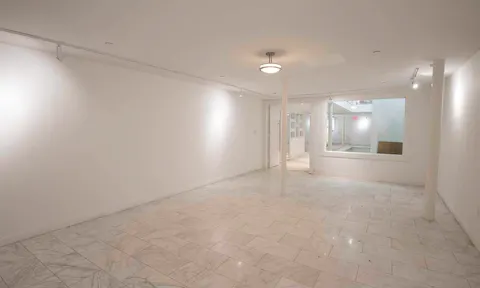


- Flexible retail spaces in Broadway (SoHo), New York |
- Flexible retail spaces in Crosby Street, New York |
- Flexible retail spaces in Greene Street, New York |
- Flexible retail spaces in Mercer, New York |
- Flexible retail spaces in Prince Street, New York |
- Flexible retail spaces in Sullivan Street, New York |
- Flexible retail spaces in Wooster Street, New York
Why rent a Showroom Space in Soho, New York?
Choosing the right location is crucial for the success of any retail business. When it comes to establishing a presence in a competitive market, renting a showroom space in Soho, New York, offers distinct advantages that can propel a brand to new heights. Soho is not only renowned for its artistic flair and vibrant atmosphere but also serves as a significant hub for foot traffic, making it an ideal destination for brands looking to connect with their audience.
One of the primary benefits of renting a retail space in Soho is the access to an established flow of potential customers. This bustling area attracts both locals and tourists, contributing to a diverse clientele eager to explore what’s new. By positioning your brand in this lively environment, you can harness the foot traffic to increase visibility and, ultimately, sales. The visibility gained from a prime showroom location allows brands to enhance their presence within a competitive marketplace, making it easier to capture the attention of passersby and create memorable shopping experiences.
Additionally, opening a showroom in Soho allows brands to build a strong local brand presence in a targeted area. The unique character of Soho caters to creative and fashion-forward consumers, providing an opportunity to connect directly with the demographic that aligns with your brand’s identity. This connection is crucial for fostering customer loyalty and establishing trust, which can lead to repeat business and word-of-mouth referrals.
Being in a vibrant commercial area like Soho not only enhances visibility but also opens up opportunities for networking with other businesses. The synergy created with neighboring stores and brands can lead to cross-promotional opportunities, collaborations, and community engagement that can further elevate your brand's reach. Furthermore, engaging with the local business ecosystem fosters relationships that can be beneficial for future endeavors, such as joint events or promotions.
Renting a showroom space also offers flexibility and scalability, allowing businesses to test concepts before committing to long-term investments. This is particularly advantageous for brands that are experimenting with their offerings or those that want to gauge interest in new products. By renting a space for short-term periods, businesses can evaluate performance, adapt to customer feedback, and make informed decisions about future investments.
In summary, renting a showroom space in Soho, New York, presents numerous retail store rental benefits. From the invaluable access to foot traffic and opportunities for brand presence to the enhanced visibility and networking possibilities, the advantages of retail spaces in this iconic location are clear. The flexibility to test concepts before making long-term commitments further solidifies the strategic benefits of choosing Soho for your retail endeavors. Embrace the opportunities that come with renting a retail space in this dynamic neighborhood, and watch your brand flourish in one of the most celebrated shopping districts in the world.
How much does it cost to rent a Showroom Space in Soho, New York?
When planning a business, understanding retail rental costs is crucial to ensure long-term success and viability. Among the prime locations for setting up a showroom, Soho in New York stands out as a fashionable and vibrant neighborhood that attracts both tourists and locals. However, the cost of renting showroom space in Soho can vary significantly based on multiple factors, making it essential for brands to do their homework.
In Soho, which is known for its high-end boutiques and artistic vibe, rental costs can range from $100 to over $300 per square foot annually, depending largely on the exact location and the size of the space. For example, spaces that are situated on busy streets, such as Broadway or Spring Street, typically command the higher end of that spectrum due to their substantial foot traffic and visibility. In contrast, spaces tucked away from main thoroughfares may offer more competitive rates, starting around $50 per square foot but may not attract the same level of customer engagement.
Several key factors influence retail rental prices in Soho. Firstly, location plays a vital role; properties directly on popular shopping streets tend to have higher costs due to the constant flow of pedestrians and visibility to potential customers. Secondly, the size of the showroom can directly impact pricing. Larger spaces may benefit from a lower price per square foot, but the overall rent can still be significantly higher. Additionally, seasonal trends can dictate market demand, and rents may fluctuate during peak shopping seasons or holidays.
It's essential to account for additional expenses beyond just the rental price. Utilities, maintenance fees, property taxes, and sometimes security deposits can significantly increase the overall cost of leasing a showroom in Soho. These costs can add an extra 10 to 30 percent to the monthly rent, which should be factored into any budget considerations.
To successfully navigate the market, potential tenants should consider a few actionable tips. Setting a realistic budget is paramount; this should encompass all associated costs, not just the base rent. Comparing different spaces and their amenities can uncover hidden opportunities that may offer better value. Consulting with local experts or real estate agents who specialize in commercial properties can provide invaluable insights into current market conditions and negotiating tactics in Soho, ultimately leading to a more informed decision.
In summary, while the cost to lease a showroom in Soho can be on the higher end compared to other locales, understanding the factors affecting retail rental costs, including location, size, and market demand, can equip brands to make well-informed and strategic choices. With thorough research and planning, it is possible to identify a space that not only meets business needs but also aligns with financial capabilities.
Benefits of leasing a Showroom Space in Soho, New York?
Leasing a showroom space in a prime location such as Soho, New York, can be a cost-effective and flexible solution for businesses and individuals looking to make their mark in the vibrant retail landscape. Soho is recognized for its high foot traffic and trendy atmosphere, making it a sought-after destination for brands. By leasing instead of buying, businesses can save substantial capital that would otherwise be tied up in property, allowing them to invest that money back into growth, marketing, or product development. According to real estate statistics, rental prices in this iconic neighborhood can range dramatically based on location and size, providing flexible options that are beneficial for various budgets.
One of the primary benefits of leasing commercial spaces, especially in high-demand locales like Soho, is accessibility. Many businesses dream of setting up shop in these coveted areas, where the cost of purchasing property can be prohibitively expensive, often exceeding millions of dollars. Leasing opens up opportunities for brands to establish a presence right in the heart of the action without the massive financial burden. This strategic approach enables businesses to attract a broader customer base and increase brand visibility, which is often crucial for success in retail.
Furthermore, leasing offers scalability, making it an ideal choice for growing businesses. For startups and expanding brands, the ability to increase or decrease space according to current needs can be a game-changer. If an event requires a grand showroom for a limited time, leasing provides the flexibility to secure the necessary space without long-term commitments. Event spaces can be leased hourly or daily, with prices ranging from $100 to $10,000 based on size and amenities. Such options allow businesses to adapt to market demands swiftly, ensuring they are always positioned to capitalize on new opportunities.
Another advantage of leasing is that many agreements include maintenance and infrastructure support provided by landlords. This means that businesses can focus more on their operations and less on the upkeep of the property. This can significantly reduce the hidden costs associated with running a physical location. Moreover, leasing allows brands to take advantage of the latest design trends and amenities without having to invest heavily in renovations and upgrades.
As you consider leasing a showroom space, it's essential to assess market trends in Soho to ensure you are making an informed decision. This analysis should encompass not only the average prices of commercial spaces but also the demand for retail offerings in the area. Calculate the total costs involved in leasing, including utilities, maintenance, and any additional fees, to gauge whether the financials align with your business goals.
In conclusion, leasing a showroom space in Soho offers numerous benefits, from access to prime locations to the flexibility that growing businesses require. By leveraging the advantages of leasing, such as cost-effectiveness, scalability, and the inclusion of maintenance support, businesses can position themselves for success in a competitive market. Make sure to conduct thorough research and strategize your lease agreement to align with your specific objectives, ensuring that your new showroom is a stepping stone towards achieving your broader business ambitions.
What are the most popular neighborhoods for renting a Showroom Space in Soho, New York?
When it comes to renting a showroom space in Soho, New York, understanding the unique characteristics of different neighborhoods is crucial for businesses looking to thrive. Soho is renowned for its artistic vibe and cultural significance, making it an ideal location for creative brands aiming to connect with a diverse audience. The local culture, demographics, and market trends play vital roles in shaping the success of various businesses and events.
Soho, with its rich history in art and fashion, draws consumers who are inclined towards innovative designs and unique products. This neighborhood serves as a creative hub, making it particularly advantageous for showrooms that showcase cutting-edge merchandise or exclusive collections. The area's distinctive blend of luxury and contemporary retail attracts affluent customers, thereby increasing the potential for high sales volume. High-end districts around Soho can benefit from the foot traffic provided by nearby landmarks such as art galleries, boutique shops, and high-profile restaurants, which enhance visibility and accessibility for incoming shoppers. On weekends, foot traffic can exceed thousands of people, particularly during popular events or exhibitions.
Rental spaces located near shopping streets are premium because they enjoy constant influxes of visitors. The proximity to attractions such as the historic streets of Grand, Broome, and Spring offers significant location advantages for commercial leases. These streets are not just thoroughfares; they are destinations in their own right, frequented by both locals and tourists.
For businesses strategizing their location, it is essential to evaluate neighborhood profiles to understand the demographics and purchasing behavior of potential customers. Typically, Soho's clientele consists of trendsetters and influencers, making it crucial to analyze market trends to align products with customer preferences. It is also important to balance location costs with expected returns. While rental prices in Soho can be high, the potential for increased sales through targeted marketing efforts can justify the expense.
Additionally, considering foot traffic patterns during both weekdays and weekends can aid in making informed rental decisions. For instance, showrooms located near universities can tap into a younger customer base, while spaces near corporate centers might attract professionals.
Ultimately, securing retail space in prime neighborhoods like Soho provides brands with visibility and a strong platform for engaging their audience directly. By understanding the neighborhood dynamics, retailers can strategically position themselves to capitalize on both traffic and market trends, ensuring their showroom stands out in one of New York's most vibrant districts.
Steps involved in planning a Showroom Space in Soho, New York
Planning a showroom space in Soho, New York, requires a strategic approach to ensure success in a competitive retail environment. The first step is to identify the purpose of the space. This involves determining whether the showroom will be used for displaying products, hosting events, or both. Having a clear purpose will guide decisions throughout the planning process.
Next, understanding the target audience is essential. Soho attracts a diverse demographic that includes both local residents and tourists. Knowing the audience helps tailor the showroom layout, design, and marketing strategies to meet their preferences and expectations. Conducting thorough market research is crucial to evaluate demand and competition in Soho, allowing for informed decisions about product offerings and pricing.
Establishing a realistic budget is another key step. This includes considering costs for renting spaces, renovations, furnishings, and marketing efforts. It is important to prepare an inventory that aligns with the purpose of the showroom and resonates with the target audience. This inventory should feature unique products that will draw customers in and encourage purchases.
Marketing and promotion are vital to generating interest in the showroom. Utilize social media, email newsletters, and local advertising to inform potential customers about the showroom, its offerings, and any special events. Creativity in marketing can set the showroom apart from competitors.
Hiring the right staff plays a significant role in the success of the showroom. Staff should be knowledgeable about the products and trained to provide exceptional customer service. Creating an immersive experience for customers is also essential. This can be achieved through thoughtful design and interactive displays that engage visitors and invite them to spend more time in the space.
Managing payment transactions securely is critical for building customer trust. Ensure that payment systems are efficient and comply with all security protocols. Collecting and analyzing data on sales and customer behavior will provide valuable insights for refining inventory choices and marketing strategies.
When selecting a location, consider different factors such as accessibility, public transport, and nearby amenities. The best locations for commercial spaces are those that attract foot traffic and provide convenience for customers. Look for areas with a vibrant atmosphere, community events, and complementary businesses that can encourage cross-shopping.
As the planning process moves forward, consulting local real estate experts can provide insights into the market trends and available properties in Soho. Reviewing lease agreements carefully is important to avoid unexpected costs or restrictions. Ensure that the chosen location aligns with business goals, such as brand positioning and long-term growth strategies.
By following these steps to plan a retail store, brands can successfully establish a showroom space in Soho that not only meets their needs but also captures the attention of new customers, fostering business growth.
How long should you rent a Showroom Space in Soho, New York to achieve your goals?
The optimal lease length for renting a showroom space in Soho, New York, varies significantly based on the type of business, its strategic goals, and the intended use of the space. Understanding how long to commit to a lease is crucial for maximizing success, especially in a vibrant and competitive environment like Soho.
Short-term leases are often ideal for businesses that aim to create a buzz through pop-up experiences or temporary events. These leases can range from a few days to several months and provide the flexibility to test new concepts or engage customers without the commitment of a long-term agreement. For brands looking to establish a temporary presence or capitalize on seasonal trends, short leases are an attractive option.
Conversely, businesses seeking stability and a loyal customer base may benefit from longer leases, which typically extend from three to five years. This duration allows companies to develop a deeper connection with their clientele, create a familiar shopping experience, and establish a stable operational foundation. Longer leases are also advantageous in securing prime locations where customer foot traffic and visibility are paramount.
The market is witnessing a growing trend toward flexible lease options, allowing businesses to adapt quickly to ever-changing conditions without the burden of long-term commitments. This flexibility can help companies pivot their strategies in response to shifts in consumer behaviors or market dynamics.
When deciding on rental duration for commercial spaces, it is vital to evaluate your business goals carefully. Conducting thorough market research will provide insights into current trends and customer preferences, enabling you to make informed decisions. Understanding the lease agreement, including potential exit strategies, is equally important to align rental timelines with your broader business objectives.
Overall, whether opting for a short-term or long-term lease, the key to success lies in aligning your rental duration with your specific business needs and market conditions. With careful planning and consideration, you can find a showroom space in Soho that not only meets your immediate needs but also supports your long-term vision.
How can xNomad help your brand successfully launch a Showroom Space in Soho, New York?
Launching a showroom space in Soho, New York, is a strategic move for brands looking to enhance visibility and connect with their target audience in one of the most vibrant retail districts in the world. xNomad offers a comprehensive solution to help brands navigate this process and create a successful showroom that resonates with customers.
One of the key advantages of partnering with xNomad is their ability to provide versatile and flexible services tailored to each brand's needs. As a full-service agency, xNomad bridges the gap between brands and landlords, ensuring that the entire process from location scouting to the actual launch is seamless. Their expertise in concept design, marketing, and site management allows brands to focus on crafting their unique identity while xNomad handles the logistics.
xNomad's commitment to trust, innovation, and simplicity ensures an end-to-end experience for brands. They pride themselves on providing move-in-ready spaces that are fully designed, furnished, and staffed. This means brands can turn their vision into reality without the hassles of traditional retail setup. With flexible booking options available for days, weeks, months, or even years, xNomad allows brands to maintain agility while scaling their operations in the competitive Soho market.
Moreover, xNomad boasts a global presence, making them a reliable partner for brands aiming to expand locally or internationally. Their extensive network of partnerships not only facilitates access to prime retail locations but also plays a pivotal role in revitalizing urban areas. By creating unforgettable pop-up experiences, xNomad helps brands stand out in a crowded marketplace.
A proven track record with trusted global brands highlights xNomad's capability as a pop-up retail partner. Their experience with high-profile clients demonstrates a robust understanding of diverse industry needs, ensuring that each brand can achieve exceptional results tailored to their unique goals.
Ultimately, xNomad's mission is to connect brands with the perfect spaces, streamlining each phase of the showroom launch process. Through excellent communication, innovative design, and a focus on community-building, they empower brands to establish impactful retail experiences. By choosing xNomad, brands can confidently embark on their journey in Soho, leveraging end-to-end retail solutions to not only meet but exceed their expectations.
FAQ
Q: What factors should be considered when choosing a showroom space in Soho, New York?
A: When selecting a showroom space in Soho, consider location, foot traffic, and target audience alignment. High foot traffic areas like Broadway can increase visibility but come with higher costs. Aligning the showroom's vibe with Soho's artistic and fashion-forward clientele is crucial. For example, a fashion brand might choose a space near art galleries to attract trendsetters.
Q: How can seasonal trends impact the rental cost of showroom spaces in Soho?
A: Seasonal trends can significantly affect showroom rental costs in Soho, with prices often rising during peak shopping seasons like the holidays. During these times, demand for prime locations increases, leading to higher rental rates. For instance, a space on Spring Street might see a price surge in November due to holiday shopping.
Q: What are the potential risks of renting a showroom space in Soho?
A: Renting a showroom in Soho carries risks such as high rental costs and fluctuating foot traffic. Additionally, competition is fierce, requiring unique offerings to stand out. Legal considerations, like lease terms and zoning laws, must also be navigated carefully. A brand might face challenges if not prepared for Soho's dynamic retail environment.
Q: How can a brand effectively utilize a short-term showroom lease in Soho?
A: Brands can leverage short-term leases in Soho to test new products or create pop-up experiences. This approach allows for market testing without long-term commitments. For example, a tech company might use a three-month lease to showcase a new gadget, gathering customer feedback before a full-scale launch.
Q: What are the advantages of networking with neighboring businesses in Soho?
A: Networking with neighboring businesses in Soho can lead to cross-promotional opportunities and collaborations. This synergy can enhance brand visibility and customer engagement. For instance, a clothing store might partner with a local café for joint events, attracting a wider audience and fostering community ties.
Q: How does xNomad assist in finding the right showroom space in Soho?
A: xNomad helps brands find and book ideal showroom spaces in Soho by offering tailored solutions and flexible booking options. They streamline the process from location scouting to launch, allowing brands to focus on their core offerings. For example, xNomad can secure a prime spot on Broadway for a fashion brand's pop-up.
Q: How does the size of a showroom space affect its rental cost in Soho?
A: The size of a showroom space in Soho directly impacts its rental cost, with larger spaces often having a lower price per square foot but higher overall rent. A 1,000-square-foot space might be more cost-effective per square foot than a smaller one but requires a higher budget commitment.
Q: What timing considerations are important when planning a showroom launch in Soho?
A: Timing is crucial for a successful showroom launch in Soho. Brands should consider peak shopping seasons and local events to maximize foot traffic. Launching during Fashion Week, for instance, can attract a fashion-forward audience. Planning 3–6 months in advance ensures access to prime locations and favorable terms.
Q: What is a pop-up showroom and how does it work in new-york-soho?
A: A pop-up showroom is a temporary retail space where brands showcase their products for a limited time. It typically operates for a few days to several weeks, allowing businesses to test markets or promote new launches. For example, many fashion brands use pop-up showrooms in Soho to attract customers and create buzz.
Q: How do I find pop-up showroom space near me in new-york-soho?
A: You can find pop-up showroom spaces in new-york-soho through platforms like xNomad, which lists available sites based on location, size, and price. Additionally, local real estate agents and community boards can provide leads on open spaces. Utilizing social media can also yield opportunities from other local businesses.
Q: What types of spaces are available for pop-up showrooms in new-york-soho?
A: In new-york-soho, there are various types of spaces for pop-up showrooms, including retail storefronts, galleries, and even shared spaces within co-working buildings. Each offers unique benefits, depending on your brand's needs. xNomad features diverse options ranging from small boutiques to larger venues.
Q: How far in advance should I book a pop-up showroom space in new-york-soho?
A: It is advisable to book a pop-up showroom space in new-york-soho at least 1 to 3 months in advance to ensure availability. This lead time allows you to select the best location and plan your marketing strategy effectively. Popular spaces can fill up quickly, especially during peak seasons.
Q: Can I rent a pop-up showroom space for just one day or one weekend in new-york-soho?
A: Yes, many venues in new-york-soho allow rentals for just one day or one weekend. This is ideal for events like product launches or seasonal promotions. For example, xNomad provides flexibility with short-term leases catering to various promotional needs.
Q: Do I need a permit to run a showroom in new-york-soho?
A: Yes, you need a permit to operate a showroom in new-york-soho. Permits ensure compliance with local regulations and avoid potential fines. Check with the city's Department of Consumer and Worker Protection for specific guidelines.
Q: How do I obtain a showroom permit in new-york-soho?
A: To obtain a showroom permit in new-york-soho, visit the local government website or the Department of Consumer and Worker Protection. You’ll need to submit an application along with any required fees and documentation, such as a business plan.
Q: How long does it take to get a showroom permit in new-york-soho?
A: Obtaining a showroom permit in new-york-soho typically takes 4 to 6 weeks. The processing time varies based on application completeness and any necessary inspections. It's wise to apply well in advance of your event.
Q: Can I operate a showroom without a permit in new-york-soho?
A: No, you cannot operate a showroom without a permit in new-york-soho. Doing so may result in fines, shutdowns, or other penalties. Compliance with local laws is crucial for a successful pop-up.
Q: Do I need insurance for a showroom in new-york-soho?
A: Yes, you need insurance for a showroom in new-york-soho. Liability insurance protects against potential accidents or damages that may occur during your event. It's advisable to consult with an insurance agent familiar with temporary retail operations.
Q: Are there any specific permit requirements I should know about before booking a space for a showroom in new-york-soho?
A: Yes, specific permit requirements for a showroom in new-york-soho may include zoning approvals and health permits, depending on the nature of your products. It’s essential to research these details prior to finalizing your venue.
Q: Does the venue handle permits or is that my responsibility for a showroom in new-york-soho?
A: Typically, obtaining permits for a showroom in new-york-soho is your responsibility. While some venues may assist with the process, it's essential to clarify who will manage permit applications before your event. Always confirm with the venue directly.
Q: What are some creative display ideas for a pop-up showroom in New York?
A: Use themed displays that reflect local culture, such as street art or fashion-inspired elements. Incorporating interactive features engages visitors and encourages them to share their experience online. For example, set up a mural wall where customers can take photos.
Q: How can I design an eye-catching pop-up stand on a budget in New York?
A: Use repurposed materials like wooden pallets or fabric drapes to create an attractive display without overspending. Consider investing in vibrant signage or unique lighting to draw attention. Many successful pop-ups in New York achieve this with DIY aesthetics.
Q: How do I make my pop-up showroom in New York social media friendly?
A: Create visually striking backdrops and dedicated photo-op areas to encourage visitors to snap and share images online. Incorporating branded hashtags or geotags helps increase visibility. For instance, include an Instagram-friendly sign that promotes your specific campaign.
Q: What are some pop-up showroom table display ideas in New York?
A: Use tiered displays to showcase products effectively and create dynamic visuals. Layering items and incorporating props like plants can add life to the table. A local example is a boutique that uses rustic crates to arrange clothing items attractively.
Q: What are the most trending pop-up showroom display ideas right now in New York?
A: Minimalist designs with nature-inspired elements are trending, utilizing greenery and sustainable materials. Augmented reality experiences are also gaining traction, engaging customers through technology. Brands in New York are increasingly incorporating this tech into their displays.
Q: What furniture or fixtures do I need to set up a pop-up showroom in New York?
A: Essential fixtures include portable tables, collapsible chairs, and display racks that are easy to transport. Investing in flexible lighting, such as string lights or shop lights, enhances ambiance. Many pop-ups in New York create stylish yet functional setups with these basics.
Q: What are the first steps to starting a pop-up showroom in New York?
A: The first steps involve defining your concept, budget, and target audience. Consider sourcing products or services that align with your theme, and then secure necessary permits. Additionally, you should find a suitable location that attracts your ideal customers. Collaborating with a company like xNomad can help streamline your pop-up shop process.
Q: Do I need a business plan for a pop-up showroom in New York?
A: Yes, creating a business plan for a pop-up showroom is essential in New York. It helps outline your goals, strategies, financial projections, and marketing efforts, ensuring that you stay organized and focused. A solid plan can make securing financing or finding partners more manageable, leading to a more successful venture.
Q: What should I look for when choosing a pop-up showroom location in New York?
A: When selecting a location for a pop-up showroom in New York, consider foot traffic, visibility, and accessibility. Look for areas that align with your target demographic, such as high-traffic shopping districts or popular events. Additionally, evaluate rental costs and the duration of the lease to ensure it fits within your budget.
Q: What are the key benefits of running a pop-up showroom in New York?
A: The key benefits of running a pop-up showroom in New York include increased brand exposure, the ability to test new products, and direct customer engagement. This temporary setup can help you build a loyal customer base and gather valuable feedback without a long-term commitment. Pop-ups are also an excellent way to create buzz and drive sales in a highly competitive market.
Q: What are the unique challenges faced for a showroom project in New York?
A: Unique challenges for a showroom project in New York include high rental costs, which can impact budget and pricing strategies. Additionally, navigating the city's complex zoning laws and ensuring compliance with aesthetic regulations can be daunting. For instance, finding a location that meets both business needs and regulatory expectations may take considerable time and effort.
Q: How can a showroom project in New York leverage local design trends?
A: A showroom project in New York can leverage local design trends by integrating culturally relevant elements that reflect the city's diverse aesthetic. This could involve collaborating with local designers or using materials that resonate with the unique urban landscape. Notably, showcasing items that embody both style and functionality can attract more customers.
Q: What should I consider when planning a showroom project for my brand in New York?
A: Consider the location, target audience, budget, and duration of the showroom project in New York. Choose a bustling area that aligns with your brand identity to maximize visibility. Additionally, plan logistics like setup, staffing, and marketing strategies effectively. For instance, setting up in SoHo could attract fashion enthusiasts.
Q: How do I choose the right showroom format for my brand in New York?
A: To choose the correct showroom format for your brand in New York, assess your goals and customer engagement strategy. Decide between options like a pop-up space, traditional storefront, or temporary concession based on your target market and product type. For example, a small chic showroom in SoHo may suit premium products well.
Q: What are the most common mistakes first-time showroom operators make in New York?
A: Common mistakes include underestimating costs, failing to plan for foot traffic, and not utilizing effective marketing strategies in New York. Many overlook essential details such as product display and customer interaction, which can impact sales and brand perception. First-time operators should allocate a budget for promotion to enhance visibility and attract customers.
Q: What are the best locations and setups for a showroom project in New York?
A: Prime locations for a showroom project in New York include popular parks like Bryant Park and high-traffic areas like the High Line. Setups should focus on visibility and accessibility, using mobile tables and engaging displays. For instance, setting up near events like outdoor markets can draw larger crowds and enhance sales opportunities.
Q: How do I run a showroom project outside or on a trail/market route in New York?
A: Running a showroom project in New York requires a strategic location along busy trails or markets, ensuring you have all necessary permits and equipment. Set up an eye-catching booth with clear signage and product displays. For example, participating in local street fairs can maximize interactions and foot traffic.
Q: What should I consider when doing a showroom project at an outdoor event in New York?
A: When hosting a showroom project at an outdoor event in New York, consider the weather, accessibility, and foot traffic patterns. It's crucial to have adequate protection from elements and easily navigable displays. For example, many vendors use tents during summer street fairs to create comfortable shopping experiences.
Q: What equipment do I need for a pop-up coffee showroom in New York?
A: For a pop-up coffee showroom in New York, you'll need an espresso machine, grinders, brewing equipment, cups, and utensils. Additionally, consider essentials like a point of sale system and tables for service. These items not only enhance the customer experience but also ensure operational efficiency. A high-quality espresso machine can significantly attract coffee enthusiasts.
Q: What are the best locations for a pop-up coffee showroom in New York?
A: The best locations for a pop-up coffee showroom in New York include busy neighborhoods like Soho, near parks, or within popular event spaces. These high-foot-traffic areas will help maximize visibility and customer engagement. Setting up during local events or festivals can also draw in more visitors.
Q: How do I promote a pop-up coffee showroom event on social media in New York?
A: To promote a pop-up coffee showroom event in New York on social media, create engaging posts with high-quality images and videos of your offerings. Utilize hashtags relevant to the local coffee community and Geotag your location for greater visibility. Collaborating with local influencers can also help increase awareness among potential customers.
Q: How do I start a successful pop-up coffee showroom in New York?
A: To start a successful pop-up coffee showroom in New York, first conduct market research to identify your target audience and niche. Next, develop a strong brand and menu, ensuring high-quality products. Lastly, secure a strategic location and build a promotional plan using social media and local partnerships. Many pop-up coffee shops highlight unique blends or artisanal pastries to stand out.
Découvrez nos espaces Scopri i nostri spazi Ontdek onze ruimtes 探索我们的空间