- 1Projects

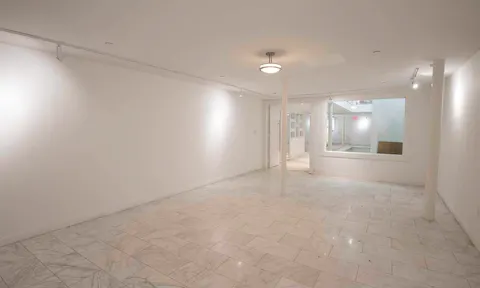


- Flexible retail spaces in Broadway (SoHo), New York |
- Flexible retail spaces in Crosby Street, New York |
- Flexible retail spaces in Greene Street, New York |
- Flexible retail spaces in Mercer, New York |
- Flexible retail spaces in Prince Street, New York |
- Flexible retail spaces in Sullivan Street, New York |
- Flexible retail spaces in Wooster Street, New York
Why rent an Event Space in Soho, New York?
Choosing the right location for retail success is crucial, and Soho, New York, stands out as an exceptional choice for renting an event space. This vibrant neighborhood is renowned for its artistic atmosphere, high foot traffic, and diverse clientele, making it an ideal setting for brands looking to make a lasting impression. The benefits of renting a retail space in such a dynamic area cannot be overstated, as it not only enhances visibility but also creates opportunities to engage with customers directly.
Renting an event space in Soho allows businesses to access a constant stream of potential customers. The area is known for its bustling streets filled with shoppers, tourists, and locals who are always on the lookout for unique experiences. By positioning themselves in this lively context, brands can increase their chances of attracting attention and driving sales. Building a brand presence in a targeted location helps in establishing trust and familiarity, essential components for long-term customer loyalty.
The strategic advantages of being situated in a commercial hub like Soho extend beyond just foot traffic. The enhanced visibility of a retail space can significantly boost sales potential. As shoppers navigate the streets, a well-designed event space captures their interest, inviting them to explore what is being offered. Furthermore, being surrounded by reputable neighboring businesses creates valuable networking opportunities, fostering collaborations and partnerships that can benefit all parties involved.
Renting a retail store in Soho also provides the flexibility and scalability necessary for brands to test their concepts before making long-term commitments. For emerging businesses or those launching new products, a temporary space allows them to gauge customer reactions and refine their offerings based on real-time feedback. This adaptability is an invaluable asset in today’s fast-paced market, where consumer preferences can shift rapidly.
In conclusion, the advantages of renting a retail space in Soho are clear. By taking advantage of the vibrant atmosphere, increased visibility, and networking possibilities, brands can enhance their market presence while directly connecting with their audience. The flexibility to test ideas in a prime location fosters a unique opportunity for growth and innovation, setting the stage for future success. Embracing the benefits of retail store rental in such a thriving area allows brands to thrive in a competitive landscape while building lasting relationships with their customers.
How much does it cost to rent an Event Space in Soho, New York?
When planning a business, understanding retail rental costs is crucial, especially in vibrant areas like Soho, New York. Soho is known for its artistic culture, high-end boutiques, and bustling streets, making it an appealing location for brands to establish a presence. However, the costs associated with renting an event space in this trendy neighborhood can vary significantly based on several factors.
In general, renting retail spaces in Soho can range dramatically depending on their location and features. On average, retail rental prices in Soho tend to fall between 200 and 400 dollars per square foot annually. For instance, a prime location on Broadway may command closer to the higher end of this range, while a space a few blocks away might be more affordable. It's important to note that the store size plays a vital role; smaller venues may have higher prices per square foot while larger spaces can offer more competitive rates.
Foot traffic is another critical factor influencing rental prices in Soho. Areas with higher pedestrian traffic generally have increased demand, leading to elevated prices. For example, spaces near popular attractions or heavily frequented streets may see rental costs that exceed 500 dollars per square foot, reflecting their premium location and visibility. In contrast, spaces tucked away in less-trafficked zones may offer lower prices but could result in reduced exposure and customer engagement.
Market demand also fluctuates based on the time of year and economic conditions. During peak seasons or events, demand for retail spaces can surge, pushing prices up. In contrast, during slower months, landlords may be more willing to negotiate lower costs or offer incentives.
In addition to rental costs, potential renters should be mindful of other expenses that contribute to the total cost of leasing a shop. Utilities, maintenance fees, property taxes, and security deposits can add a significant amount to the monthly budget, often totaling 20% to 30% above the base rent. For those considering a lease, it is essential to inquire about these additional costs upfront to avoid unexpected financial burdens.
To navigate the complexities of event space rental in Soho, setting a budget is crucial. Before venturing into negotiations, potential renters should assess their financial capacity and determine a clear range they can comfortably afford. Comparing various options in terms of location, size, and amenities available can lead to better decision-making. Moreover, consulting with local real estate experts can provide valuable insights into current market trends and rental costs, ensuring that businesses make informed and strategic choices.
Understanding the factors affecting retail rental costs is essential for any business considering establishing a presence in Soho. With the right preparation and guidance, navigating the landscape of rental prices in this dynamic area can become a more manageable endeavor.
Benefits of leasing an Event Space in Soho, New York?
Leasing commercial spaces has become an increasingly popular choice for businesses and individuals looking for flexibility and cost-effectiveness, especially in high-demand locations such as Soho, New York. In a city where real estate prices can reach staggering sums, leasing can provide a viable alternative to purchasing a property outright. According to recent statistics, leasing offers a way for businesses to allocate their resources more efficiently, with some estimates showing that leasing commercial real estate can save companies about 20 to 30 percent compared to buying.
One of the most significant benefits of leasing is access to prime locations that would otherwise be prohibitively expensive to purchase. For instance, a commercial property in Soho could easily fetch millions on the market, but a lease allows businesses to set up shop in a vibrant area known for its high foot traffic and affluent clientele, without the heavy financial burden of ownership. This access is crucial for retail and events, where visibility and location can directly impact success.
Leasing also provides scalability, which is particularly beneficial for growing businesses. Companies can choose leases of varying lengths, from a few months to several years, allowing them to adapt to changing market conditions or business needs. For example, a hot new brand may find that a six-month lease in Soho during a peak retail season maximizes their exposure and aligns with their growth strategy. Moreover, many leases include maintenance and infrastructure support from landlords, which further reduces the operational burden on the tenant. This means businesses can focus on their core operations without worrying about the underlying property issues.
Event spaces in Soho can be especially flexible, with the option to lease spaces by the hour or the day. Pricing for these events can range significantly, from around $100 for smaller venues to upwards of $10,000 for larger spaces with premium amenities. This flexibility allows event organizers to tailor their space rentals to their specific needs without committing to long-term costs.
When considering leasing commercial spaces, it is crucial to assess market trends and pricing structures effectively. Doing so helps in calculating total costs over the lease duration and ensuring that the chosen lease aligns with the company’s long-term goals. Also, it’s wise to research not only the rental price but also the additional costs such as utilities, insurance, and maintenance contributions that may impact your overall budget.
In summary, leasing a commercial space, especially in a bustling hub like Soho, New York, offers numerous benefits. Businesses can secure prime locations without the hefty upfront costs of buying, scale as needed, and access valuable support from landlords. As you consider your options, remember to evaluate market dynamics and costs thoroughly, ensuring your lease aligns perfectly with your objectives.
What are the most popular neighborhoods for renting an Event Space in Soho, New York?
When considering the vibrant landscape of Soho, New York, it's essential to understand how different types of businesses and events thrive in specific neighborhoods, influenced by local culture, demographics, and market trends. Soho is renowned for its artistic flair and unique character, making it an attractive destination for various events, from art exhibitions to fashion showcases.
The distinct neighborhoods within Soho offer varied opportunities for event spaces. Creative hubs, characterized by a concentration of galleries, boutiques, and trendy restaurants, serve as ideal locations for businesses looking to engage with an audience that embraces innovation and artistry. The presence of established landmarks such as the shopping streets of Broadway and Prince Street enhances visibility and attracts foot traffic, essential for any event's success. These areas can see foot traffic ranging from 10,000 to 30,000 people on busy days, depending on the season and local events.
High-end districts within Soho, known for luxury retail and upscale dining, cater particularly well to businesses that focus on exclusive events like fashion launch parties and private gatherings. Being in close proximity to iconic establishments, such as the Museum of Modern Art, can further amplify potential attendance and brand recognition. Understanding the demographics of these areas is paramount; events targeting affluent clientele will benefit significantly from the upscale atmosphere that Soho provides.
Warehouse districts, although less common in Soho, can also serve unique functions for larger events or pop-up experiences, often appealing to brands looking to create immersive experiences. The allure of unique, industrial spaces is evident, as they can transform a standard event into something extraordinary, attracting a crowd eager for novel experiences.
When evaluating neighborhood profiles for event space rentals, consider not just the immediate location but also the accessibility and infrastructure surrounding it. Proximity to public transportation hubs, parking facilities, and other amenities can greatly influence attendance. Balancing the cost of renting space in these prime areas with the expected return on investment is crucial. High foot traffic zones may come with a premium price tag, but the potential visibility and engagement they offer can justify the expense.
Key streets in Soho worth considering for event space rentals include Spring Street, Wooster Street, and Grand Street, all of which offer vibrant atmospheres and high visibility. Understanding and leveraging the location advantages of these neighborhoods can significantly impact your event's success, ensuring you attract the right audience and create memorable experiences.
Steps involved in planning an Event Space in Soho, New York
Planning an event space in Soho, New York, involves a series of strategic steps to ensure a successful venture. The first crucial step is to identify the purpose of the space, whether it is for hosting corporate events, product launches, or social gatherings. Understanding your target audience is essential; knowing their preferences and expectations will influence various aspects of the event space, from design to amenities.
Setting a realistic budget is an important consideration as it will dictate many choices you make throughout the planning process. Prepare an inventory of what you need, such as furniture, audio-visual equipment, and decor. This will help ensure you have everything necessary to create an engaging environment for attendees.
Marketing and promotion are vital for attracting guests to your event space. Develop a marketing strategy that includes digital marketing, social media outreach, and partnerships with local businesses to increase visibility. Hiring the right staff is equally essential. They should be skilled in customer service and well-trained to create an immersive experience for customers, ensuring that each event runs smoothly and guests feel welcomed.
Managing payment transactions securely should be a top priority, incorporating reliable technology to handle bookings and payments without hassle. Analyzing data related to your events will yield insights into customer preferences and areas for improvement. This data-driven approach can greatly enhance future planning.
Conducting thorough market research is key to evaluating demand and competition in different neighborhoods. When choosing a location in Soho, consider accessibility, as well as the proximity to public transport and nearby amenities, which can significantly influence foot traffic and attendee satisfaction. Factors like street visibility, demographics of the area, and the presence of complementary businesses can also impact the success of your event space.
It is advisable to consult local real estate experts who can provide insights into the best locations for commercial spaces that align with your business goals. Reviewing lease agreements meticulously is crucial to avoid unforeseen challenges. Make sure that your location choices resonate with your overall business objectives, ensuring that you create an event space that thrives in the competitive landscape of Soho.
By following these strategic steps, you can establish an event space that not only meets the needs of your target audience but also contributes to the growth of your business.
How long should you rent an Event Space in Soho, New York to achieve your goals?
Determining the optimal lease length for renting an event space in Soho, New York, depends significantly on the type of business, its goals, and the intended use of the space. Whether you're planning a pop-up shop, hosting temporary events, or establishing a showroom, understanding your specific needs is crucial in making the right decision.
For businesses focusing on temporary engagements, such as pop-up shops or seasonal events, short-term leases are often ideal. These are typically available for durations ranging from a few days to one year and offer the flexibility to test the market or promote limited-time products. This approach allows businesses to experiment with their offerings and adapt quickly to customer feedback without the burden of a long-term commitment.
On the other hand, businesses seeking stability and familiarity with their customer base might consider longer lease options. Typically ranging from three to five years, these agreements provide a sense of permanence that can cultivate consumer trust and loyalty. Such leases are well-suited for brands planning extensive marketing campaigns or those that aim to establish a strong local presence.
Increasingly, flexibility in lease options is becoming a trend in the commercial real estate market. This shift enables businesses to navigate changing market conditions without locking themselves into lengthy agreements. Flexible leases can allow brands to expand or scale down as necessary, making it easier to adjust strategies based on evolving consumer demands.
As you evaluate the rental duration for commercial spaces, it is essential to align your lease length with your business objectives. Consider your goals, whether they are short-term engagements or long-term stability, and how they fit within the current market landscape. Understanding industry trends in Soho can provide insight into what lease terms might best support your vision. Additionally, consulting lease agreements thoroughly will ensure that you understand all terms and conditions, allowing you to make informed decisions about planning rental timelines for success.
Ultimately, the key to achieving your goals when renting an event space in Soho lies in a strategic approach to lease length, aligned with your business aspirations and market dynamics.
How can xNomad help your brand successfully launch an Event Space in Soho, New York?
How can xNomad help your brand successfully launch an Event Space in Soho, New York?
Launching an event space in a vibrant and bustling area like Soho, New York, presents unique opportunities and challenges for brands looking to make a memorable impact. xNomad is your trusted partner in navigating these complexities, providing an end-to-end retail solution tailored to elevate your brand’s presence.
xNomad excels in delivering versatile and flexible services that seamlessly bridge the gap between brands and landlords. With expertise in location scouting, you benefit from their deep understanding of the Soho market, ensuring you select a space that resonates with your target audience. The company’s commitment to innovation and simplification sets it apart, as xNomad handles everything from concept design and furnishing to staffing, making your event space ready for immediate use.
One of xNomad's standout strengths is its global presence. Whether your brand is looking to scale locally in New York or expand internationally, xNomad offers the support and insights necessary for a successful launch. This solid foundation is further enhanced by their extensive partnership network, which focuses on revitalizing urban areas. This commitment not only enriches the local community but also creates memorable pop-up experiences that keep consumers engaged and interested.
Brands trust xNomad, evidenced by their proven track record with globally recognized names that demand excellence. Many leading brands have relied on xNomad for their retail transformations, benefitting from xNomad’s personalized approach and dedication to superior communication.
Choosing xNomad means securing a reliable partner dedicated to connecting your brand with the perfect event space in Soho. The focus is on delivering exceptional results through innovative solutions and community-building initiatives. In this dynamic landscape, xNomad stands out as a comprehensive resource for brands looking to make a lasting impression.
In summary, for brands eager to launch an event space in Soho, New York, xNomad offers full-service capabilities that streamline the process. With their commitment to flexibility, trust, and proven success, they are the ideal partner for ensuring your brand not only enters the market but thrives within it.
FAQ
Q: What factors should I consider when choosing an event space in Soho, New York?
A: Consider foot traffic, location visibility, and proximity to public transport. High foot traffic areas like Broadway can boost visibility, while accessibility ensures ease for attendees. Evaluate neighborhood demographics and nearby amenities to align with your event's target audience and objectives.
Q: How does the season affect event space rental prices in Soho, New York?
A: Rental prices in Soho can increase during peak seasons like the holiday period due to higher demand. Landlords may offer lower rates or incentives during slower months. Planning ahead for high-demand times can secure better locations and terms.
Q: What are the potential risks of renting an event space in Soho, New York?
A: Risks include high rental costs, fluctuating market demand, and potential hidden fees. It's crucial to review lease agreements carefully and account for additional expenses like utilities and maintenance to avoid unexpected financial burdens.
Q: How can I effectively market my event in Soho, New York?
A: Utilize digital marketing, social media, and local partnerships to increase visibility. Engaging with local influencers and businesses can attract a targeted audience. Consider using xNomad's platform to find strategic locations that enhance your marketing efforts.
Q: What is the cost-related nuance of renting an event space in Soho, New York?
A: Costs vary based on location, size, and foot traffic. Prime areas may exceed $500 per square foot annually, while less-trafficked zones offer lower rates. Additional expenses like utilities and taxes can add 20% to 30% to the base rent.
Q: How do I execute a successful pop-up event in Soho, New York?
A: Start by defining your target audience and setting a clear budget. Choose a location with high visibility and accessibility. Use platforms like xNomad to find suitable spaces, and ensure you have the necessary permits and marketing strategy in place.
Q: How does renting an event space in Soho compare to other New York neighborhoods?
A: Soho offers high foot traffic and a vibrant atmosphere, ideal for visibility and engagement. While other neighborhoods may offer lower rental costs, they might lack the artistic and affluent clientele that Soho attracts, impacting brand exposure.
Q: What legal considerations should I be aware of when renting an event space in Soho, New York?
A: Review lease agreements for terms on duration, maintenance responsibilities, and additional costs. Ensure compliance with local zoning laws and obtain necessary permits for your event type to avoid legal issues.
Q: How can xNomad assist in finding the right event space in Soho, New York?
A: xNomad helps brands find and book pop-up retail spaces, offering expertise in location scouting and market insights. Their platform simplifies the process, ensuring you select a space that aligns with your brand objectives and audience.
Q: What are the benefits of short-term leases for event spaces in Soho, New York?
A: Short-term leases offer flexibility to test market responses and adapt quickly to consumer feedback. They are ideal for pop-up shops and seasonal events, allowing brands to engage with customers without long-term commitments.
Q: What is a pop-up retail shop and how does it work in New York Soho?
A: A pop-up retail shop is a temporary retail space that allows brands to create immersive experiences for customers. These shops typically operate for a short duration, ranging from a day to several months, focusing on generating sales or promoting a product. In New York Soho, many pop-up spaces are available through platforms like xNomad.
Q: How do I find pop-up retail space in New York Soho?
A: You can find pop-up retail space in New York Soho through online platforms, local real estate agents, or community boards. Many websites specialize in pop-up spaces, allowing you to filter by location, size, and rental duration. xNomad is one such platform that connects businesses with unique spaces in Soho.
Q: What types of spaces are available for pop-up retail shops in New York Soho?
A: In New York Soho, various types of spaces for pop-up retail shops are available, including storefronts, event venues, and shared spaces. Depending on your concept, you can choose from high foot-traffic areas to chic boutique settings. For instance, some locations feature excellent visibility and accessibility near busy streets.
Q: How far in advance should I book a pop-up retail space in New York Soho?
A: It's advisable to book a pop-up retail space in New York Soho at least 2-3 months in advance to secure the best locations and rates. This lead time allows for necessary preparations, marketing, and potential permits. High-demand spaces often fill up quickly, especially during peak seasons.
Q: Can I rent a pop-up retail space for just one day or one weekend in New York Soho?
A: Yes, you can rent a pop-up retail space for just one day or one weekend in New York Soho. Many space providers offer flexible rental options tailored for short-term events. Platforms like xNomad often list spaces specifically designed for quick setups and short durations, catering to various retail needs.
Q: Do I need a permit to run a retail pop-up shop in New York?
A: Yes, you need a permit to run a retail pop-up shop in New York. Local laws require permits for temporary retail businesses to ensure compliance with health, safety, and zoning regulations. Failing to obtain the necessary permits can result in fines and disruption of your business.
Q: How do I obtain a pop-up shop permit for retail in New York?
A: To obtain a pop-up shop permit in New York, you must apply through the NYC Department of Consumer and Worker Protection (DCWP). The process often includes filling out an application, paying a fee, and possibly providing additional documentation related to your business. You can apply online or visit a local office for assistance.
Q: How long does it take to get a pop-up shop permit in New York for retail?
A: It typically takes about 2 to 6 weeks to obtain a pop-up shop permit in New York. The timeline may vary depending on the complexity of your application and any required inspections. Planning ahead will help ensure you're ready to open your pop-up shop on schedule.
Q: Can I operate a retail pop-up shop without a permit in New York?
A: No, you cannot operate a retail pop-up shop without a permit in New York. Running a shop without the proper permits can lead to legal penalties, including fines or forced closure of your business. Ensuring you have the correct documentation is crucial for a successful pop-up venture.
Q: Do I need insurance for a retail pop-up shop in New York?
A: Yes, obtaining insurance for a retail pop-up shop in New York is advisable. Liability insurance protects you from potential claims arising from accidents or damages that may occur during your operation. It's often required by landlords or venues to ensure you are covered in case of unforeseen incidents.
Q: Are there any specific permit requirements I should know about before booking a space for my retail pop-up shop in New York?
A: Yes, specific permit requirements for a retail pop-up shop in New York can vary based on your business type and location. It’s essential to check zoning laws, sales tax permits, and health department regulations. Consulting with city authorities or resources like xNomad can provide specific guidance tailored to your project.
Q: Does the venue in New York handle permits for my retail pop-up shop, or is that my responsibility?
A: Generally, obtaining permits for your retail pop-up shop is your responsibility in New York. However, some venues may assist you in the process or have existing permits that cover certain activities. It’s advisable to discuss this with the venue management to clarify any support they may offer.
Q: What are some creative display ideas for a pop-up shop in New York retail?
A: Utilize unique structures such as geometric shelving or vintage suitcases to create visually engaging displays. Incorporating live plants can also add a fresh touch. Locations like New York's Soho thrive on innovative ideas, with pop-ups often using art installations or interactive elements to draw in crowds.
Q: How can I design an eye-catching pop-up stand on a budget in New York retail?
A: Opt for DIY materials like reclaimed wood or upcycled pallets for your stand, which can create a rustic aesthetic without breaking the bank. Consider shopping at local thrift stores for unique decor items. Many successful pop-ups in New York manage to create stunning visuals for under $500.
Q: How do I make my pop-up shop social media friendly in New York retail?
A: Create visually striking backdrops with bold colors and intriguing signage that encourage visitors to take photos. Incorporating unique displays or hashtag prompts will incentivize sharing on social platforms. Pop-ups in New York often include Instagrammable moments to boost online visibility.
Q: What are some pop-up shop table display ideas in New York retail?
A: Use tiered displays to create height variation and draw attention to products. Incorporating clear acrylic risers can showcase items effectively without detracting from your brand. Many successful New York pop-ups exploit clean, minimalist table setups that highlight their offerings.
Q: What are the most trending pop-up shop display ideas right now in New York retail?
A: Incorporating immersive experiences and sensory elements, such as interactive technology or aroma-infused spaces, is trending. Art installations and collaborations with local artists are also popular. In New York, pop-ups like Plant Bodega utilize these concepts to attract more visitors.
Q: What furniture or fixtures do I need to set up a pop-up shop in New York retail?
A: Essential items include portable display tables, lightweight shelving units, and seating areas for customer comfort. Effective lighting fixtures can accentuate products and enhance the shopping experience. Many pop-up shops in New York find success with versatile furniture that can be easily transported.
Q: What are the first steps to starting a pop-up retail shop in New York?
A: The first steps include defining your concept, securing necessary permits, and choosing a location. You'll need to outline your product offerings and target audience. Engaging with platforms like xNomad can help streamline the location process. Research shows that a well-planned pop-up can generate significant brand exposure.
Q: Do I need a business plan for a pop-up retail shop in New York?
A: Yes, having a business plan is crucial for a pop-up retail shop. It outlines your goals, strategies, and financial projections, which can help attract investors or partners. A well-structured plan can also guide your operations and marketing strategies effectively. According to experts, businesses with a plan are more likely to succeed.
Q: What should I look for when choosing a pop-up retail shop location in New York?
A: When selecting a location for a pop-up retail shop, consider foot traffic, target demographics, and proximity to competitors. It's important to choose an area where your target audience frequents. Data shows that high-traffic locations can significantly impact sales, so areas like SoHo are often ideal.
Q: What are the key benefits of running a pop-up retail shop in New York?
A: Key benefits include increased brand visibility, customer engagement, and the ability to test new products. Pop-up shops allow you to capture the attention of potential customers in a dynamic environment. Reports suggest that pop-up experiences can lead to lasting customer relationships and increased sales potential.
Q: What is the market size for a retail project in New York?
A: The market size for a retail project in New York is substantial, driven by a diverse population and high consumer spending. In recent years, retail sales in the city have exceeded $50 billion annually, reflecting its status as a commercial hub. Moreover, New York's retail sector has seen significant growth in areas like Manhattan, known for its iconic shopping districts.
Q: What are the primary challenges for a retail project in New York?
A: One of the primary challenges for a retail project in New York is the high cost of real estate, which can limit affordable options for new businesses. Additionally, navigating local regulations and competition from established brands can be daunting. For instance, the average commercial rent in prime areas can reach upwards of $100 per square foot.
Q: What are the trends impacting a retail project in New York?
A: Trends impacting a retail project in New York include the rise of e-commerce, which has prompted many brick-and-mortar shops to adapt their strategies. There's also a noticeable shift toward experiential retail, where stores focus on providing unique, memorable experiences. Reports show that stores offering experiences see up to 60% higher foot traffic.
Q: How does foot traffic affect a retail project in New York?
A: Foot traffic is crucial for a retail project in New York, as areas with higher pedestrian counts can significantly boost sales. Successful retailers often choose locations based on foot traffic analytics, ensuring they are accessible to potential customers. For example, Times Square attracts over 50 million visitors each year, making it prime real estate for retail ventures.
Q: Who are the main competitors for a retail project in New York?
A: The main competitors for a retail project in New York include both national and international brands, as well as local boutiques. This competitive landscape requires new entrants to develop unique value propositions to stand out. Brands like Apple and Nike dominate flagship locations along major thoroughfares, setting high benchmarks for newcomers.
Q: What should I consider when planning a retail project for my brand in New York?
A: Consider your target audience, location, and logistics when planning a retail project. Understanding who your customers are will help you select a suitable area. Logistics involve product availability and staffing. For instance, a pop-up in a high-traffic area like Soho can increase visibility and sales.
Q: How do I choose the right pop-up format for my retail project in New York?
A: Assess your brand identity and customer interaction preferences to choose the right format for your retail project. Formats like market stalls offer casual experiences, while storefronts provide a traditional shopping environment. xNomad often finds success in flexible formats that align with customer expectations.
Q: What are the most common mistakes in a retail project for first-time pop-up operators in New York?
A: Common mistakes include inadequate planning, poor location choice, and insufficient marketing for your retail project. Failing to research local demographics or not promoting the event beforehand can hurt sales. Many first-timers overlook these factors, leading to missed opportunities for engagement.
Q: What are the best locations and setups for retail pop-up shops in New York?
A: Ideal locations for retail pop-up shops in New York include bustling areas like SoHo, Brooklyn's Smorgasburg, or Central Park. A setup involving a visually appealing stall or a mobile cart can attract foot traffic. Ensuring good visibility and accessibility will enhance customer engagement; for instance, using bright colors or unique designs can make your shop stand out.
Q: How do I run a retail pop-up shop outside or on a trail/market route in New York?
A: To run a retail pop-up shop outside or on a trail/market route in New York, prepare by securing necessary permits and choosing high-traffic locations like farmer's markets or major parks. Utilize portable equipment for easy setup and breakdown, and consider offering promotions. Engaging with customers through demonstrations or interactive elements can boost sales.
Q: What should I consider when doing a retail pop-up shop at an outdoor event in New York?
A: When running a retail pop-up shop at an outdoor event in New York, consider factors such as weather conditions, timing, and target audience demographics. Selecting events that align with your brand and preparing adequate inventory are crucial. Additionally, think about transportation logistics for setup; for example, local food festivals can attract significant foot traffic and boost visibility.
Q: What equipment do I need for a retail project for a pop-up coffee shop in New York?
A: You'll need a commercial espresso machine, grinders, brewing equipment, and a point-of-sale system. Additionally, consider investing in display materials, tables, and seating to enhance customer experience. Quality equipment can influence taste and efficiency, impacting your pop-up’s reputation.
Q: What are the best locations for a retail project for a pop-up coffee shop in New York?
A: Ideal locations include busy streets, parks, or near co-working spaces and universities. High foot traffic areas often yield better customer engagement and sales. For example, setting up in Soho can attract both locals and tourists eager for a coffee break.
Q: How do I promote a retail project for a pop-up coffee event on social media in New York?
A: Utilize platforms like Instagram and Facebook to build excitement about your event. Share engaging visual content, countdowns, and special offers while using relevant hashtags and geotags. For instance, partner with local influencers to reach a broader audience in the New York area.
Q: How do I start a successful retail project for a pop-up coffee shop in New York?
A: Begin by planning your concept, securing necessary permits, and choosing a strategic location. Create a business plan detailing your target market and budget, and consider partnering with established brands for resources. Launching a pilot event can help you refine your approach before a full-scale opening.
Découvrez nos espaces Scopri i nostri spazi Ontdek onze ruimtes 探索我们的空间