- 1Projects
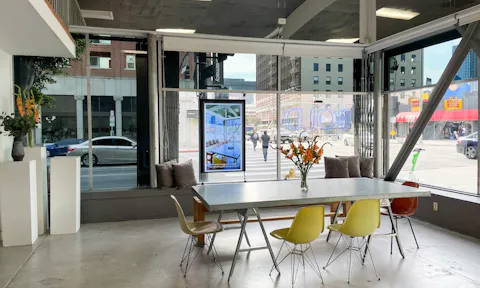

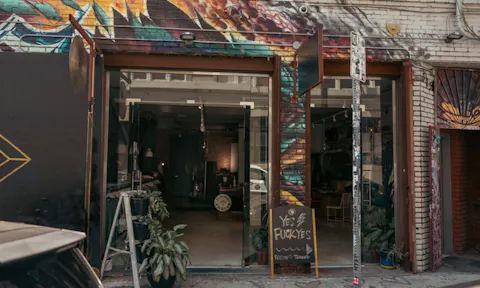
- Flexible retail spaces in Grand Ave, Los Angeles |
- Flexible retail spaces in Hollywood Boulevard, Los Angeles |
- Flexible retail spaces in Santee St, Los Angeles |
- Flexible retail spaces in South Olive St, Los Angeles |
- Flexible retail spaces in South Spring St, Los Angeles |
- Flexible retail spaces in Venice Blvd, Los Angeles
- Art Studios & Creative Spaces in Downtown Los Angeles |
- Cheap Space in Downtown Los Angeles |
- Cheap Storefront in Downtown Los Angeles |
- Corporate Event Venue in Downtown Los Angeles |
- Fashion Week Showroom in Downtown Los Angeles |
- Fitting Rooms in Downtown Los Angeles |
- Shopping Mall Space & Shopping Centre Space in Downtown Los Angeles |
- Small Storefront in Downtown Los Angeles |
- Storefront With Kitchen in Downtown Los Angeles
Why rent a Retail store in Downtown, Los Angeles?
Choosing the right location for retail success is paramount, especially in a bustling urban environment like Downtown Los Angeles. The city is known for its vibrant commercial activity, rich cultural history, and a diverse population that creates a unique shopping experience. Renting a retail space in this area offers several advantages that can significantly benefit your brand.
One of the primary benefits of renting a retail store is the access to consistent foot traffic. Downtown Los Angeles attracts both locals and tourists, funneling a constant stream of potential customers past your storefront. This natural visibility can lead to increased sales opportunities as customers are more likely to stop in when they see your store. Moreover, being near important companies and well-known brands enhances your business’s prestige and credibility, putting you within reach of clientele who appreciate shopping in established commercial hubs.
The opportunity to build a brand presence in a targeted area is another compelling reason to rent a retail space in Downtown Los Angeles. This vibrant district is home to many attractions and historical monuments, which not only enhance the shopping environment but also create a compelling narrative around your brand. By positioning your retail store in a culturally rich area, you can connect directly with customers who value experiences and storytelling, making your products more appealing.
Strategically placing your retail business in a lively commercial area offers a multitude of advantages. Better visibility translates into increased sales potential, which is crucial for sustaining growth in a competitive marketplace. Additionally, being in close proximity to other businesses creates invaluable networking opportunities. Collaborations with nearby shops, restaurants, and service providers can drive even more traffic to your location, allowing you to leverage the strengths of a community-minded marketplace.
Furthermore, renting a retail store in Downtown Los Angeles provides flexibility and scalability to your business model. This allows you to test different concepts and product lines without the long-term commitment of purchasing property. It presents a risk-managed approach that encourages innovation and adaptation in a rapidly changing retail landscape. You can easily adjust your space rental duration to align with your business needs, whether that means booking for days, weeks, months, or even years.
In conclusion, renting a retail space in Downtown Los Angeles offers numerous benefits that can enhance your business strategy. From accessing significant foot traffic and establishing a strong brand presence to benefiting from increased visibility and networking opportunities, the advantages of retail spaces are clear. This approach not only supports growth but also enables you to test and refine your concepts before making substantial investments. With the right location, your business can flourish in one of the most dynamic areas of the city.
How much does it cost to rent a Retail store in Downtown, Los Angeles?
Understanding retail rental costs is crucial for brands looking to establish a presence in competitive markets. One of the most sought-after locations is Downtown Los Angeles, known for its vibrant atmosphere and high foot traffic. However, the cost to lease a shop in this area can vary significantly based on various factors.
In Downtown Los Angeles, retail store rental prices can range from $3 to $10 per square foot, depending largely on the specific location within the district. For instance, properties in busy areas such as the Arts District or near major attractions like the Staples Center tend to command higher rents. In contrast, spaces located a bit further away from main tourist and business hubs may be more affordable, with prices potentially dropping to $2 per square foot.
Several factors influence these rental prices. Location is perhaps the most significant variable; prime areas with high visibility and accessibility will naturally cost more. Store size also plays a critical role, as larger spaces will typically incur higher costs. In terms of foot traffic, locations with steady pedestrian flow often justify higher rental prices due to increased potential sales opportunities. Additionally, market demand can fluctuate based on economic conditions, with high demand in booming periods driving prices up.
The past few years have seen fluctuations in retail rent costs in various locations across the United States. For instance, rental prices in major metropolitan areas like New York City and San Francisco can reach upwards of $30 per square foot, while suburban areas may average between $1 and $3 per square foot. Generally, businesses considering Downtown Los Angeles should be prepared for competitive pricing reflective of the city’s overall demand and desirability as a retail hub.
It is also essential to consider additional costs when budgeting for a retail space. Utilities can add a significant amount to monthly expenses, often ranging from $200 to $1,000 depending on usage and size. Security deposits typically amount to one or two months’ rent, providing landlords assurance against potential damages or unpaid rent. Taxes, which can vary widely based on property value, can increase the overall expenditure further. Maintenance fees must also be factored in, as they cover repairs and upkeep of the building, which can add hundreds more to monthly costs.
When planning to rent a retail store in Downtown Los Angeles, there are several actionable tips to keep in mind. First, set a realistic budget that considers not just the rent but also all associated costs. Second, compare options extensively; many neighborhoods offer different advantages, and conducting thorough research can lead to more favorable leases. Finally, consulting local experts, including real estate agents familiar with the area, can provide insights that are not readily available to the average business owner.
Understanding the comprehensive landscape of retail rental costs is essential for making informed decisions. With careful planning and consideration of the factors influencing retail rental prices, brands can strategically position themselves for success in the competitive market of Downtown Los Angeles.
Benefits of leasing a Retail store in Downtown, Los Angeles?
Benefits of Leasing a Retail Store in Downtown, Los Angeles
Leasing commercial spaces, particularly retail stores in highly sought-after areas like Downtown Los Angeles, presents a cost-effective and flexible solution for businesses looking to establish a presence without the financial burden of purchasing property. Opting for leasing allows entrepreneurs and companies to invest capital in their operations rather than tying it up in real estate. According to recent studies, areas known for their vibrancy and foot traffic can command purchase prices in the millions, making leasing an attractive alternative for many businesses.
One of the primary benefits of leasing is access to high-demand locations that would typically be unaffordable for many companies. Downtown Los Angeles, with its bustling environment, diverse population, and proximity to cultural landmarks, offers an ideal setting for retail ventures. Leasing a store location enables businesses to benefit from the area's high visibility and foot traffic, which are crucial for driving sales.
Scalability is another significant advantage of leasing commercial spaces. For growing businesses, having the option to expand or downsize based on fluctuating needs is invaluable. Retail environments can change rapidly, and leasing provides the flexibility to adapt without the constraints associated with property ownership. Businesses can lease additional space as they grow or relocate to a different area when strategic changes are necessary, allowing for continuous evolution and growth.
Moreover, many leases include maintenance and infrastructure support from landlords, alleviating the burden on businesses to manage these responsibilities. This support can be particularly beneficial for new retailers that may not have the expertise or resources to handle repairs or upgrades. By minimizing operational worries, owners can focus on building their brand and enhancing the customer experience.
When it comes to event spaces, the flexibility of leasing becomes even more apparent. Businesses can lease venues by the hour or day, with costs ranging widely from about $100 to $10,000 depending on the size, location, and amenities available. This model is perfect for businesses that require temporary spaces for product launches, pop-up shops, or seasonal events without committing to long-term leases.
In conclusion, when considering leasing a retail store in Downtown Los Angeles, it is essential to assess market trends to find the most advantageous location and pricing. Analyzing the total costs associated with the lease, including any potential increases in rent and maintenance obligations, is vital for ensuring financial viability. Finally, aligning the lease terms with specific business goals will facilitate a successful venture in this dynamic marketplace. Understanding the benefits of leasing spaces can provide the necessary foundation for success while allowing businesses to focus on their core operations rather than on the complexities of property ownership.
What are the most popular neighborhoods for renting a Retail store in Downtown, Los Angeles?
When considering options for renting a retail store in Downtown Los Angeles, understanding the local culture, demographics, and market trends is paramount for a successful venture. Different types of businesses and events find their niches in specific areas, each neighborhood offering distinct advantages based on its unique character and audience.
Downtown Los Angeles is a vibrant and diverse hub, with neighborhoods varying in purpose. Creative hubs like the Arts District are ideal for showrooms and galleries, attracting a clientele that appreciates innovative designs and artistic expressions. The area is characterized by a blend of old warehouses converted into trendy spaces, where foot traffic can reach upwards of 1,500 people on weekends. High-end districts, such as Bunker Hill, cater to luxury retail, attracting affluent shoppers drawn to upscale shops and fine dining. This area sees consistent foot traffic due to its proximity to cultural landmarks, including the Walt Disney Concert Hall and The Broad museum.
For businesses focused on events and gatherings, warehouse districts such as Little Tokyo provide ample space with a unique cultural flair. This neighborhood not only boasts a rich heritage but also serves as a gathering point for local festivals and events, making it valuable for attracting large crowds. Foot traffic in this area can average around 2,000 visitors during peak events.
The significance of nearby landmarks cannot be understated. Locations close to shopping streets, universities, or business centers tend to drive consistent traffic, creating an ideal environment for retail operations. For instance, areas near Pershing Square and the Financial District can offer a mix of daily foot traffic from office workers as well as weekend shoppers looking for unique offerings.
When evaluating neighborhood profiles for renting spaces, it is essential to assess not only the aesthetics and vibe but also the potential customer base. Balancing location costs with expected returns is crucial. Premium locations often come with higher rents, but if they attract significant foot traffic and align with your target demographic, the investment can yield substantial rewards.
Popular streets for businesses in Downtown Los Angeles include 7th Street, known for its bustling shopping scene, and Broadway, which is home to a mix of retail and entertainment options. In addition, Main Street offers a blend of dining, shopping, and lifestyle experiences that attract a diverse crowd.
In summary, choosing the right neighborhood for a retail store in Downtown Los Angeles is a crucial decision. By understanding local dynamics and their implications, businesses can strategically position themselves for success in a bustling urban landscape. Prioritizing top neighborhoods with high visibility and foot traffic will maximize the advantages of commercial leases and ensure a thriving retail presence.
Steps involved in planning a Retail store in Downtown, Los Angeles
Planning a retail store in Downtown Los Angeles requires a strategic approach to ensure success. The first step is identifying the purpose of the space. Understand whether you are creating a flagship store, a pop-up experience, or a seasonal shop. This clarity will help shape your decisions moving forward. Next, it’s essential to understand your target audience. Research demographic information about the area to tailor your offerings to the preferences and needs of potential customers.
Setting a realistic budget is crucial. Factor in costs for leasing the space, renovations, inventory, marketing, and hiring staff. Preparing your inventory based on your market research will ensure that you meet demand while minimizing excess stock. Equally important is to invest time in marketing and promotion to generate excitement around your opening. Utilize social media, local events, and partnerships to spread the word.
Hiring staff should align with your brand ethos and the level of service you aim to provide. Training your team to deliver a consistent and engaging customer experience can significantly enhance brand loyalty. Creating an immersive experience for customers is vital, especially in a competitive market. Consider elements like store layout, interactive displays, and sensory details to captivate visitors.
Security for payment transactions is non-negotiable; implementing secure payment processing systems protects both your business and your customers. Following the opening, analyze the data gathered from sales and customer interactions to make informed decisions about inventory, marketing strategies, and staffing needs.
Conducting thorough market research is essential in evaluating demand and competition across different neighborhoods in Downtown Los Angeles. This research will guide you in selecting the best locations for commercial spaces that align with your goals. Accessibility to public transportation and nearby amenities, such as restaurants and shopping, can significantly influence foot traffic and overall success. Consider factors like parking availability, safety, and visibility when choosing a location.
Consulting local real estate experts is beneficial when navigating the leasing landscape. Their insights into the market and neighborhood trends can help identify prime locations. Reviewing lease agreements in detail is crucial to ensure favorable terms and conditions. Aligning your location choices with your business goals will bolster your chances of success in this vibrant urban environment. By focusing on these steps to plan a retail store, entrepreneurs can effectively position themselves for business growth in Downtown Los Angeles.
How long should you rent a Retail store in Downtown, Los Angeles to achieve your goals?
When considering how long to rent a retail store in Downtown Los Angeles, it's crucial to understand that the optimal lease length depends on the type of business, its goals, and the intended use of the space. Different businesses operate under various conditions and with distinct objectives. For instance, pop-up shops or temporary events typically benefit from short-term leases that range from a few days to a year. These shorter timeframes enable businesses to test new markets, engage customers, or take advantage of seasonal trends without the burden of long-term commitments.
On the other hand, longer leases, usually extending from three to five years, are ideal for businesses seeking stability and customer familiarity. A longer lease provides an opportunity to build a loyal customer base and establish a strong presence in the community. This approach can also facilitate better planning for inventory, staffing, and marketing efforts, ensuring that the business is well-prepared for future growth.
In today's dynamic market, flexible lease options are increasingly common, allowing businesses to adapt without the constraints of long-term leases. This flexibility is beneficial for businesses that need to pivot quickly in response to changing consumer demands or economic conditions. It allows for strategic planning of rental timelines to achieve success.
When deciding on lease duration, it's essential to evaluate business goals and understand market trends. Consider how the chosen length aligns with your objectives. For instance, if your goal is to launch a new concept or brand quickly, a shorter lease may be more suitable. Conversely, if your focus is on establishing a long-term relationship with customers and solidifying a brand identity, a longer lease may be the better option.
Consulting lease agreements carefully will also help ensure that the rental duration matches your business's needs. Be clear on renewal options, exit clauses, and any conditions that could affect your operations. By thoughtfully considering rental duration for commercial spaces, you can make informed decisions that enhance your business's success in Downtown Los Angeles.
How can xNomad help your brand successfully launch a Retail store in Downtown, Los Angeles?
Launching a retail store in a bustling urban environment like Downtown Los Angeles can be both exciting and challenging for brands. To navigate this dynamic landscape, partnering with a trusted pop-up retail partner such as xNomad is essential. xNomad specializes in creating innovative and memorable retail experiences, providing end-to-end retail solutions tailored to brands looking to establish a presence in this thriving market.
One of xNomad’s standout qualities is its ability to bridge the gap between brands and landlords. As a full-service agency, xNomad offers versatile and flexible services that make the process of securing a location seamless. Their expertise in location scouting ensures that brands find the perfect spot to capture their target audience’s attention. With their deep understanding of the local market in Downtown Los Angeles, xNomad can identify locations that not only align with the brand's identity but also maximize visibility and foot traffic.
In addition to location scouting, xNomad excels in concept design and marketing. They work closely with brands to develop a unique retail concept that resonates with consumers, ensuring that storefronts stand out in a competitive market. From the initial design phase to the implementation of marketing strategies, xNomad facilitates an integrated approach that makes launching a retail store straightforward and effective.
What truly sets xNomad apart is its commitment to trust, innovation, and simplicity. With a focus on delivering move-in-ready spaces, xNomad provides comprehensive services, including design, furnishing, and staffing. This all-inclusive support allows brands to concentrate on their sales goals and customer engagement rather than logistical challenges. The convenience of booking spaces for days, weeks, months, or years allows brands to scale their presence as needed, making their approach both flexible and strategic.
xNomad’s global presence is another asset for brands looking to expand locally or internationally. Their extensive partnership network is dedicated to revitalizing urban areas through unique pop-up experiences, driving foot traffic, and generating buzz. By collaborating with trusted global brands, xNomad has built a proven track record in delivering successful retail activations that captivate audiences and foster community connections.
In summary, choosing xNomad to help launch a retail store in Downtown Los Angeles ensures that brands receive unparalleled support throughout the entire process. Their commitment to fostering relationships between brands and landlords combines with their innovative solutions and excellent communication to create exceptional results. xNomad remains devoted to connecting brands with perfect spaces to maximize their potential and build memorable experiences in one of the most vibrant urban centers in the world.
FAQ
Q: How can businesses maximize foot traffic when renting a retail store in Downtown Los Angeles?
A: To maximize foot traffic, businesses should choose locations near popular attractions and high-traffic areas. Being close to landmarks or busy streets increases visibility and customer flow. Collaborating with nearby businesses for joint promotions can also enhance foot traffic. For example, a store near the Staples Center might see increased visitors during events.
Q: What factors should influence the decision to lease versus buy a retail space in Downtown Los Angeles?
A: Leasing offers flexibility and lower upfront costs, making it ideal for testing markets or short-term projects. Buying provides long-term stability and potential property appreciation. Consider financial capacity, business goals, and market conditions. A startup might lease to conserve capital, while an established brand may buy for long-term investment.
Q: How does the seasonality of Downtown Los Angeles impact retail store success?
A: Seasonality affects foot traffic and sales, with peak periods during holidays and events like Black Friday. Retailers should align marketing and inventory strategies with these trends. For instance, a store might stock more during the holiday season to capitalize on increased shopping activity.
Q: What are the potential risks of renting a retail space in Downtown Los Angeles?
A: Risks include fluctuating rental costs, economic downturns affecting sales, and competition from nearby stores. Legal challenges may arise from lease agreements or zoning laws. Businesses should conduct thorough market research and consult legal experts to mitigate these risks.
Q: How does xNomad assist in finding the ideal retail location in Downtown Los Angeles?
A: xNomad helps brands find prime retail locations by leveraging its expertise in location scouting and market analysis. They offer flexible leasing options and support with design and marketing, ensuring brands capture their target audience effectively. This service is ideal for businesses seeking a seamless entry into the market.
Q: What are the hidden costs associated with renting a retail store in Downtown Los Angeles?
A: Hidden costs can include utilities, maintenance fees, security deposits, and property taxes. These expenses vary based on location and lease terms. For example, a store in a high-demand area might incur higher utility costs due to increased foot traffic.
Q: How can a brand effectively market a new retail store in Downtown Los Angeles?
A: Effective marketing involves leveraging social media, local events, and partnerships to build awareness. Engaging with the community through promotions or collaborations can enhance visibility. A brand might host a launch event with local influencers to attract initial foot traffic.
Q: What is the ideal lease length for a pop-up store in Downtown Los Angeles?
A: The ideal lease length for a pop-up store ranges from a few days to a few months, depending on the event or season. Short-term leases allow brands to test concepts and engage with customers without long-term commitments. A holiday-themed pop-up might lease for two months to cover the festive season.
Q: How do neighborhood dynamics in Downtown Los Angeles affect retail store performance?
A: Neighborhood dynamics, such as demographics and local culture, influence customer preferences and sales. Areas like the Arts District attract creative clientele, while Bunker Hill draws luxury shoppers. Understanding these dynamics helps tailor offerings and marketing strategies.
Q: What are the benefits of using xNomad for launching a pop-up store in Downtown Los Angeles?
A: xNomad offers end-to-end solutions, from location scouting to marketing support, simplifying the launch process. Their expertise ensures brands find optimal spaces and create impactful retail experiences. This service is beneficial for brands seeking to quickly establish a presence in a competitive market.
Q: What is a pop-up shop and how does it work in Paris 7e 75007?
A: A pop-up shop is a temporary retail space that allows businesses to showcase products or services for a limited time. It typically operates for a few days to several weeks, attracting customers with unique experiences. For instance, brands can use pop-up shops in busy areas of Paris 7e 75007 to test market demand.
Q: How do I find pop-up retail space near me in Paris 7e 75007?
A: You can find pop-up retail spaces in Paris 7e 75007 through online platforms like xNomad or local real estate listings. These resources often provide details on available properties, pricing, and rental terms. Checking social media or local business groups can also reveal opportunities.
Q: What types of spaces are available for pop-up shops in Paris 7e 75007?
A: In Paris 7e 75007, pop-up shops can be located in various spaces such as boutiques, empty storefronts, community centers, or event spaces. These locations can vary from small, intimate settings to larger spaces suitable for big events. The versatility allows brands to choose what fits their project type.
Q: How far in advance should I book a pop-up space in Paris 7e 75007?
A: It's advisable to book a pop-up space in Paris 7e 75007 at least 4 to 8 weeks in advance. This lead time helps ensure you secure a desirable location and allows for necessary preparations. Popular areas can fill up quickly, making early reservations essential for a successful event.
Q: Can I rent a pop-up space for just one day or one weekend in Paris 7e 75007?
A: Yes, it is possible to rent a pop-up space for just one day or one weekend in Paris 7e 75007. Many venues offer flexible rental terms to accommodate short-term projects or events. For example, some galleries and retail spaces may provide daily rates tailored for quick activations.
Q: Do I need a permit to run a pop-up shop in Paris?
A: Yes, a permit is typically required to operate a pop-up shop in Paris. Permits ensure that businesses comply with local regulations and zoning laws. It's advisable to check with local authorities for specific requirements related to your location and business type.
Q: How do I obtain a pop-up shop permit in Paris?
A: To obtain a pop-up shop permit in Paris, you should contact your local mairie (town hall) or the relevant municipal office. You may need to complete an application and provide information on your business activities and the location. Each arrondissement may have its own rules.
Q: How long does it take to get a pop-up shop permit in Paris?
A: The timeline to obtain a pop-up shop permit in Paris can vary, but it generally takes anywhere from a few days to several weeks. Factors affecting timing include the completeness of your application and the specific requirements of local authorities.
Q: Can I operate a pop-up shop without a permit in Paris?
A: No, you cannot legally operate a pop-up shop in Paris without a permit. Operating without the necessary permits can result in fines or closures by local authorities. Always check local regulations to avoid legal issues.
Q: Do I need insurance for a pop-up shop in Paris?
A: Yes, obtaining insurance for your pop-up shop in Paris is advisable. Insurance protects against potential liabilities such as accidents or damages within your shop. Many locations may even require proof of insurance before granting a permit.
Q: Are there any specific permit requirements I should know about before booking a space in Paris?
A: Yes, you should be aware of specific permit requirements such as the type of business you will run and the intended duration of your pop-up shop. Each arrondissement in Paris may have different regulations, including health and safety standards.
Q: Does the venue handle permits, or is that my responsibility in Paris?
A: It is usually your responsibility to handle permits for your pop-up shop in Paris. However, some venues may offer assistance or guidance during the permitting process. Be sure to clarify the venue's policy before booking your space.
Q: What are some creative display ideas for a pop-up shop in Paris?
A: Use vertical displays and unique props to create an engaging atmosphere. Incorporating elements like hanging plants or bold signage can draw attention and invite customers in. For instance, a colorful mural backdrop can serve as both decor and a photo op.
Q: How can I design an eye-catching pop-up stand on a budget in Paris?
A: Utilize DIY solutions like upcycled materials and local artistry to create a standout look without overspending. Simple items like pallets or scaffolding can be transformed into stylish stands. A well-painted old furniture piece could serve as an affordable focal point.
Q: How do I make my pop-up shop social media friendly in Paris?
A: Designate an Instagram-worthy corner with striking visuals and branded hashtags. Incorporate neon signs or art installations that encourage photography. For instance, a colorful flower wall can boost your shop’s online presence while encouraging attendees to share their experience.
Q: What are some pop-up shop table display ideas in Paris?
A: Use layered textures and heights to create visually appealing table displays. Incorporating rustic wood crates or elegant tablecloths can enhance the presentation. Adding curated product groupings with signage can lead to easier customer navigation and engagement.
Q: What are the most trending pop-up shop display ideas right now in Paris?
A: Sustainable and eco-friendly materials are trending, alongside minimalist designs that focus on highlighting products. Additionally, interactive displays, such as touch screens or samples, can engage customers. Utilizing local artists for unique setups is also gaining traction.
Q: What furniture or fixtures do I need to set up a pop-up shop in Paris?
A: Essential items include tables, shelving units, and display racks, which can be rented or bought cheaply. Portable furnishings are ideal for flexible layouts, while signage and lighting enhance visibility. Opt for versatile furniture that can adapt to different layouts for various events.
Q: What are the first steps to starting a pop-up shop in Paris 7th arrondissement for a retail project?
A: The initial steps involve defining your target market and concept, sourcing products or services, and determining your budget. It's essential to establish a clear vision and plan for your pop-up to attract customers effectively. Additionally, securing the necessary permits and selecting the right duration for your event is crucial. For example, xNomad can assist in finding ideal spaces and resources.
Q: Do I need a business plan for a pop-up shop in Paris 7th arrondissement for a retail project?
A: Yes, a business plan is important for a pop-up shop as it outlines your marketing strategy, financial projections, and operational structure. It helps clarify your goals and ensures you're prepared for unforeseen challenges. A well-structured plan can also assist in securing funding or partnerships. For instance, a detailed plan can help attract investors to support your venture.
Q: What should I look for when choosing a pop-up shop location in Paris 7th arrondissement for a retail project?
A: When selecting a location, prioritize foot traffic, visibility, and accessibility. Ideally, the spot should align with your target audience and complement your brand identity. Additionally, consider the rental cost and potential competition in the area. For example, a location near popular attractions can significantly enhance customer engagement.
Q: What are the key benefits of running a pop-up shop in Paris 7th arrondissement for a retail project?
A: Key benefits include increased brand exposure, the ability to test new markets, and lower overhead costs compared to traditional retail spaces. Pop-up shops create a sense of urgency and excitement, encouraging rapid customer engagement. For instance, successful pop-ups in vibrant neighborhoods can boost online sales and drive brand loyalty.
Q: What are the best practices for a construction project in Paris?
A: Best practices for a construction project in Paris include thorough planning and adherence to local regulations. Engaging experienced local contractors ensures compliance with stringent safety and environmental standards. Additionally, regular communication with city officials can help mitigate delays and potential legal issues.
Q: How can I secure permits for a renovation project in Paris?
A: To secure permits for a renovation project in Paris, one must submit a comprehensive application detailing the proposed changes to the local town hall. This process includes providing architectural plans and complying with historical preservation guidelines if applicable. Engaging a professional familiar with the local system can expedite approvals.
Q: What are the risks associated with a demolition project in Paris?
A: Risks associated with a demolition project in Paris include structural hazards, potential damage to adjacent properties, and regulatory non-compliance. Ensuring safety measures are in place, such as protective barriers and dust control, is crucial to minimizing these risks. For example, consulting with experienced demolition firms can provide valuable insights into safe practices.
Q: What should I consider when planning a pop-up shop for my brand in Paris 7th arrondissement?
A: You should consider location, target audience, and budget for a pop-up shop project. Choosing a high-traffic area that aligns with your brand's identity can significantly impact footfall. Additionally, ensuring that your budget accommodates various logistics, permits, and marketing is crucial. For example, a tourist-heavy area might increase visibility for a fashion brand.
Q: How do I choose the right pop-up format for my brand in Paris 7th arrondissement for a pop-up shop project?
A: To choose the right pop-up format, evaluate your brand's goals and audience in Paris 7th arrondissement. A market stall is great for artisanal products, while a storefront offers a more immersive experience. Depending on the target demographic, different formats can attract the right customers and enhance brand experience. For instance, high-end brands might benefit from a premium storefront.
Q: What are the most common mistakes first-time pop-up operators make in Paris 7th arrondissement for a pop-up shop project?
A: Common mistakes include underestimating costs, neglecting marketing, and not engaging with customers in Paris 7th arrondissement. Many first-time operators fail to budget for unexpected expenses or do insufficient promotion, leading to low traffic. Additionally, not actively interacting with potential clients can result in missed opportunities. Research shows that well-engaged customers tend to spend more.
Q: What are the best locations and setups for outdoor pop-up shops in Paris 7th arrondissement for a retail project?
A: Ideal locations for outdoor pop-up shops in Paris 7th arrondissement include busy marketplaces like Rue Cler and parks such as the Champ de Mars. Setups should be visually appealing and functional, with easy access for foot traffic. Providing attractive displays and engaging promotions can enhance customer interaction. For instance, positioning near popular attractions can increase visibility and sales.
Q: How do I run a pop-up shop outside or on a trail/market route in Paris 7th arrondissement for a dining experience project?
A: To run a successful outdoor pop-up shop in Paris 7th arrondissement for a dining experience, choose high-traffic areas and comply with local regulations for permits. Prepare to manage logistics such as food safety and waste disposal. Offering samples and collaborating with local events can draw more visitors. For example, setting up near the Eiffel Tower could attract both locals and tourists.
Q: What should I consider when doing a pop-up shop at an outdoor event in Paris 7th arrondissement for an art project?
A: When planning a pop-up shop at outdoor events in Paris 7th arrondissement for an art project, consider foot traffic, weather conditions, and the target audience. Ensure your setup allows for comfortable viewing and interaction with your art pieces. Networking with other local artists and vendors can also increase visibility. Participating in events like Paris Art Fair could enhance your reach and engagement.
Q: What equipment do I need for a pop-up coffee shop project in Paris?
A: You will need coffee brewing equipment, grinders, a commercial espresso machine, and a mobile cart or table for serving. Additionally, don’t forget essentials like cups, napkins, and signage. Having a reliable power source is also crucial. For example, a portable generator can be helpful if you’re in an outdoor location with limited access to electricity.
Q: What are the best locations for a pop-up coffee shop project in Paris?
A: Ideal locations include busy pedestrian areas, parks, or near popular tourist attractions like the Eiffel Tower. You could also consider collaborating with local businesses or events. For instance, setting up in a local market can attract a diverse crowd and draw in coffee enthusiasts.
Q: How do I promote a pop-up coffee event on social media for a project in Paris?
A: Utilize platforms like Instagram and Facebook by sharing engaging visuals of your setup and offering promotions to encourage attendance. Create an event page, use relevant hashtags, and collaborate with local influencers to spread the word. For example, starting a countdown on social media can generate buzz and anticipation.
Q: How do I start a successful pop-up coffee shop project in Paris?
A: Begin by creating a solid business plan that outlines your target audience, menu, and pricing strategy. Secure necessary permits and find a suitable location that aligns with local foot traffic. Partnering with xNomad can also provide invaluable resources and networks for a smoother launch.
Découvrez nos espaces Scopri i nostri spazi Ontdek onze ruimtes 探索我们的空间