- 1Projects


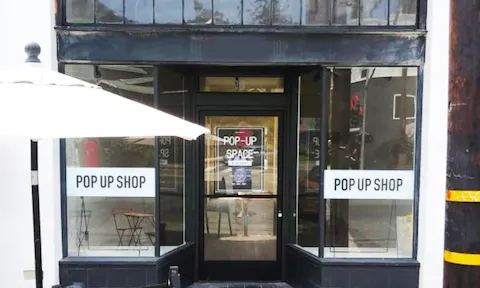

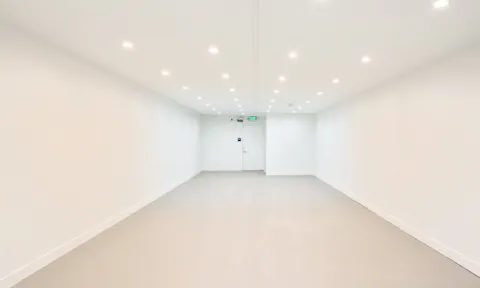
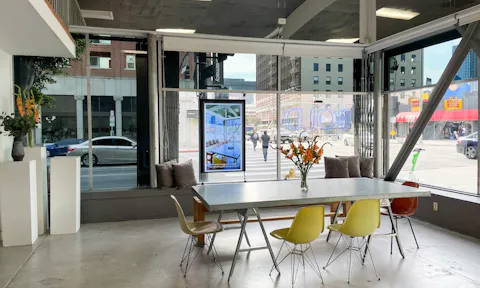
- Flexible retail spaces in Chinatown, Los Angeles |
- Flexible retail spaces in Downtown Los Angeles |
- Flexible retail spaces in Echo Park, Los Angeles |
- Flexible retail spaces in Fashion District, Los Angeles |
- Flexible retail spaces in Hollywood Hills, Los Angeles |
- Flexible retail spaces in Hollywood, Los Angeles |
- Flexible retail spaces in Sherman Oaks, Los Angeles |
- Flexible retail spaces in Silver Lake, Los Angeles |
- Flexible retail spaces in Venice Beach, Los Angeles
- Art Studios & Creative Spaces in Los Angeles |
- Cheap Space in Los Angeles |
- Cheap Storefront in Los Angeles |
- Corporate Event Venue in Los Angeles |
- Fashion Week Showroom in Los Angeles |
- Fitting Rooms in Los Angeles |
- Shopping Mall Space & Shopping Centre Space in Los Angeles |
- Small Storefront in Los Angeles |
- Storefront With Kitchen in Los Angeles
Why rent a Retail store in Los Angeles, United States?
Choosing the right location for retail success cannot be overstated, especially in a vibrant city like Los Angeles. The significance of location extends beyond mere geography; it encompasses the opportunity to tap into foot traffic, attract customers through strategic visibility, and create a lasting brand presence. As brands seek to establish themselves in target markets, the advantages of renting a retail space become increasingly compelling.
Renting a retail space in Los Angeles offers a myriad of benefits, chief among them being access to high foot traffic areas. With millions of residents and tourists alike, the city is a bustling hub of consumer activity. This constant influx of potential customers presents an invaluable opportunity for brands to gain exposure and drive sales. Additionally, being near important companies and well-known brands can enhance credibility and draw in clientele who are already engaged in a shopping environment.
Los Angeles is peppered with historical monuments and cultural landmarks, further enriching the shopping experience. These iconic locations not only attract visitors but also provide a unique backdrop for retail operations, adding to the allure of your brand. The visibility afforded by a prime retail location helps build a brand presence in a targeted area, making it easier to connect directly with customers. When consumers can see and engage with your brand in person, it fosters a deeper connection that online shopping cannot replicate.
The strategic advantages of establishing a retail presence in a vibrant commercial area are manifold. Being situated in such locations enhances visibility, which directly correlates to increased sales potential. Moreover, the ambiance and energy of a bustling area can inspire creativity and innovation within your business. Networking opportunities abound when surrounded by other businesses, offering potential collaborations and partnerships that can further amplify your brand’s reach.
Furthermore, renting a retail store offers unmatched flexibility and scalability. This model allows businesses to test concepts and evaluate their viability without the heavy financial burden of a long-term lease. By renting on terms of days, weeks, months, or even years, brands can adapt quickly to market demands and consumer trends. This flexibility is essential for businesses looking to experiment with new products or marketing strategies while minimizing risk.
In conclusion, renting a retail store in Los Angeles presents a remarkable opportunity for brands aiming to tap into the potential of dynamic consumer markets. The benefits of retail store rental—such as access to foot traffic, enhanced visibility, and networking opportunities—position businesses for success. The adaptability of this model allows organizations to experience growth and change while maintaining a solid connection with their customers. The question is not just why rent a shop, but rather how quickly can you capitalize on the advantages that a prime retail space can offer.
How much does it cost to rent a Retail store in Los Angeles, United States?
Understanding retail rental costs is essential for any business planning to establish a physical presence, especially in a dynamic market like Los Angeles. The cost to lease a shop can significantly impact budgeting, marketing strategies, and overall business viability. With the right knowledge, businesses can make informed decisions that align their financial capabilities with their operational goals.
In Los Angeles, rental prices can vary dramatically based on several factors, including location, store size, foot traffic, and market demand. For instance, prime retail spaces in bustling areas like Rodeo Drive in Beverly Hills can demand upwards of $500 per square foot annually, making it one of the most expensive locations in the nation. In contrast, a retail space in more suburban areas like the San Fernando Valley may cost around $30 to $50 per square foot annually. This significant disparity between city center and suburban rentals underscores the importance of choosing the right location for your business.
Foot traffic is another critical factor affecting retail rental costs. High-traffic zones typically charge premium prices due to their visibility and accessibility. For example, spaces on prominent streets like Melrose Avenue may command rates higher than those in less frequented areas. Market demand also plays a crucial role. During peak seasons, such as holiday shopping periods, rental prices can swell as retailers vie for the best spots to attract customers. Conversely, economic downturns may lead to increased vacancies, eventually lowering rental rates.
In addition to base rental costs, prospective tenants should be aware of additional expenses that can significantly affect their overall budget. Utilities, which can include water, electricity, and internet services, often add between 20 to 30 percent to monthly expenses. Furthermore, landlords may require a security deposit, typically equivalent to the first month’s rent, to safeguard against potential damages. Taxes and maintenance fees also contribute additional financial considerations that should be factored into the total rental budget.
To navigate the complexities of retail rental costs effectively, it is advisable to set a realistic budget that accounts for all potential expenses. Comparing various options is crucial, as doing so can yield surprising opportunities that may otherwise be overlooked. Consulting local experts such as real estate agents who specialize in commercial leases can provide valuable insights into market trends and pricing, ensuring that businesses make strategic decisions tailored to their specific needs.
Understanding the nuances of retail store rental prices in Los Angeles can empower businesses to confidently explore prime opportunities. By evaluating location specifics, acknowledging additional fees, and taking a proactive approach to budgeting and consulting, brands can secure the right space that complements their vision and enhances their potential for success.
Benefits of leasing a Retail store in Los Angeles, United States?
Benefits of Leasing a Retail Store in Los Angeles, United States
Leasing a retail store can be an incredibly cost-effective and flexible solution for businesses and individuals seeking to establish a presence in a competitive market like Los Angeles. With its vibrant culture and diverse consumer base, the city offers significant opportunities for retail ventures. In an era where strategic financial planning is crucial, leasing allows businesses to conserve capital while accessing high-demand commercial spaces without the burden of a hefty purchase price. Consider that prime retail locations in Los Angeles can cost millions to buy outright, making leasing an attractive alternative for emerging brands and entrepreneurs.
One of the key benefits of leasing commercial spaces is the access it provides to high-demand areas. In a city as popular as Los Angeles, securing a location on a bustling street can be a game changer. Leases allow you to inhabit premium locations that might otherwise be financially out of reach, enabling you to attract foot traffic and drive sales. This ability to secure top-notch real estate without a long-term financial commitment is particularly invaluable in a city where the retail landscape is continually evolving.
Leasing also offers scalability for growing businesses. As your operations expand, you may require more space or may want to test out new markets. Leasing commercial space allows for a more flexible approach to growth. You can start with a smaller footprint and adjust your lease as your needs evolve, whether that means moving to a larger space or securing additional locations to capture more customers. This adaptability can be a vital component of a business strategy, especially in a fast-paced market like Los Angeles.
Another advantage of many leases, especially in commercial real estate, is the inclusion of maintenance and infrastructure support. Many landlords take responsibility for property upkeep and repairs, which alleviates one of the many burdens faced by business owners. This support allows you to focus on running your business rather than worrying about the logistics of maintaining your retail space.
Furthermore, leasing options extend to short-term needs as well, particularly for event spaces. In Los Angeles, businesses can lease these spaces hourly or daily, with costs typically ranging from $100 to $10,000, depending on size and amenities. This flexibility is ideal for brands looking to host pop-up events, product launches, or seasonal promotions without the long-term commitment of a typical retail lease.
To maximize the benefits of leasing commercial spaces, it is essential to assess market trends and conduct thorough research. Understanding the dynamics of your target area can provide insights into customer behavior and competition. Calculate total costs associated with leasing, including hidden fees and required deposits, to ensure that your budget aligns with your financial goals. Finally, align the terms of the lease with your specific business strategy to ensure that it suits your long-term objectives.
In summary, leasing a retail store in Los Angeles offers significant benefits, such as access to prime locations, scalability for growing businesses, and reduced maintenance responsibilities. With the right approach to leasing, businesses can thrive in one of the most dynamic retail environments in the country.
What are the most popular neighborhoods for renting a Retail store in Los Angeles, United States?
When considering the most popular neighborhoods for renting a retail store in Los Angeles, it's essential to understand how different types of businesses and events thrive based on local culture, demographics, and market trends. Each neighborhood has its unique flavor, influencing the types of retail experiences they can support. For instance, areas that serve as creative hubs may naturally be better suited for showrooms and pop-up galleries. On the other hand, high-end districts attract luxury retail brands which capitalize on affluent customer bases and premium shopping experiences. Meanwhile, warehouse districts often transform into dynamic event venues, catering to a variety of experiences from immersive art exhibits to unique brand activations.
The significance of nearby landmarks cannot be overstated as they play a crucial role in driving consistent foot traffic. Shopping streets like Melrose Avenue and Rodeo Drive are consistently bustling with visitors, while areas close to prestigious universities or major business centers often have a steady flow of potential customers. Foot traffic in these high-traffic areas can range from 10,000 to over 30,000 pedestrians daily, depending on the location and time of year. Understanding these dynamics is key to selecting the right retail space.
Evaluating neighborhood profiles involves analyzing the specific characteristics of the area, including demographics, income levels, and consumer behaviors. It's also important to consider the potential return on investment. Balancing location costs with expected returns is pivotal in making the right decision. For businesses seeking exposure, renting a space in prime areas typically yields higher visibility and customer engagement, but it also comes with heightened rental costs.
Some of the most advantageous neighborhoods for retail spaces in Los Angeles include West Hollywood, renowned for its vibrant nightlife and fashion-forward clientele; Santa Monica, which benefits from beach tourism and a strong local shopping community; and Downtown Los Angeles, where a growing number of residents and businesses create a thriving urban environment. Other notable areas include the Arts District, known for its creative spaces and local artists; Silver Lake, which attracts a younger demographic with a penchant for unique, independent brands; and La Brea Avenue, celebrated for its eclectic mix of shops and eateries.
These top neighborhoods for businesses are not just characterized by their positive attributes; they also provide location advantages for commercial leases, including access to public transport, ample parking, and supportive local policies for business growth. Conducting thorough research into each area's market position can help you identify the right space for your retail venture, ensuring it resonates with the targeted audience while maximizing your investment potential.
Steps involved in planning a Retail store in Los Angeles, United States
Planning a retail store in Los Angeles involves several key steps to ensure success in a highly competitive market. The first step is to identify the purpose of the space. Understanding whether your store aims to showcase products, create a unique brand experience, or serve as a hub for community engagement will help shape your overall strategy.
Next, comprehending your target audience is crucial. This involves gathering demographic data and behavioral insights about potential customers in Los Angeles. Knowing who you are serving allows for better product selection, marketing efforts, and customer engagement activities. Following this, setting a realistic budget is essential. This budget should encompass rent, utilities, staff salaries, inventory costs, and marketing expenses.
Preparing your inventory is the next step in the planning process. This involves carefully selecting the right mix of products that not only align with consumer preferences but also fit well within the location's market dynamics. Effective inventory management helps prevent overstock or stockouts, both of which can impact sales.
Marketing and promotion play a significant role in attracting customers to your retail space. Crafting a compelling marketing strategy that encompasses social media, local advertising, and partnerships with local influencers can significantly boost visibility. Hiring the right staff is also essential. Employees who are knowledgeable and passionate about your brand can enhance customer experiences and facilitate sales.
Creating an immersive experience for customers can set your retail space apart from the competition. This includes designing an appealing layout, offering interactive displays, or hosting special events that engage your audience. Additionally, managing payment transactions securely is non-negotiable. Investing in secure payment systems builds trust and ensures a seamless customer experience.
Data analysis is vital for long-term success. Analyzing sales trends, customer preferences, and foot traffic patterns can provide valuable insights that inform future decisions. Conducting market research to evaluate demand and competition in different neighborhoods within Los Angeles is paramount. Understanding the local market landscape assists in identifying the best locations for commercial spaces, where demand aligns with your product offerings.
Accessibility plays a critical role in the success of a retail location. Your chosen space should have convenient access to public transport and be situated near essential amenities, such as restaurants, parking facilities, and other retail outlets. These factors not only enhance customer footfall but also improve the overall shopping experience.
In conclusion, planning a retail store in Los Angeles requires careful consideration of several elements. Consulting with local real estate experts can provide valuable insights into rental prices and market trends. Always review lease agreements thoroughly to understand terms and obligations. Ensure that your location choices align with your business goals to maximize growth potential. Following these actionable tips will help pave the way for a successful retail venture.
How long should you rent a Retail store in Los Angeles, United States to achieve your goals?
When considering how long to rent a retail store in Los Angeles, the optimal lease length largely depends on the type of business, its goals, and the intended use of the space. Different businesses have varying needs; for instance, retail operations or event hosting will require different approaches to rental duration. Short-term leases, which can span from a few days to about a year, are often ideal for pop-up shops and temporary events. These flexible arrangements allow brands to test new markets, engage with customers, or respond to seasonal demand without the financial commitment of a long-term lease.
On the other hand, businesses looking for stability and customer familiarity typically benefit from longer leases, generally ranging from three to five years. Such agreements help establish a consistent brand presence and contribute to building a loyal customer base in a specific location. However, the retail landscape has been evolving, and flexible lease options are becoming increasingly common, giving businesses the ability to adapt to changing market conditions without being tied down by long-term commitments.
When evaluating how long to rent a space, it is essential to align the rental duration with the business's objectives. This means taking into account current market trends, understanding customer behaviors, and assessing growth goals. Carefully consulting lease agreements is also vital to ensure that the terms are flexible enough to support evolving strategies. Whether planning for a short-term event or seeking a long-term retail establishment, the key to success lies in thoughtful planning around rental timelines that correspond to the unique needs and aspirations of the business.
How can xNomad help your brand successfully launch a Retail store in Los Angeles, United States?
Launching a retail store in a vibrant and competitive market like Los Angeles can be a daunting task for any brand. However, with the right partner, the journey can become smoother and more rewarding. xNomad offers a comprehensive solution to brands seeking to establish their presence in this dynamic city. By providing versatile and flexible services, xNomad bridges the gap between brands and landlords, ensuring that every aspect of the retail experience is streamlined and efficient.
One of the standout features of xNomad is its commitment to delivering end-to-end retail solutions. This full-service agency not only assists with location scouting but also excels in concept design, marketing, and even staffing. By offering move-in-ready spaces, xNomad simplifies the often complex process of launching a retail store. Brands can focus on their core activities while xNomad takes care of the logistics, from design to furnishing, ensuring that each space reflects the brand's identity and appeals to its target audience.
xNomad's global presence makes it a reliable partner for brands looking to scale locally or internationally. With their extensive network and expertise, they understand the unique dynamics of the Los Angeles market, allowing them to identify and secure the ideal locations for retail ventures. This local knowledge is crucial for brands aiming to make a significant impact in a bustling urban environment.
Moreover, xNomad's partnership network plays a vital role in revitalizing urban areas through innovative pop-up experiences. By collaborating with local landlords and communities, they craft memorable retail experiences that not only drive traffic but also foster community engagement. This dedication to creating vibrant spaces sets xNomad apart as a trusted pop-up retail partner in Los Angeles.
Trusted global brands have turned to xNomad for their proven track record of success. Their commitment to innovation, simplicity, and excellent communication ensures that each project runs smoothly from concept to execution. By prioritizing community-building and brand connection, xNomad consistently delivers exceptional results.
In conclusion, if your brand is considering launching a retail store in Los Angeles, xNomad is the partner you need. With their focused approach to providing flexible and innovative retail solutions, they are committed to connecting brands with the perfect spaces. By leveraging their expertise and network, you can confidently navigate the complexities of the retail landscape and achieve your goals effectively. With xNomad, your retail ambitions in Los Angeles can become a successful reality.
FAQ
Q: How can businesses leverage cultural landmarks in Los Angeles for retail success?
A: Businesses can leverage cultural landmarks in Los Angeles by situating retail stores near these sites to attract tourists and locals. These landmarks draw significant foot traffic, providing retailers with increased visibility and customer engagement. For example, a store near the Hollywood Walk of Fame can capitalize on the constant influx of visitors, enhancing brand exposure.
Q: What factors should be considered when choosing a retail location in Los Angeles?
A: When choosing a retail location in Los Angeles, consider factors such as foot traffic, proximity to complementary businesses, and neighborhood demographics. High-traffic areas like Melrose Avenue offer increased visibility, while understanding local consumer behavior can guide product offerings. Additionally, consider accessibility and parking options to enhance customer convenience.
Q: How do rental costs in Los Angeles differ between high-traffic and suburban areas?
A: Rental costs in Los Angeles vary significantly between high-traffic and suburban areas. Prime locations like Rodeo Drive can cost upwards of $500 per square foot annually, while suburban areas like San Fernando Valley may range from $30 to $50 per square foot. This disparity highlights the importance of aligning location choice with budget and business goals.
Q: What are the potential challenges of renting retail space in Los Angeles?
A: Renting retail space in Los Angeles presents challenges such as high rental costs, competitive market conditions, and fluctuating demand. Businesses must navigate these obstacles by conducting thorough market research and budgeting for additional expenses like utilities and maintenance. Understanding lease terms and potential legal obligations is also crucial for mitigating risks.
Q: How does seasonality affect retail rental prices in Los Angeles?
A: Seasonality affects retail rental prices in Los Angeles, with peak shopping periods like the holiday season driving up demand and costs. Retailers often face higher rental rates during these times as they compete for prime locations. Conversely, economic downturns or off-peak seasons may lead to increased vacancies and lower rental prices.
Q: How can xNomad assist in finding retail spaces in Los Angeles?
A: xNomad assists in finding retail spaces in Los Angeles by offering a platform that connects brands with available pop-up locations. Their expertise in the local market helps businesses identify prime spots, facilitating successful retail launches. By handling logistics and providing flexible leasing options, xNomad simplifies the process of establishing a retail presence.
Q: What is the best approach to secure a retail space for a pop-up event in Los Angeles?
A: To secure a retail space for a pop-up event in Los Angeles, start by identifying the target audience and desired location. Research potential spaces that align with your brand and event goals. Platforms like xNomad can streamline the process by offering access to short-term leases and move-in-ready spaces, ensuring a successful pop-up experience.
Q: How can businesses evaluate the return on investment for a retail store in Los Angeles?
A: Businesses can evaluate the return on investment for a retail store in Los Angeles by analyzing sales data, foot traffic, and customer engagement metrics. Comparing these figures against rental costs and operational expenses provides insights into profitability. Additionally, assessing brand visibility and market reach can help determine the store's overall impact on business growth.
Q: What are the benefits of short-term retail leases in Los Angeles?
A: Short-term retail leases in Los Angeles offer benefits such as flexibility, reduced financial commitment, and the ability to test new markets. These leases allow businesses to adapt quickly to changing consumer trends and seasonal demands. For example, a brand can use a short-term lease to launch a holiday pop-up, maximizing exposure during peak shopping periods.
Q: How can businesses ensure a seamless customer experience in their Los Angeles retail store?
A: Businesses can ensure a seamless customer experience in their Los Angeles retail store by focusing on layout design, staff training, and efficient payment systems. Creating an inviting atmosphere with interactive displays enhances engagement. Additionally, knowledgeable staff and secure, fast payment options contribute to a positive shopping experience, encouraging repeat visits.
Q: What is a pop-up shop and how does it work in Stockholm-Norrmalm for retail?
A: A pop-up shop is a temporary retail space that allows businesses to sell products or services for a limited time. They generate buzz and engage customers in unique ways. For example, a local fashion brand might rent space for a month to test the market.
Q: How do I find pop-up retail space near me in Stockholm-Norrmalm?
A: You can find pop-up retail space by using platforms like xNomad or by checking local real estate listings. Social media groups and community boards often feature available spaces as well. Popular districts in Stockholm-Norrmalm can have varying opportunities.
Q: What types of spaces are available for pop-up shops in Stockholm-Norrmalm?
A: Available spaces for pop-up shops in Stockholm-Norrmalm include vacant storefronts, shared retail locations, and event spaces. Each option can vary in size and ambiance, accommodating different retail projects. Some locations may even offer amenities like utilities and signage.
Q: How far in advance should I book a pop-up space in Stockholm-Norrmalm for retail?
A: It's best to book a pop-up space at least 2-3 months in advance to secure the desired location. This lead time allows for proper planning, marketing, and setup. Some high-demand areas may require even earlier reservations.
Q: Can I rent a pop-up space for just one day or one weekend in Stockholm-Norrmalm?
A: Yes, many pop-up spaces in Stockholm-Norrmalm can be rented for just one day or one weekend. This flexibility allows businesses to host special events or test product launches. Rentals may be available through platforms like xNomad or local contacts.
Q: Do I need a permit to run a retail pop-up shop in Stockholm Norrmalm?
A: Yes, you typically need a permit to operate a retail pop-up shop in Stockholm Norrmalm. The requirements may vary depending on the location and local regulations. It's essential to check with the municipal office to ensure compliance with zoning and business codes.
Q: How do I obtain a pop-up shop permit for retail in Stockholm Norrmalm?
A: To obtain a pop-up shop permit in Stockholm Norrmalm, you usually need to apply through the local municipal office or their website. The application may require information about your business, proposed location, and duration of operation. It is advisable to start the process early to avoid any delays.
Q: How long does it take to get a pop-up shop permit for retail in Stockholm Norrmalm?
A: The timeframe for receiving a pop-up shop permit in Stockholm Norrmalm can vary but typically takes anywhere from a few days to a few weeks. Factors such as the completeness of your application and local government processing times will affect how long you wait. Plan ahead to accommodate potential delays.
Q: Can I operate a retail pop-up shop in Stockholm Norrmalm without a permit?
A: Operating a retail pop-up shop in Stockholm Norrmalm without a permit is generally not allowed and can result in fines or closure. It is crucial to follow local regulations to avoid legal issues. Failure to secure a permit might also hinder future business opportunities.
Q: Do I need insurance for a retail pop-up shop in Stockholm Norrmalm?
A: Yes, obtaining insurance for a retail pop-up shop in Stockholm Norrmalm is strongly recommended. Insurance can protect you from liability, property damage, and other unforeseen incidents. Many venues also require proof of insurance before allowing operations.
Q: Are there any specific permit requirements I should know about before booking a retail space in Stockholm Norrmalm?
A: Yes, it's important to check if there are specific permit requirements for your intended retail space in Stockholm Norrmalm. Local zoning regulations may dictate what types of businesses can operate in certain areas, and you may need to comply with health and safety codes as well.
Q: Does the venue handle permits for a retail pop-up shop in Stockholm Norrmalm, or is that my responsibility?
A: Generally, it is your responsibility to handle permits for a retail pop-up shop in Stockholm Norrmalm. However, some venues may assist with the process or provide guidance. Always confirm with the venue staff to clarify responsibilities regarding permits.
Q: What are some creative display ideas for a pop-up retail shop in Stockholm?
A: Utilize local art, greenery, and interactive displays to engage customers. Incorporating a themed backdrop can enhance the shopping experience while showcasing products effectively. For instance, a Scandinavian design theme may resonate well with the local audience.
Q: How can I design an eye-catching pop-up retail stand in Stockholm on a budget?
A: Use repurposed materials and DIY elements to create an appealing stand without overspending. Simple techniques like creative signage, bold colors, and strategically placed lighting can draw attention. Consider using pallets or crates for a rustic look.
Q: How do I make my pop-up retail shop in Stockholm social media friendly?
A: Create Instagrammable spots with unique visuals and branded hashtags to encourage customer sharing. Offering photo opportunities, like a fun interactive element or a distinct backdrop, can boost online engagement. Collaborating with local influencers can help amplify your reach.
Q: What are some pop-up retail shop table display ideas in Stockholm?
A: Use tiered stands, vibrant tablecloths, and clear signage to make your products pop. Incorporate props or thematic elements that relate to your offerings, making the table visually appealing and organized. Interactive features, such as product sampling, can also attract attention.
Q: What are the most trending pop-up retail shop display ideas right now in Stockholm?
A: Minimalist displays with a focus on sustainability are gaining traction, utilizing natural materials and eco-friendly products. Additionally, incorporating tech elements like augmented reality can create a unique shopping experience. This trend mirrors global movements toward conscious consumerism.
Q: What furniture or fixtures do I need to set up a pop-up retail shop in Stockholm?
A: Essential items include shelving units for product display, tables for transactions, and comfortable seating areas. Consider portable fixtures that are easy to assemble and disassemble. Using adjustable lighting can also highlight the merchandise effectively and enhance the atmosphere.
Q: What are the first steps to starting a retail pop-up shop in Stockholm?
A: The first steps include defining your target market, selecting the merchandise you'll offer, and securing a location. This involves research on consumer preferences in the area and setting a timeline for your operations. For example, using xNomad can help you find a temporary space that attracts your audience effectively.
Q: Do I need a business plan for a retail pop-up shop in Stockholm?
A: Yes, a business plan is essential for a retail pop-up shop as it outlines your objectives, marketing strategy, and financial projections. Having a structured plan helps ensure all aspects of your venture are considered and organized, increasing the likelihood of success. For instance, a clear plan can help you allocate a budget for marketing and supplies.
Q: What should I look for when choosing a retail pop-up shop location in Stockholm?
A: Look for high foot traffic areas, visibility for potential customers, and proximity to competitors or complementary businesses. The location should align with your target audience to maximize exposure and sales opportunities. A prime example would be setting up in popular shopping districts where foot traffic is consistently high.
Q: What are the key benefits of running a retail pop-up shop in Stockholm?
A: Running a retail pop-up shop offers benefits like cost-effective leasing, the ability to test new products, and direct customer engagement. They create a sense of urgency and exclusivity, encouraging quick sales and feedback. For instance, a well-placed pop-up can boost brand awareness significantly within a short timeframe.
Q: What are some innovative retail projects in Stockholm for a retail project?
A: Innovative retail projects in Stockholm include the STHLM RAW initiative, transforming the shopping experience with pop-up shops and sustainable brands. This project aims to engage local artists and promote eco-friendly products. For instance, the concept has successfully integrated food trucks and artisanal shops into traditional retail spaces.
Q: How has customer engagement evolved in retail projects in Stockholm?
A: Customer engagement in retail projects in Stockholm has evolved significantly, incorporating interactive elements like augmented reality and experiential marketing. Retail spaces now emphasize creating memorable experiences for shoppers. An example is the H&M flagship store, which features digital displays and personalized shopping experiences to attract customers.
Q: What should I consider when planning a retail project for my brand in Stockholm?
A: You should consider location, target audience, and branding consistency. The right location attracts customers, while understanding your audience helps tailor the experience. Additionally, maintaining brand consistency reinforces your identity. For example, xNomad successfully utilizes high-traffic areas for visibility during pop-up events.
Q: How do I choose the right pop-up format for my retail project in Stockholm?
A: To select the suitable pop-up format, assess your budget, goals, and target market. Options such as market stalls, storefronts, or concessions each offer unique advantages. A market stall might be more cost-effective for local engagement, while a storefront could elevate brand reputation.
Q: What are the most common mistakes first-time pop-up operators make in their retail projects in Stockholm?
A: Common mistakes include inadequate planning, not understanding the target audience, and failing to promote the event. First-timers often overlook essential logistics, leading to poor customer experiences. For instance, forgetting necessary permits can hinder operations significantly during a pop-up shop.
Q: What are the best locations and setups for retail projects in Stockholm?
A: Ideal locations for outdoor retail projects in Stockholm include popular parks like Djurgården and high foot-traffic areas such as Kungsgatan. Setting up near events or markets can attract more visitors. Using portable displays and ensuring visibility are crucial for success. xNomad suggests leveraging social media for real-time engagement.
Q: How do I run a retail project outside or on a trail/market route in Stockholm?
A: To run a retail project outside on a trail or market route in Stockholm, secure the necessary permits and consider peak times for foot traffic. Choose locations near events or popular pathways to maximize visibility. Having an attractive layout and interactive elements can enhance customer experience.
Q: What should I consider when doing a retail project at an outdoor event in Stockholm?
A: When doing a retail project at an outdoor event in Stockholm, consider factors such as weather conditions, target audience, and foot traffic patterns. Ensure that your setup is compliant with local regulations and equipped for accessibility. Researching similar past events can provide valuable insights for planning your approach.
Q: What equipment do I need for a retail project for a pop-up coffee shop in Stockholm?
A: Essential equipment for a pop-up coffee shop includes an espresso machine, coffee grinder, brewing devices, portable refrigerator, and tables for serving. Depending on your offerings, you may also need a POS system for transactions. Ensuring you have reliable equipment will help streamline operations and enhance customer experience. For instance, a quality espresso machine can cost between $1,000 to $5,000.
Q: What are the best locations for a retail project for a pop-up coffee shop in Stockholm?
A: Ideal locations for a pop-up coffee shop in Stockholm include busy pedestrian areas, local markets, festivals, and events with high foot traffic. Consider places near public transport hubs or popular tourist attractions to attract more customers. For example, Norrmalm, with its vibrant commercial scene, could provide excellent visibility and clientele.
Q: How do I promote a retail project for a pop-up coffee event on social media in Stockholm?
A: To promote a pop-up coffee event in Stockholm, utilize platforms like Instagram and Facebook to share engaging visuals, offers, and event details. Create a unique hashtag to encourage visitor engagement and share updates leading up to the event. Collaborating with local influencers can also expand your reach. For instance, sharing daily countdown posts can build anticipation among followers.
Q: How do I start a successful retail project for a pop-up coffee shop in Stockholm?
A: To start a successful pop-up coffee shop in Stockholm, first develop a clear business plan outlining your target market and product offerings. Research local regulations and secure necessary permits to operate. Market your product through social media and local collaborations to build excitement. Many successful pop-ups see significant initial traction, providing insights for future improvements.
Découvrez nos espaces Scopri i nostri spazi Ontdek onze ruimtes 探索我们的空间