- 1Projects

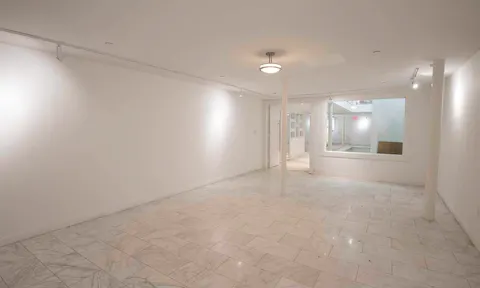


- Flexible retail spaces in Alphabet City, New York |
- Flexible retail spaces in Bridgehampton, NY |
- Flexible retail spaces in Chelsea, New York |
- Flexible retail spaces in Chinatown, New York |
- Flexible retail spaces in East Hampton, NY |
- Flexible retail spaces in East Harlem, New York |
- Flexible retail spaces in East Village, New York |
- Flexible retail spaces in Financial District, New York |
- Flexible retail spaces in Flatiron District, New York |
- Flexible retail spaces in Garment District, New York |
- Flexible retail spaces in Gramercy, New York |
- Flexible retail spaces in Harlem, New York |
- Flexible retail spaces in Hudson Yards, New York |
- Flexible retail spaces in Kips Bay, New York |
- Flexible retail spaces in Lenox Hill, New York |
- Flexible retail spaces in Little Italy, New York |
- Flexible retail spaces in Lower East Side, New York |
- Flexible retail spaces in Midtown East, New York |
- Flexible retail spaces in Midtown Manhattan, New York |
- Flexible retail spaces in Midtown West & Hell's Kitchen, New York |
- Flexible retail spaces in Murray Hill, New York |
- Flexible retail spaces in NoHo, New York |
- Flexible retail spaces in NoMad, New York |
- Flexible retail spaces in Nolita, New York |
- Flexible retail spaces in Rose Hill, New York |
- Flexible retail spaces in SoHo, New York |
- Flexible retail spaces in Southampton, NY |
- Flexible retail spaces in Tribeca, New York |
- Flexible retail spaces in Union Square, New York |
- Flexible retail spaces in Upper East Side, New York |
- Flexible retail spaces in Upper West Side, New York |
- Flexible retail spaces in West Village, New York
- Art Studios & Creative Spaces in New York |
- Cheap Space in New York |
- Cheap Storefront in New York |
- Corporate Event Venue in New York |
- Fashion Week Showroom in New York |
- Fitting Rooms in New York |
- Mall Kiosks, Booths & Corners in New York |
- Shopping Mall Space & Shopping Centre Space in New York |
- Small Storefront in New York |
- Storefront With Kitchen in New York
Why rent an Event Space in New York, United States?
Choosing the right location is paramount for retail success, especially in a bustling market like New York. Renting an event space in this vibrant city can provide numerous advantages that significantly enhance a brand's visibility and overall impact. The right event space not only allows businesses to showcase their products or services effectively but also offers the opportunity to reach a broader audience and connect directly with customers.
One of the primary benefits of renting a retail space in New York is the access to high foot traffic. Being situated in a popular area where potential customers frequently gather means more opportunities for sales and interactions. This exposure helps build a brand presence in a targeted area, which is crucial in a competitive landscape where visibility is everything. Engaging with customers face-to-face allows brands to establish relationships and foster loyalty that online interactions often cannot replicate.
The strategic advantages of renting an event space in a vibrant commercial area are immense. Increased visibility leads to heightened sales potential, as a well-located shop can attract not only locals but also tourists and visitors. Additionally, being surrounded by other thriving businesses creates networking opportunities that can lead to beneficial collaborations and partnerships. This dynamic environment can fuel creativity and innovation, allowing brands to thrive in ways that a less populated area may not permit.
Furthermore, renting an event space offers flexibility and scalability that is particularly advantageous for businesses looking to test concepts without the long-term commitment of a standard lease. This approach enables brands to experiment with different locations, target markets, and marketing strategies based on real-time feedback, allowing for a more adaptive business model. It is an excellent way to gauge customer reactions and make necessary adjustments before committing to more permanent arrangements.
Overall, renting an event space in New York provides a strategic opportunity for businesses to elevate their presence in one of the world's most iconic commercial hubs. With significant benefits such as increased visibility, access to foot traffic, and the chance to directly engage with customers, the advantages of renting retail spaces are clear. This approach not only enhances brand presence but also offers the flexibility needed for growth and expansion in a competitive market.
How much does it cost to rent an Event Space in New York, United States?
Understanding retail rental costs is crucial for businesses planning to rent an event space in urban centers like New York. The landscape of rental prices can vary dramatically based on multiple factors. The cost to lease a shop or event space in New York is influenced heavily by its location, the size of the space, foot traffic, and the overall market demand.
In New York City, event space rental prices can range widely. For instance, spaces located in bustling areas like Manhattan's Times Square can charge anywhere from $200 to $1,000 per hour, depending on the venue’s size and amenities. In contrast, event spaces in suburban areas or less populated parts of the city might only cost between $50 and $200 per hour. This discrepancy highlights the importance of location when considering retail store rental prices.
Foot traffic is another critical factor affecting rental costs. Spaces with high visibility and pedestrian traffic often come with a premium price tag. For example, a small pop-up shop in a busy commercial district may see rental prices closer to $10,000 per month, while the same space a few blocks away in a lower-traffic area might be available for less than $5,000 per month. Additionally, larger retail spaces suitable for events can command upwards of $20,000 per month in prime locations.
Beyond the base rental price, various additional costs should be factored into the overall budget. Utilities can add another $500 to $1,500 monthly, depending on the size of the venue and its usage. Deposits often equal one or two months' rent, while taxes can vary significantly depending on the city regulations. Maintenance fees are also a consideration, especially in older buildings where upkeep may be the responsibility of the renter.
Given these factors, it is essential for businesses to set a firm budget when planning to rent an event space. Conducting thorough research and comparing different options will help identify the best potential locations for their needs. Consulting local experts or brokerage firms specializing in commercial real estate can also provide valuable insights into the market and space availability.
In summary, rental costs for event spaces in New York can vary widely based on location, foot traffic, size, and market dynamics. By understanding these factors and taking the time to budget appropriately, businesses can effectively navigate the complexities of retail rental costs and make informed decisions that will support their brand's growth and success.
Benefits of leasing an Event Space in New York, United States?
Benefits of Leasing Commercial Spaces
Leasing commercial spaces has become an increasingly appealing option for businesses and individuals seeking flexibility and cost-effectiveness. Whether you are looking for retail stores, event venues, showrooms, or offices, leasing can provide a viable alternative to purchasing property, which often comes with substantial upfront costs. In a competitive market like New York, where prime commercial real estate can reach millions of dollars, leasing offers a smart solution for accessing high-demand areas without the financial burden of ownership. According to recent surveys, a significant percentage of small businesses prefer leasing due to the lower initial investments required, allowing them to allocate resources towards growth and brand development.
One key advantage of leasing commercial spaces is the ability to explore prime locations that would otherwise be financially inaccessible. For entrepreneurs, setting up shop in a bustling area can make all the difference in attracting foot traffic and gaining visibility. Leasing allows businesses to occupy desirable locations in New York, where rental prices may range from a few hundred dollars to over ten thousand dollars, depending on the size and amenities of the space. These options are particularly valuable for event spaces that can be leased hourly or daily, giving you the flexibility to host occasions without the commitment of long-term agreements.
Scalability is another significant benefit of leasing. As businesses grow, leasing offers the opportunity to easily adjust the size and location of operations without the complications that come with selling or purchasing property. This flexibility is crucial for startups and expanding companies aiming to take advantage of changing market conditions. Moreover, many leases come with maintenance or infrastructure support, significantly reducing operational burdens and allowing business owners to focus on their core activities rather than dealing with property upkeep.
In the bustling city of New York, event spaces are in high demand for a variety of purposes, from corporate gatherings to social celebrations. With price ranges that cater to different budgets, event organizers can find spaces that fit their needs without the long-term commitment associated with owning property. Additionally, the leasing model can provide access to state-of-the-art facilities and services that enhance the overall experience for attendees.
Before committing to a lease, it is essential to assess market trends and understand the total costs involved. This includes not just the rent but also additional expenses such as utilities, maintenance, and any additional services required. It is vital to ensure that the lease aligns with your specific business goals and growth strategy. By thoroughly evaluating the options and understanding your financial obligations, you can make informed decisions that optimize the benefits of leasing spaces.
In summary, leasing commercial spaces in New York presents a multitude of advantages, from easy access to prime locations to flexibility and scalability for growing businesses. This cost-effective approach can relieve financial pressure while providing access to otherwise unattainable venues. By considering market conditions, total costs, and your unique objectives, you can harness the benefits of leasing spaces effectively, ensuring your business thrives in a dynamic urban landscape.
What are the most popular neighborhoods for renting an Event Space in New York, United States?
When it comes to renting an event space in New York, understanding local culture, demographics, and market trends is crucial. Different types of businesses and events thrive in specific neighborhoods, making location a pivotal factor in ensuring success. The vibrant tapestry of New York City offers a diverse range of areas, each with distinct characteristics that attract various audiences.
Creative hubs such as Williamsburg and the Lower East Side are ideal for showrooms and artistic events. These neighborhoods attract a younger, trendier crowd, making them perfect for brands looking to engage an audience that values creativity and innovation. In contrast, high-end districts like Madison Avenue and Soho cater to luxury retail businesses. The affluent demographic in these areas expectations align perfectly with premium products and services. Warehouse districts like Industry City and Gowanus are excellent for large-scale events, offering ample space and flexibility for setups that require extensive logistics.
Proximity to significant landmarks plays a crucial role in driving foot traffic to your event. Shopping streets like Fifth Avenue see thousands of visitors daily, providing a robust backdrop for retail pop-ups. Similarly, locations near universities such as NYU and Columbia University benefit from the influx of students, scholars, and a vibrant community seeking engaging experiences. Business centers in the Financial District also create opportunities for corporate events and networking functions, attracting professionals and decision-makers. It's worth noting that foot traffic can vary dramatically based on the neighborhood; high-profile areas can see upwards of 300,000 daily pedestrians, while others may average around 50,000.
When evaluating neighborhood profiles for event space rental, consider several factors. First, assess the local demographics to ensure your target audience aligns with the neighborhood's characteristics. Next, analyze neighborhood foot traffic to gauge potential visibility and accessibility. Balancing the costs of a prime location with expected returns is essential; while some areas might have higher rental rates, the potential for increased attendance and engagement can offer a strong return on investment.
Specific neighborhoods and streets in New York stand out for their commercial lease advantages. For example, areas around Bryant Park not only serve as business hubs but also attract day visitors who appreciate leisure opportunities. Chelsea has become a hotspot for art and food events, making it advantageous for brands looking to establish a presence in the creative industries. The Bowery, known for its eclectic mix of art galleries and trendy restaurants, is also gaining traction for unique events.
Understanding the dynamics of New York's neighborhoods can provide a competitive edge in finding the perfect event space to meet your business goals. By carefully considering location advantages, rental costs, and the likely audience, you can set the stage for a successful event that resonates with your target market.
Steps involved in planning an Event Space in New York, United States
When planning an event space in New York, several key steps are vital to ensure a successful launch and operation. Start by identifying the purpose of the space. Clarifying whether the venue will host corporate events, private parties, or public gatherings will help shape your overall vision.
Next, understanding your target audience is crucial. Knowing who will attend can influence the design, marketing strategies, and even the amenities provided. Aim to create a space that resonates with your ideal customers, which may include considering their preferences for layout, style, and interaction.
Setting a realistic budget is another essential step. Consider all expenses involved, such as location acquisition, decor, staffing, and marketing efforts. It is important to clearly outline your financial limitations early in the planning process, ensuring focus and clarity on expenditure.
Preparing your inventory is equally important. This may involve sourcing furniture, equipment, and technology necessary for your events. Think about what items will enhance the guest experience and cater to different event types.
Marketing and promotion play a significant role in attracting clients. Develop an online presence through social media, a dedicated website, and targeted advertising campaigns. Highlight what makes your space unique, and promote upcoming events to build excitement.
Hiring staff is essential for seamless operations. Whether it is event coordinators, hospitality staff, or technicians for AV setups, having the right team in place will facilitate a professional atmosphere and ensure guest satisfaction.
Creating an immersive experience is a top priority. Focus on design elements that captivate attendees and enhance engagement. This could involve curated lighting, thematic decor, and interactive installations that leave a lasting impression on your guests.
Managing payment transactions securely is vital in today's digital landscape. Implement a robust payment system that ensures safe and efficient transactions for your clients. This reliability will foster trust and contribute to a positive reputation for your space.
Analyzing data post-events can provide invaluable insights into performance and customer feedback. Metrics such as attendance rates, customer demographics, and financial outcomes will help refine future offerings and marketing strategies.
Conducting market research is crucial in evaluating demand and competition in different neighborhoods. New York’s diverse landscape requires diligent analysis of what locations are thriving and which may be oversaturated. Accessibility, public transport options, and nearby amenities can significantly influence your space's attractiveness. Ensure your chosen location is convenient for your target audience, taking into account crucial factors like parking availability, subway stations, and local attractions.
As you embark on this journey, remember to consult local real estate experts who are familiar with market trends. They can provide valuable guidance tailored to your needs, helping you navigate lease agreements and ensuring favorable terms. Aligning your location choice with overarching business goals will streamline your efforts and enhance your chances of success.
Planning an event space in New York can be a complex endeavor, but with attention to these key steps and a strategic approach, you can create a welcoming and profitable venue that meets the needs of your clientele.
How long should you rent an Event Space in New York, United States to achieve your goals?
When considering how long to rent an event space in New York, the optimal lease length largely depends on the type of business, its goals, and the intended use of the space. Whether hosting retail activities, events, showrooms, or office gatherings, understanding the appropriate rental duration is crucial for achieving success.
For pop-up shops or temporary events, short-term leases ranging from a few days to a year are often ideal. These flexible arrangements allow businesses to launch innovative marketing strategies, test new concepts, or engage customers in a dynamic environment without the burden of long-term commitments. The allure of a pop-up experience can attract attention and drive sales while providing the opportunity to gauge customer reactions to products or services.
On the other hand, longer leases, typically spanning three to five years, tend to be better suited for businesses that desire stability and familiarity with their customer base. This duration allows for consistent branding and advertising efforts, making it easier to build a solid customer relationship and establish a strong presence in the community. When a business has a clear vision and a solid plan for growth, committing to a longer lease can foster a thriving environment conducive to success.
In recent years, flexible lease options have gained popularity. These agreements enable businesses to adapt to rapidly changing markets without being locked into long-term contracts. Flexible leases can include month-to-month agreements or customized terms that align better with business needs and economic conditions, making it easier for companies to navigate uncertainties and seize new opportunities.
To determine the best rental duration for commercial spaces, businesses should carefully evaluate their goals, understand current market trends, and thoroughly review lease agreements. Insight into expected customer traffic, seasonal peaks, and potential shifts in demand will play a significant role in selecting the ideal lease length. Aligning rental duration with business objectives not only enhances operational efficiency but also strengthens the overall strategy for growth and success.
In summary, the right lease length for an event space in New York unfolds from understanding individual business needs, market dynamics, and growth objectives. By planning rental timelines effectively, companies can maximize their opportunities and achieve their goals in an ever-evolving marketplace.
How can xNomad help your brand successfully launch an Event Space in New York, United States?
Launching an event space in New York can be a complex task, but partnering with the right team can make it seamless and effective. xNomad stands out as a trusted pop-up retail partner that specializes in providing comprehensive and flexible solutions for brands looking to create memorable events. With its extensive knowledge of the local landscape and a beachhead in the bustling New York market, xNomad can help your brand find the perfect venue to make a lasting impression.
One of the key advantages of working with xNomad is their ability to offer end-to-end retail solutions, ensuring a smooth journey from concept to execution. This full-service agency provides location scouting, concept design, staffing, and furnishing, allowing brands to focus on their core mission while knowing that every detail of their event space is professionally managed. This all-inclusive approach ensures that the space is move-in ready and tailored to your unique brand identity, making the launch process as straightforward as possible.
xNomad’s commitment to trust and simplicity resonates with clients, as they understand the importance of creating a seamless experience. Their proven track record with trusted global brands demonstrates their capability in managing diverse projects, regardless of size or scale. Whether you are planning a product launch, a promotional event, or an interactive experience, xNomad’s expertise can significantly elevate your efforts.
In addition, xNomad boasts a robust partnership network that aims to revitalize urban areas through innovative pop-up experiences. By tapping into this network, your brand can not only enhance its visibility but also contribute to the local community, which is increasingly vital in today's social landscape. Engaging with xNomad means you are not just renting a space; you are becoming part of a larger movement that seeks to innovate and connect brands with their audiences in meaningful ways.
With a global presence, xNomad is well-positioned to assist brands looking to scale locally or internationally. This strategic advantage allows them to offer insights and resources that can help you navigate the complexities of launching an event space in a competitive market like New York. Their commitment to excellent communication ensures that you will always be in the loop, creating a collaborative environment where your feedback and vision are front and center.
In conclusion, whether you're embarking on a new project or seeking to enhance your brand’s visibility, xNomad provides distinctive advantages that make them an ideal partner for your event space in New York. Their dedication to delivering exceptional results through innovation and community-building firmly establishes them as the go-to choice for brands aiming to create impactful experiences. Choosing xNomad means you are equipped with the right tools and support to connect your brand with the perfect space, ensuring your next event is not only successful but unforgettable.
FAQ
Q: What factors should I consider when choosing an event space in New York?
A: Consider location, foot traffic, target audience, and budget. Location affects visibility and accessibility, while foot traffic can influence sales and engagement. Align the space with your target audience's preferences and ensure it fits within your budget. For example, a trendy area like Williamsburg might suit a creative brand, while Soho could be ideal for luxury retail.
Q: How does the timing of renting an event space in New York affect its success?
A: Timing can significantly impact success, especially during peak seasons like holidays or major city events. Renting 3-6 months in advance for high-demand periods ensures better location choices and terms. For instance, securing a space before Fashion Week can maximize exposure to industry professionals and tourists.
Q: What are the hidden costs associated with renting an event space in New York?
A: Hidden costs can include utilities, maintenance, deposits, and taxes. Utilities might add $500-$1,500 monthly, while deposits often equal one or two months' rent. Taxes vary by location, and maintenance fees are common in older buildings. Always factor these into your budget to avoid surprises.
Q: How can I ensure my event space stands out in New York's competitive market?
A: Create a unique experience with thematic decor, interactive installations, and targeted marketing. Highlight your brand's unique selling points and leverage social media to build anticipation. For example, a pop-up art gallery could use immersive installations to attract art enthusiasts and influencers.
Q: What are the legal considerations when renting an event space in New York?
A: Legal considerations include understanding lease terms, zoning laws, and permits. Ensure the lease aligns with your business goals and check zoning regulations to confirm the space is suitable for your intended use. Obtain necessary permits for events, especially if serving alcohol or hosting large gatherings.
Q: How does renting an event space in New York compare to other major cities?
A: New York offers unparalleled foot traffic and diverse demographics, but at a higher cost. Cities like Los Angeles or Chicago may offer lower rental prices but lack New York's unique blend of tourists and locals. For instance, a prime Manhattan location might cost more but provides access to a global audience.
Q: How can I maximize foot traffic for my event space in New York?
A: Choose a location with high pedestrian traffic, such as near popular landmarks or busy shopping streets. Enhance visibility with eye-catching signage and collaborate with nearby businesses for cross-promotion. For example, a pop-up near Times Square can capitalize on the area's constant flow of tourists.
Q: What role does xNomad play in finding the right event space in New York?
A: xNomad helps brands find and book pop-up retail spaces, offering end-to-end solutions like location scouting and concept design. Their expertise ensures a seamless launch, allowing brands to focus on their core mission. For example, xNomad can assist in securing a prime location in Soho for a luxury brand launch.
Q: What is a pop-up shop in New York and how does it work for an event?
A: A pop-up shop in New York is a temporary retail space that allows businesses to sell products or services for a limited time. It operates by renting a location for a short period, often to boost brand awareness or test new markets. For instance, xNomad facilitates pop-up shops in vibrant areas like SoHo or Brooklyn.
Q: How do I find pop-up retail space for an event near me in New York?
A: You can find pop-up retail space in New York through platforms like xNomad, which connects businesses with available locations. Additionally, local real estate websites and community boards often list temporary spaces. Popular neighborhoods include Williamsburg and the Lower East Side, where demand for pop-up spaces is high.
Q: What types of spaces are available for pop-up shops for an event in New York?
A: In New York, pop-up shops can be found in various spaces, including storefronts, galleries, and commercial venues. Spaces can vary greatly in size and ambiance, catering to different business needs. xNomad offers unique locations in trendy areas that allow for creative setups, enhancing customer engagement.
Q: How far in advance should I book a pop-up space for an event in New York?
A: It's recommended to book a pop-up space in New York at least 1-3 months in advance. This allows ample time for planning, marketing, and logistics, ensuring availability of desired locations. Popular spots can fill up quickly, especially during peak shopping seasons.
Q: Can I rent a pop-up space for just one day or one weekend for an event in New York?
A: Yes, many venues in New York allow you to rent pop-up spaces for just one day or one weekend. Flexibility varies by location, so it's best to check with providers like xNomad for specific terms. Short-term rentals are ideal for events like launch parties or seasonal sales.
Q: Do I need a permit to run a pop-up shop event in New York?
A: Yes, you typically need a permit to operate a pop-up shop in New York. This is required to comply with local regulations regarding health, safety, and business operations. Depending on the nature of your event, additional licenses might also be necessary.
Q: How do I obtain a pop-up shop event permit in New York?
A: To obtain a permit for a pop-up shop in New York, you must apply through the city's Business Licensing Unit or relevant local authority. This process often includes filling out an application, providing event details, and paying applicable fees. Starting early is advisable to ensure approval before your event date.
Q: How long does it take to get a pop-up shop event permit in New York?
A: The time to receive a pop-up shop permit in New York can vary, typically ranging from a few days to several weeks. Factors that influence this timeline include the type of permit needed and the completeness of your application. It’s best to plan ahead and submit your application as early as possible.
Q: Can I operate a pop-up shop event without a permit in New York?
A: No, operating a pop-up shop without a permit in New York is not advisable and can lead to fines or shutdowns. Local laws require compliance with all regulations pertaining to sales, health, and safety. Ensuring you have the proper permits is key to running a successful event.
Q: Do I need insurance for a pop-up shop event in New York?
A: Yes, obtaining insurance for a pop-up shop in New York is highly recommended. Insurance protects your business against potential liabilities and damages that may arise during the event. Various insurance options are available, including general liability and event-specific coverage.
Q: Are there any specific permit requirements I should know about before booking a space for my pop-up shop event in New York?
A: Yes, specific permit requirements may include zoning approvals, health permits, or special event permits based on your location and type of goods sold. It's essential to research these requirements thoroughly before booking a space. Consulting with xNomad can also provide clarity on local regulations.
Q: Does the venue handle permits for my pop-up shop event in New York, or is that my responsibility?
A: Generally, securing permits for a pop-up shop event in New York is your responsibility, not the venue's. However, some venues may assist in the process or include certain permits as part of their rental agreement. It's vital to clarify these details with the venue before confirming your booking.
Q: What are some creative display ideas for a pop-up shop event in New York?
A: Utilizing themed displays that reflect local culture can enhance a pop-up shop's appeal. Incorporate engaging visuals, like murals or interactive installations, to attract foot traffic. For instance, a New York-inspired pop-up could feature skyline backdrops or street art.
Q: How can I design an eye-catching pop-up stand on a budget for an event in New York?
A: Use DIY materials like reclaimed wood and affordable lighting to create an inviting stand. Focus on bold colors and signage that captures attention without excessive spending. Many successful pop-ups in New York have thrived by effectively utilizing simple yet striking designs.
Q: How do I make my pop-up shop social media friendly for an event in New York?
A: Create Instagrammable spots with unique backdrops and branded hashtags to encourage visitors to take photos. Offering exclusive items or experiences can also incentivize sharing on social media. Research shows that visually appealing setups attract more customer engagement online.
Q: What are some pop-up shop table display ideas for an event in New York?
A: Use layered table setups with varying heights and attractive tablecloths to create visual interest. Including interactive elements, like product samples or live demonstrations, can further engage visitors. Many successful NYC pop-ups employ this technique to enhance the shopping experience.
Q: What are the most trending pop-up shop display ideas right now for events in New York?
A: Sustainability-themed displays and immersive experiences are currently popular. Integrating technology, like augmented reality, can create engaging interactions. New York pop-ups often showcase these trends to differentiate themselves in a competitive market.
Q: What furniture or fixtures do I need to set up a pop-up shop event in New York?
A: Essential items include portable displays, modular shelving, and comfortable seating for customers. Lighting and branding elements, like banners or signage, also enhance visibility. Many New York pop-up shops use minimalist furniture to create an open and inviting atmosphere.
Q: What are the first steps to starting a pop-up shop event in New York?
A: The first steps involve conducting market research to identify target customers and competitors in New York. Next, outline your concept, determine the type of products or services to offer, and define your budget. Lastly, start sourcing providers for any necessary permits or licenses. For instance, local markets can be a great starting point for concept validation.
Q: Do I need a business plan for a pop-up shop event in New York?
A: Yes, having a business plan for your pop-up shop event in New York is essential. It helps outline your objectives, target audience, marketing strategy, and financial projections. A solid plan can guide you through decision-making and adjustments during the event. For example, a well-crafted plan can help secure funding or partnerships.
Q: What should I look for when choosing a pop-up shop event location in New York?
A: When selecting a location for your pop-up shop event in New York, consider foot traffic, visibility, and accessibility. Look for spots that align with your target demographic, such as busy shopping districts or community events. High-traffic areas can increase exposure; for instance, locations near subway stations often attract more visitors.
Q: What are the key benefits of running a pop-up shop event in New York?
A: Running a pop-up shop event in New York offers several advantages, including increased brand exposure and the opportunity to test new products. It allows for direct customer interaction, which can enhance your understanding of their preferences and needs. Additionally, pop-ups can generate buzz; some brands see a spike in online engagement after a successful event.
Q: What are some challenges faced in planning for a community event project in New York?
A: One major challenge in planning a community event project in New York is securing the necessary permits and approvals from local authorities. The city's regulations can be complex and time-consuming to navigate. Additionally, competition for popular venues can pose a logistical hurdle. For instance, obtaining a permit for Central Park can be a lengthy process due to high demand.
Q: How can we effectively promote a charity event project in New York?
A: To effectively promote a charity event project in New York, leveraging social media platforms and collaborating with local influencers is key. Creating visually appealing content helps capture attention and raises awareness. Additionally, utilizing targeted advertising can reach specific demographics. An example is using Instagram Stories to create buzz just days before the event, as seen with recent charity runs around the city.
Q: What should I consider when planning a pop-up shop for my brand in New York for an event project?
A: Consider your target audience, location, and timing. The right venue in New York can attract foot traffic, while aligning your brand with local events can enhance visibility. It’s also crucial to plan your marketing strategy ahead of time to generate buzz. For example, coordinating with popular street fairs can draw larger crowds.
Q: How do I choose the right pop-up format for my brand in New York for an event project?
A: Identify your objectives and target customers first. In New York, a market stall may suit brands focused on local engagement while a storefront might attract broader visibility. Assess potential costs, duration, and market trends to determine the best fit. For instance, a temporary concession in a busy shopping area can leverage high foot traffic.
Q: What are the most common mistakes first-time pop-up operators make in New York for an event project?
A: Common mistakes include underestimating costs, insufficient marketing, and neglecting to engage with customers effectively. Many first-time operators fail to plan for inventory and staffing needs, leading to operational issues. Research indicates that 30% of pop-up shops close due to these oversights, underscoring the importance of thorough preparation.
Q: What are the best locations and setups for outdoor pop-up shops for an event project in New York?
A: Ideal locations for outdoor pop-up shops in New York include bustling neighborhoods like Williamsburg and Washington Square Park. A well-placed setup such as a tent with visible signage can attract foot traffic and create an inviting atmosphere. Utilizing a mobile point-of-sale system is also effective. For instance, a pop-up shop in Bryant Park has seen significant sales during the summer months.
Q: How do I run a pop-up shop outside or on a trail/market route for an event project in New York?
A: To run a pop-up shop outside on a market route in New York, ensure you have necessary permits, select high-traffic areas like the Flatiron District, and plan logistics carefully. You should have an engaging display and be prepared with portable equipment. Incorporating local partnerships, like with xNomad, can enhance visibility and attract customers.
Q: What should I consider when doing a pop-up shop at an outdoor event in New York?
A: When planning a pop-up shop at an outdoor event in New York, consider weather conditions, local competition, and customer demographics. Have contingency plans for rain and provide ample product variety appealing to the crowd. For example, participating in events like Smorgasburg can significantly increase your exposure and sales opportunities.
Q: What equipment do I need for a pop-up coffee event in New York?
A: For a pop-up coffee event in New York, you'll need an espresso machine, grinders, brewing devices, and a portable coffee cart. Additionally, essentials like cups, napkins, and a cash register or payment system are vital. Having a supply of fresh coffee beans and ingredients for drinks ensures quality service. For example, mobile espresso setups can serve 100+ cups in an hour.
Q: What are the best locations for a pop-up coffee event in New York?
A: The best locations for a pop-up coffee event in New York include busy areas like Times Square, Central Park, and various popular markets. High foot traffic spots near transportation hubs or in artsy neighborhoods can attract a diverse crowd. For instance, hosting in Washington Square Park can draw students and local residents.
Q: How do I promote a pop-up coffee event on social media in New York?
A: To promote a pop-up coffee event in New York on social media, create visually engaging posts showcasing your offerings and location. Utilize platforms like Instagram and Facebook to share event details, countdowns, and behind-the-scenes content. Collaborating with local influencers can also enhance reach; for example, a partnership with a NYC food blogger could attract a larger audience.
Q: How do I start a successful pop-up coffee event in New York?
A: To start a successful pop-up coffee event in New York, first conduct thorough market research to identify target customers and ideal locations. Create a business plan outlining costs, equipment needs, and marketing strategies. Engaging with local vendors or communities can enhance visibility; for example, working with a nearby bakery can attract more customers through cross-promotion.
Découvrez nos espaces Scopri i nostri spazi Ontdek onze ruimtes 探索我们的空间