- 1Projects

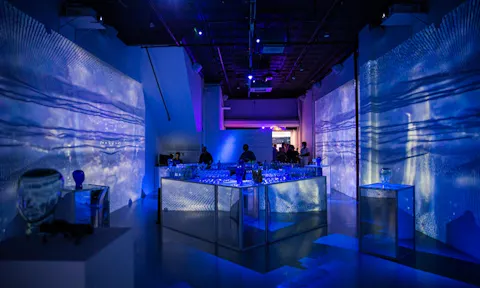


Why rent an Event Space in Tribeca, New York?
Choosing the right location is paramount for retail success, and renting an event space in a vibrant area like Tribeca, New York, can be a game changer for brands looking to make a significant impact. The benefits of renting a retail space are numerous, particularly in a bustling neighborhood known for its unique blend of culture, commerce, and creativity. By securing a rental space in Tribeca, businesses can tap into the high foot traffic generated by both locals and tourists, providing an invaluable opportunity to showcase products and engage with potential customers directly.
Furthermore, renting a retail space in such a desirable location helps build a strong brand presence in a targeted area. This visibility is crucial, as it allows brands to connect with the community, generate recognition, and foster customer loyalty. The strategic advantages of positioning your business in a vibrant commercial district like Tribeca cannot be overstated. The area is not only visually appealing but also serves as a hub for networking opportunities with nearby businesses, which can lead to collaboration and cross-promotion.
Retail store rental benefits extend beyond mere visibility. In a lively area, businesses can experience improved sales potential due to the consistent influx of visitors who are naturally drawn to the creative energy of the neighborhood. Additionally, being surrounded by complementary businesses can enhance foot traffic, as customers may visit the area with specific intentions but happily discover your brand along the way.
One of the main advantages of renting an event space is the remarkable flexibility it provides. Businesses can take advantage of short-term leases, enabling them to test new concepts and offerings without the burden of a long-term commitment. This scalability is especially beneficial in a fast-paced retail environment where consumer preferences can shift rapidly. Brands can evaluate the effectiveness of their concepts and gauge customer responses before deciding to commit to a more permanent retail solution.
In conclusion, renting a retail space in Tribeca offers an array of advantages that can propel a brand to new heights. From accessing vibrant foot traffic and establishing a solid brand presence to enjoying the flexibility to test ideas, the opportunities are abundant. Embracing a rental strategy in such a dynamic locale not only opens doors to increased sales potential but also fosters connections within the community that can be pivotal for long-term success.
How much does it cost to rent an Event Space in Tribeca, New York?
When planning a business, particularly in the vibrant sector of retail and events, understanding the costs associated with renting a space is crucial. One of the cutting-edge locations for events is Tribeca, New York, where cultural energy meets aesthetic appeal, making it a prime spot for countless brands and enterprises. However, the cost to lease a shop or rent event spaces in Tribeca varies, influenced by a multitude of factors including location, size, foot traffic, and market demand.
In Tribeca, typical rental prices can range widely. For instance, as of recent reports, storefronts can lease for an average of $100 to $160 per square foot in high-traffic areas, while more subdued locations may offer rates of around $70 to $100 per square foot. This juxtaposition illustrates how a prime location can significantly impact rental costs. According to data from commercial real estate listings, an event space in a bustling area may charge substantially more, reflective of the desirability associated with increased foot traffic and visibility.
Factors affecting retail rental costs are diverse. Location is arguably the most critical, with city center spaces often commanding premium prices due to their accessibility and popularity. Size also plays a vital role; larger spaces naturally incur higher costs. Additionally, foot traffic is paramount. Stores in high-footfall zones often benefit from spontaneous customer interactions but may face elevated rent as a result. Market demand further compounds these costs. In periods of high demand—like holiday seasons—rental prices in popular districts can surge, making it essential to consider timing when budgeting for an event space.
Beyond base rental prices, businesses should be mindful of additional costs that can influence the overall expenditure of renting an event space. Utilities, which can include water, electricity, and internet, often add an extra layer of expenses. Security deposits are standard, typically amounting to one to three months' rent. Taxes on rental properties in New York can also vary depending on the lease agreement and municipal regulations. Maintenance fees might be charged by landlords to cover upkeep of common areas, which can vary greatly depending on the building and its location.
For those looking to rent an event space in Tribeca, setting a clear budget at the onset is imperative. Comparing various options can not only provide insight into the average market price but can also reveal potential hidden costs. Additionally, consulting with local real estate experts can offer valuable guidance tailored to specific needs and preferences, helping navigate the complexities of rental contracts and market fluctuations.
In summary, the costs associated with renting an event space in Tribeca are influenced by multiple factors, including location, size, foot traffic, and market demand. Retail rental prices in this iconic neighborhood can be steep, but with diligent planning and research, businesses can find suitable spaces that align with their vision and budget.
Benefits of leasing an Event Space in Tribeca, New York?
Benefits of Leasing Commercial Spaces
In today's dynamic business landscape, leasing commercial spaces has emerged as a cost-effective and flexible solution for businesses and individuals seeking venues for retail stores, event spaces, showrooms, or offices. The approach of leasing allows companies to adapt more easily to market demands without tying up their capital in properties that can take years to appreciate. In an area like Tribeca, New York, where commercial real estate prices can soar into the millions, leasing presents a practical alternative, enabling access to high-demand locations.
One of the most significant benefits of leasing is the ability to secure prime real estate without the financial burden of purchasing. For instance, a retail space in Tribeca can command prices ranging from $100 to $10,000 per day or hour, depending on size and amenities. This flexibility allows businesses to test concepts and engage customers in high-traffic areas without a long-term commitment. Moreover, leasing can alleviate the financial strain of maintenance and facility management, as many landlords typically include infrastructure support within the lease agreements. This means less worry about repairs and maintenance, allowing businesses to focus on growth and customer experience.
Scalability is another vital advantage of leasing commercial spaces. For businesses looking to expand operations or host events, the ability to rent spaces for various durations—be it by the hour, a few days, or several months—accommodates fluctuating demands. This adaptability is crucial for growing businesses, particularly in an ever-evolving market where consumer preferences and trends shift rapidly.
In addition to the practical benefits, the financial implications of leasing can be quite appealing. Companies can invest their capital into inventory, marketing, or staff instead of real estate, optimizing their operational efficiency. Remember that the key to successful leasing is thorough research. Assessing current market trends, calculating total costs associated with leasing, and ensuring the space aligns with specific business objectives are critical steps.
Leasing commercial spaces, particularly event venues in vibrant areas like Tribeca, can provide significant advantages. It allows businesses to thrive in lucrative markets, adapt quickly to changing circumstances, and maintain greater control over their financial commitments. Whether hosting a pop-up shop, a corporate event, or an art exhibition, the benefits of leasing spaces extend far beyond mere convenience. By leveraging flexible leasing options, brands can enhance their visibility, build meaningful customer connections, and ultimately drive their business forward.
What are the most popular neighborhoods for renting an Event Space in Tribeca, New York?
When considering the most popular neighborhoods for renting an event space in Tribeca, New York, it's essential to recognize how local culture, demographics, and market trends shape the success of different businesses and events. Tribeca is renowned for its artistic vibe and upscale environment, making it a sought-after location for various types of events, from corporate gatherings to creative showcases.
The character of Tribeca is defined by its cobblestone streets, historic warehouses, and a rich cultural scene. This neighborhood is a creative hub that attracts a diverse crowd, from affluent residents to professionals and tourists. Spaces here are often surrounded by high-end restaurants, art galleries, and boutique shops, which can help drive consistent foot traffic. Events held in this area benefit from the proximity to landmarks like the Tribeca Film Festival headquarters and the Hudson River waterfront, which add to the local appeal and can significantly enhance the visibility of any event.
Approximately, foot traffic in Tribeca can reach up to 30,000 people on peak days, making it a promising location for those looking to engage a vibrant audience. This high volume of visitors creates an opportunity for businesses to not only host events but also promote their brand effectively through visibility in a bustling environment.
When evaluating neighborhood profiles in Tribeca, businesses should consider factors such as the target demographic, the nature of the event, and the surrounding amenities. High-end districts like Tribeca can come with higher rental costs, but the potential return on investment often justifies these expenses, especially when targeting affluent clientele or creative industries. Understanding the balance between location costs and expected returns is crucial for making informed decisions.
For those interested in renting spaces in prime areas, important streets in Tribeca to consider include West Broadway, Hudson Street, and Church Street. These thoroughfares not only have a bustling atmosphere but also offer venues that cater to varying needs, whether it’s for pop-up shops, gallery exhibitions, or corporate meetings.
In conclusion, renting an event space in Tribeca offers numerous advantages, thanks to its unique blend of culture, demographics, and market trends. By capitalizing on location advantages for commercial leases, businesses can create impactful experiences that resonate with their audiences while benefiting from the neighborhood’s dynamic environment.
Steps involved in planning an Event Space in Tribeca, New York
Planning an event space in Tribeca, New York, involves a strategic approach to ensure success and sustainability. The initial step is to identify the purpose of your space. This could range from hosting corporate events, product launches, art exhibitions, to social gatherings. Clearly defining the purpose will guide many subsequent decisions, including design and marketing.
Understanding your target audience is also crucial. Determine who you want to attract to your event space. Are they local businesses, tourists, artists, or community organizations? Knowing your audience will shape your marketing efforts and help create a tailored experience that appeals to them.
Setting a realistic budget cannot be overlooked. Assess costs associated with renting the space, interior design, staff hiring, and marketing expenses. This budget will facilitate sound financial planning and investment.
Preparing an inventory for your event space includes evaluating what equipment, furniture, and technology you will need. Consider items like seating arrangements, lighting, sound systems, and catering supplies. A well-equipped space enhances the experience for guests and promotes efficient event management.
Marketing and promotion are cornerstones of successfully attracting clients to your event space. Leverage social media, local advertising, and partnerships with influencers to create buzz. Highlight what makes your space unique, particularly any historical or architectural significance that defines Tribeca.
Hiring staff is another critical step. Employ individuals with experience in events management, hospitality, and customer service. A well-trained team will ensure smooth operations and a positive experience for clients and guests.
Creating an immersive experience for customers enhances their engagement. This could include unique decor, tailored event themes, and interactive experiences that resonate with your audience. Taking the time to craft memorable events will encourage repeat business and word-of-mouth referrals.
Managing payment transactions securely is essential for building trust with your clients. Implement a reliable payment processing system that protects personal and financial information, providing peace of mind for those booking your space.
Analyzing data is vital for ongoing business growth. Use metrics from past events to evaluate what worked and what didn’t. This analysis can involve gathering feedback from clients and guests, allowing for continuous improvement in service offerings.
Conducting thorough market research to evaluate demand and competition in Tribeca helps ensure your space meets the needs of the community while standing out against competitors. Different neighborhoods offer varying benefits, including accessibility, public transport options, and nearby amenities such as restaurants and parking. These factors significantly influence potential renters' decisions.
When looking for the best locations for commercial spaces, consult local real estate experts who possess deep knowledge of the Tribeca market. Understanding lease agreements is also paramount; ensure you read the fine print to avoid unexpected costs or conditions that could impact your business. Align your location decisions with your broader business goals to promote growth and sustainability.
By following these steps and concentrating on strategic decisions throughout the planning process, establishing a successful event space in Tribeca can lead to exciting opportunities for business growth and community engagement. Emphasizing customer experience, effective marketing, and thorough preparation will set a solid foundation for your venture.
How long should you rent an Event Space in Tribeca, New York to achieve your goals?
When considering how long to rent an event space in Tribeca, New York, the optimal lease length is crucial and depends on the specific type of business, its goals, and the intended use of the space. This area, known for its vibrant arts scene and trendy atmosphere, is an attractive location for various events, retail activities, showrooms, and offices. Understanding the rental duration for commercial spaces in this dynamic environment can significantly influence the success of your venture.
Short-term leases, typically ranging from a few days to just under a year, are ideal for pop-up shops and temporary events. These flexible arrangements allow businesses to test market waters, launch new products, or engage customers for special occasions without a lengthy commitment. For many brands, especially those looking to create a buzz or attract foot traffic, short-term rentals facilitate quick adjustments based on customer response and market trends.
On the other hand, businesses that seek stability and build customer loyalty may benefit more from longer leases, which usually dominate the three to five-year range. This duration is particularly advantageous for companies that require a consistent presence in Tribeca. It fosters familiarity with customers and helps in establishing a brand identity within the community. Such longer commitments typically enable businesses to invest more into the space's design and branding, enhancing the overall customer experience.
Recent trends show a growing demand for flexible lease options as businesses increasingly adapt to fluctuating market conditions. This flexibility allows brands to shift their strategies without the burden of long-term obligations. Companies can be more responsive to changes in consumer behavior, technological advancements, and economic factors. As businesses plan their rental timelines for success, it is imperative to evaluate operational goals, understand prevailing market trends, and consult lease agreements thoroughly.
In conclusion, when contemplating the duration of an event space rental in Tribeca, it is essential to align rental length with business objectives. Whether opting for a short-term lease to experiment and generate excitement or a longer lease to establish roots and consistency, understanding the local market and business goals will lead to more strategic decisions. Taking all these considerations into account will ensure the rental duration aligns perfectly with achieving your business’s aspirations in this bustling New York neighborhood.
How can xNomad help your brand successfully launch an Event Space in Tribeca, New York?
Launching an event space in a vibrant area like Tribeca, New York, can be a game-changer for any brand looking to make a mark in the bustling retail landscape. xNomad stands out as a trusted pop-up retail partner, offering comprehensive solutions designed to meet the unique challenges of urban environments. With their expertise in location scouting, concept design, and marketing, xNomad simplifies the complexities involved in creating engaging event spaces that resonate with target audiences.
One of the critical advantages of partnering with xNomad is their ability to provide flexible and versatile services. Whether you need a space for a few days or an extended period, xNomad accommodates your requirements, ensuring an end-to-end experience tailored to your brand's vision. Their move-in-ready spaces are fully designed and furnished, allowing brands to focus on what truly matters—creating memorable experiences for their customers.
xNomad's commitment to trust, innovation, and simplicity is evident throughout the process. They facilitate open communication, ensuring that each aspect of the event space aligns with your brand's objectives. By bridging the gap between brands and landlords, xNomad fosters a collaborative environment that enhances the success of your brand activation.
With a global presence, xNomad serves as a reliable partner for brands looking to scale their impact both locally and internationally. Their extensive partnership network not only helps secure prime locations but also revitalizes urban areas through innovative pop-up experiences. This approach not only benefits the brands they work with but also contributes positively to the communities they serve.
xNomad has a proven track record of collaborating with esteemed global brands, consistently delivering exceptional results that reflect the essence of each unique activation. Their focus on excellent communication, innovative design, and community-building ensures that every event is not just an occurrence but a memorable engagement.
In conclusion, when considering how to successfully launch an event space in Tribeca, xNomad's end-to-end retail solutions emerge as an ideal choice. Their dedication to connecting brands with perfect spaces through trust and innovation makes them a valuable partner for any brand looking to create an impactful presence in a dynamic market. By choosing xNomad, you are not only investing in a space but also in a partnership that prioritizes your brand's success.
FAQ
Q: What factors should be considered when choosing an event space in Tribeca, New York?
A: Key factors include location, foot traffic, and surrounding amenities. Tribeca's vibrant culture and high foot traffic make it ideal for events, but costs can vary. Consider proximity to landmarks and accessibility to attract your target audience. For example, spaces near the Hudson River waterfront can enhance event visibility.
Q: How does renting an event space in Tribeca compare to other New York neighborhoods?
A: Tribeca offers a unique blend of culture and commerce, making it a premium choice. Compared to other neighborhoods, Tribeca's artistic vibe and affluent demographics can justify higher rental costs due to potential returns on investment. For instance, its proximity to the Tribeca Film Festival headquarters adds cultural value.
Q: What are the hidden costs of renting an event space in Tribeca?
A: Beyond rent, hidden costs can include utilities, security deposits, and maintenance fees. These expenses vary based on lease agreements and building location. For example, a space in a high-demand area might incur higher maintenance fees to cover common area upkeep.
Q: How can businesses mitigate risks when renting an event space in Tribeca?
A: To mitigate risks, conduct thorough market research and consult real estate experts. Understanding lease terms and potential fluctuations in market demand can prevent unexpected costs. For example, securing a flexible lease can help adapt to changing business needs.
Q: When is the best time to rent an event space in Tribeca for maximum impact?
A: Renting during peak shopping seasons, like the holiday period, can maximize impact due to increased foot traffic. Securing a space 3–6 months in advance is advisable to access prime locations and favorable terms. For instance, booking ahead for Black Friday can enhance sales opportunities.
Q: How can xNomad assist in finding the perfect event space in Tribeca?
A: xNomad helps brands find and book pop-up retail spaces, offering expertise in location scouting and concept design. Their platform simplifies the process, providing move-in-ready spaces tailored to brand needs. For example, xNomad's network can secure prime Tribeca locations for impactful brand activations.
Q: What are the legal considerations when renting an event space in Tribeca?
A: Legal considerations include understanding lease agreements, zoning regulations, and compliance with local laws. It's crucial to review terms related to rental duration, permitted uses, and liability. Consulting a legal expert can ensure compliance and prevent potential disputes.
Q: How can businesses effectively market their event space in Tribeca?
A: Effective marketing involves leveraging social media, local advertising, and partnerships with influencers. Highlighting unique aspects of the space, such as historical significance, can attract attention. For example, promoting proximity to cultural landmarks can enhance visibility and draw diverse audiences.
Q: What is the ideal duration for renting an event space in Tribeca to test a new concept?
A: Short-term leases, ranging from a few days to under a year, are ideal for testing new concepts. These flexible arrangements allow for market testing without long-term commitments. For example, a pop-up shop can gauge customer interest before deciding on a permanent location.
Q: How can businesses ensure a successful event space launch in Tribeca?
A: Success involves strategic planning, including defining the event's purpose, understanding the target audience, and setting a realistic budget. Investing in marketing and creating immersive experiences can enhance engagement. For instance, unique decor and interactive themes can attract repeat business.
Q: What is a pop-up retail shop in New York Chinatown and how does it work?
A: A pop-up retail shop is a temporary store that allows brands to engage customers directly. These shops can operate for days or weeks, offering unique products or experiences. For example, a local artist might set up a pop-up in a vacant storefront for a weekend to showcase their artwork.
Q: How do I find pop-up retail space in New York Chinatown near me?
A: You can find pop-up retail spaces in New York Chinatown by using platforms like xNomad or social media groups dedicated to local retail opportunities. Listings often include local businesses or even empty storefronts available for short-term rent. Checking with community centers can also yield leads.
Q: What types of spaces are available for pop-up retail shops in New York Chinatown?
A: In New York Chinatown, pop-up retail spaces include small storefronts, market stalls, and shared retail environments. These spaces vary in size and amenities, accommodating diverse projects. For instance, a shared market space might house multiple vendors during festival weekends, allowing for a vibrant shopping experience.
Q: How far in advance should I book a pop-up retail space in New York Chinatown?
A: Ideally, you should book a pop-up retail space in New York Chinatown at least four to six weeks in advance. This time frame allows for proper planning and promotion of your event. However, last-minute spaces may be available, particularly in off-peak seasons.
Q: Can I rent a pop-up retail space in New York Chinatown for just one day or one weekend?
A: Yes, many pop-up retail spaces in New York Chinatown can be rented for just one day or one weekend. This flexibility is appealing for events or product launches. For example, xNomad offers a range of options that cater to short-term engagements in prime locations.
Q: Do I need a permit to run a retail pop-up shop in New York?
A: Yes, you typically need a permit to run a retail pop-up shop in New York. Local regulations require businesses to obtain the necessary permits to ensure compliance with zoning laws and health codes. Failing to secure a permit could result in fines or shutdowns.
Q: How do I obtain a pop-up shop permit for retail in New York?
A: To obtain a pop-up shop permit in New York, you must submit an application to the Department of Consumer and Worker Protection (DCWP). This process often includes providing business details, the location, and any health or safety plans. It’s advisable to check the DCWP website for specific forms and requirements.
Q: How long does it take to get a pop-up shop permit in New York for retail?
A: The timeframe to obtain a pop-up shop permit in New York varies but typically takes between 4 to 6 weeks. Factors that influence this duration include the complexity of your application and the existing workload at the regulatory office. Expediting options may be available for urgent requests.
Q: Can I operate a retail pop-up shop in New York without a permit?
A: No, operating a retail pop-up shop in New York without a permit is not permitted. Failing to obtain the necessary permits can lead to severe penalties, including fines or legal action. Always ensure compliance to avoid disruption to your business.
Q: Do I need insurance for a retail pop-up shop in New York?
A: Yes, it's advisable to have insurance for your retail pop-up shop in New York. Insurance can protect you from liabilities related to accidents, damage, or other unforeseen events. Many venues also require proof of insurance before allowing you to operate.
Q: Are there any specific permit requirements I should know about before booking a retail space in New York?
A: Yes, specific permit requirements for a retail pop-up shop in New York include zoning compliance, health permits, and possibly sales tax permits. It's important to research these requirements before booking a space to ensure all necessary permits can be obtained in time.
Q: Does the venue handle permits for a retail pop-up shop in New York, or is that my responsibility?
A: Generally, securing permits for a retail pop-up shop in New York is your responsibility. However, some venues may offer assistance or package deals that include permit handling. Always clarify this with the venue before proceeding with your plans.
Q: What are some creative display ideas for a retail pop-up shop in New York?
A: Incorporate local art and vibrant colors to connect with the New York vibe. Use unique shelving, such as crates or repurposed furniture, to create an engaging layout. Incorporate greenery for a fresh touch. For instance, a shop in East Village might use vintage suitcases and local artwork to create an inviting atmosphere.
Q: How can I design an eye-catching retail pop-up stand in New York on a budget?
A: Utilize inexpensive materials like cardboard, fabric, or reclaimed wood for a visually striking stand. DIY elements can personalize the space without overspending. For example, a small stand in Williamsburg could use a painted wooden pallet as a backdrop and upcycled crates for product displays.
Q: How do I make my retail pop-up shop in New York social media friendly?
A: Create visually appealing backdrops and interactive installations that encourage visitors to share their experiences online. Use clear signage with hashtags and geo-tags specific to New York. A mural or photobooth set up in Brooklyn could attract foot traffic and boost social media engagement.
Q: What are some pop-up shop table display ideas for a retail space in New York?
A: Use a mix of heights and layouts to keep your table display dynamic. Incorporate clear signage and branded materials for a cohesive look. For a pop-up in Lower Manhattan, consider using a tiered display with various products arranged by theme, making it visually interesting and easy to shop.
Q: What are the most trending display ideas for a retail pop-up shop in New York right now?
A: Currently, sustainability-themed displays are gaining traction, featuring recycled materials and eco-friendly products. Interactive elements such as live demonstrations or workshops draw crowds. A store in Soho might incorporate a zero-waste setup, showcasing recyclable packaging to attract eco-conscious shoppers.
Q: What furniture or fixtures do I need to set up a retail pop-up shop in New York?
A: Essential items include portable tables, display racks, seating, and clear signage for branding. Consider using adaptable furniture to maximize space efficiency. For instance, a pop-up in the Bronx could benefit from folding tables and stackable chairs that enhance flexibility and comfort for shoppers.
Q: What are the first steps to starting a pop-up retail shop in New York?
A: The first steps include defining your objectives and target audience. You should also scout for potential locations, secure permits, and develop a marketing plan. Additionally, sourcing products and setting a budget are crucial. For example, many successful pop-up shops in New York start by conducting market research to identify customer preferences.
Q: Do I need a business plan for a pop-up retail shop in New York?
A: Yes, having a business plan for a pop-up retail shop in New York is essential. It helps outline your goals, target market, financial projections, and marketing strategies. A detailed plan can also attract potential investors or partners. For instance, many entrepreneurs in New York find that a strong business plan increases their chances of success.
Q: What should I look for when choosing a pop-up retail shop location in New York?
A: When selecting a location for your pop-up retail shop in New York, consider foot traffic, demographics, and competition. An ideal location should align with your target market and product type. Popular areas like SoHo or Williamsburg frequently attract large crowds looking for unique shopping experiences.
Q: What are the key benefits of running a pop-up retail shop in New York?
A: Key benefits include increased brand visibility, the ability to test new products, and lower overhead costs compared to traditional retail spaces. Pop-up shops allow for direct customer engagement and valuable feedback. Furthermore, many brand awareness campaigns in New York succeed by leveraging the high foot traffic typical of busy neighborhoods.
Q: What are the main challenges faced for a retail project in New York?
A: The main challenges faced for a retail project in New York include high rent costs, intense competition, and strict zoning regulations. These factors can significantly impact the feasibility and profitability of the project. Additionally, navigating the complex permitting process can pose delays and added expenses.
Q: How can I secure financing for a retail project in New York?
A: To secure financing for a retail project in New York, consider presenting a robust business plan that outlines market analysis, expected revenue, and financial projections. Building relationships with local banks and investors who understand the retail landscape there can also provide valuable support. Many projects in this area often turn to specialized financing options tailored for urban developments.
Q: What should I consider when planning a retail project for my brand in New York?
A: Consider factors like target audience, location, and duration when planning your retail project. Understanding your customer base helps in choosing the right products and marketing strategies. In New York, high foot traffic areas can enhance visibility and sales potential.
Q: How do I choose the right pop-up format for my brand in New York for a retail project?
A: Choose a pop-up format that aligns with your brand identity and goals for the retail project. If aiming for a broad audience, a storefront may be ideal; for a more niche target, consider market stalls. Analyze your goals and budget for a clearer decision.
Q: What are the most common mistakes first-time pop-up operators make in New York for a retail project?
A: Common mistakes include underestimating costs, poor location choice, and insufficient marketing for the retail project. Many new operators fail to engage with their customer base effectively, leading to low sales. Surveys indicate that 30% of first-time operators struggle with these challenges.
Q: What are the best locations and setups for a retail project in New York?
A: Popular locations for a retail project in New York include parks like Bryant Park and public squares such as Union Square. These areas attract plenty of foot traffic, enhancing exposure. A professional setup with eye-catching displays and ample signage can significantly impact sales and customer engagement.
Q: How do I run a retail project outside or on a trail/market route in New York?
A: To run a retail project outside in New York, first secure necessary permits and choose high-traffic areas like farmers' markets or festivals. Plan logistics, from product transport to setup and staffing. Collaborating with local vendors can enhance visibility and draw customers.
Q: What should I consider when doing a retail project at an outdoor event in New York?
A: When planning a retail project at an outdoor event in New York, consider factors such as weather preparedness, target audience, and appropriate licensing. An engaging product display, as well as interactive elements, can increase customer attraction and retention during the event.
Q: What equipment do I need for a retail project in New York?
A: For a retail project in New York, essential equipment for a pop-up coffee shop includes an espresso machine, grinder, brewing equipment, and a point-of-sale system. Additionally, consider portable furniture, storage for supplies, and a high-quality water filtration system. Having a well-equipped setup ensures you can efficiently serve customers and maintain quality.
Q: What are the best locations for a retail project in New York?
A: The best locations for a retail project in New York for a pop-up coffee shop include busy areas like parks, college campuses, and community events. Consider high foot traffic zones, such as the Flatiron district or outside major subway stations. Engaging with local events can also boost visibility and attract coffee enthusiasts.
Q: How do I promote a pop-up coffee event on social media for a retail project in New York?
A: To promote a pop-up coffee event on social media for a retail project in New York, create eye-catching visuals and share engaging stories about your coffee journey. Utilize platforms like Instagram and Facebook to target local hashtags and engage with followers. Additionally, collaborate with local influencers or other businesses to expand your reach.
Q: How do I start a successful pop-up coffee shop as a retail project in New York?
A: To start a successful pop-up coffee shop as a retail project in New York, begin by defining your concept and target audience. Secure necessary permits and find a strategic location to draw in customers. Build a strong brand presence online and offline, and consider partnering with local vendors like xNomad for supplies and marketing support.
Découvrez nos espaces Scopri i nostri spazi Ontdek onze ruimtes 探索我们的空间